Resistive two-electrode probe that responds to soil moisture as conductivity changes
In stock
Environment
Soil Moisture Sensor Module (Analog + Digital Output)
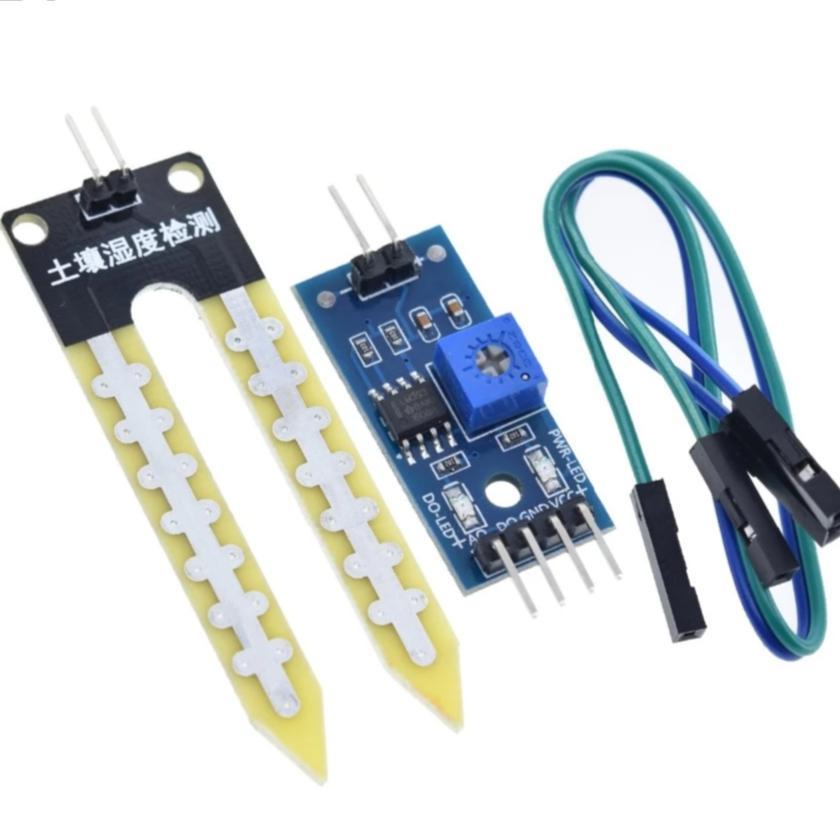
Resistive soil moisture probe with LM393 comparator giving analog and digital output for smart irrigation projects.
₹60 + 18% GST
SKU: BOTBIT-SEN-11 · Best for: Automatic plant-watering and drip-irrigation control
Overview
About Soil Moisture Sensor Module (Analog + Digital Output).
This Soil Moisture Sensor is a two-part module: a probe with two exposed electrodes that goes into the soil, and a small comparator board built around an LM393 chip. As the soil gets wetter its electrical conductivity rises, so the resistance between the probe electrodes falls. The board turns this into an analog voltage that varies with moisture, plus a digital output that trips when moisture crosses a threshold set by the onboard potentiometer.
It is the standard entry-level moisture sensor for smart-irrigation, plant-watering and gardening projects across India, thanks to its low cost and dual output. The analog output lets you read a graded wet-to-dry value on an ADC pin, while the digital output can directly trigger a pump or alarm without any code.
It works with any microcontroller and is a common first sensor for automated plant-watering builds using Arduino, ESP32 or ESP8266 for IoT dashboards.
Key features
Why it stands out.
Dual output: analog (graded moisture level) and digital (threshold trip)
LM393 comparator with onboard potentiometer to set the digital trigger point
Power and digital-output indicator LEDs for quick visual checks
Works on 3.3V and 5V logic, so it suits both Arduino and ESP boards
Two-part design lets you site the probe in soil while keeping the electronics dry
Specifications
Selection facts.
| Sensor type | Resistive soil moisture probe |
|---|---|
| Comparator IC | LM393 |
| Operating voltage | 3.3 V to 5 V DC |
| Outputs | Analog (AO) + Digital (DO) |
| Analog output | Varies with moisture (higher when dry, lower when wet) |
| Digital output | Threshold trip set by onboard potentiometer |
| Probe electrodes | Two exposed conductive pads |
| Indicators | Power LED + digital-output LED |
Applications
Where it is used.
- Automatic plant-watering and drip-irrigation control
- Smart-garden and greenhouse soil monitoring
- IoT agriculture dashboards over WiFi with ESP32/ESP8266
- Low-moisture alarms for potted plants and lawns
- Educational projects on conductivity and analog sensing
- Data logging of soil dryness over time
Buying guide
How to choose.
Buy this sensor for hobby, garden and educational smart-irrigation projects where low cost matters most. Use the analog output when you want a graded moisture reading, and the digital output when you just need a wet/dry trip to switch a pump or LED. If you plan to leave a probe in soil permanently, be aware that this resistive type corrodes over time; a capacitive soil moisture sensor lasts much longer for long-term deployments.
Pair it with any board that has an ADC input (Arduino Uno/Nano, ESP32, ESP8266) for the analog reading; a Raspberry Pi needs an external ADC to read AO but can use DO directly. To read AO, connect it to an analog pin and map the value in software; to use DO, set the threshold with the potentiometer while watching the output LED.
For automated watering, combine it with a relay module and a small water pump or solenoid valve, and calibrate your wet and dry reference values before trusting the readings.
FAQ
Common questions.
How do I connect it to an Arduino?
Connect VCC to 5V, GND to GND, AO to an analog pin (like A0) for the moisture value, and/or DO to a digital pin for the threshold trip. The two probe pins connect to the header labelled on the small board.
Do I need a library?
No. Use analogRead() for the analog output and digitalRead() for the digital output. No special library is required.
What is the difference between AO and DO?
AO gives a continuous analog value that changes with moisture level, so you can tell how wet the soil is. DO gives a simple HIGH/LOW that flips when moisture crosses the potentiometer-set threshold, useful for directly triggering a pump.
Will the probe corrode?
This resistive probe can corrode with prolonged soil contact and constant power. For long-term installs, power it only during readings, or use a capacitive soil moisture sensor which resists corrosion much better.
Can I use it with a Raspberry Pi?
The Pi has no analog input, so you cannot read AO directly; add an ADC such as an MCP3008. You can, however, read the digital DO output on a GPIO pin without extra hardware.
What is in the box?
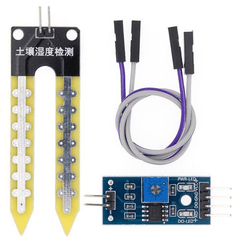
You receive the two-electrode soil probe, the LM393 comparator board and usually two jumper wires to link the probe to the board.
More in Sensors & Modules
Related hardware.
Environment
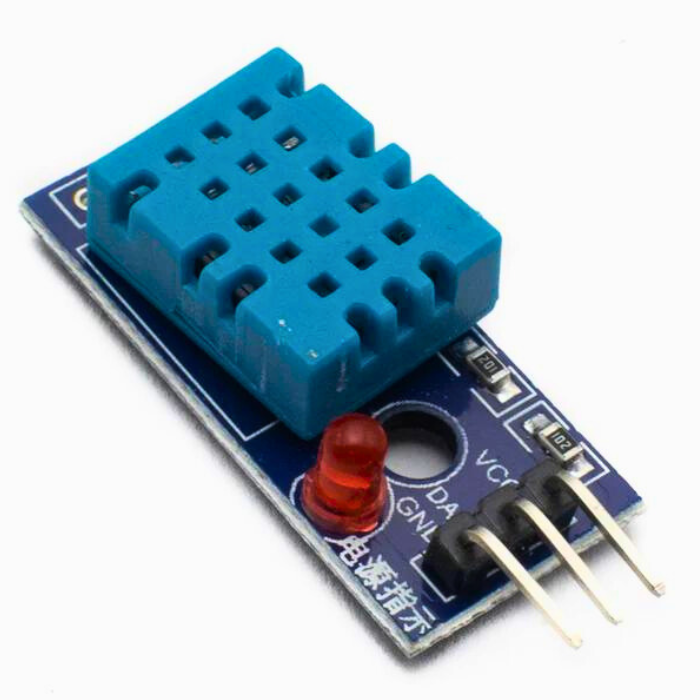
DHT11 Digital Temperature and Humidity Sensor Module
Low-cost single-wire digital temperature (0-50C) and humidity (20-90% RH) sensor, the default beginner Arduino sensor.
₹60 + 18% GST
Environment
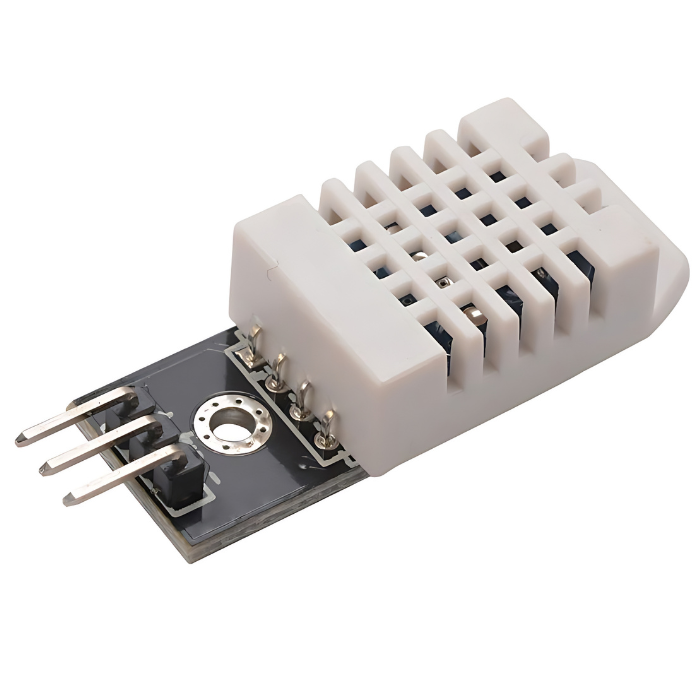
DHT22 / AM2302 Temperature and Humidity Sensor Module
Higher-accuracy digital temperature (-40 to 80C) and humidity (0-100% RH) sensor, upgrade over DHT11.
₹199 + 18% GST
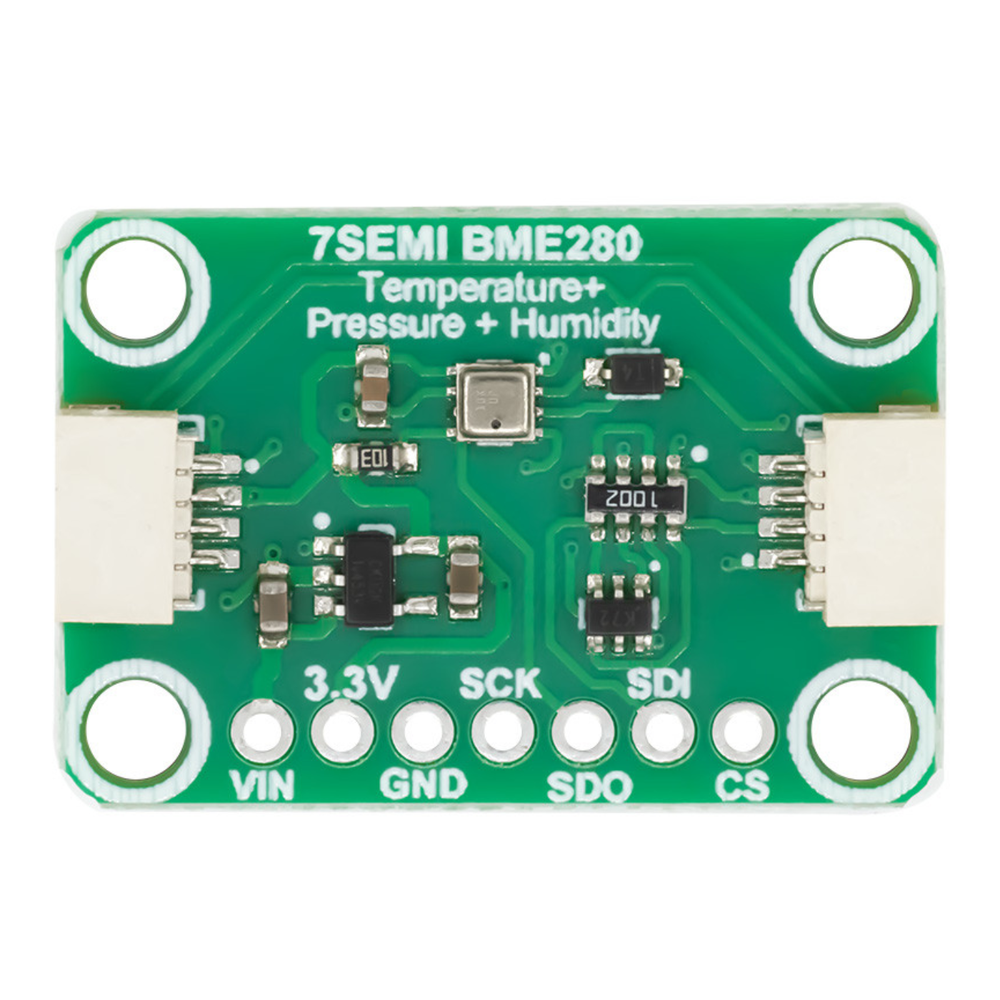
Environment
BME280 Temperature Humidity Barometric Pressure Sensor Module (I2C/SPI)
Bosch 3-in-1 sensor measuring temperature, humidity and barometric pressure over I2C/SPI, popular for weather and altitude projects.
₹190 + 18% GST
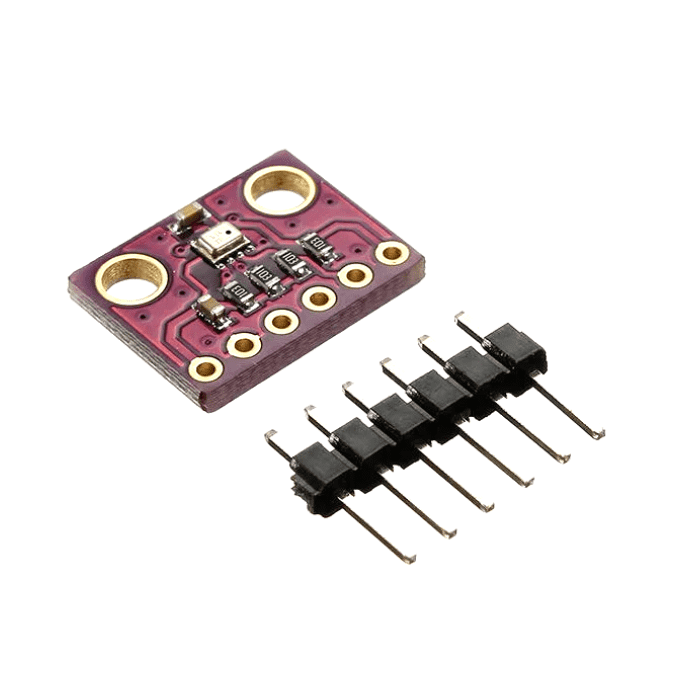
Environment
BMP280 Barometric Pressure and Temperature Sensor Module
Bosch precision barometric pressure and temperature sensor over I2C/SPI, used for altitude and weather sensing.
₹95 + 18% GST
You may also need
Pairs well with.
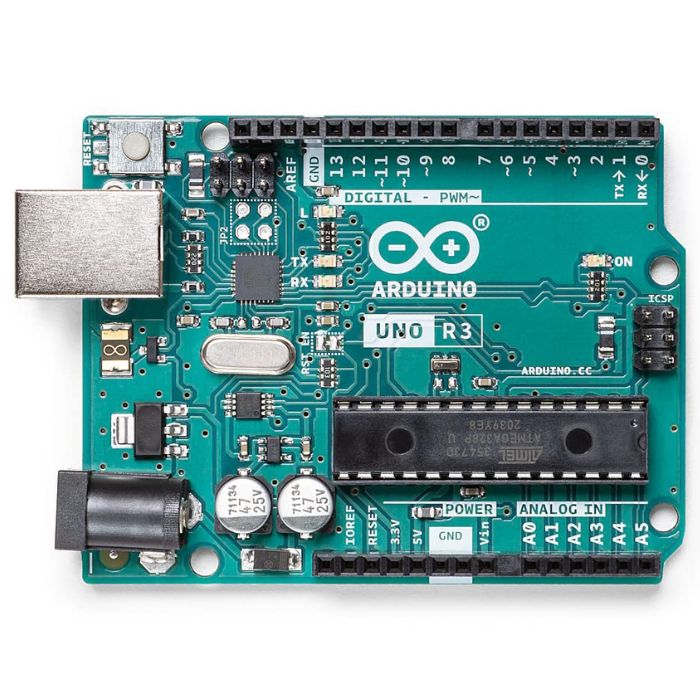
Arduino Boards
Arduino Uno R3
The classic ATmega328P 8-bit microcontroller board, a popular beginner prototyping platform with 14 digital and 6 analog I/O pins.
₹799 + 18% GST
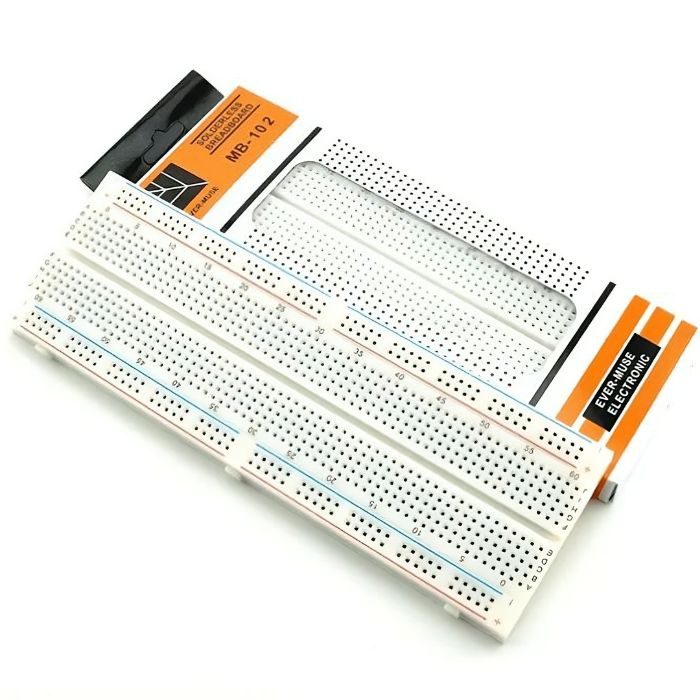
Breadboards Jumpers
MB102 830 Points Solderless Breadboard
Full-size 830 tie-point solderless prototyping breadboard with power rails, accepts 20-29 AWG wire.
₹90 + 18% GST