Single-wire digital output, no external ADC required
In stock
Environment
DHT11 Digital Temperature and Humidity Sensor Module
Low-cost single-wire digital temperature (0-50C) and humidity (20-90% RH) sensor, the default beginner Arduino sensor.
₹60 + 18% GST
SKU: BOTBIT-SEN-01 · Best for: First Arduino/ESP sensor project for students learning digital I/O
Overview
About DHT11 Digital Temperature and Humidity Sensor Module.
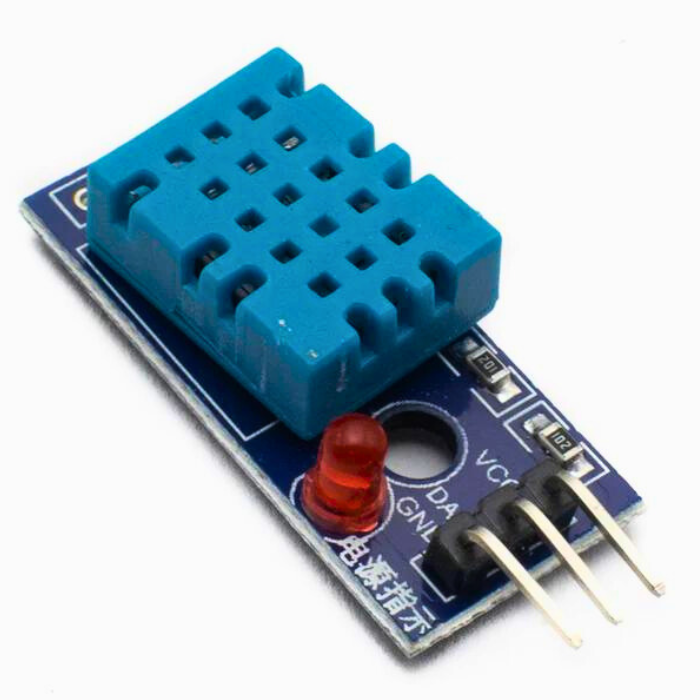
The DHT11 is a low-cost digital temperature and humidity sensor module and is by far the most common first sensor for Arduino and ESP beginners. It combines a capacitive humidity element and a thermistor with a small onboard controller that outputs a calibrated digital signal over a single data wire, so no analog-to-digital conversion is needed.
It is popular because it is cheap, extremely easy to wire (just VCC, GND and DATA), and supported by well-known libraries such as the Adafruit DHT and DHTlib. The module version usually includes a pull-up resistor on the board, so you can connect it directly to a microcontroller with three jumper wires.
For Indian students and hobbyists building their first weather station, greenhouse monitor or IoT dashboard project, the DHT11 is the standard starting point. It trades accuracy and range for price, so it is ideal for learning and indoor projects rather than precision measurement.
Key features
Why it stands out.
Onboard signal-conditioning controller provides a calibrated digital reading
3-pin module (VCC, DATA, GND) with pull-up resistor already fitted on most modules
Wide 3.3V to 5.5V supply range, works with Arduino, ESP8266, ESP32 and Raspberry Pi
Very low power consumption, suitable for battery IoT projects
Supported by popular Arduino libraries (Adafruit DHT, DHTlib) with plenty of tutorials
Specifications
Selection facts.
| Sensor Type | Capacitive humidity + thermistor, digital output |
|---|---|
| Temperature Range | 0 to 50 degC |
| Temperature Accuracy | +/-2 degC |
| Humidity Range | 20 to 90% RH |
| Humidity Accuracy | +/-5% RH |
| Resolution | 1 degC / 1% RH (8-bit) |
| Sampling Rate | 1 Hz (one reading per second) |
| Supply Voltage | 3.3V to 5.5V DC |
| Interface | Single-wire proprietary digital (1 data pin) |
| Pins | 3-pin module: VCC, DATA, GND |
Applications
Where it is used.
- First Arduino/ESP sensor project for students learning digital I/O
- Basic indoor temperature and humidity monitoring
- Simple IoT weather dashboards over Wi-Fi with ESP8266/ESP32
- Greenhouse and grow-box environment logging (hobby scale)
- Room comfort and HVAC learning projects
- Data-logging exercises for coursework and demonstrations
Buying guide
How to choose.
Choose the DHT11 if you are a beginner, on a tight budget, or only need approximate indoor readings for a learning project. Its 0-50C range and +/-2C, +/-5% RH accuracy are fine for demonstrations and comfort monitoring but not for precision or sub-zero use.
If you need better accuracy, a wider range (including negative temperatures) or humidity below 20%, step up to the DHT22/AM2302. For pressure and altitude as well, look at the BME280. Pair the DHT11 with an Arduino Uno, ESP8266 or ESP32, and use the module version (3-pin, blue PCB) so the pull-up resistor is already included.
For serious weather stations or industrial use, this sensor is not the right choice; treat it as a low-cost learning and prototyping part.
FAQ
Common questions.
How do I wire the DHT11 to an Arduino?
The 3-pin module has VCC, DATA and GND. Connect VCC to 5V (or 3.3V), GND to ground, and DATA to any digital pin (commonly D2). The module already includes the pull-up resistor, so no extra components are needed. The bare 4-pin sensor needs a 4.7k-10k pull-up between DATA and VCC.
Which library should I use?
The Adafruit DHT sensor library or DHTlib are the most common. In code you specify the pin and sensor type as DHT11, then call readTemperature() and readHumidity().
Why does it only update once per second?
The DHT11 has a 1 Hz sampling rate, so you should read it no faster than once per second. Reading too quickly returns stale or failed values.
What is the difference between DHT11 and DHT22?
The DHT22 (AM2302) has a wider range (-40 to 80C, 0-100% RH) and much better accuracy (+/-0.5C). The DHT11 is cheaper and adequate for basic indoor learning projects but limited to 0-50C and 20-90% RH.
Is it available in India and what is in the box?
Yes, it is one of the most widely stocked sensors in India. You receive a single DHT11 module (typically the 3-pin blue PCB version with onboard pull-up resistor); jumper wires are usually not included.
More in Sensors & Modules
Related hardware.
Environment
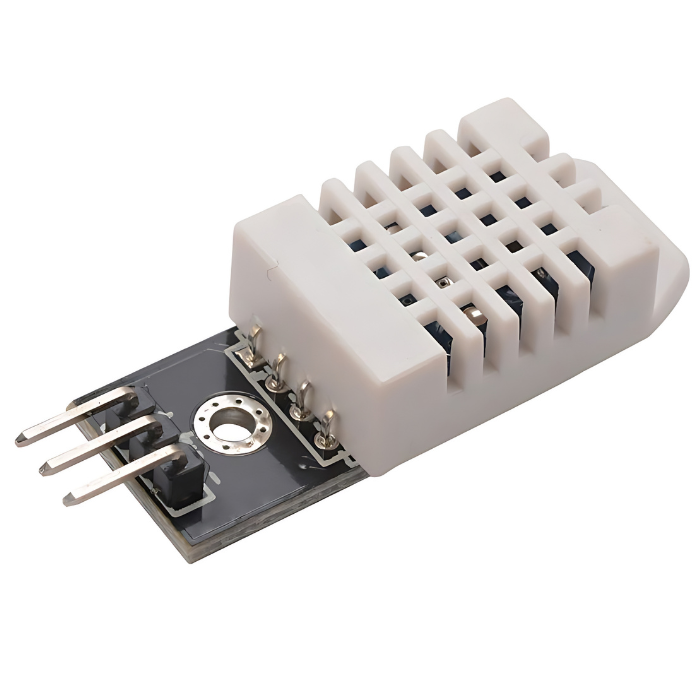
DHT22 / AM2302 Temperature and Humidity Sensor Module
Higher-accuracy digital temperature (-40 to 80C) and humidity (0-100% RH) sensor, upgrade over DHT11.
₹199 + 18% GST
Environment
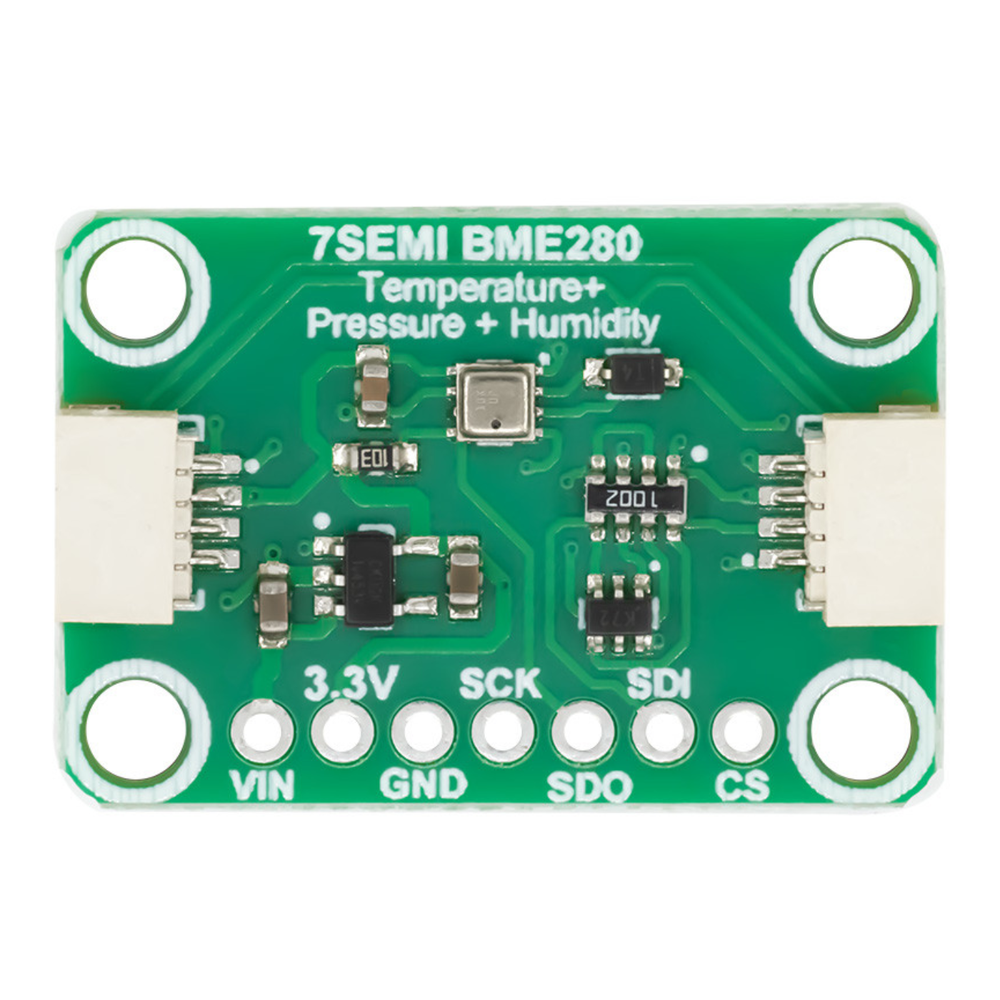
BME280 Temperature Humidity Barometric Pressure Sensor Module (I2C/SPI)
Bosch 3-in-1 sensor measuring temperature, humidity and barometric pressure over I2C/SPI, popular for weather and altitude projects.
₹190 + 18% GST
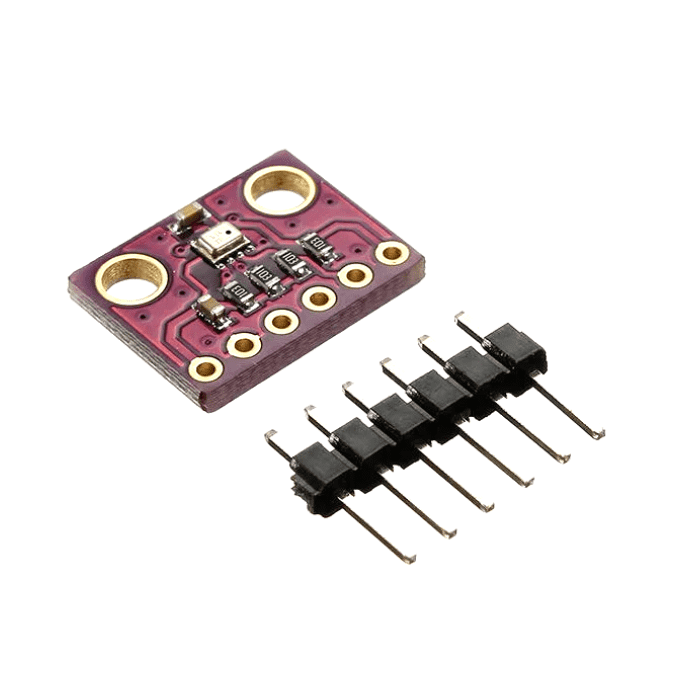
Environment
BMP280 Barometric Pressure and Temperature Sensor Module
Bosch precision barometric pressure and temperature sensor over I2C/SPI, used for altitude and weather sensing.
₹95 + 18% GST
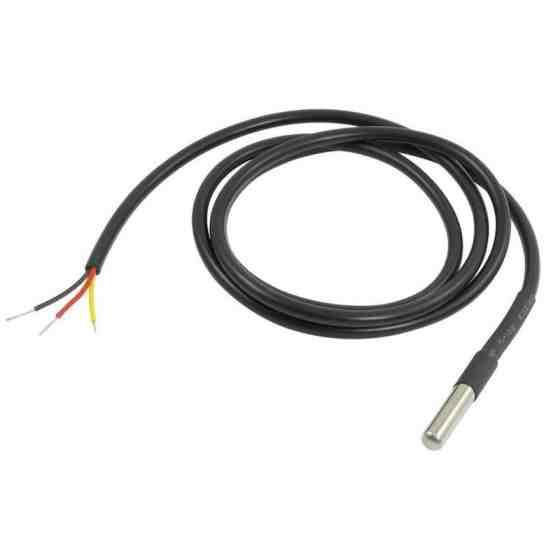
Environment
DS18B20 Waterproof Digital Temperature Sensor Probe (1m)
Waterproof 1-Wire digital temperature probe (-55 to 125C), popular for liquid, soil and aquarium temperature.
₹90 + 18% GST
You may also need
Pairs well with.
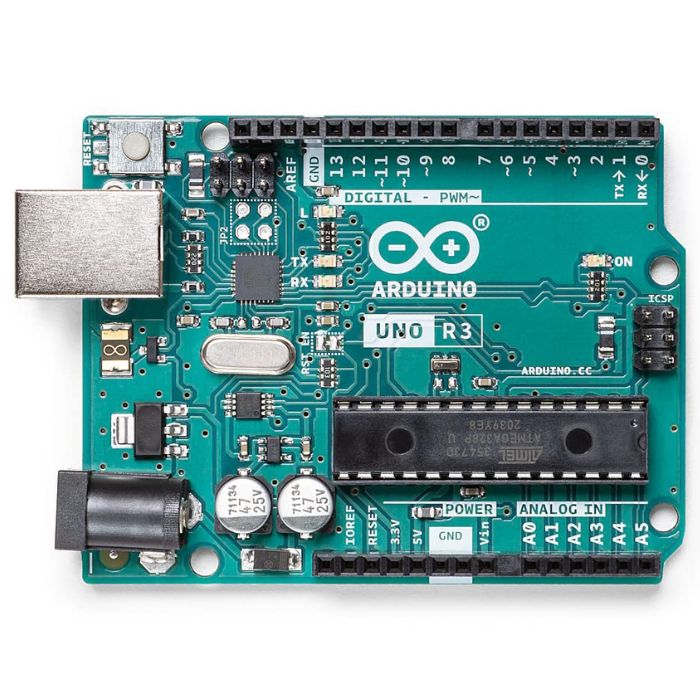
Arduino Boards
Arduino Uno R3
The classic ATmega328P 8-bit microcontroller board, a popular beginner prototyping platform with 14 digital and 6 analog I/O pins.
₹799 + 18% GST
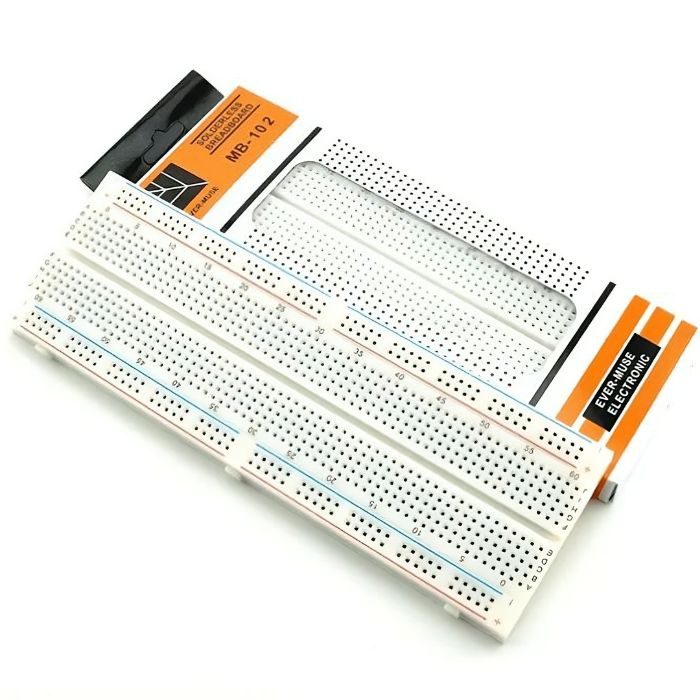
Breadboards Jumpers
MB102 830 Points Solderless Breadboard
Full-size 830 tie-point solderless prototyping breadboard with power rails, accepts 20-29 AWG wire.
₹90 + 18% GST