Passive infrared (pyroelectric) detection of human and animal motion
In stock
Motion Imu
HC-SR501 PIR Motion Sensor Detector Module
Pyroelectric passive infrared sensor detecting human/animal motion up to 7m with adjustable delay and sensitivity.
₹55 + 18% GST
SKU: BOTBIT-SEN-09 · Best for: Motion-activated lights for rooms, staircases and corridors
Overview
About HC-SR501 PIR Motion Sensor Detector Module.
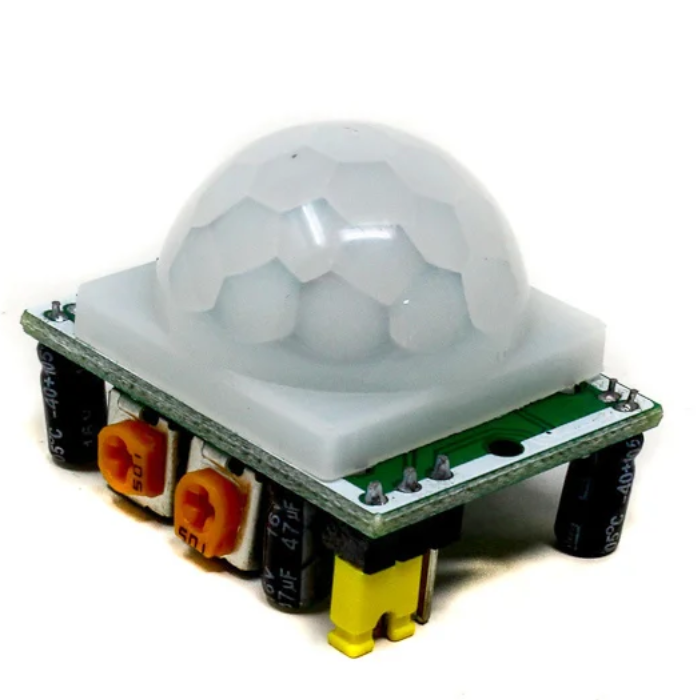
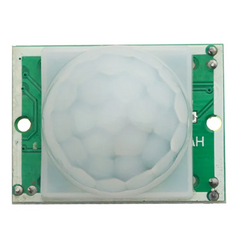
The HC-SR501 is a pyroelectric passive infrared (PIR) motion sensor that detects the infrared heat radiated by moving humans and animals. It does not emit anything; instead it senses changes in infrared across its field of view and outputs a digital HIGH when motion is detected. A Fresnel lens dome widens and shapes its coverage, giving a detection range up to around 7 metres over roughly a 110° cone.
It is the go-to motion sensor for hobby and home-automation projects in India because it is cheap, self-contained and easy to use. Two onboard potentiometers let you set the output-hold time (how long the output stays HIGH after motion) and the sensitivity/range, while a jumper selects retriggerable or non-retriggerable output mode.
The clean 3.3V digital output can be read directly by any microcontroller or even used to drive a transistor or relay for standalone motion-activated lights and alarms without any code at all.
Key features
Why it stands out.
Detection range adjustable up to about 7 metres over a ~110° cone
Two potentiometers to set output time delay and detection sensitivity/range
Jumper-selectable retriggerable (H) and non-retriggerable (L) trigger modes
3.3V digital output pin that interfaces directly with any microcontroller
Wide 4.5V-20V supply input with onboard regulator for flexible powering
Specifications
Selection facts.
| Sensor type | Passive infrared (pyroelectric) motion detector |
|---|---|
| Operating voltage | 4.5 V to 20 V DC |
| Output signal | Digital, 3.3 V HIGH on motion / 0 V idle |
| Detection range | Approx. 3 m to 7 m (adjustable) |
| Detection angle | Up to ~110° |
| Time delay | Adjustable, approx. 5 s to 300 s |
| Block (lockout) time | Approx. 2.5 s |
| Trigger modes | Retriggerable (H) / non-retriggerable (L) via jumper |
| Quiescent current | < 50 µA (typical) |
Applications
Where it is used.
- Motion-activated lights for rooms, staircases and corridors
- Home and DIY security/intruder alarm systems
- Automatic doors and appliance wake-up on approach
- Occupancy detection for energy-saving automation
- Triggering cameras or recorders on movement
- IoT presence sensing for smart-home dashboards
Buying guide
How to choose.
Choose the HC-SR501 for detecting whether a person or animal is moving in an area up to about 7 metres away. It is ideal for motion lights, alarms and presence-based automation. If you need to detect a very still person (breathing-level movement) or measure exact distance, a PIR is not the right tool; consider a microwave/mmWave presence sensor or a ToF sensor instead.
It pairs with any microcontroller (Arduino, ESP32, ESP8266, Raspberry Pi) via a single digital input, or it can directly switch a small load through a transistor for a codeless motion light. Set the left-hand delay pot for how long the output stays on and the sensitivity pot for range, and pick retriggerable mode (H jumper) if you want the timer to keep resetting while motion continues.
Allow the sensor 30-60 seconds to stabilise after power-up, and avoid pointing it at moving heat sources such as fans, AC vents or direct sunlight, which can cause false triggers.
FAQ
Common questions.
How do I wire it to an Arduino or ESP32?
Three pins: VCC to 5V, GND to GND, and OUT to any digital input. Read it with digitalRead(); it goes HIGH when motion is detected. The output is 3.3V so it is safe for both 5V and 3.3V boards.
Does it need a library?
No. The output is a simple digital HIGH/LOW, so digitalRead() is all you need. No library or analog pin is required.
What do the two potentiometers do?
One sets the time delay (how many seconds the output stays HIGH after motion, roughly 5s to 300s) and the other sets sensitivity, which effectively adjusts the detection range up to about 7 metres.
What is the difference between the H and L jumper settings?
H is retriggerable: the output stays HIGH and the timer keeps resetting as long as motion continues. L is non-retriggerable: the output goes HIGH for the set delay then LOW, regardless of continued motion.
Why does it false-trigger sometimes?
PIR sensors respond to any infrared change, so drafts, AC vents, fans, sudden temperature swings or sunlight can trigger them. Give it about a minute to warm up after power-on and keep it away from heat sources.
What is in the box?
You receive one HC-SR501 PIR module with the white Fresnel lens dome, both adjustment potentiometers and the mode jumper fitted.
More in Sensors & Modules
Related hardware.
Motion Imu
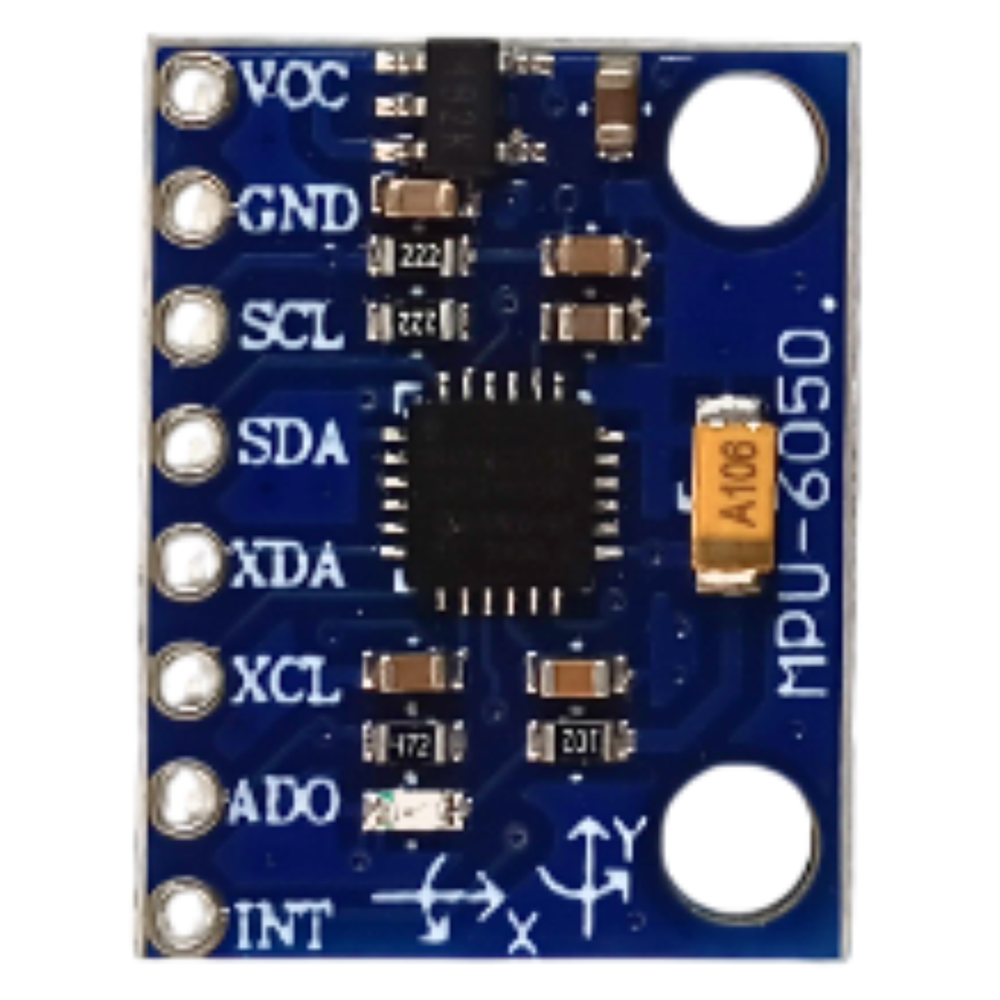
MPU6050 3-Axis Gyroscope and Accelerometer Module (GY-521)
6-DOF MEMS IMU combining 3-axis gyroscope and 3-axis accelerometer over I2C, the standard hobby IMU.
₹130 + 18% GST
Environment
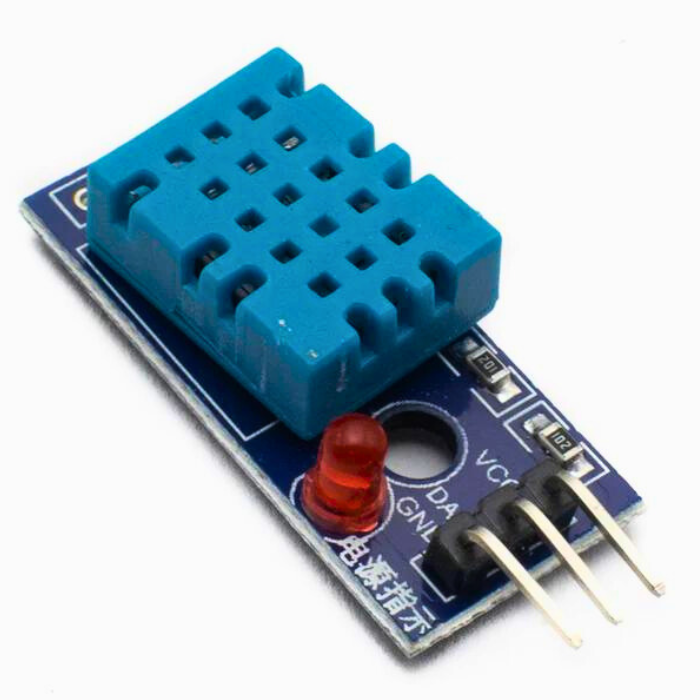
DHT11 Digital Temperature and Humidity Sensor Module
Low-cost single-wire digital temperature (0-50C) and humidity (20-90% RH) sensor, the default beginner Arduino sensor.
₹60 + 18% GST
Environment
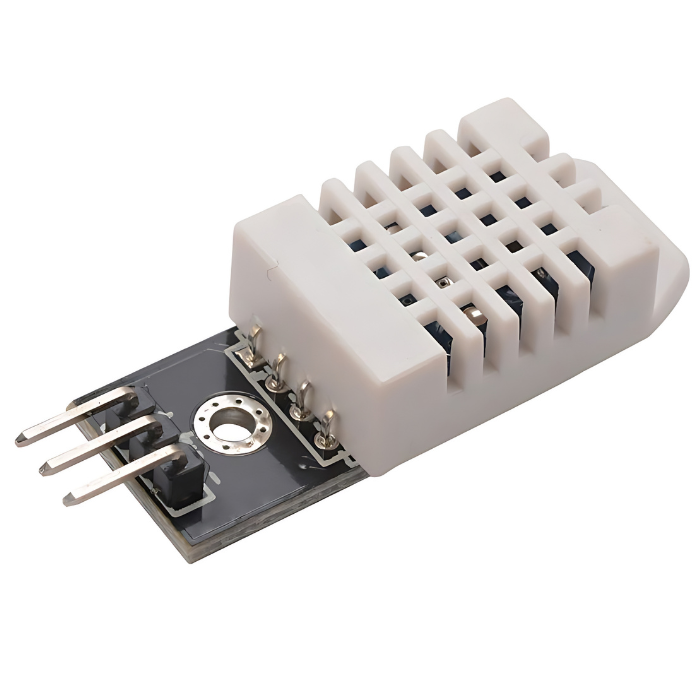
DHT22 / AM2302 Temperature and Humidity Sensor Module
Higher-accuracy digital temperature (-40 to 80C) and humidity (0-100% RH) sensor, upgrade over DHT11.
₹199 + 18% GST
Environment
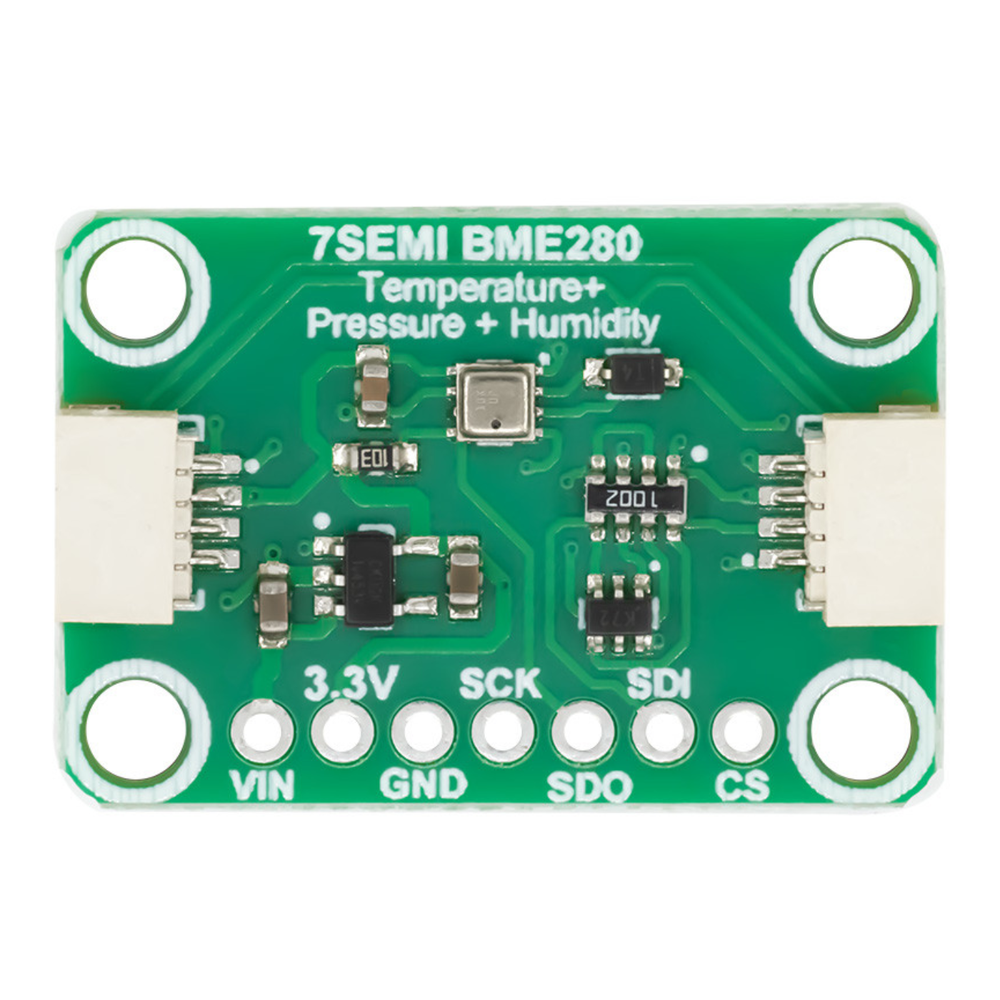
BME280 Temperature Humidity Barometric Pressure Sensor Module (I2C/SPI)
Bosch 3-in-1 sensor measuring temperature, humidity and barometric pressure over I2C/SPI, popular for weather and altitude projects.
₹190 + 18% GST
You may also need
Pairs well with.
Arduino Boards
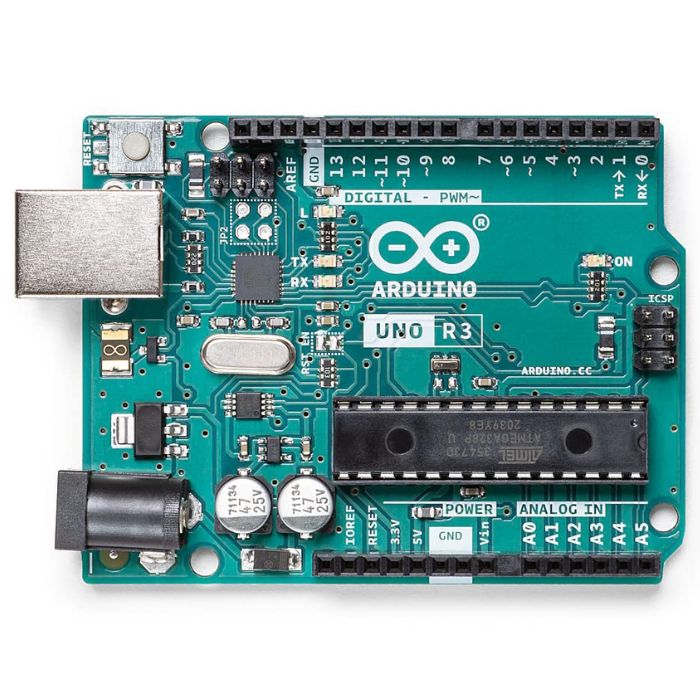
Arduino Uno R3
The classic ATmega328P 8-bit microcontroller board, a popular beginner prototyping platform with 14 digital and 6 analog I/O pins.
₹799 + 18% GST
Breadboards Jumpers
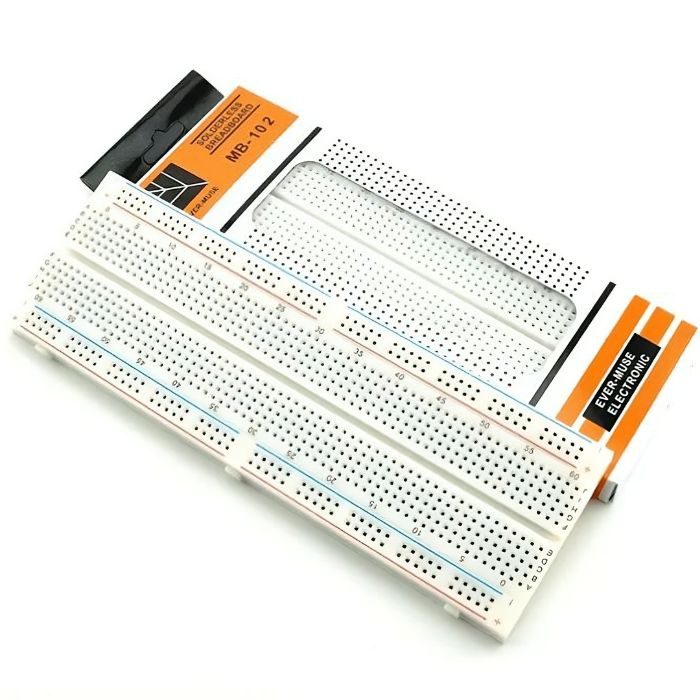
MB102 830 Points Solderless Breadboard
Full-size 830 tie-point solderless prototyping breadboard with power rails, accepts 20-29 AWG wire.
₹90 + 18% GST