6 degrees of freedom: 3-axis gyroscope plus 3-axis accelerometer in one chip
In stock
Motion Imu
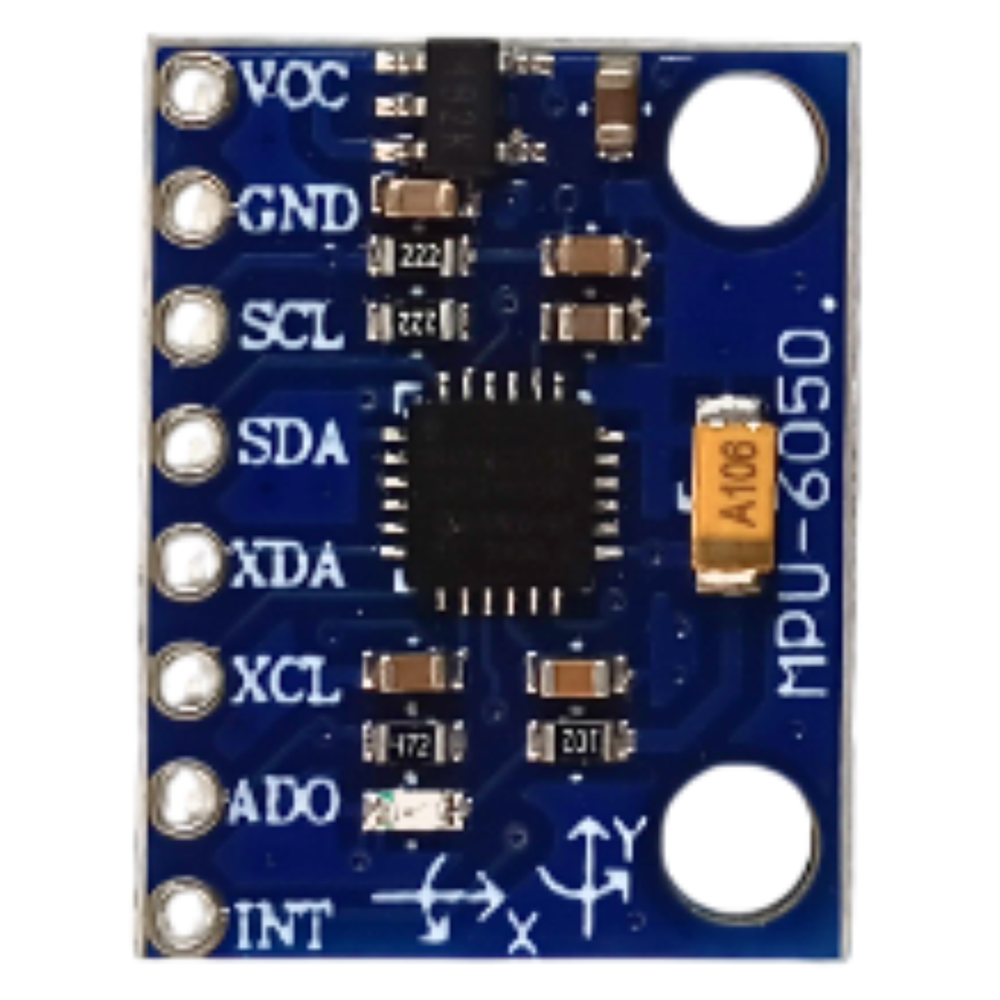
MPU6050 3-Axis Gyroscope and Accelerometer Module (GY-521)
6-DOF MEMS IMU combining 3-axis gyroscope and 3-axis accelerometer over I2C, the standard hobby IMU.
₹130 + 18% GST
SKU: BOTBIT-SEN-05 · Best for: Quadcopter and multirotor flight controllers for stabilisation
Overview
About MPU6050 3-Axis Gyroscope and Accelerometer Module (GY-521).
The MPU6050, sold on the popular GY-521 breakout, is a 6-DOF MEMS inertial measurement unit that combines a 3-axis gyroscope and a 3-axis accelerometer in one chip, communicating over I2C. It is the standard hobby IMU and appears in the majority of DIY quadcopters, self-balancing robots and motion-tracking projects.
The chip integrates a Digital Motion Processor (DMP) that can fuse the raw gyro and accelerometer data on-chip, offloading orientation math from your microcontroller. It also has a built-in temperature sensor and a configurable full-scale range for both sensors, so it adapts to slow tilt sensing or fast, high-g motion.
For Indian makers and robotics students, the GY-521 MPU6050 is the default first IMU because it is cheap, tiny, extremely well documented and supported by many libraries. It is the natural starting point before moving to 9-DOF units like the MPU9250 or higher-grade IMUs.
Key features
Why it stands out.
On-chip Digital Motion Processor (DMP) for hardware sensor fusion
I2C interface with selectable address, easy 4-wire connection
Programmable gyro (+/-250 to +/-2000 dps) and accelerometer (+/-2 to +/-16g) ranges
Built-in temperature sensor and 16-bit ADCs for each axis
Interrupt pin and FIFO buffer, well supported by Arduino/ESP libraries
Specifications
Selection facts.
| Sensor Type | 6-DOF MEMS IMU (gyroscope + accelerometer) |
|---|---|
| Manufacturer | InvenSense (TDK) MPU-6050 |
| Gyroscope Range | +/-250, +/-500, +/-1000, +/-2000 dps (selectable) |
| Accelerometer Range | +/-2g, +/-4g, +/-8g, +/-16g (selectable) |
| ADC Resolution | 16-bit per axis |
| Interface | I2C, up to 400 kHz |
| I2C Address | 0x68 (default) or 0x69 (AD0 high) |
| Supply Voltage | GY-521 module 3.3V-5V (onboard regulator); chip 2.375V-3.46V |
| Extra | On-chip DMP, temperature sensor, FIFO, interrupt output |
| Auxiliary Bus | I2C master for external magnetometer (for 9-DOF setups) |
Applications
Where it is used.
- Quadcopter and multirotor flight controllers for stabilisation
- Self-balancing robots and inverted-pendulum projects
- Gesture, tilt and motion detection
- Wearable motion tracking and step/activity sensing
- Camera gimbals and stabilisation platforms
- Robotics orientation sensing and IMU learning projects
Buying guide
How to choose.
Buy the MPU6050/GY-521 as your first IMU if you are building a drone, a self-balancing robot, a gimbal, or any project that needs orientation, tilt or motion sensing. It is cheap, tiny, and has more tutorials and library support than almost any other IMU.
If your project needs a heading/compass, choose a 9-DOF unit such as the MPU9250 (adds a magnetometer) instead, because the MPU6050 alone cannot give absolute yaw without drift. Use the GY-521 module version so the onboard regulator lets you power it from 3.3V or 5V; connect it over I2C and use the common MPU6050 or I2Cdevlib libraries.
Pair it with an Arduino, ESP32 or Raspberry Pi. For flight controllers, the DMP and interrupt pin help offload sensor-fusion math from the main processor.
FAQ
Common questions.
What does 6-DOF mean here?
It means 6 degrees of freedom: three axes of gyroscope (rotation rate) plus three axes of accelerometer (linear acceleration). It does not include a magnetometer, so it cannot measure absolute compass heading on its own.
How do I wire and address it?
It is an I2C device. Connect VCC, GND, SDA and SCL. The default address is 0x68; pulling the AD0 pin high changes it to 0x69, letting you run two MPU6050s on one bus.
Which library should I use?
Common choices are the Jeff Rowberg MPU6050/I2Cdevlib library (which supports the on-chip DMP) and the Adafruit MPU6050 library. Both provide raw and fused readings with example sketches.
Can I get yaw/heading from it?
You can get yaw from the gyroscope, but it will drift over time because there is no magnetometer for an absolute reference. For stable heading, use a 9-DOF sensor like the MPU9250 or add a separate magnetometer.
Is it available in India and what is in the box?
Yes, the GY-521 MPU6050 is one of the most widely stocked IMUs in India. You receive a single GY-521 breakout board; the header pins are often supplied unsoldered, and jumper wires are usually separate.
More in Sensors & Modules
Related hardware.
Motion Imu
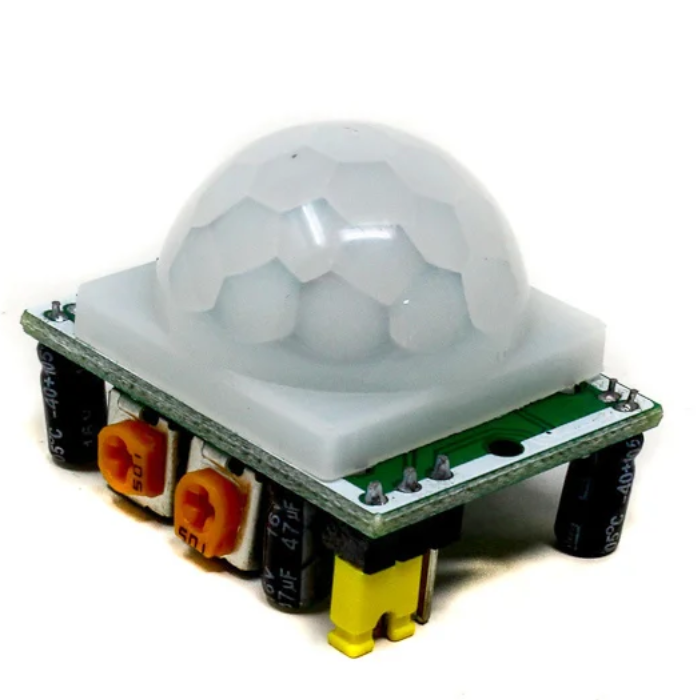
HC-SR501 PIR Motion Sensor Detector Module
Pyroelectric passive infrared sensor detecting human/animal motion up to 7m with adjustable delay and sensitivity.
₹55 + 18% GST
Environment
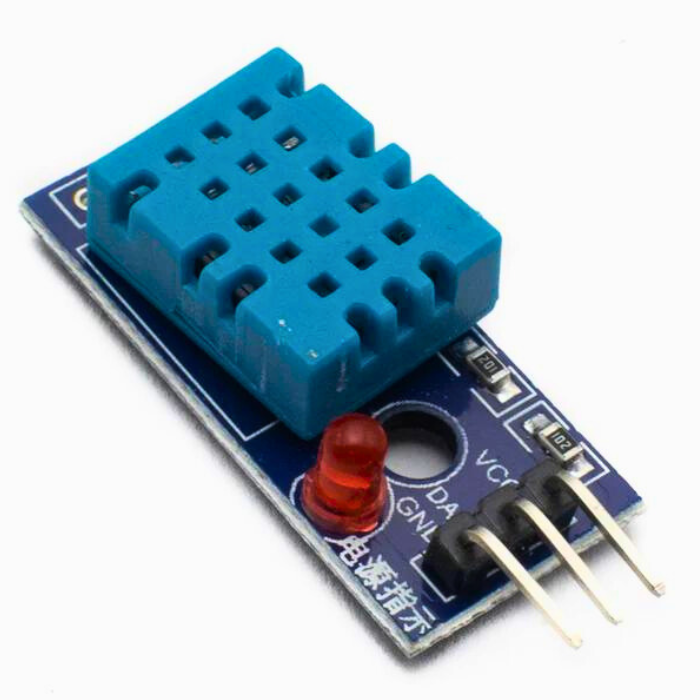
DHT11 Digital Temperature and Humidity Sensor Module
Low-cost single-wire digital temperature (0-50C) and humidity (20-90% RH) sensor, the default beginner Arduino sensor.
₹60 + 18% GST
Environment
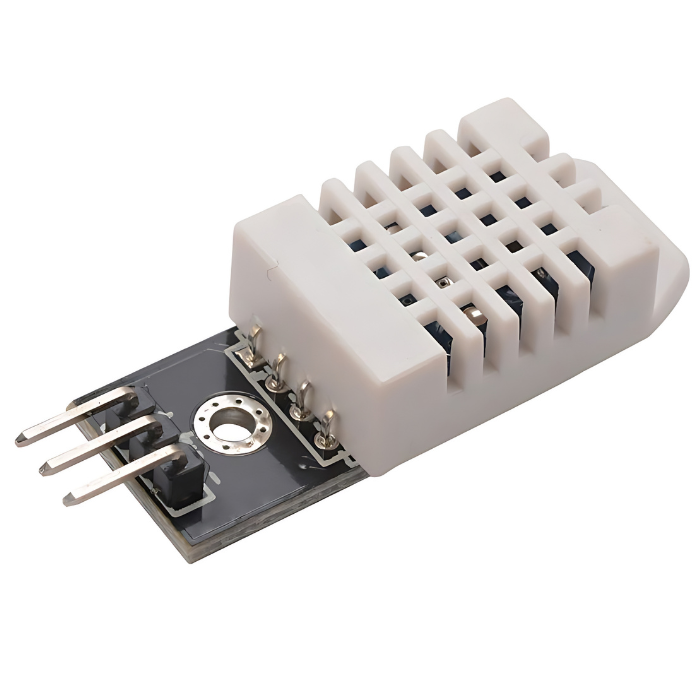
DHT22 / AM2302 Temperature and Humidity Sensor Module
Higher-accuracy digital temperature (-40 to 80C) and humidity (0-100% RH) sensor, upgrade over DHT11.
₹199 + 18% GST
Environment
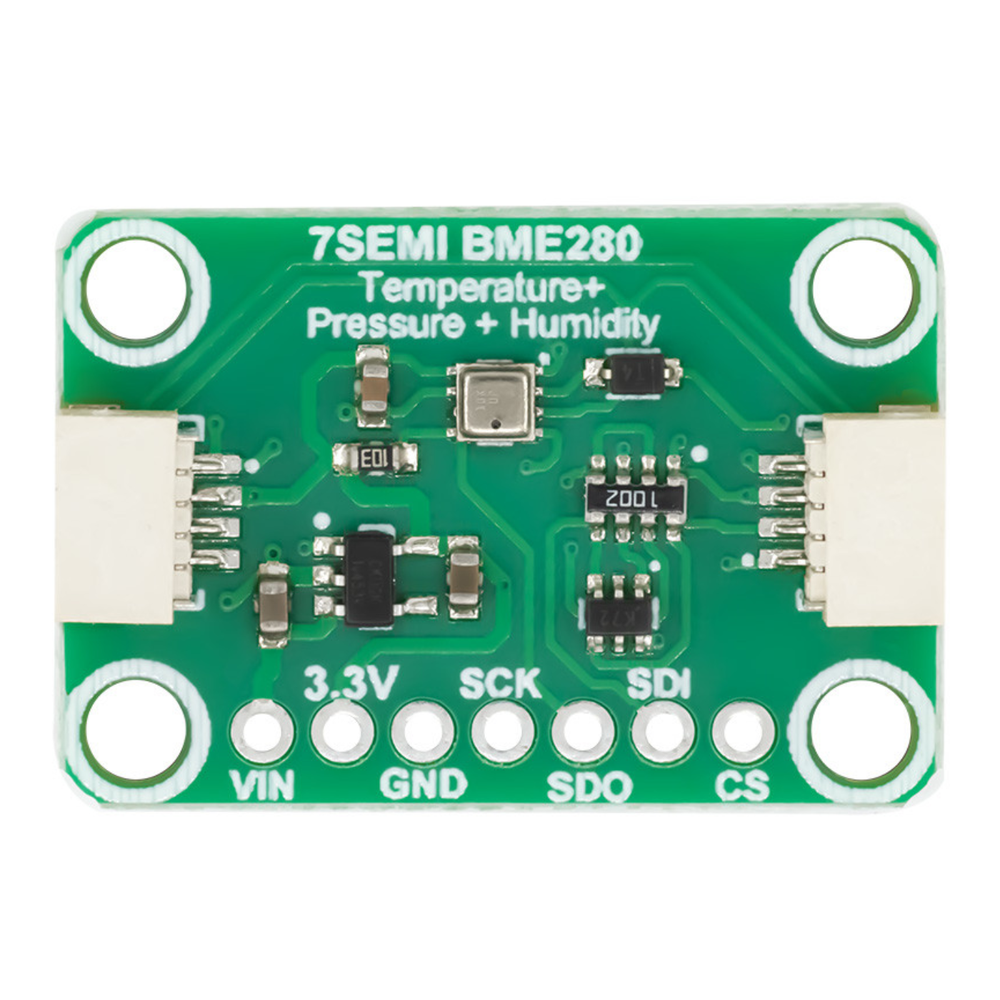
BME280 Temperature Humidity Barometric Pressure Sensor Module (I2C/SPI)
Bosch 3-in-1 sensor measuring temperature, humidity and barometric pressure over I2C/SPI, popular for weather and altitude projects.
₹190 + 18% GST
You may also need
Pairs well with.
Arduino Boards
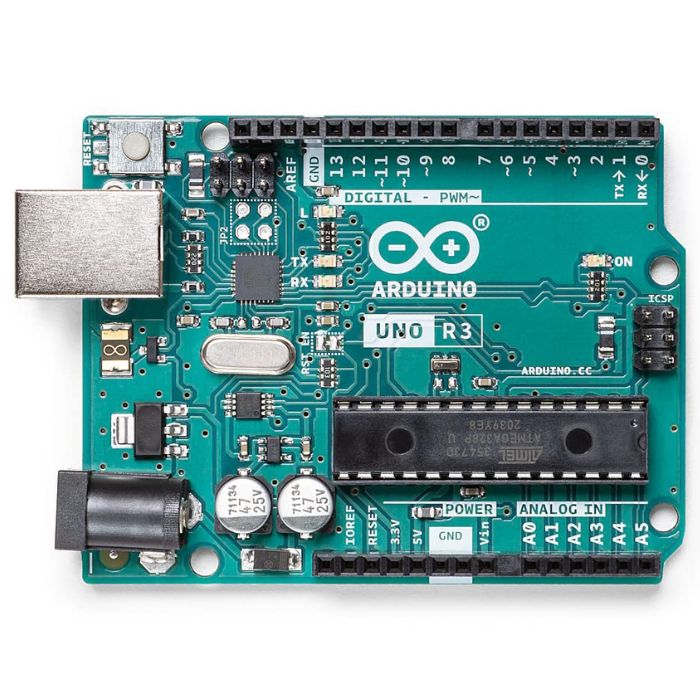
Arduino Uno R3
The classic ATmega328P 8-bit microcontroller board, a popular beginner prototyping platform with 14 digital and 6 analog I/O pins.
₹799 + 18% GST
Breadboards Jumpers
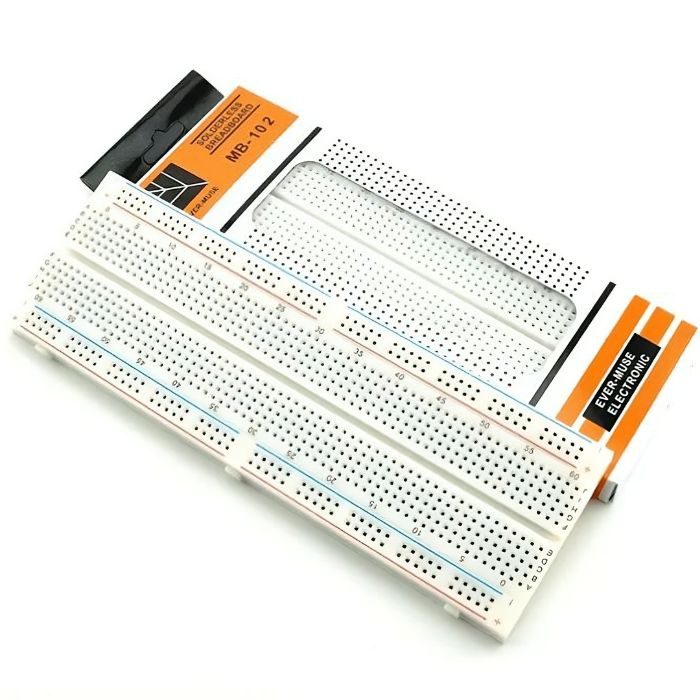
MB102 830 Points Solderless Breadboard
Full-size 830 tie-point solderless prototyping breadboard with power rails, accepts 20-29 AWG wire.
₹90 + 18% GST