SIMCom SIM900A dual-band GSM/GPRS (900/1800 MHz) engine
In stock
Gsm Cellular
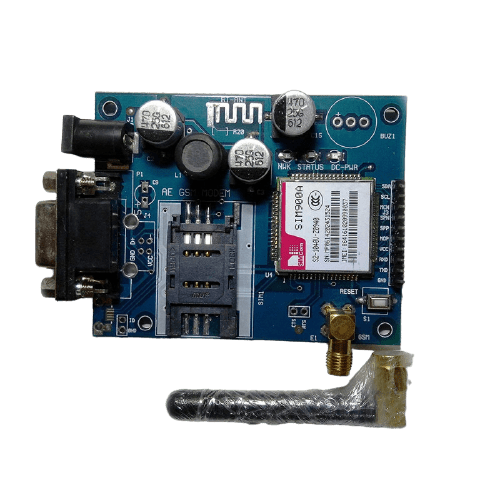
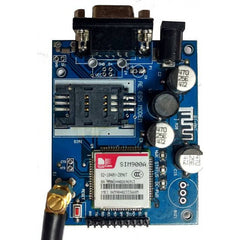
SIM900A GSM/GPRS Module with RS232 and SMA Antenna
Dual-band GSM/GPRS modem board with RS232 interface and SMA antenna for reliable SMS/GPRS in industrial and metering projects.
₹900 + 18% GST
SKU: BOTBIT-IOT-10 · Best for: Automatic meter reading (AMR) and utility metering data over GPRS
Overview
About SIM900A GSM/GPRS Module with RS232 and SMA Antenna.
The SIM900A is a dual-band GSM/GPRS modem board built on the SIMCom SIM900A cellular engine, presented here with an RS232 (DB9) interface and an SMA antenna connector. It provides SMS, voice and GPRS data through AT commands, and the RS232 port lets you talk to it directly from a PC's serial port or from industrial controllers, making it a rugged choice for metering and machine-to-machine projects.
It has been a workhorse in the Indian embedded market for years. Because it exposes an RS232 header, a TTL header, an SMA antenna and often a proper power jack, it is easier to integrate into industrial cabinets and prototype benches than the tiny SIM800L. The SIM900A is a dual-band variant (900/1800 MHz) intended primarily for the Asian/Indian GSM bands.
Like all 2G modules it depends on a working GSM 900/1800 network, and it needs a clean regulated supply that can handle transmit current bursts. With an SMA antenna it holds a solid link, and the RS232 path is handy for quickly testing AT commands from a terminal before wiring it to a microcontroller.
Key features
Why it stands out.
RS232 (DB9) interface for direct PC or industrial controller connection
SMA antenna connector for a robust external antenna
TTL UART header also available for microcontroller use
Full AT command set for SMS, voice calls and GPRS data
On-board SIM holder and power regulation for easier integration
Specifications
Selection facts.
| Module | SIMCom SIM900A |
|---|---|
| Network | Dual-band GSM/GPRS 900/1800 MHz |
| GPRS class | Multi-slot class 10 |
| Interfaces | RS232 (DB9) and TTL UART |
| Antenna | SMA connector (external antenna) |
| Supply voltage | 5 V (board), typ. 5-12 V DC input on regulated boards |
| Peak current | Up to ~2 A during transmit burst |
| SIM type | Standard/mini SIM holder on board |
| Default baud rate | Auto-baud, commonly 9600/115200 |
| Control | AT command set |
Applications
Where it is used.
- Automatic meter reading (AMR) and utility metering data over GPRS
- Industrial machine-to-machine (M2M) SMS/data links
- GSM-based remote monitoring and control panels
- SMS alert systems for alarms, pumps and gates
- PC-driven GSM testing and bulk SMS prototypes via RS232
- Vehicle and asset tracking prototypes with a GPS module
Buying guide
How to choose.
Choose the SIM900A board when you want RS232 connectivity and easier integration into industrial or metering setups, or when you like to test AT commands straight from a PC serial port. It is a dual-band (900/1800 MHz) part aimed at Indian/Asian networks, so it suits local 2G SIMs.
Give it a clean regulated supply rated for the transmit current bursts (up to ~2A). Many SIM900A boards accept a 5-12V DC jack and regulate on board; check your board's marked input range before powering. Fit the SMA antenna for reliable registration.
Pair it with a PC (via a USB-to-RS232 or straight COM port) or with a microcontroller through the TTL header. For automated firmware, drive it with AT commands or a GSM library. Confirm live 2G coverage on your operator before committing to this over a newer 4G module.
FAQ
Common questions.
What is the difference between the RS232 and TTL connection?
RS232 uses ±12V-style signalling on a DB9 connector for direct PC/industrial-controller use, while the TTL header uses logic-level UART for microcontrollers. Use RS232 to a PC COM port for quick AT testing and TTL to an Arduino/ESP32 in the final build (match logic levels).
Is the SIM900A single-band or dual-band?
It is dual-band, operating on GSM 900/1800 MHz, which are the common bands in India. This is different from the quad-band SIM800L.
How do I power the board correctly?
Use the board's regulated DC input (commonly a 5-12V jack, check your board's label) with a supply that can handle ~2A peaks during transmission. Under-powering it causes resets and failed network registration.
Does it work with a normal Indian prepaid SIM?
Yes, insert an activated SIM with an active 2G/GPRS plan into the on-board holder. It relies on live GSM 900/1800 coverage from your operator, so verify 2G availability in your area.
Which AT commands or library do I need?
Standard SIMCom AT commands cover SMS (AT+CMGF, AT+CMGS), calls (ATD) and GPRS (AT+CGATT, AT+CIPSTART). Libraries like TinyGSM also support the SIM900 family for higher-level SMS/TCP work.
What comes with it?
Typically the SIM900A modem board with RS232/DB9 and TTL headers, on-board SIM holder and an SMA antenna. A SIM card and DC power adapter are usually not included.
More in IoT & Wireless
Related hardware.
Gsm Cellular
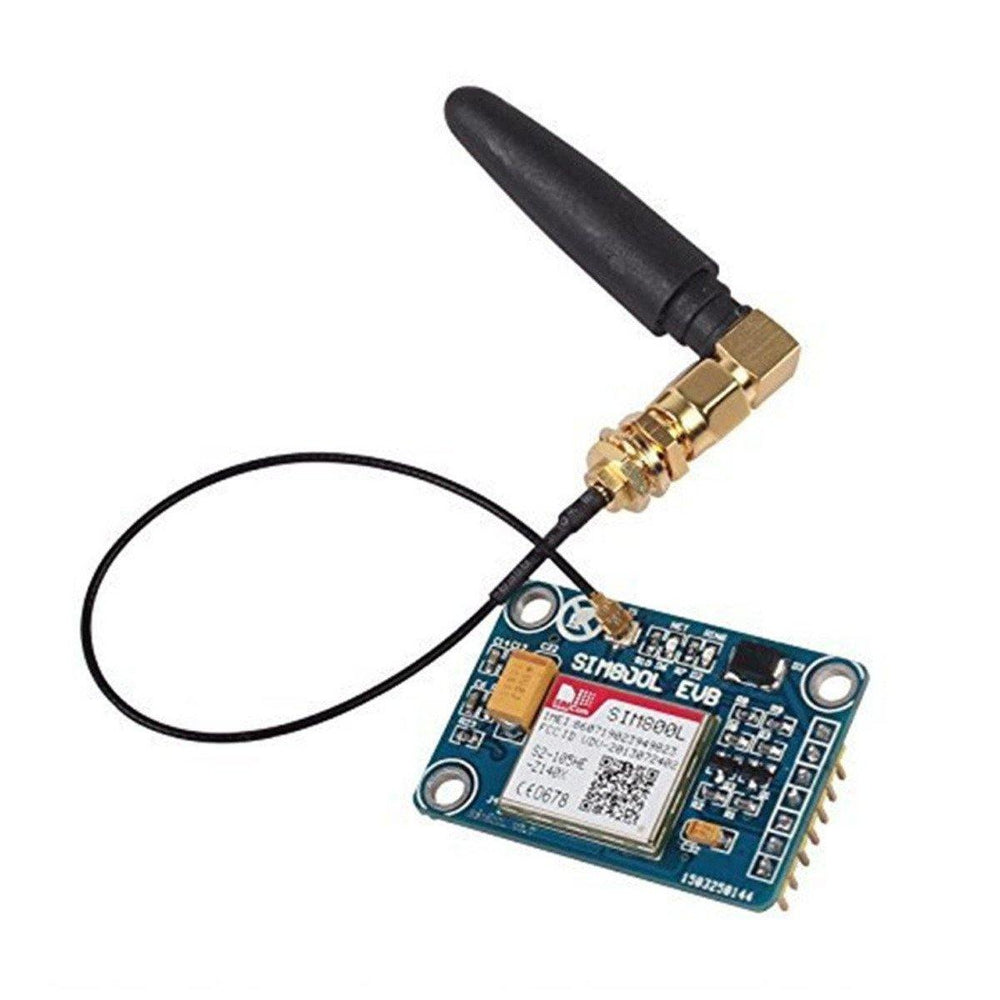
SIM800L V2 GSM/GPRS Module with Antenna
Compact quad-band 2G GSM/GPRS module with micro-SIM and TTL serial for SMS, calls and cellular data in remote IoT devices.
₹484 + 18% GST
Camera Modules
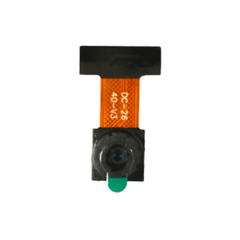
ESP32-CAM Development Board with OV2640 Camera
ESP32-based WiFi+Bluetooth board with 2MP OV2640 camera and microSD slot for low-cost video/image capture and IoT vision projects.
₹450 + 18% GST
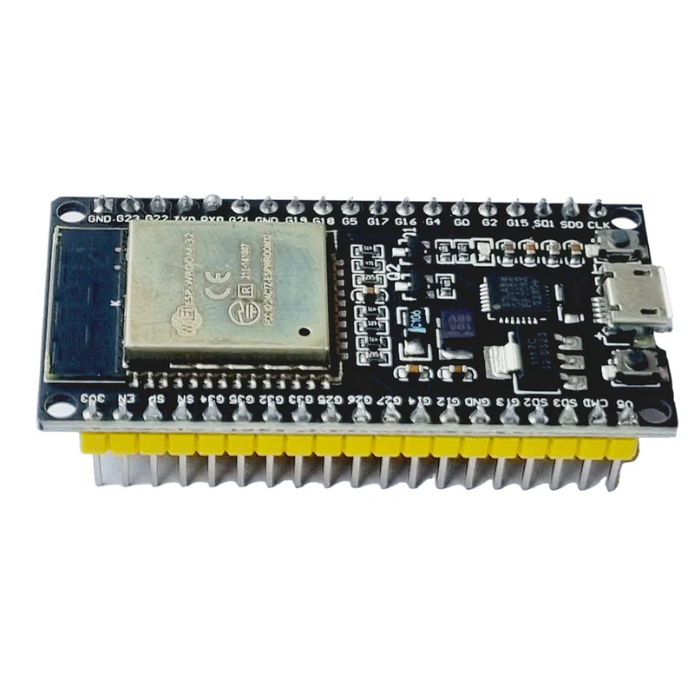
Wifi Ble
ESP32 WROOM-32 38-Pin Development Board (DevKit V1)
Dual-core ESP32-WROOM-32 board with WiFi and Bluetooth, 38 pins and USB-UART; the workhorse MCU for most Indian IoT projects.
₹320 + 18% GST
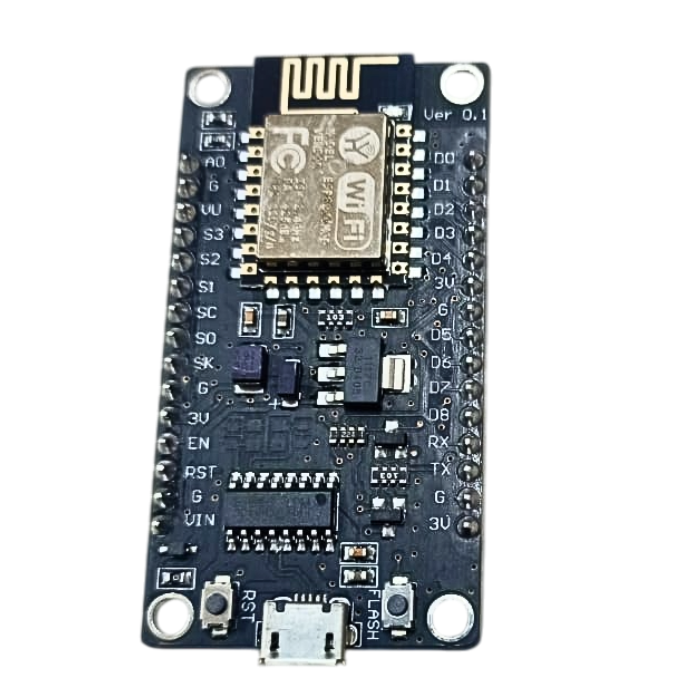
Wifi Ble
NodeMCU ESP8266 WiFi Development Board (V3 Lolin CH340)
Low-cost ESP8266 WiFi board with CH340 USB, breadboard-friendly; extremely popular entry point for WiFi-connected sensor projects.
₹180 + 18% GST
You may also need
Pairs well with.
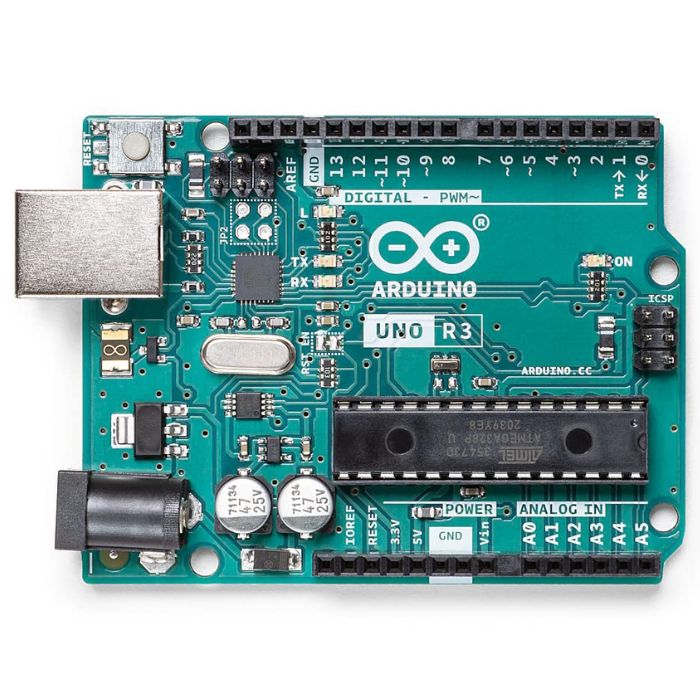
Arduino Boards
Arduino Uno R3
The classic ATmega328P 8-bit microcontroller board, a popular beginner prototyping platform with 14 digital and 6 analog I/O pins.
₹799 + 18% GST
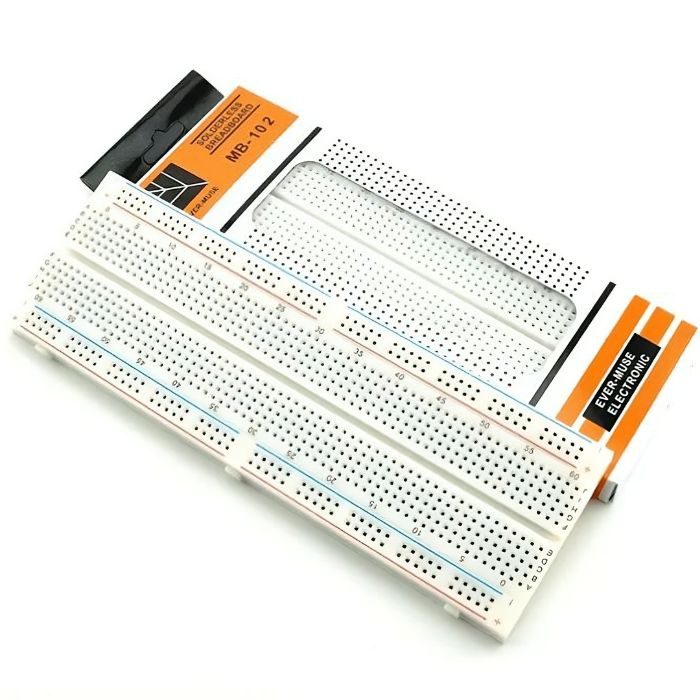
Breadboards Jumpers
MB102 830 Points Solderless Breadboard
Full-size 830 tie-point solderless prototyping breadboard with power rails, accepts 20-29 AWG wire.
₹90 + 18% GST