Dual-core Xtensa LX6 CPU running up to 240MHz for demanding IoT workloads
In stock
Wifi Ble
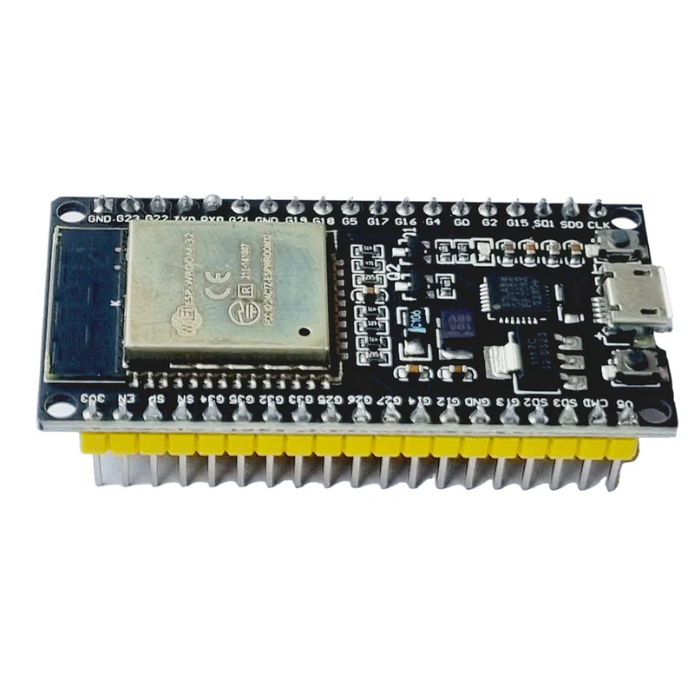
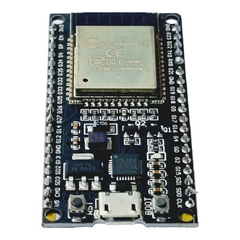
ESP32 WROOM-32 38-Pin Development Board (DevKit V1)
Dual-core ESP32-WROOM-32 board with WiFi and Bluetooth, 38 pins and USB-UART; the workhorse MCU for most Indian IoT projects.
₹320 + 18% GST
SKU: BOTBIT-IOT-02 · Best for: WiFi-connected sensor nodes and MQTT publishers
Overview
About ESP32 WROOM-32 38-Pin Development Board (DevKit V1).
The ESP32 WROOM-32 DevKit V1 (38-pin) is the single most widely used microcontroller board in the Indian IoT scene. Built around Espressif's dual-core ESP32-WROOM-32 module, it combines 2.4GHz WiFi and Bluetooth Classic/BLE with a generous set of GPIOs, ADC, DAC, touch and PWM channels, all on a breadboard-friendly board with an onboard USB-UART bridge.
At around Rs 320 it hits the sweet spot for hobbyists and professionals alike: enough horsepower for web servers, MQTT, OTA updates and real-time sensor handling, plus first-class support in the Arduino IDE, ESP-IDF, MicroPython and PlatformIO. Its dual cores let you run networking on one core while your control loop runs on the other.
The 38-pin variant exposes more pins than the 30-pin version, giving you access to additional GPIOs. It is the board most Indian tutorials, college projects and product prototypes are written for, so libraries and community help are abundant.
Key features
Why it stands out.
Integrated 2.4GHz WiFi (802.11 b/g/n) plus Bluetooth Classic and BLE
Onboard USB-to-UART bridge (CP2102 or CH340) with auto-program, no manual reset needed
38 pins broken out, exposing more GPIO than the 30-pin board variant
Rich peripherals: ADC, DAC, capacitive touch, SPI, I2C, I2S, UART and PWM
Supports OTA firmware updates and deep-sleep modes down to microamps
Specifications
Selection facts.
| Module | ESP32-WROOM-32 |
|---|---|
| CPU | Dual-core Xtensa LX6, up to 240MHz |
| Wireless | WiFi 802.11 b/g/n 2.4GHz + Bluetooth 4.2 Classic/BLE |
| SRAM | 520KB |
| Flash | 4MB SPI flash |
| USB-UART bridge | CP2102 or CH340 (varies by batch) |
| GPIO | Up to ~34 programmable GPIOs (25 usable on 38-pin header) |
| ADC / DAC | 18-ch 12-bit ADC, 2x 8-bit DAC |
| Operating voltage | 3.3V logic; powered via 5V micro-USB or VIN |
| Pins | 38-pin dual-row header, ~25.4mm wide (needs two breadboards) |
Applications
Where it is used.
- WiFi-connected sensor nodes and MQTT publishers
- Home automation controllers (relays, lights, appliances)
- BLE beacons, gamepads and wireless data loggers
- Local web-server dashboards and REST/API endpoints
- Robotics and motor control with real-time dual-core tasks
- Battery-powered devices using deep sleep for long life
Buying guide
How to choose.
Choose the ESP32 DevKit V1 as your default MCU whenever a project needs WiFi or Bluetooth plus real processing power. It suits everyone from first-time students to engineers building product prototypes, and virtually every ESP32 tutorial online targets exactly this board.
Note the 38-pin board is fairly wide and typically straddles two mini breadboards or needs a wider one. If board width matters, the 30-pin version is narrower. For USB, boards ship with either a CP2102 or CH340 bridge — if your PC does not detect the port, install the matching driver (CP210x or CH340).
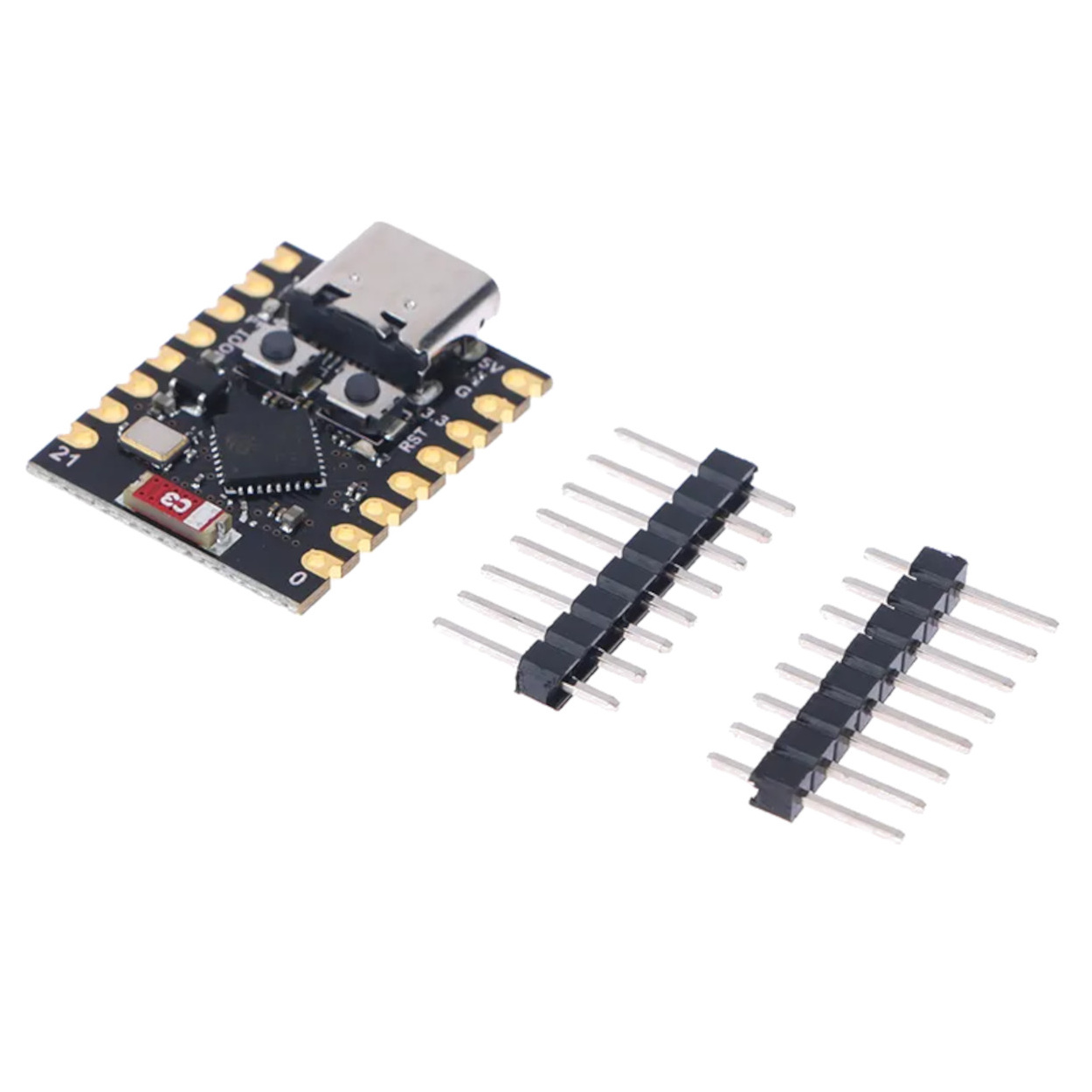
Pair it with a good 5V supply, jumper wires and common sensors (DHT22, BME280, relays, OLED displays). For field deployment, add a LiPo/18650 supply and use deep sleep. If you need a smaller footprint, look at the ESP32-C3 SuperMini; if you need a camera, the ESP32-CAM.
FAQ
Common questions.
Which USB driver do I need to install?
It depends on the onboard bridge chip. If your board uses the CP2102, install the Silicon Labs CP210x driver; if it uses the CH340, install the CH340 driver. Check the tiny chip near the USB port, then install the matching driver and the COM port will appear.
How do I program it in Arduino IDE?
Add the ESP32 boards URL in Preferences, install 'esp32 by Espressif Systems' in the Boards Manager, then select 'ESP32 Dev Module' (or 'DOIT ESP32 DEVKIT V1'). Most boards auto-enter flash mode; if not, hold BOOT while uploading starts.
Is it 5V tolerant on the GPIO pins?
No. The ESP32 GPIOs are 3.3V logic and are NOT 5V tolerant. Use a level shifter or a voltage divider when connecting 5V sensors or modules to input pins to avoid damaging the chip.
Why does the 38-pin board not fit a single breadboard?
The 38-pin DevKit V1 is wide enough to cover both rows of a standard breadboard's center channel. Use two breadboards side by side, a wider breadboard, or an expansion base so you can still access the pins.
Is it easily available in India and what is included?
Yes, it is one of the most stocked boards across every Indian electronics retailer. The package is just the ESP32 DevKit V1 board itself; the micro-USB cable, jumper wires and sensors are typically purchased separately.
More in IoT & Wireless
Related hardware.
Wifi Ble
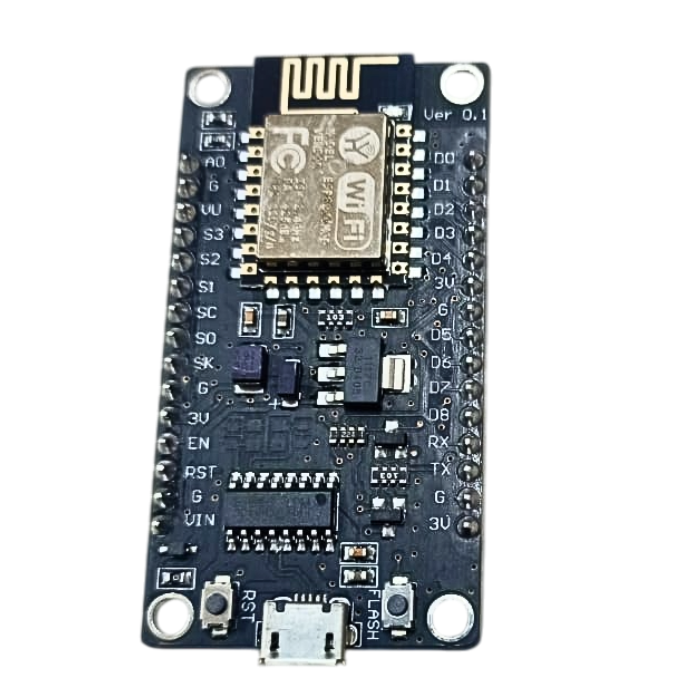
NodeMCU ESP8266 WiFi Development Board (V3 Lolin CH340)
Low-cost ESP8266 WiFi board with CH340 USB, breadboard-friendly; extremely popular entry point for WiFi-connected sensor projects.
₹180 + 18% GST
Wifi Ble
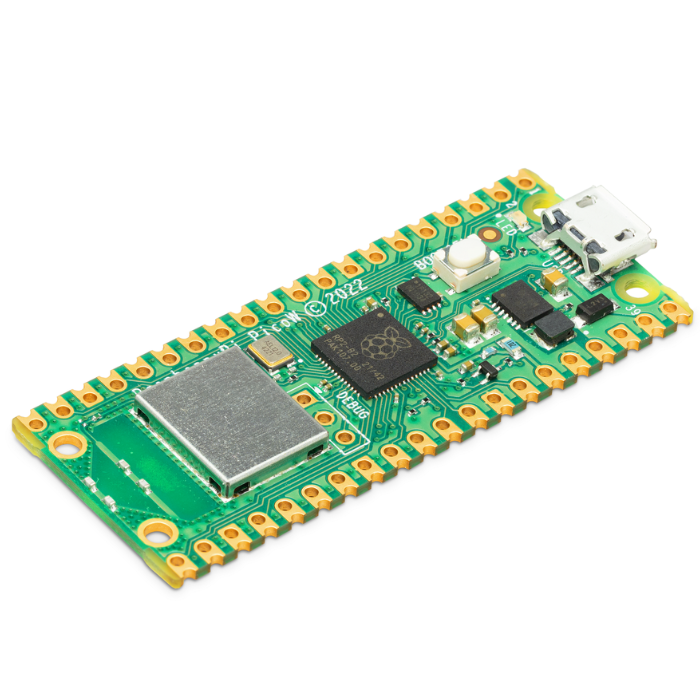
Raspberry Pi Pico W (Wireless RP2040 Microcontroller)
Official RP2040 dual-core microcontroller board with onboard 2.4GHz WiFi, programmable in MicroPython/C for IoT and hotspot applications.
₹650 + 18% GST
Wifi Ble
ESP32-C3 SuperMini Development Board
Ultra-compact RISC-V single-core ESP32-C3 board with WiFi and Bluetooth 5.0 (LE) and USB-C, ideal for space-constrained IoT builds.
₹280 + 18% GST
Wifi Ble
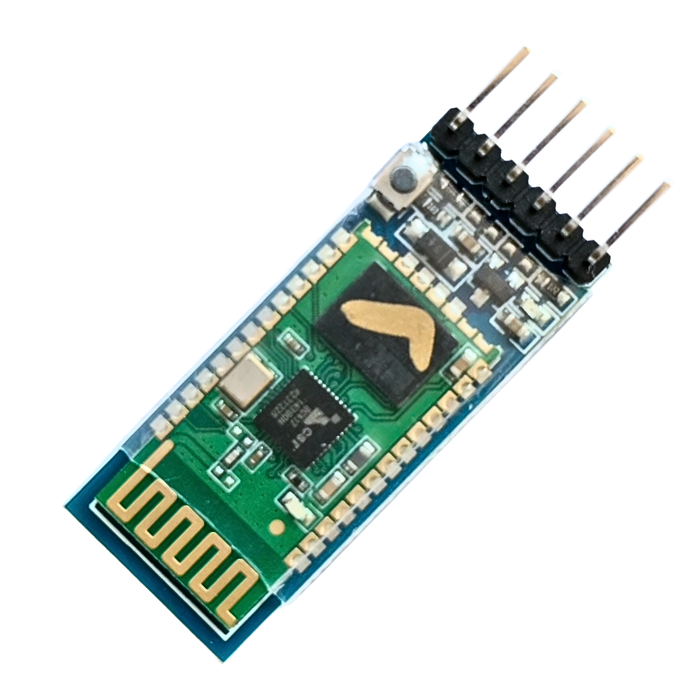
HC-05 Bluetooth Serial Transceiver Module
Classic Bluetooth 2.0 SPP UART module with master/slave AT-command support; standard for wireless serial links with Arduino.
₹199 + 18% GST
You may also need
Pairs well with.
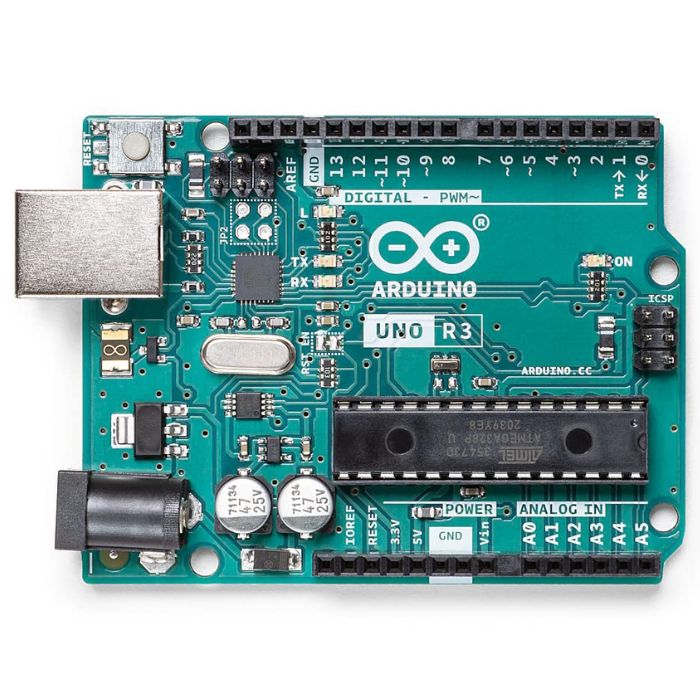
Arduino Boards
Arduino Uno R3
The classic ATmega328P 8-bit microcontroller board, a popular beginner prototyping platform with 14 digital and 6 analog I/O pins.
₹799 + 18% GST
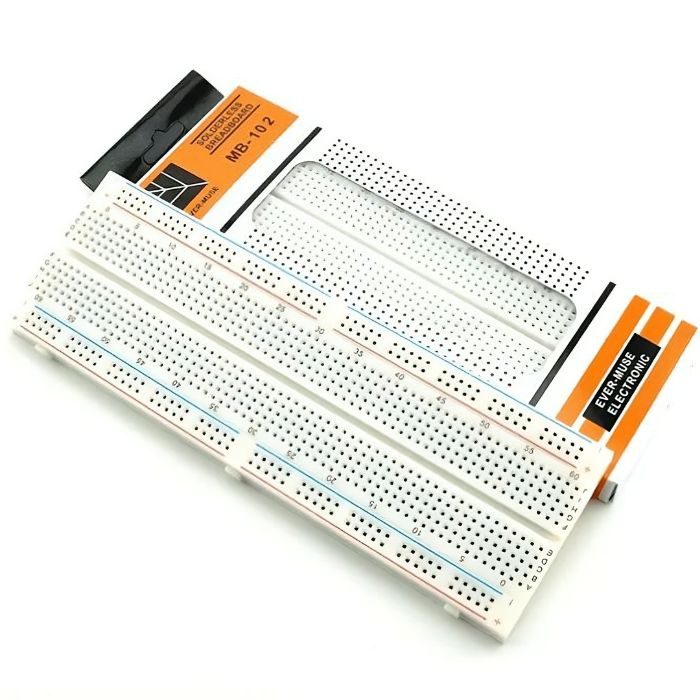
Breadboards Jumpers
MB102 830 Points Solderless Breadboard
Full-size 830 tie-point solderless prototyping breadboard with power rails, accepts 20-29 AWG wire.
₹90 + 18% GST