Quad-band GSM/GPRS (850/900/1800/1900 MHz) 2G cellular engine
In stock
Gsm Cellular
SIM800L V2 GSM/GPRS Module with Antenna
Compact quad-band 2G GSM/GPRS module with micro-SIM and TTL serial for SMS, calls and cellular data in remote IoT devices.
₹484 + 18% GST
SKU: BOTBIT-IOT-09 · Best for: SMS-based alerts and notifications from remote sensors
Overview
About SIM800L V2 GSM/GPRS Module with Antenna.
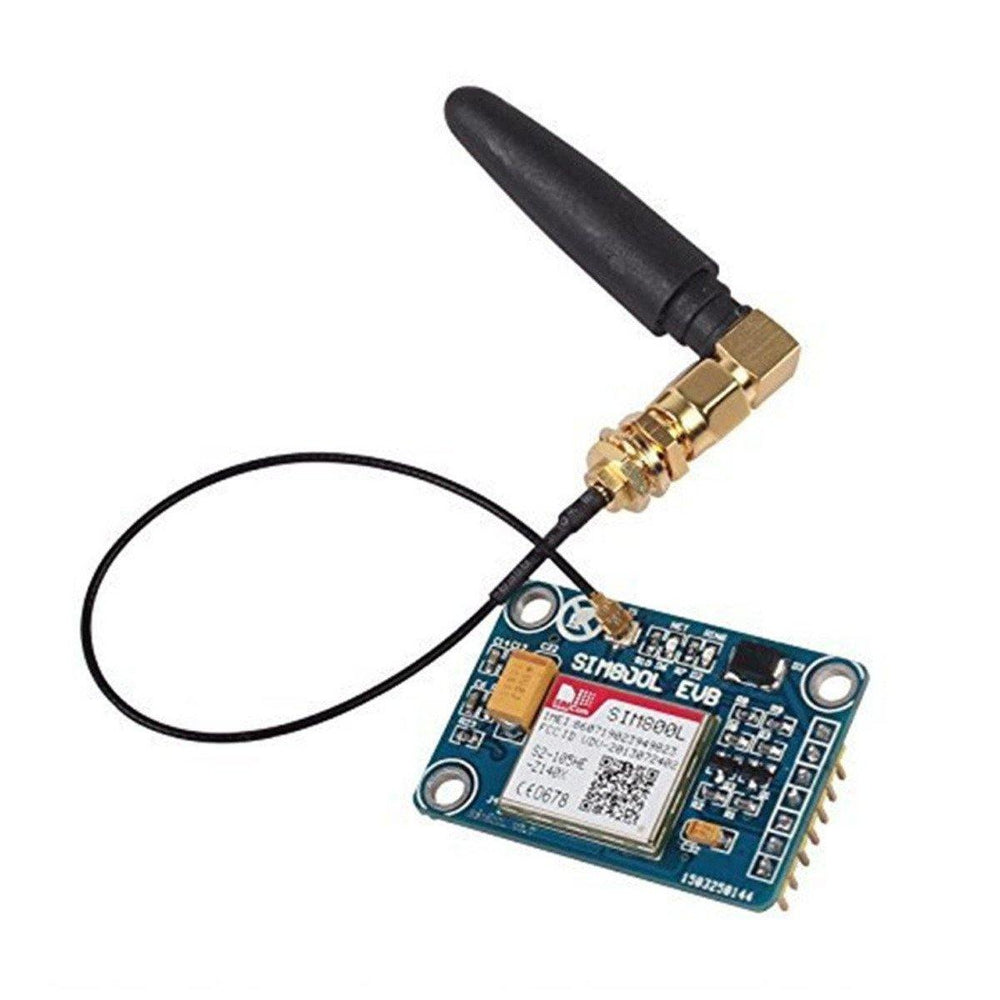
The SIM800L V2 is a compact quad-band 2G GSM/GPRS module based on the SIMCom SIM800L cellular engine. It lets microcontroller projects send SMS, make and receive voice calls, and move small amounts of data over GPRS, all controlled through simple AT commands on a TTL serial (UART) link. The V2 board adds a micro-SIM holder, on-board power handling and an antenna, making it friendlier than the bare SIM800L breakout.
It is a long-time favourite for Indian IoT and hobby projects because 2G coverage is still widespread and cheap, and the module works with common Indian SIMs. It is ideal when you need connectivity in places with no WiFi, such as farms, borewells, vehicles and remote sensors, using an ordinary prepaid SIM.
The catch that trips up beginners is power: the SIM800L can draw current bursts up to around 2A during transmission, so it needs a solid ~4V supply and cannot be powered from an Arduino's 5V pin. With proper power and a decent antenna, it is a reliable, low-cost cellular link.
Key features
Why it stands out.
Sends SMS, makes/receives voice calls and does GPRS data via AT commands
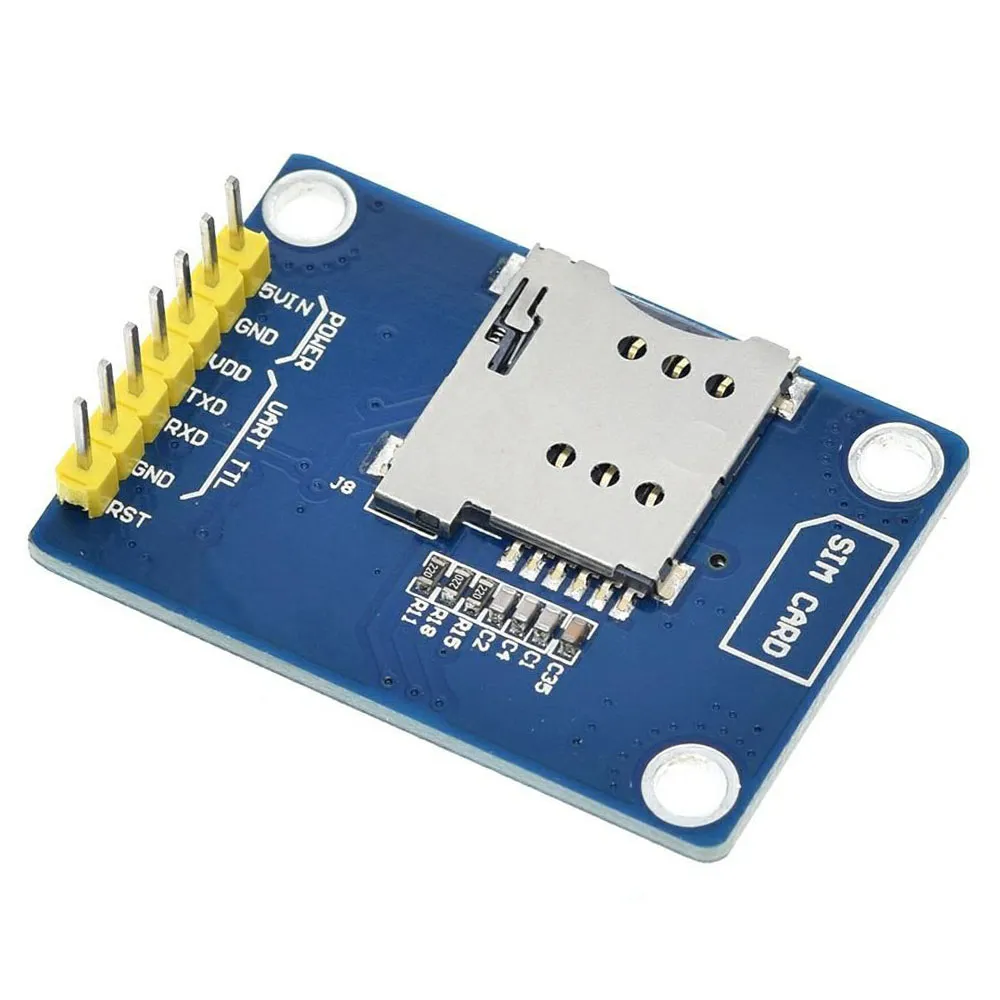
On-board micro-SIM holder and antenna connector on the V2 board
TTL UART serial interface for easy microcontroller control
GPRS multi-slot class 12 for basic TCP/IP and HTTP data
Low standby power with sleep mode for battery IoT nodes
Specifications
Selection facts.
| Module | SIMCom SIM800L (SIM800L V2 board) |
|---|---|
| Network | Quad-band GSM/GPRS 850/900/1800/1900 MHz |
| GPRS class | Multi-slot class 12 |
| Interface | TTL UART (AT commands) |
| Supply voltage | 3.4-4.4 V (≈4.0 V ideal) |
| Peak current | Up to ~2 A during transmit burst |
| SIM type | Micro-SIM |
| Default baud rate | Auto-baud, commonly 9600/115200 |
| Transmit power | Class 4 (2 W) at 850/900 MHz |
Applications
Where it is used.
- SMS-based alerts and notifications from remote sensors
- Cellular data uplink (GPRS) for IoT devices without WiFi
- GSM-based security and alarm systems that call or text on trigger
- Vehicle tracking and telematics prototypes with a GPS module
- Agricultural and borewell monitoring in areas with only 2G coverage
- Remote control of devices via SMS commands
Buying guide
How to choose.
Buy the SIM800L V2 when your project must reach the internet or send SMS where there is no WiFi, and 2G coverage is available. Confirm your SIM operator still runs a 2G network in your area, since some Indian operators are winding down 2G; the module needs a working 2G signal.
The most important pairing is a proper power supply: use a dedicated 3.7-4.2V source (a Li-ion cell, LM2596 set to ~4V, or a purpose-made buck module) that can deliver 2A peaks, with a large bulk capacitor across VCC. Do not power it from the Arduino 5V/3.3V pin. Level-shift or match the UART to your MCU's logic (SIM800L I/O is ~2.8V).
Pair it with any UART-capable MCU (Arduino, ESP32, STM32) and control it with AT commands or a library like TinyGSM. Add a proper GSM antenna for reliable registration, especially in weak-signal areas.
FAQ
Common questions.
Why does my SIM800L keep resetting or not registering?
Almost always a power problem. The module needs ~4V and can pull up to 2A in bursts, so an Arduino pin or weak supply causes brownouts and resets. Use a dedicated 4V/2A source with a big capacitor near VCC.
Can I power it from the Arduino 5V pin?
No. VCC must be about 3.4-4.4V (ideal ~4V), and 5V will damage it while the Arduino regulator cannot supply the 2A peaks. Use a separate buck converter or Li-ion cell and share a common ground with the MCU.
Will it work with 2G in India now that networks are shutting down?
It works wherever 2G GSM is still live. Coverage varies by operator and location, so test your specific SIM in the area of use. Where 2G is gone you would need a 4G module such as the SIM7600 instead.
What SIM and interface does it use?
It takes a micro-SIM in the on-board holder and communicates over TTL UART using AT commands. Note the module's logic is around 2.8V, so match or level-shift the TX/RX lines to your MCU.
Which library makes coding easier?
TinyGSM is widely used for SMS, GPRS and TCP with the SIM800 family. You can also send raw AT commands over SoftwareSerial/HardwareSerial for full control.
What is included?
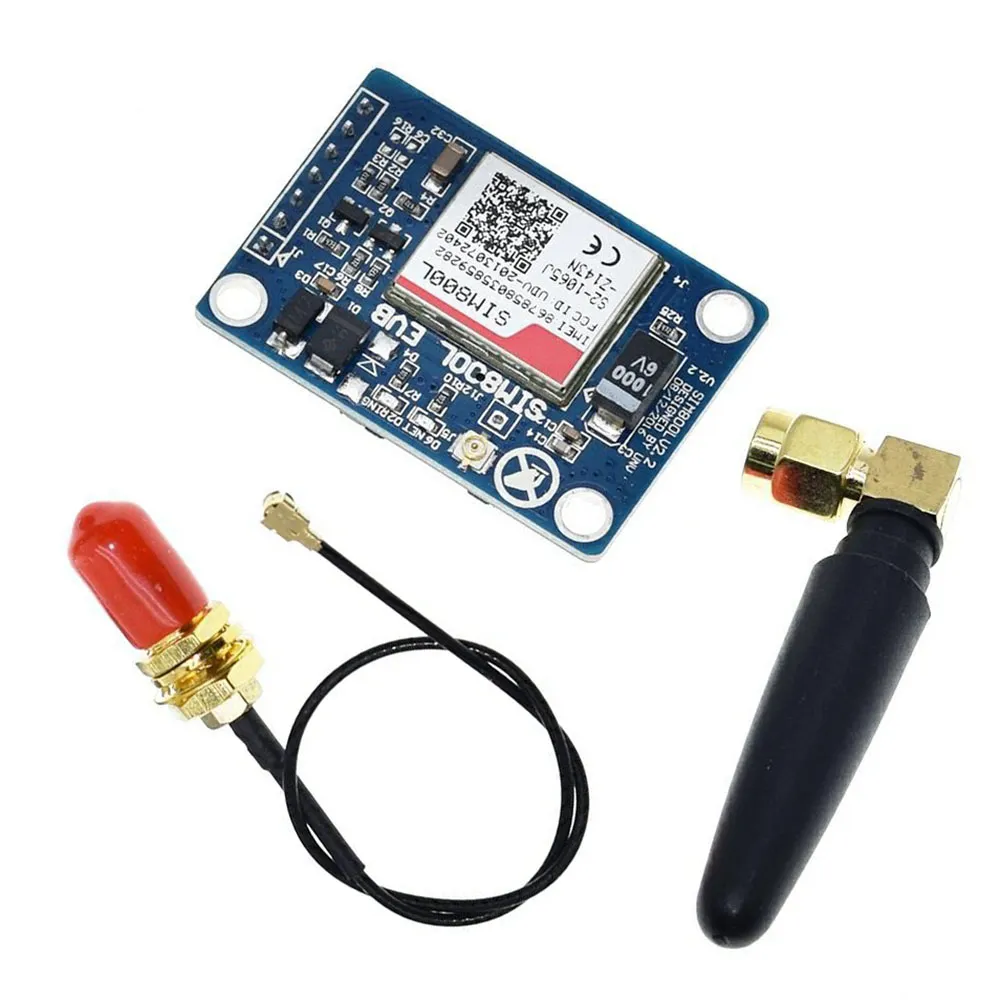
The SIM800L V2 board with micro-SIM holder, and usually a small antenna. A SIM card and power supply are not included.
More in IoT & Wireless
Related hardware.
Gsm Cellular
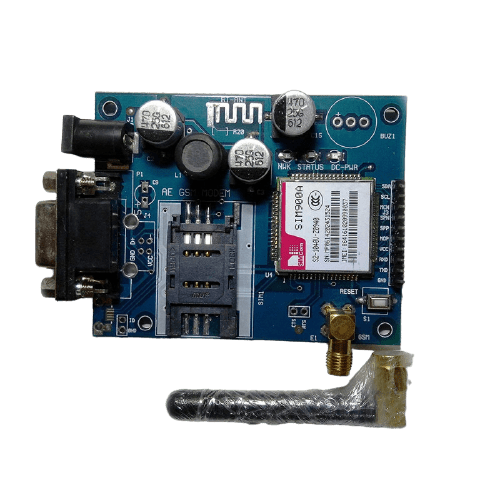
SIM900A GSM/GPRS Module with RS232 and SMA Antenna
Dual-band GSM/GPRS modem board with RS232 interface and SMA antenna for reliable SMS/GPRS in industrial and metering projects.
₹900 + 18% GST
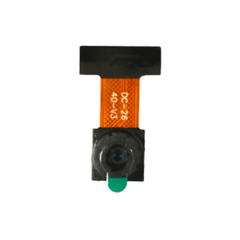
Camera Modules
ESP32-CAM Development Board with OV2640 Camera
ESP32-based WiFi+Bluetooth board with 2MP OV2640 camera and microSD slot for low-cost video/image capture and IoT vision projects.
₹450 + 18% GST
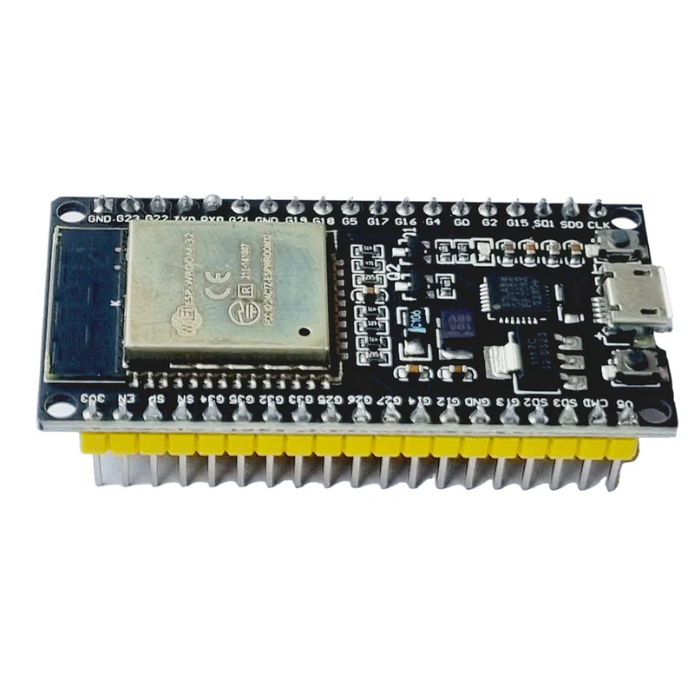
Wifi Ble
ESP32 WROOM-32 38-Pin Development Board (DevKit V1)
Dual-core ESP32-WROOM-32 board with WiFi and Bluetooth, 38 pins and USB-UART; the workhorse MCU for most Indian IoT projects.
₹320 + 18% GST
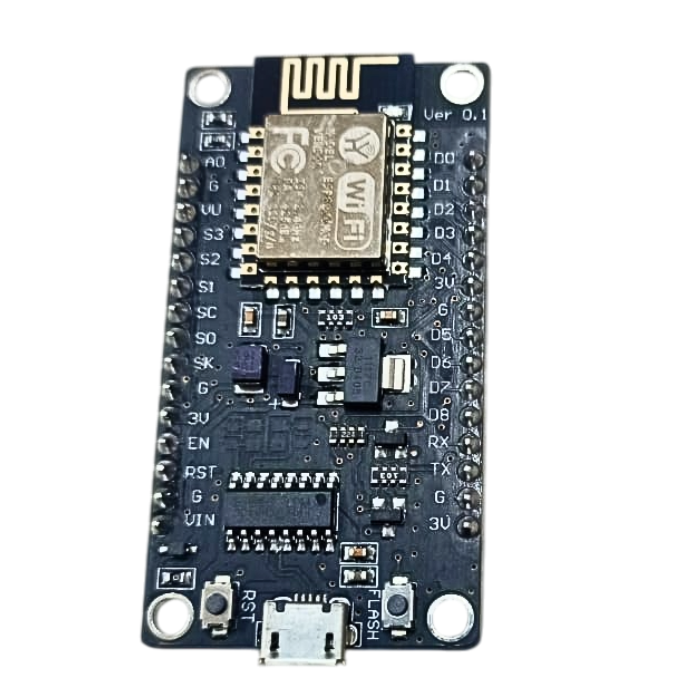
Wifi Ble
NodeMCU ESP8266 WiFi Development Board (V3 Lolin CH340)
Low-cost ESP8266 WiFi board with CH340 USB, breadboard-friendly; extremely popular entry point for WiFi-connected sensor projects.
₹180 + 18% GST
You may also need
Pairs well with.
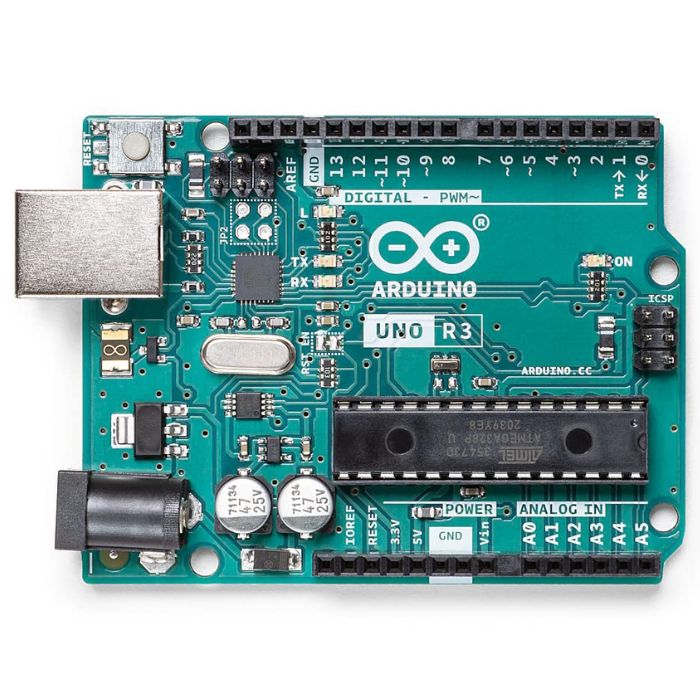
Arduino Boards
Arduino Uno R3
The classic ATmega328P 8-bit microcontroller board, a popular beginner prototyping platform with 14 digital and 6 analog I/O pins.
₹799 + 18% GST
Breadboards Jumpers
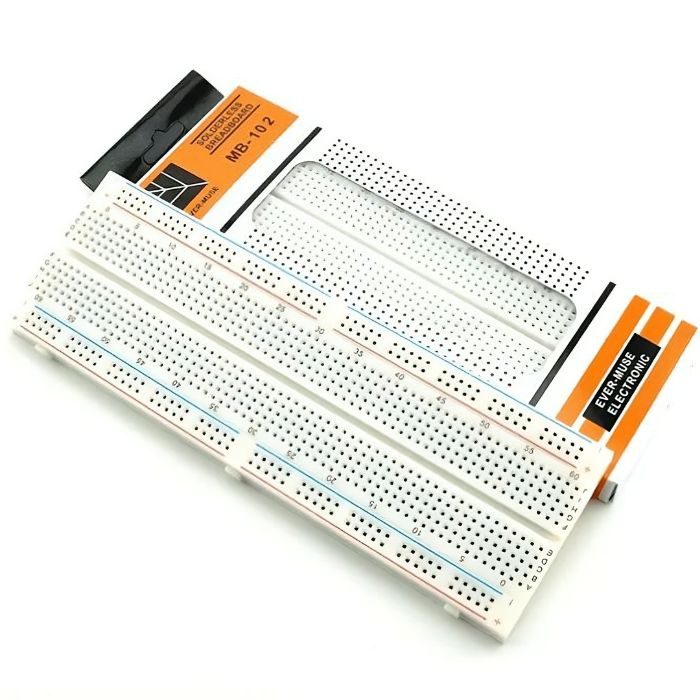
MB102 830 Points Solderless Breadboard
Full-size 830 tie-point solderless prototyping breadboard with power rails, accepts 20-29 AWG wire.
₹90 + 18% GST