ESP8266 (ESP-12E/12F) with integrated 2.4GHz WiFi 802.11 b/g/n
In stock
Wifi Ble
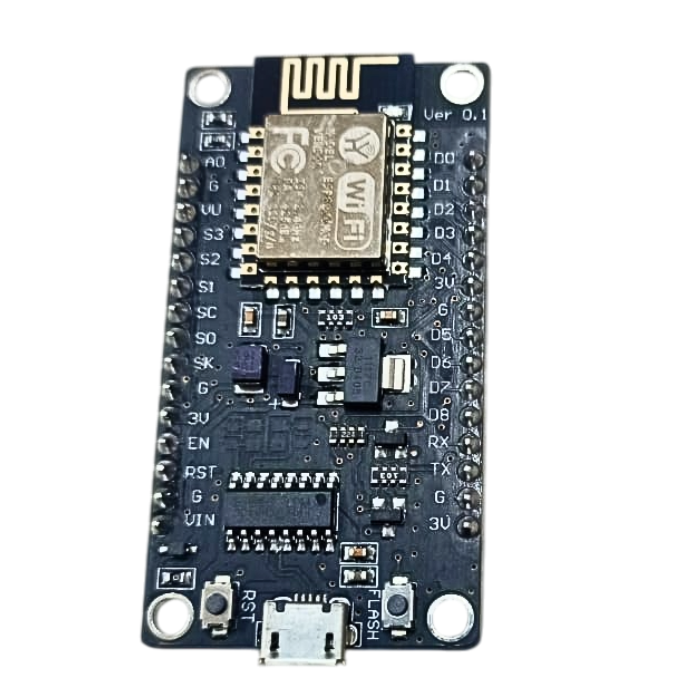
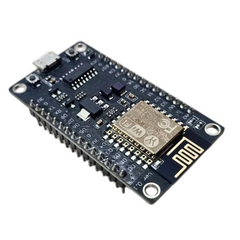
NodeMCU ESP8266 WiFi Development Board (V3 Lolin CH340)
Low-cost ESP8266 WiFi board with CH340 USB, breadboard-friendly; extremely popular entry point for WiFi-connected sensor projects.
₹180 + 18% GST
SKU: BOTBIT-IOT-03 · Best for: WiFi sensor nodes posting to ThingSpeak, Blynk or MQTT
Overview
About NodeMCU ESP8266 WiFi Development Board (V3 Lolin CH340).
The NodeMCU ESP8266 V3 (Lolin, CH340 variant) is the classic entry point into WiFi-connected microcontroller projects. It carries Espressif's ESP8266 (ESP-12E/12F module), adds a CH340 USB-serial bridge, a voltage regulator and a breadboard-friendly layout, so beginners can plug it into a laptop and be online in minutes.
At roughly Rs 180 it is one of the cheapest ways to get a WiFi-capable board, which made it the launchpad for a whole generation of Indian IoT learners. It runs the same Arduino IDE workflow as the ESP32, has huge library support, and is more than enough for reading a sensor and posting data to the cloud, Blynk, ThingSpeak or an MQTT broker.
The 'V3 Lolin' label is a marketing name for the wider, CH340-based NodeMCU layout. It has a single-core processor and fewer usable GPIOs than an ESP32, but for simple WiFi sensor and automation tasks it remains a favourite thanks to its low cost and simplicity.
Key features
Why it stands out.
Onboard CH340 USB-to-serial bridge with micro-USB connector
Breadboard-friendly with onboard 3.3V regulator and reset/flash buttons
Programmable via Arduino IDE, NodeMCU Lua firmware or MicroPython
Multiple digital GPIOs plus one analog input (A0) and hardware SPI/I2C/UART
Deep-sleep support for low-power battery sensor nodes
Specifications
Selection facts.
| SoC | Espressif ESP8266 (ESP-12E/12F module) |
|---|---|
| CPU | Single-core Tensilica L106, 80MHz (up to 160MHz) |
| Wireless | WiFi 802.11 b/g/n 2.4GHz |
| Flash | 4MB SPI flash |
| USB bridge | CH340G |
| Digital GPIO | 11 usable digital pins (labelled D0-D10) |
| Analog input | 1x 10-bit ADC (A0), 0-1.0V internal / 0-3.3V on board divider |
| Operating voltage | 3.3V logic; powered via 5V micro-USB or VIN |
| Input voltage (VIN) | 4.5-10V (regulated to 3.3V on board) |
| Dimensions | Approx 58 x 31 mm (V3 wide layout) |
Applications
Where it is used.
- WiFi sensor nodes posting to ThingSpeak, Blynk or MQTT
- Home automation (WiFi relays, smart plugs, light control)
- Weather stations and temperature/humidity loggers
- Simple web-server controlled gadgets and dashboards
- OTA-updatable ESP-based DIY smart devices
- Learning WiFi/IoT programming on a low budget
Buying guide
How to choose.
The NodeMCU ESP8266 is the right pick when you need cheap WiFi and only light processing — a sensor or two, a relay, and a cloud connection. It is perfect for students and first-time makers who want to learn IoT without spending much.
This V3 variant uses the CH340 USB chip, so install the CH340 driver if the COM port does not appear. If you need Bluetooth, more GPIO, dual cores or heavier compute, step up to the ESP32 DevKit — but for straightforward WiFi tasks the ESP8266 costs less and does the job.
Pair it with a stable 5V/1A supply, a DHT11/DHT22 or BME280 sensor, and a relay module for automation. Remember it has only one analog pin, so for multiple analog sensors add an ADS1115 ADC over I2C.
FAQ
Common questions.
How do I set it up in the Arduino IDE?
Add the ESP8266 boards URL in Preferences, install 'esp8266 by ESP8266 Community' in the Boards Manager, then select 'NodeMCU 1.0 (ESP-12E Module)'. Set the correct COM port and upload — no manual reset is usually needed.
The board isn't detected on my PC. What's wrong?
This V3 uses the CH340 USB chip, so you must install the CH340 driver. After installing and reconnecting the micro-USB cable, a COM port will appear. Also try a data-capable cable, as some cables are charge-only.
How many GPIOs and analog pins does it have?
It exposes 11 usable digital GPIO pins (D0-D10) and a single 10-bit analog input (A0). For more than one analog sensor, add an external I2C ADC like the ADS1115. Some pins (D3/D4/D8) must be at the right level at boot.
Are its pins 5V tolerant?
No, the ESP8266 runs at 3.3V logic and its GPIOs are not 5V tolerant. Use a level shifter or divider for 5V signals. You can, however, power the board itself from 5V via the VIN/USB because it has an onboard 3.3V regulator.
Is it available in India and what comes in the box?
Yes, it is extremely common and cheap across Indian electronics shops. The package contains just the NodeMCU V3 board; the micro-USB cable and any sensors are usually bought separately.
More in IoT & Wireless
Related hardware.
Wifi Ble
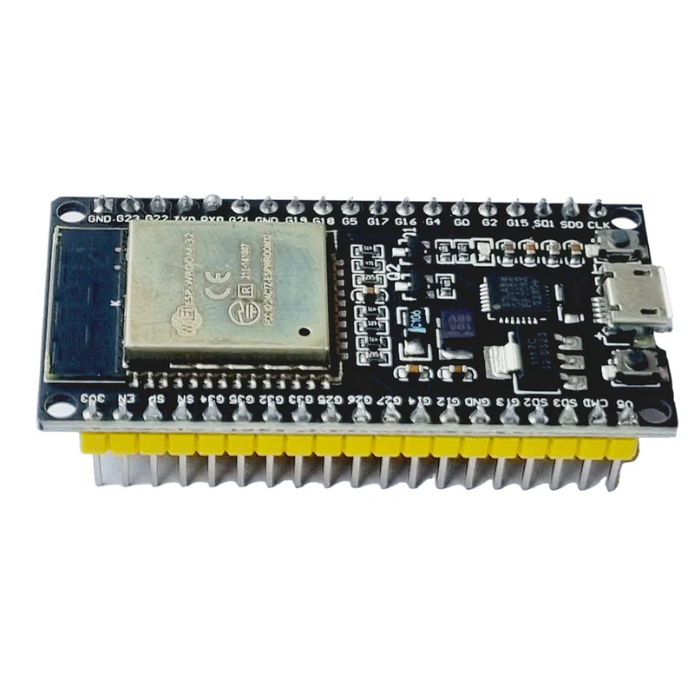
ESP32 WROOM-32 38-Pin Development Board (DevKit V1)
Dual-core ESP32-WROOM-32 board with WiFi and Bluetooth, 38 pins and USB-UART; the workhorse MCU for most Indian IoT projects.
₹320 + 18% GST
Wifi Ble
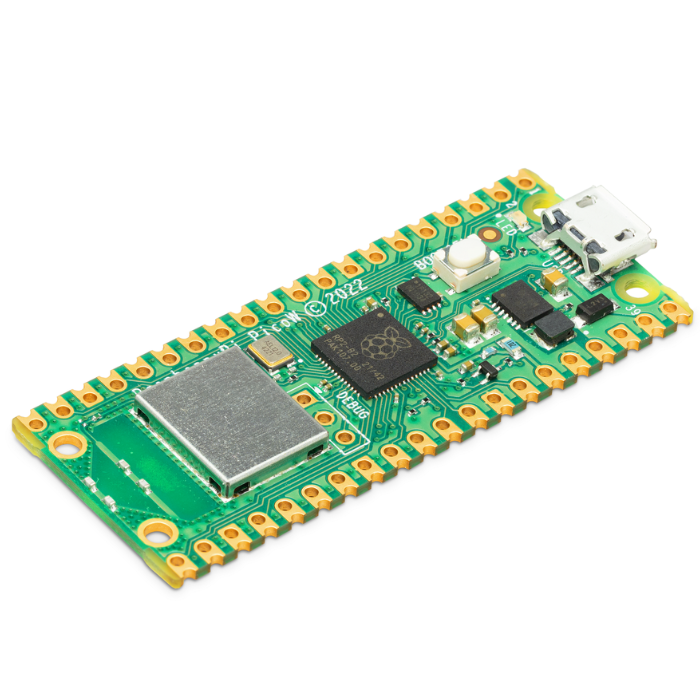
Raspberry Pi Pico W (Wireless RP2040 Microcontroller)
Official RP2040 dual-core microcontroller board with onboard 2.4GHz WiFi, programmable in MicroPython/C for IoT and hotspot applications.
₹650 + 18% GST
Wifi Ble
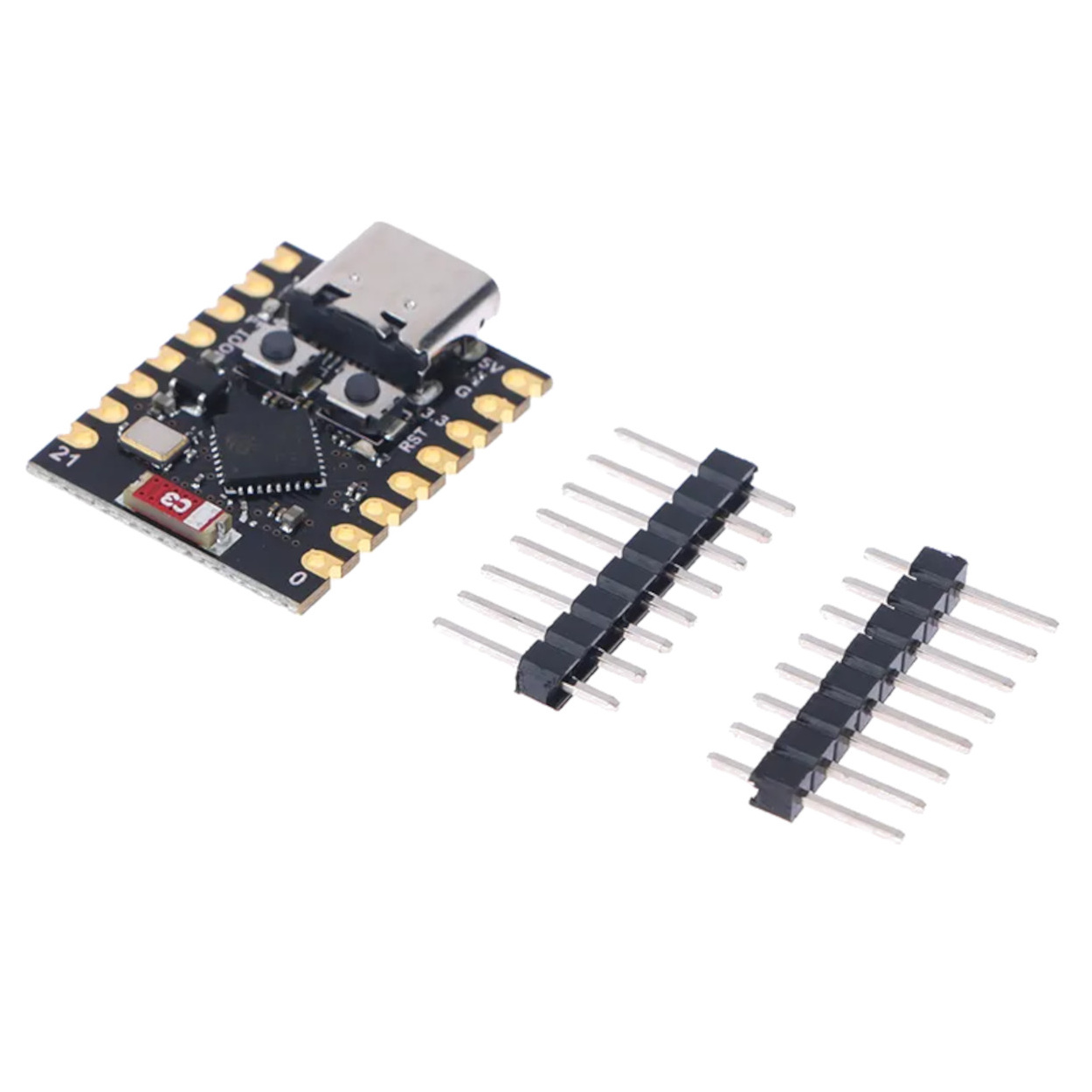
ESP32-C3 SuperMini Development Board
Ultra-compact RISC-V single-core ESP32-C3 board with WiFi and Bluetooth 5.0 (LE) and USB-C, ideal for space-constrained IoT builds.
₹280 + 18% GST
Wifi Ble
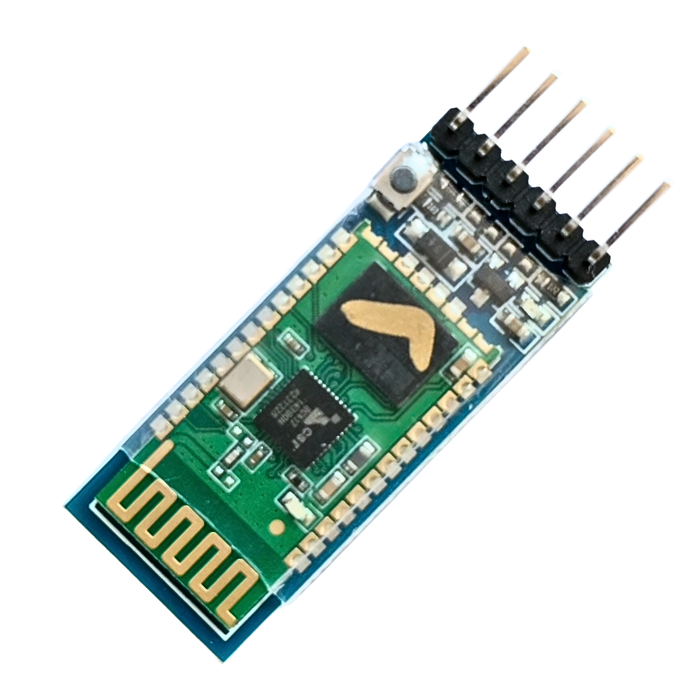
HC-05 Bluetooth Serial Transceiver Module
Classic Bluetooth 2.0 SPP UART module with master/slave AT-command support; standard for wireless serial links with Arduino.
₹199 + 18% GST
You may also need
Pairs well with.
Arduino Boards
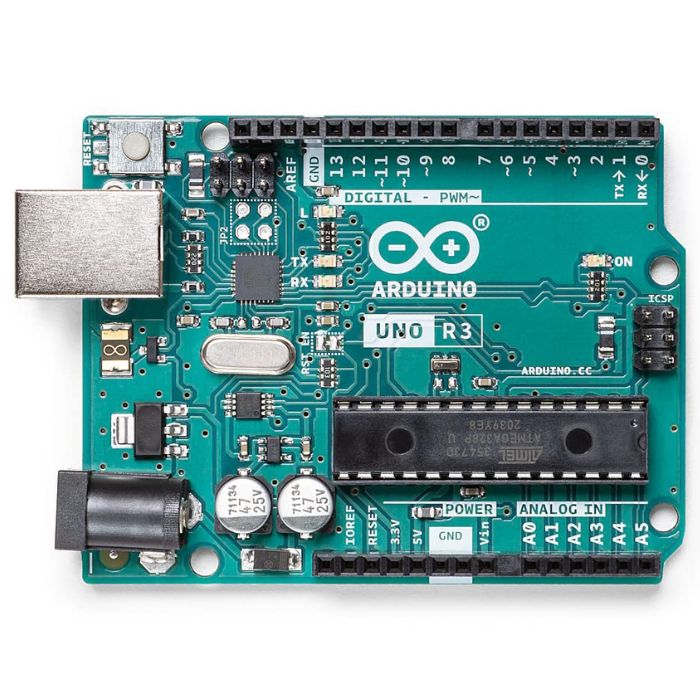
Arduino Uno R3
The classic ATmega328P 8-bit microcontroller board, a popular beginner prototyping platform with 14 digital and 6 analog I/O pins.
₹799 + 18% GST
Breadboards Jumpers
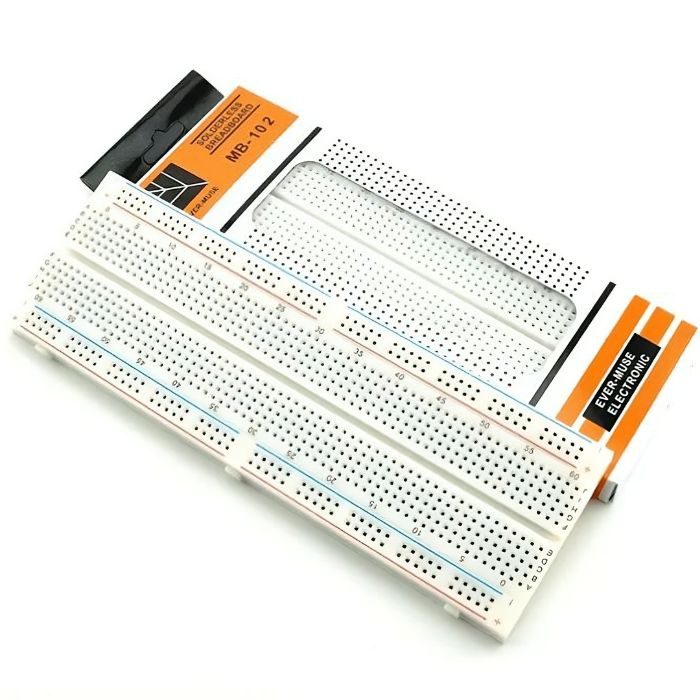
MB102 830 Points Solderless Breadboard
Full-size 830 tie-point solderless prototyping breadboard with power rails, accepts 20-29 AWG wire.
₹90 + 18% GST