Single-core 32-bit RISC-V CPU (ESP32-C3) up to 160MHz
In stock
Wifi Ble
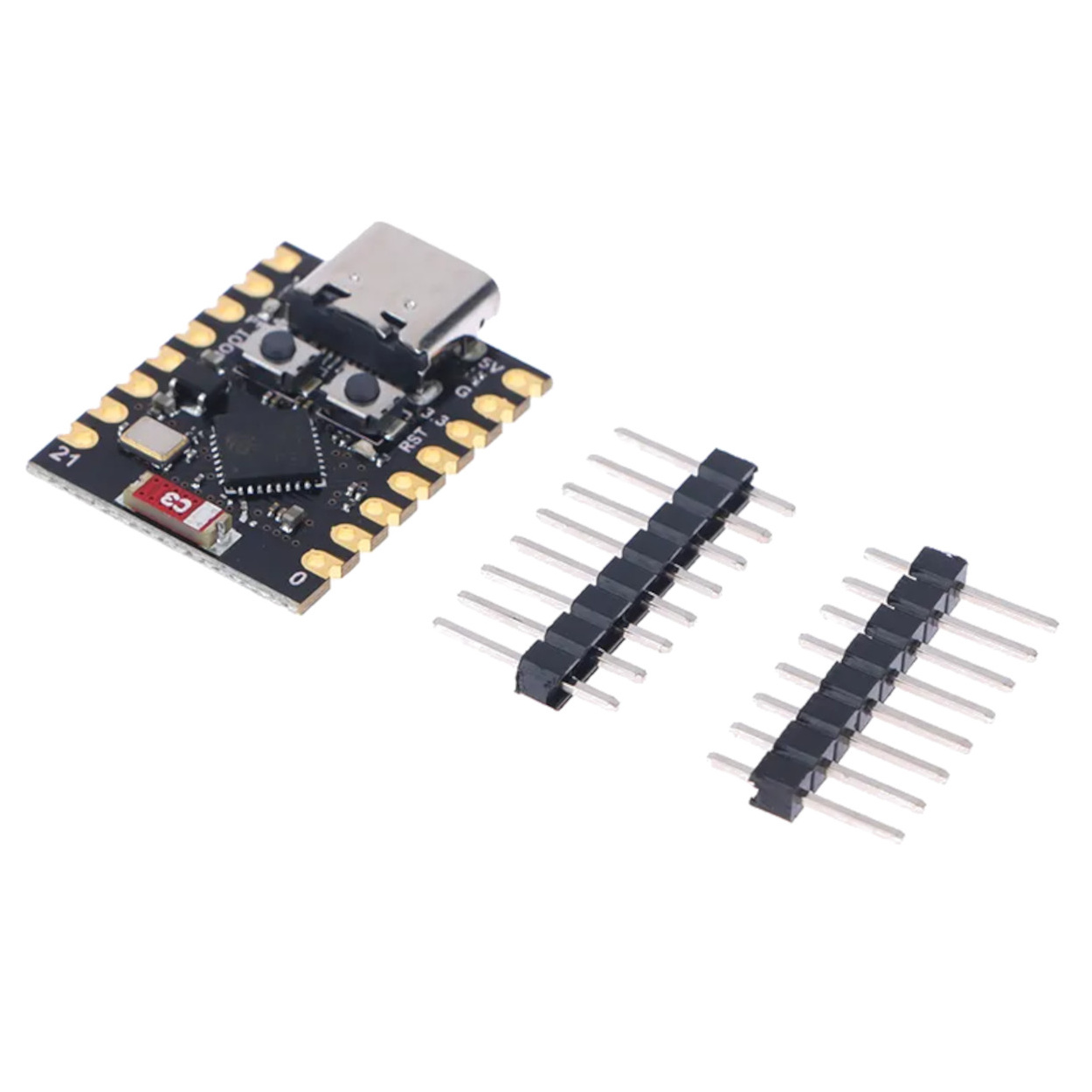
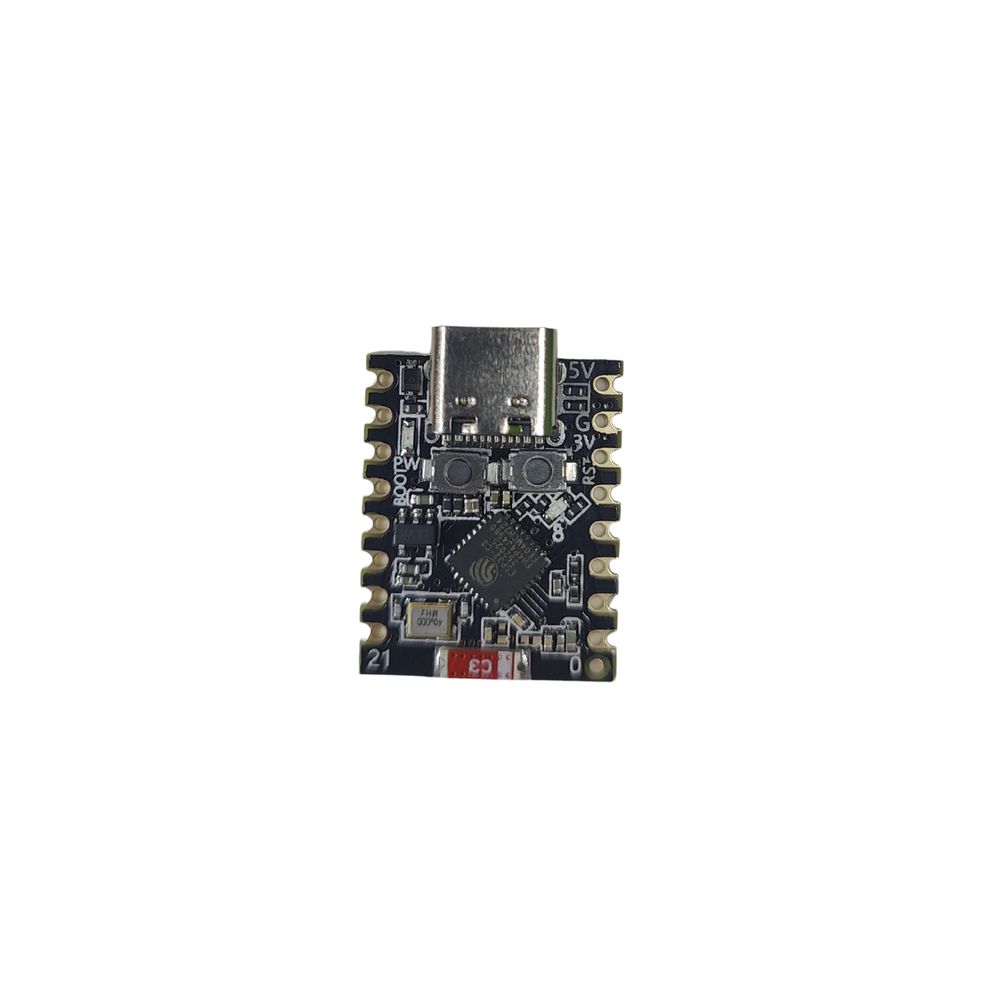
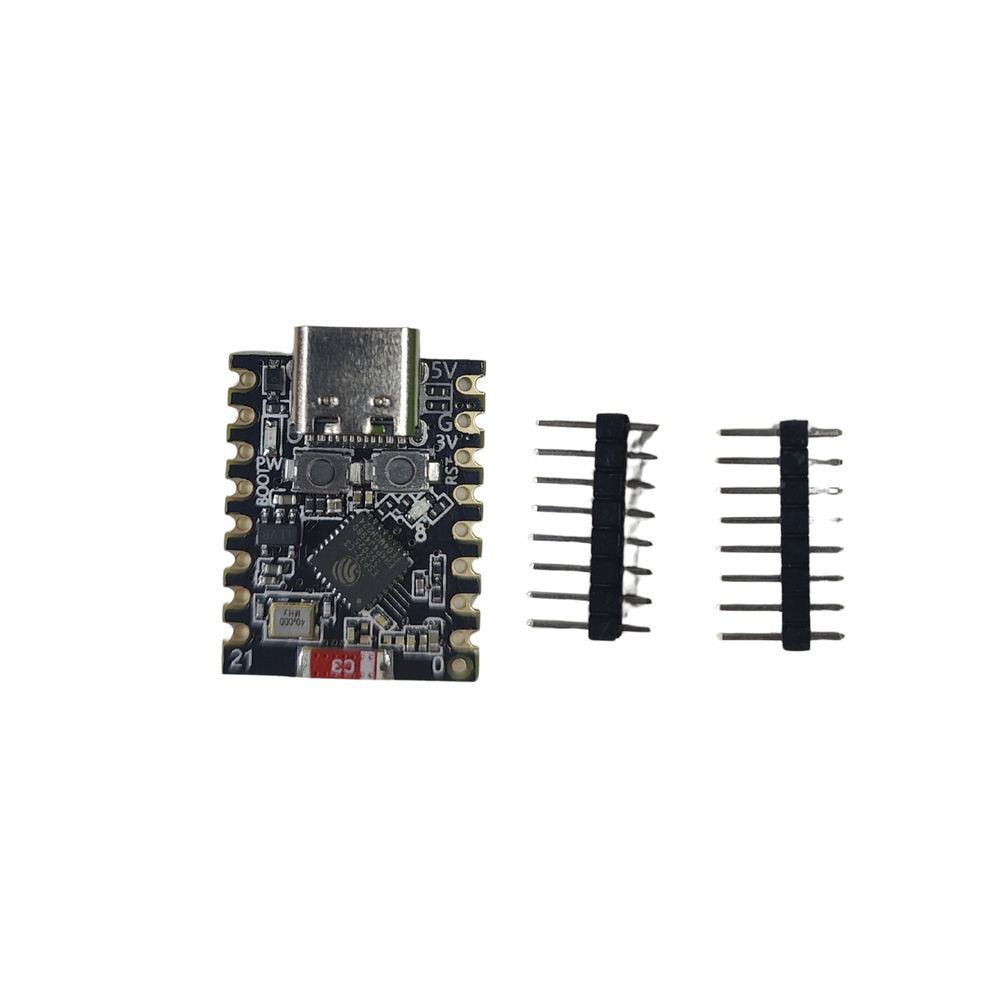
ESP32-C3 SuperMini Development Board
Ultra-compact RISC-V single-core ESP32-C3 board with WiFi and Bluetooth 5.0 (LE) and USB-C, ideal for space-constrained IoT builds.
₹280 + 18% GST
SKU: BOTBIT-IOT-05 · Best for: Wearables and other space-constrained wireless devices
Overview
About ESP32-C3 SuperMini Development Board.
The ESP32-C3 SuperMini is an ultra-compact development board built on Espressif's ESP32-C3, a single-core 32-bit RISC-V microcontroller with 2.4GHz WiFi and Bluetooth 5.0 (LE). Measuring only about 22.5 x 18 mm with a modern USB-C connector, it squeezes a full WiFi/BLE MCU into a footprint smaller than a coin.
For roughly Rs 280 it is the go-to board for space-constrained builds — wearables, tiny sensor tags, hidden automation nodes — where a full-size ESP32 DevKit simply will not fit. Despite its size it runs the same Arduino/ESP-IDF/MicroPython toolchains and supports the modern Bluetooth 5.0 LE stack, unlike older ESP32 boards limited to BT Classic.
The RISC-V core keeps power consumption very low (deep sleep around 43uA), making the SuperMini attractive for battery projects. Just remember it exposes fewer GPIOs than a big ESP32, so plan your pin usage before buying.
Key features
Why it stands out.
2.4GHz WiFi 802.11 b/g/n plus Bluetooth 5.0 LE (BLE) and Bluetooth Mesh
Native USB-C connector with built-in USB Serial/JTAG for programming
Ultra-small ~22.5 x 18 mm form factor for space-constrained builds
Very low deep-sleep current (~43uA) for battery-powered nodes
Onboard user LED and full Arduino / ESP-IDF / MicroPython support
Specifications
Selection facts.
| SoC | ESP32-C3 (single-core 32-bit RISC-V, up to 160MHz) |
|---|---|
| Wireless | WiFi 802.11 b/g/n 2.4GHz + Bluetooth 5.0 LE |
| SRAM | 400KB |
| Flash | 4MB |
| GPIO | 13 GPIO broken out (GPIO0-10, 20, 21) |
| ADC | 4x 12-bit ADC channels |
| USB | USB-C with built-in USB Serial/JTAG |
| Onboard LED | Blue user LED on GPIO8 |
| Deep-sleep current | ~43uA |
| Dimensions | Approx 22.5 x 18 mm |
Applications
Where it is used.
- Wearables and other space-constrained wireless devices
- Compact BLE sensor beacons and tags
- Tiny WiFi home-automation nodes hidden inside enclosures
- Battery-powered, low-power deep-sleep sensor loggers
- BLE-to-WiFi bridges and mesh nodes
- Portable DIY gadgets where board size is critical
Buying guide
How to choose.
Choose the ESP32-C3 SuperMini when physical size is the deciding factor and you still want WiFi plus modern Bluetooth 5.0 LE. It is ideal for wearables, tiny beacons and any enclosure where a 38-pin DevKit is too bulky, and the USB-C port makes programming convenient.
Be aware it is single-core (not dual like the WROOM-32) and breaks out only 13 GPIO pins, so map your I/O needs first. Some early SuperMini batches had a weaker onboard WiFi antenna; if range is critical, test it or pick a board with a well-reviewed antenna layout.
For heavier multitasking or many peripherals, the dual-core ESP32 DevKit is a better base. But for compact, low-power BLE/WiFi projects the SuperMini offers a lot of capability per millimetre. Pair it with small 3.3V sensors and a LiPo for portable builds.
FAQ
Common questions.
How do I program the ESP32-C3 SuperMini?
Plug in the USB-C cable and select 'ESP32C3 Dev Module' in the Arduino IDE (ESP32 core installed). It has a built-in USB Serial/JTAG, so no external adapter is needed. If uploads fail, hold BOOT while pressing RESET to force download mode.
Does it support Bluetooth Classic?
No. The ESP32-C3 supports Bluetooth 5.0 Low Energy (BLE) and Bluetooth Mesh, but not Bluetooth Classic (BR/EDR). For BLE peripherals, beacons and modern phone apps this is ideal; for legacy SPP serial links use an HC-05 or an ESP32 WROOM instead.
How many usable GPIO pins does it have?
It breaks out 13 GPIO pins (GPIO0-10 plus GPIO20 and GPIO21), with 4 ADC channels and PWM on most pins. Plan your pin usage carefully since a couple of pins are strapping pins used at boot.
Is the WiFi range good?
Range is adequate for typical indoor use, though some early SuperMini batches had a less-than-optimal PCB antenna and shorter range. Keep it away from metal, orient the antenna edge outward, and if range is critical choose a board with a reviewed antenna design.
Is it available in India and what's included?
Yes, it is stocked by most Indian IoT/electronics retailers. The package is just the SuperMini board; you supply the USB-C cable and any headers or sensors separately.
More in IoT & Wireless
Related hardware.
Wifi Ble
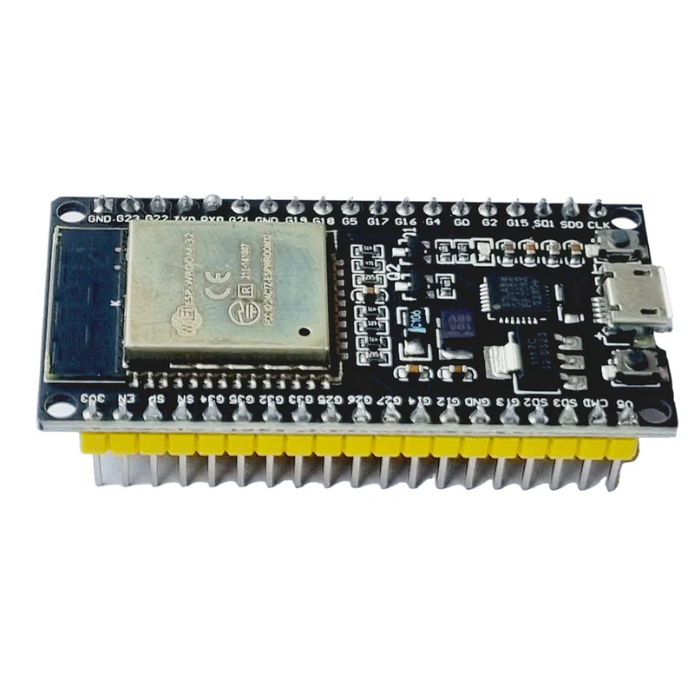
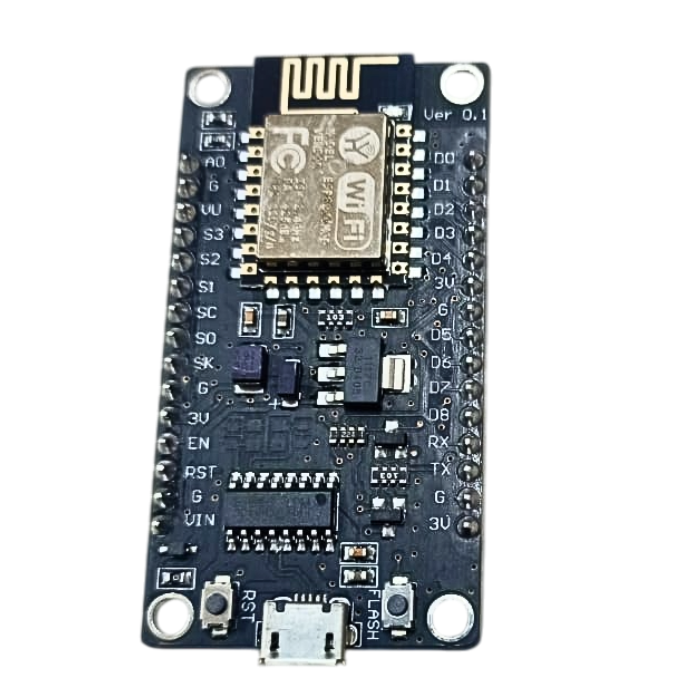
ESP32 WROOM-32 38-Pin Development Board (DevKit V1)
Dual-core ESP32-WROOM-32 board with WiFi and Bluetooth, 38 pins and USB-UART; the workhorse MCU for most Indian IoT projects.
₹320 + 18% GST
Wifi Ble
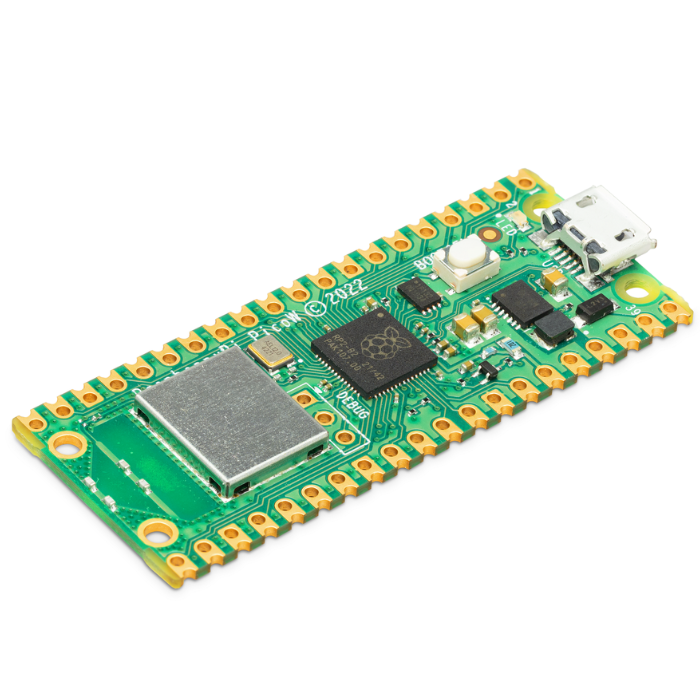
NodeMCU ESP8266 WiFi Development Board (V3 Lolin CH340)
Low-cost ESP8266 WiFi board with CH340 USB, breadboard-friendly; extremely popular entry point for WiFi-connected sensor projects.
₹180 + 18% GST
Wifi Ble
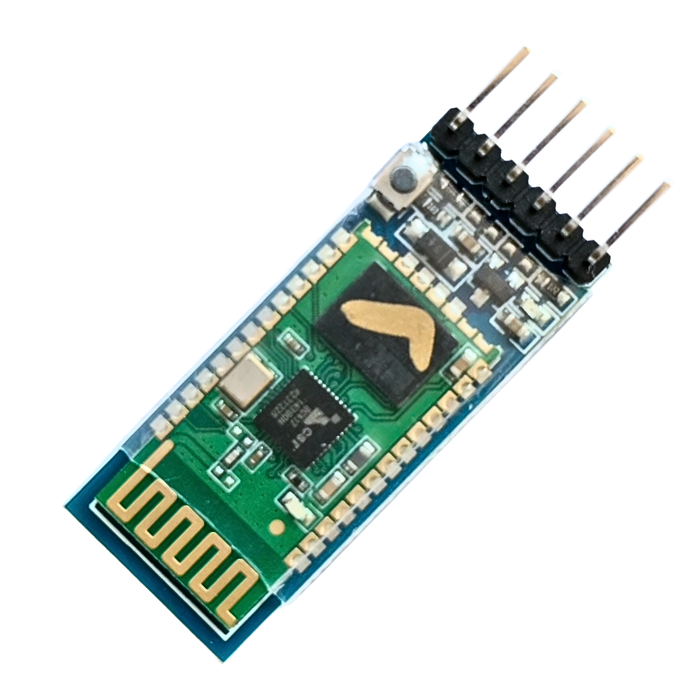
Raspberry Pi Pico W (Wireless RP2040 Microcontroller)
Official RP2040 dual-core microcontroller board with onboard 2.4GHz WiFi, programmable in MicroPython/C for IoT and hotspot applications.
₹650 + 18% GST
Wifi Ble
HC-05 Bluetooth Serial Transceiver Module
Classic Bluetooth 2.0 SPP UART module with master/slave AT-command support; standard for wireless serial links with Arduino.
₹199 + 18% GST
You may also need
Pairs well with.
Arduino Boards
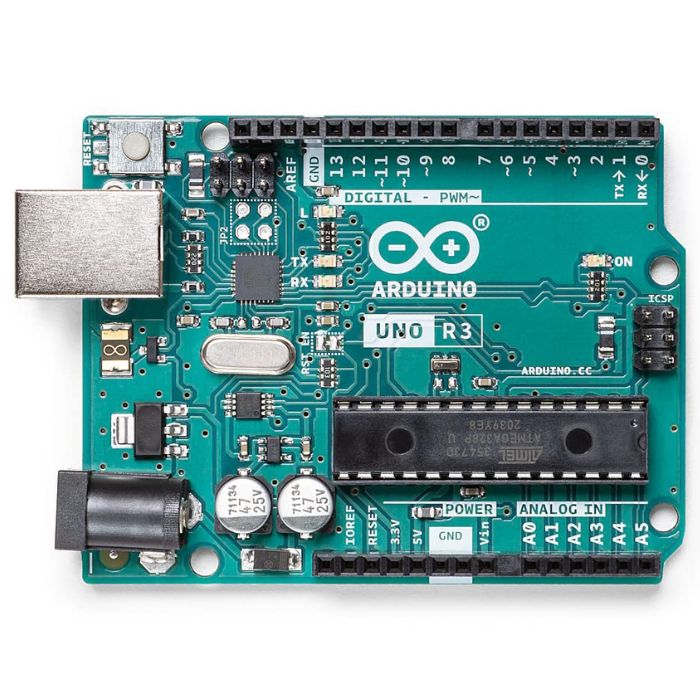
Arduino Uno R3
The classic ATmega328P 8-bit microcontroller board, a popular beginner prototyping platform with 14 digital and 6 analog I/O pins.
₹799 + 18% GST
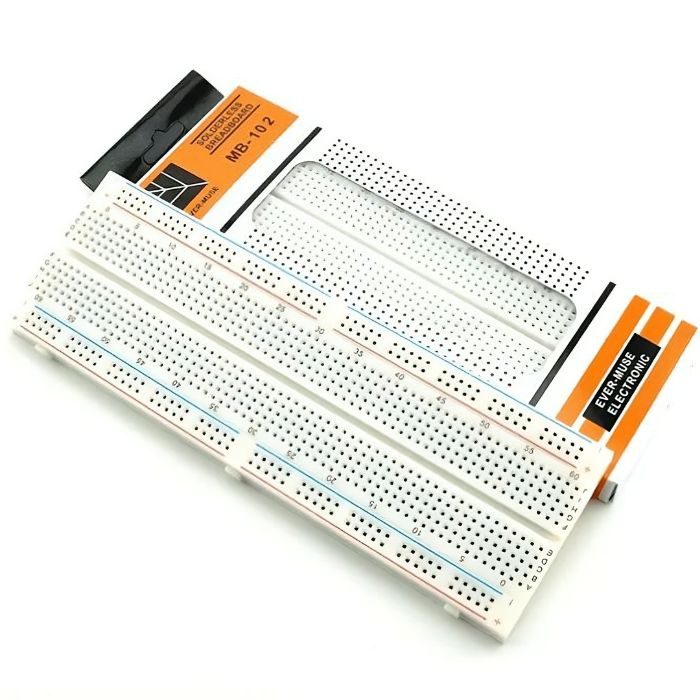
Breadboards Jumpers
MB102 830 Points Solderless Breadboard
Full-size 830 tie-point solderless prototyping breadboard with power rails, accepts 20-29 AWG wire.
₹90 + 18% GST