Dual-core ARM Cortex-M0+ RP2040 running up to 133MHz
In stock
Wifi Ble
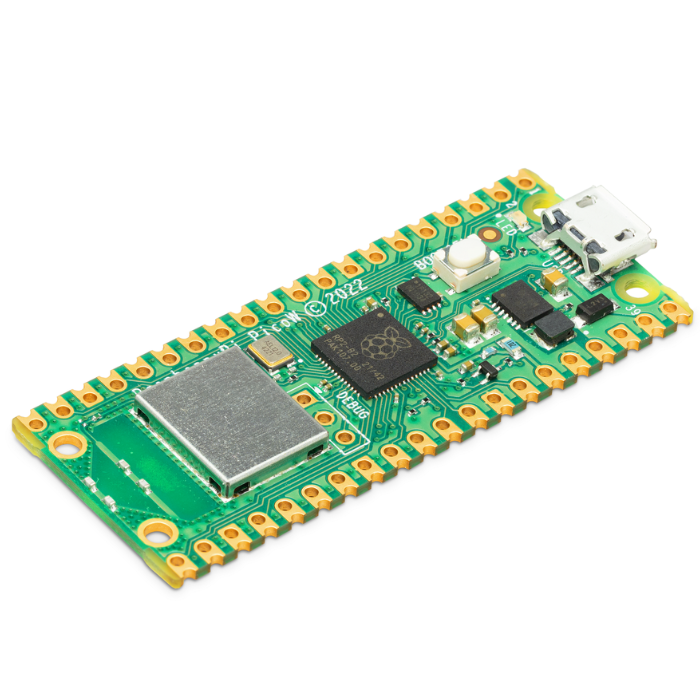
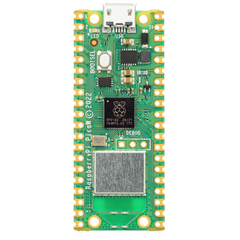
Raspberry Pi Pico W (Wireless RP2040 Microcontroller)
Official RP2040 dual-core microcontroller board with onboard 2.4GHz WiFi, programmable in MicroPython/C for IoT and hotspot applications.
₹650 + 18% GST
SKU: BOTBIT-IOT-04 · Best for: WiFi IoT sensor nodes and cloud-connected data loggers
Overview
About Raspberry Pi Pico W (Wireless RP2040 Microcontroller).
The Raspberry Pi Pico W is the official wireless version of the Pico, built on Raspberry Pi's own RP2040 dual-core microcontroller and adding an Infineon CYW43439 chip for 2.4GHz WiFi. It brings the trusted Raspberry Pi ecosystem and documentation to the low-cost microcontroller space at around Rs 650.
What makes it stand out is the combination of an excellent, well-documented C/C++ SDK and first-class MicroPython support, plus the RP2040's unique Programmable IO (PIO) blocks that let you build custom hardware interfaces in software. The dual Cortex-M0+ cores and 264KB of SRAM give it plenty of room for IoT logic, and the onboard WiFi makes it a genuine web server or client.
For Indian learners and makers who value clear documentation and a stable platform, the Pico W is a great alternative to ESP boards — especially for MicroPython teaching, since Raspberry Pi provides polished getting-started material and the board just works.
Key features
Why it stands out.
Onboard Infineon CYW43439 for 2.4GHz 802.11 b/g/n WiFi
Programmable in MicroPython and C/C++ with an outstanding official SDK
8 Programmable IO (PIO) state machines for custom hardware protocols
264KB SRAM and 2MB onboard QSPI flash
26 multifunction GPIO pins including 3 analog inputs and a temperature sensor
Specifications
Selection facts.
| MCU | RP2040, dual-core ARM Cortex-M0+, up to 133MHz |
|---|---|
| Wireless | Infineon CYW43439, WiFi 802.11 b/g/n 2.4GHz (BT 5.2 hardware, not enabled at launch) |
| SRAM | 264KB on-chip |
| Flash | 2MB QSPI flash |
| GPIO | 26 multifunction GPIO pins (3.3V logic) |
| ADC | 3x 12-bit ADC (plus internal temperature sensor) |
| Interfaces | 2x UART, 2x SPI, 2x I2C, 16x PWM channels |
| Special | 8x PIO state machines for custom I/O |
| USB | Micro-USB 1.1 (device and host support) |
| Input voltage | 1.8-5.5V via VSYS; 5V via USB |
Applications
Where it is used.
- WiFi IoT sensor nodes and cloud-connected data loggers
- MicroPython teaching and classroom electronics projects
- Local web servers, REST endpoints and MQTT clients
- Custom digital interfaces (LED strips, VGA, DPI) using PIO
- Home automation and remote monitoring gadgets
- Robotics controllers needing precise, deterministic I/O timing
Buying guide
How to choose.
Pick the Pico W if you want official Raspberry Pi quality, superb documentation and clean MicroPython/C tooling, plus WiFi. It is an excellent teaching board and a solid choice for makers who prefer the RP2040's PIO feature for driving unusual hardware.
Note the board ships without headers (the 'Pico WH' variant comes with headers pre-soldered) — decide whether you want to solder your own or pay a little more for pre-soldered pins. The USB is micro-USB, and programming is drag-and-drop (UF2) or via the SDK/Thonny for MicroPython.
If you need Bluetooth or a bigger library ecosystem for WiFi apps, the ESP32 may serve you better. But for deterministic I/O, PIO tricks and a first-class learning experience, the Pico W is hard to beat. Pair it with a breadboard, headers and standard 3.3V sensors.
FAQ
Common questions.
Does the Pico W come with headers soldered?
The standard Pico W ships without headers. If you want pins pre-soldered, buy the 'Pico WH' variant. Otherwise you solder your own 2x20 male headers to use it on a breadboard.
How do I program it — MicroPython or C?
Both are fully supported. For MicroPython, drag the UF2 firmware onto the board (which appears as a USB drive when you hold BOOTSEL while plugging in) and use Thonny. For C/C++, use the official Pico SDK with CMake.
Does it have Bluetooth like the ESP32?
The CYW43439 chip includes Bluetooth 5.2 hardware, and later firmware/SDK updates have enabled BLE support. WiFi is the primary wireless feature and works out of the box; Bluetooth support arrived through SDK updates after launch.
Are the GPIO pins 5V tolerant?
No. The RP2040 GPIOs run at 3.3V and are not 5V tolerant. You can power the board from 5V via USB or VSYS, but connect only 3.3V-level signals to the GPIO pins, using a level shifter for 5V devices.
Is it available in India and what's in the box?
Yes, it is sold by all major Indian Raspberry Pi resellers. The box typically contains just the Pico W board (headers separate unless it's the WH). A micro-USB cable is usually not included.
More in IoT & Wireless
Related hardware.
Wifi Ble
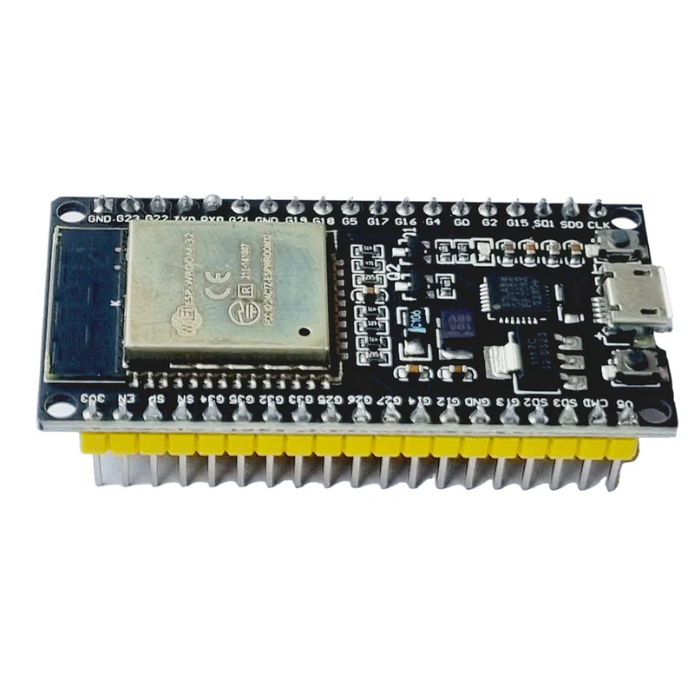
ESP32 WROOM-32 38-Pin Development Board (DevKit V1)
Dual-core ESP32-WROOM-32 board with WiFi and Bluetooth, 38 pins and USB-UART; the workhorse MCU for most Indian IoT projects.
₹320 + 18% GST
Wifi Ble
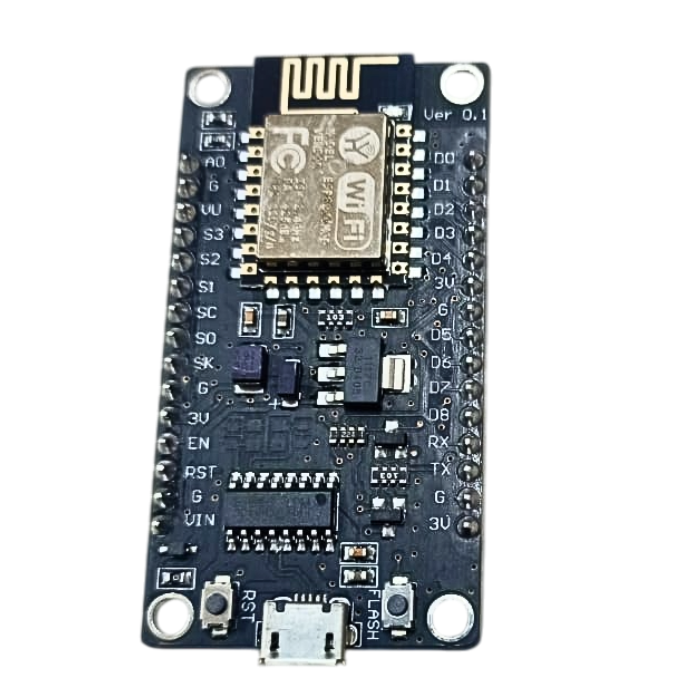
NodeMCU ESP8266 WiFi Development Board (V3 Lolin CH340)
Low-cost ESP8266 WiFi board with CH340 USB, breadboard-friendly; extremely popular entry point for WiFi-connected sensor projects.
₹180 + 18% GST
Wifi Ble
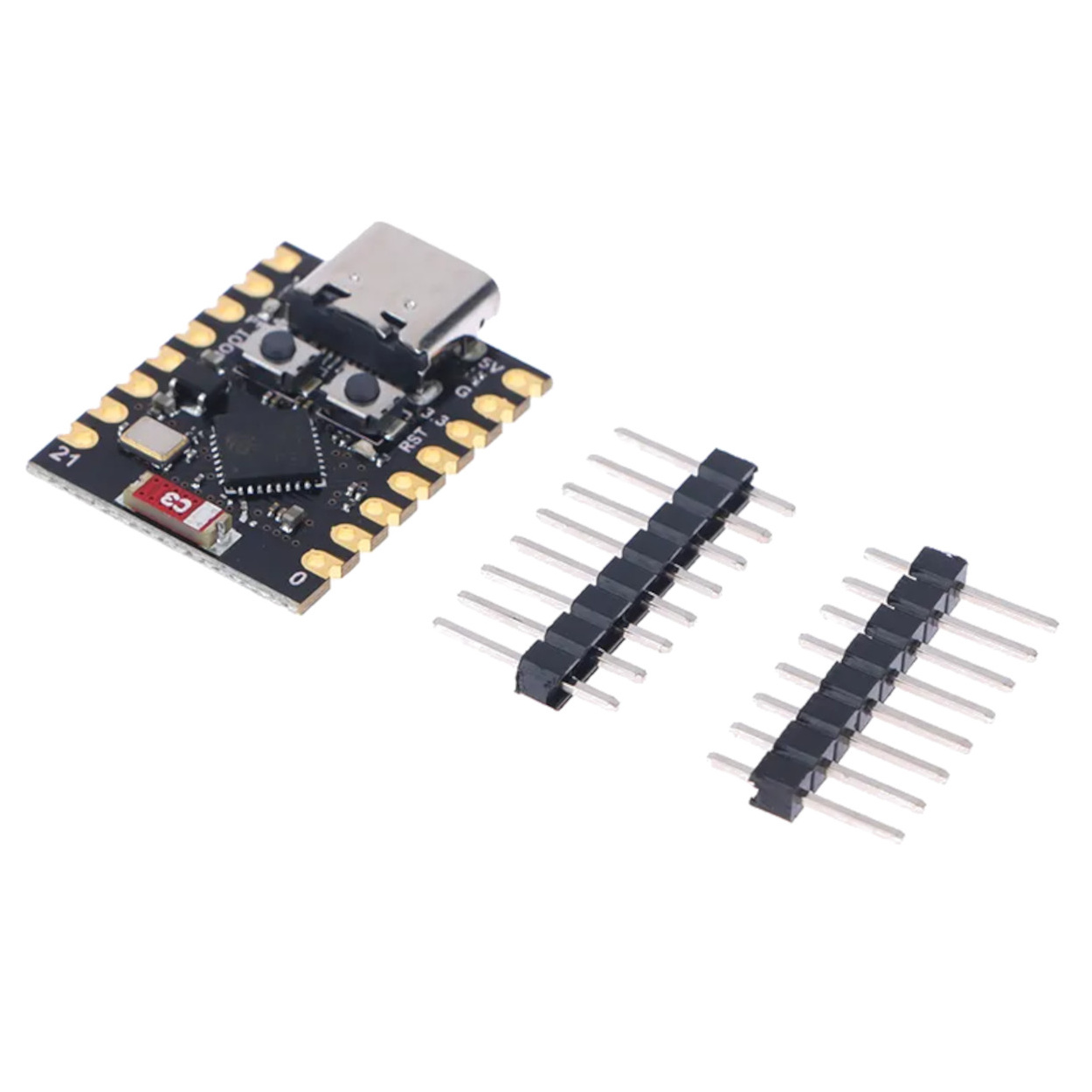
ESP32-C3 SuperMini Development Board
Ultra-compact RISC-V single-core ESP32-C3 board with WiFi and Bluetooth 5.0 (LE) and USB-C, ideal for space-constrained IoT builds.
₹280 + 18% GST
Wifi Ble
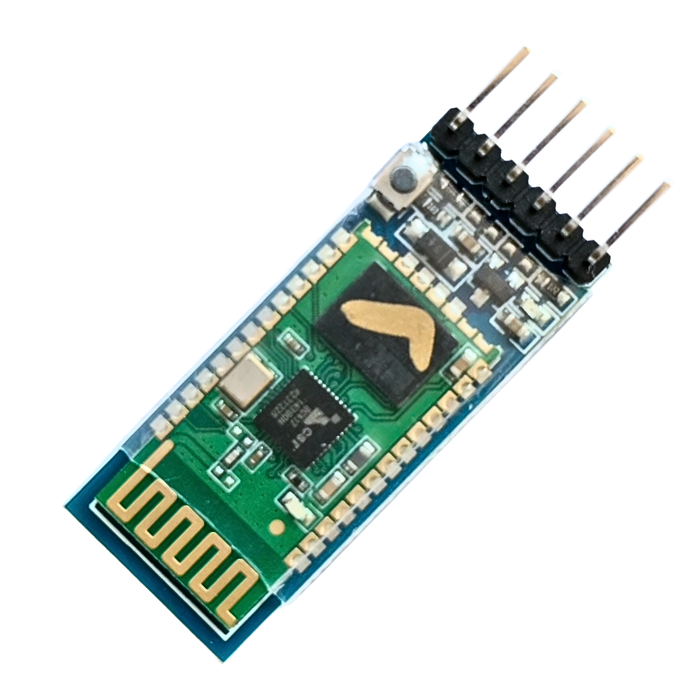
HC-05 Bluetooth Serial Transceiver Module
Classic Bluetooth 2.0 SPP UART module with master/slave AT-command support; standard for wireless serial links with Arduino.
₹199 + 18% GST
You may also need
Pairs well with.
Arduino Boards
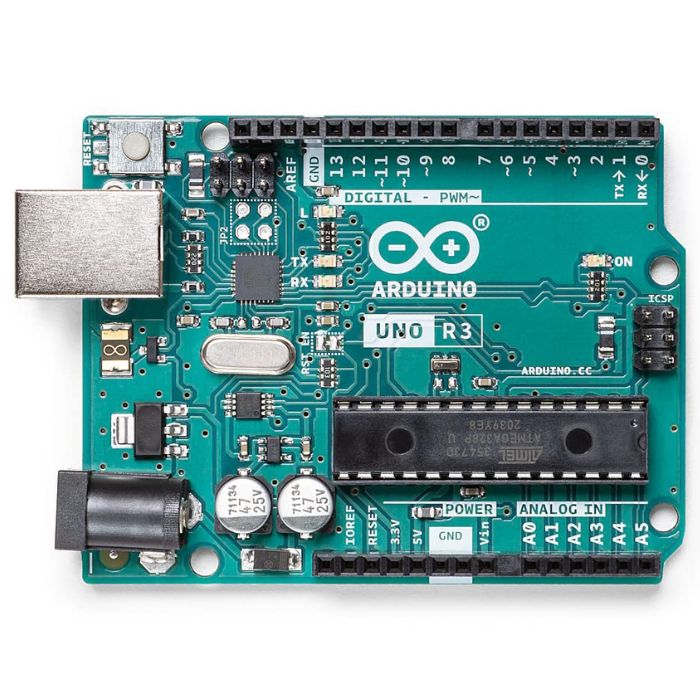
Arduino Uno R3
The classic ATmega328P 8-bit microcontroller board, a popular beginner prototyping platform with 14 digital and 6 analog I/O pins.
₹799 + 18% GST
Breadboards Jumpers
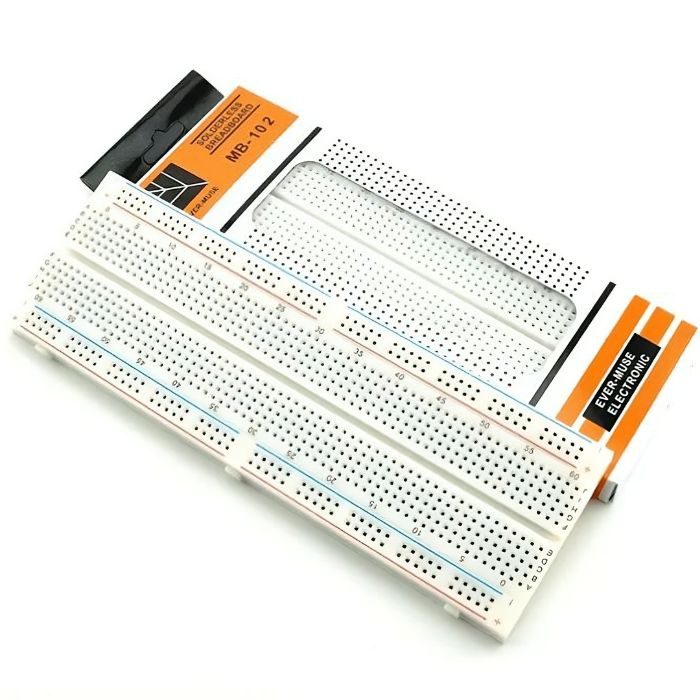
MB102 830 Points Solderless Breadboard
Full-size 830 tie-point solderless prototyping breadboard with power rails, accepts 20-29 AWG wire.
₹90 + 18% GST