Up to 67 TOPS (INT8) AI performance with the free Jetson 'Super' JetPack update, roughly 1.7x the original Orin Nano throughput
In stock
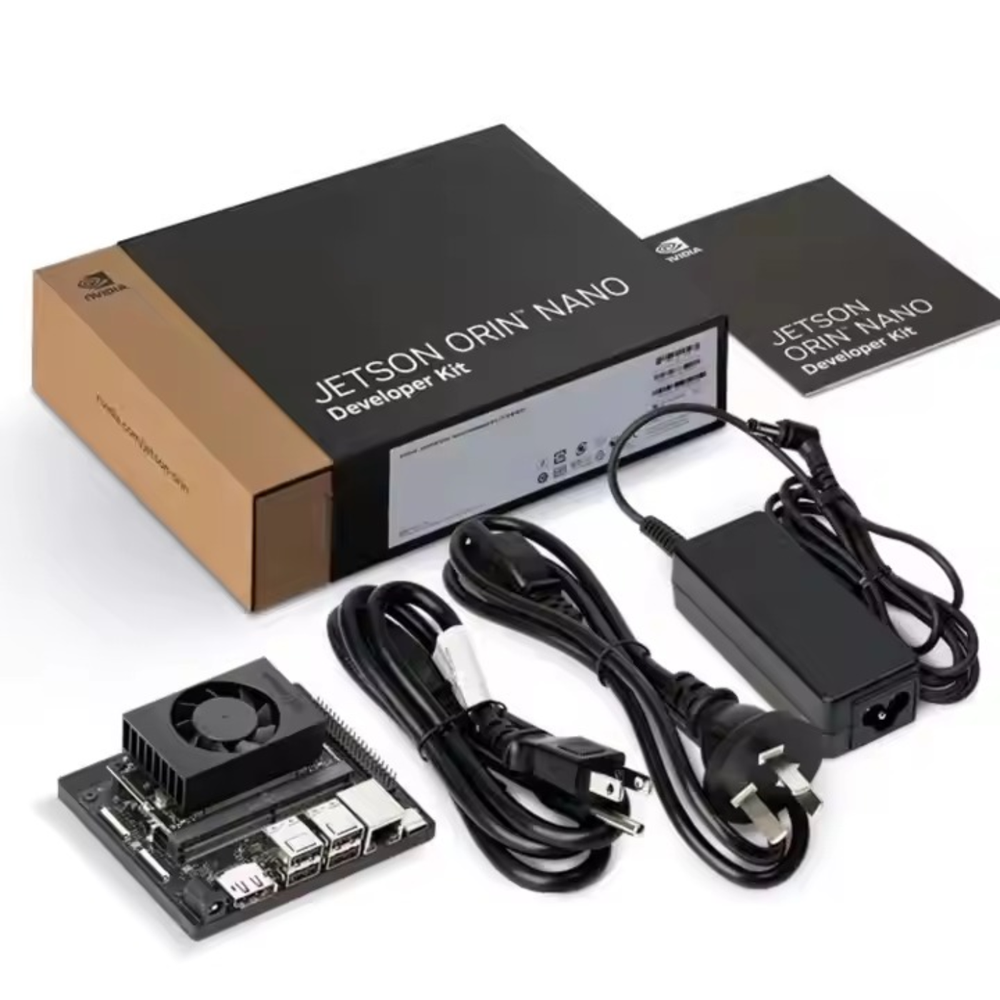
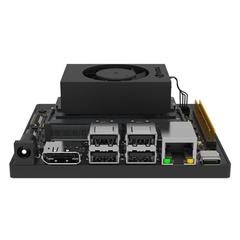
Ai Edge Boards
NVIDIA Jetson Orin Nano Super Developer Kit
Edge-AI dev kit delivering up to 67 TOPS with a 6-core Arm CPU and Ampere GPU for generative AI and robotics.
₹37,200 + 18% GST
SKU: BOTBIT-DEV-15 · Best for: Running local generative AI and small language models (LLMs/SLMs) at the edge without cloud
Overview
About NVIDIA Jetson Orin Nano Super Developer Kit.
The NVIDIA Jetson Orin Nano Super Developer Kit is a compact edge-AI computer designed for building and running generative AI, computer vision and robotics applications right on the device. With the 'Super' software update, the same hardware unlocks a boosted power mode that delivers up to 67 INT8 TOPS of AI performance, making it one of the most capable entry-level AI dev kits you can put on a robot or an autonomous camera.
It pairs a 6-core Arm Cortex-A78AE CPU with a 1024-core NVIDIA Ampere GPU (32 Tensor Cores) and 8GB of LPDDR5 memory, and it runs the full NVIDIA JetPack SDK with CUDA, cuDNN and TensorRT. That means you can run local LLMs, vision transformers, YOLO object detection and ROS 2 robotics stacks without depending on the cloud.
For Indian makers, students, startups and robotics labs, it has become the go-to platform for serious edge-AI work because it is dramatically faster than a Raspberry Pi for neural networks while staying far cheaper than a full GPU workstation. The kit includes the module pre-mounted on a reference carrier board, so you can boot straight into Ubuntu-based Linux.
Key features
Why it stands out.
1024-core NVIDIA Ampere architecture GPU with 32 Tensor Cores for accelerated deep-learning inference
6-core Arm Cortex-A78AE 64-bit CPU running at up to 1.7 GHz
8GB 128-bit LPDDR5 memory delivering 102 GB/s bandwidth for large models
Configurable 7W to 25W power profiles so you can trade performance for battery life on mobile robots
Rich I/O on the carrier board: 4x USB 3.2, 2x MIPI CSI camera connectors, Gigabit Ethernet, DisplayPort, 40-pin GPIO header and M.2 slots for NVMe SSD and wireless
Specifications
Selection facts.
| AI Performance | Up to 67 TOPS (INT8) in Super mode |
|---|---|
| GPU | 1024-core NVIDIA Ampere GPU with 32 Tensor Cores, up to 1020 MHz |
| CPU | 6-core Arm Cortex-A78AE v8.2 64-bit, up to 1.7 GHz |
| Memory | 8GB 128-bit LPDDR5, 102 GB/s |
| Storage | microSD slot plus M.2 Key M (NVMe SSD) slot on carrier board |
| Power | 7W - 25W configurable (via included DC barrel jack or USB-C) |
| Camera | 2x MIPI CSI-2 connectors (up to 4 cameras with virtual channels) |
| Networking / Expansion | Gigabit Ethernet, M.2 Key E for Wi-Fi/BT, 40-pin GPIO header |
| Video I/O | DisplayPort 1.2, 4x USB 3.2 Gen2 Type-A, USB-C |
| Software | NVIDIA JetPack SDK (Ubuntu-based Linux, CUDA, cuDNN, TensorRT, ROS 2 compatible) |
Applications
Where it is used.
- Running local generative AI and small language models (LLMs/SLMs) at the edge without cloud
- Autonomous mobile robots and drones using ROS 2 for navigation and perception
- Real-time computer vision: object detection (YOLO), segmentation and pose estimation
- Smart cameras and video analytics for retail, traffic and security
- Robotics and AI research, prototyping and university coursework
- AI-powered inspection and quality control on production lines
Buying guide
How to choose.
Buy this kit if you have outgrown a Raspberry Pi for AI work and need real GPU-accelerated inference for vision, robotics or local LLMs. It suits robotics engineers, AI startups, final-year and research students, and anyone deploying neural networks where cloud latency or connectivity is a problem. If your project is only basic sensor reading or GPIO control, a microcontroller or Pi is more cost-effective.
The dev kit ships with the module already mounted on the reference carrier board. Plan to add a compatible NVMe M.2 SSD (strongly recommended over microSD for OS and model storage), an M.2 Wi-Fi/Bluetooth card if you need wireless, and a MIPI CSI camera (such as an IMX219 or IMX477 module) for vision projects. A quality 5V/DC supply meeting the 25W profile and active cooling (the kit includes a fan) are important for sustained Super-mode performance.
Pair it with JetPack, the NVIDIA Jetson community containers and ROS 2 for the fastest start. For higher performance or more memory later, the same carrier ecosystem scales up to the Orin NX modules.
FAQ
Common questions.
What is the difference between the 'Super' kit and the original Orin Nano dev kit?
The hardware is essentially the same Jetson Orin Nano 8GB module and carrier board. 'Super' refers to a free JetPack software update that adds a higher-clock power mode, raising AI performance from about 40 TOPS to up to 67 TOPS and increasing memory bandwidth. Existing original kits can be updated to Super performance.
Does it come with storage and an operating system?
The kit does not include a microSD card or SSD. You flash NVIDIA JetPack (an Ubuntu-based Linux with CUDA/TensorRT) onto a microSD card or, better, an NVMe M.2 SSD that you add to the M.2 slot. A 64GB or larger card/SSD is recommended.
Can it run local LLMs like Llama?
Yes. With 8GB LPDDR5 and Tensor Cores it can run quantized small language models and vision-language models locally. NVIDIA provides tutorials and containers (jetson-ai-lab) for running LLMs, SLMs and RAG on the device, though very large models will need quantization.
What camera and accessories do I need?
For vision, use a MIPI CSI-2 camera such as a Raspberry Pi IMX219 or high-res IMX477 module, or a USB webcam. For wireless, add an M.2 Key E Wi-Fi/Bluetooth card. An NVMe SSD, a compatible power supply and the included fan/heatsink complete a typical setup.
Is it available in India and is it easy to program?
Yes, it is stocked by Indian robotics and electronics distributors including BotBit. Development uses standard Python, C++, CUDA, PyTorch/TensorFlow and ROS 2, all supported by the JetPack SDK, so most existing NVIDIA and Jetson tutorials apply directly.
What is in the box?
The Jetson Orin Nano 8GB module pre-installed on the reference carrier board, with heatsink and fan. Power adapter, storage, camera and Wi-Fi module are typically purchased separately depending on the seller's bundle.
More in Development Boards
Related hardware.
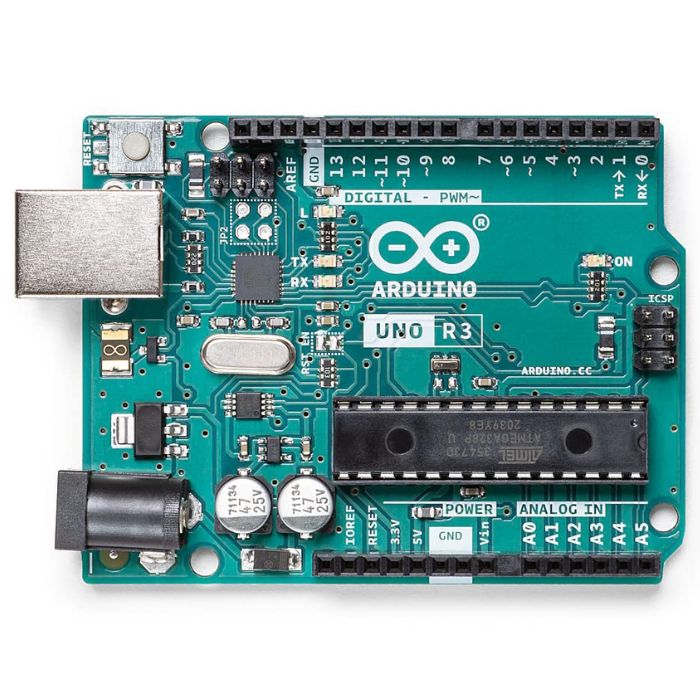
Arduino Boards
Arduino Uno R3
The classic ATmega328P 8-bit microcontroller board, a popular beginner prototyping platform with 14 digital and 6 analog I/O pins.
₹799 + 18% GST
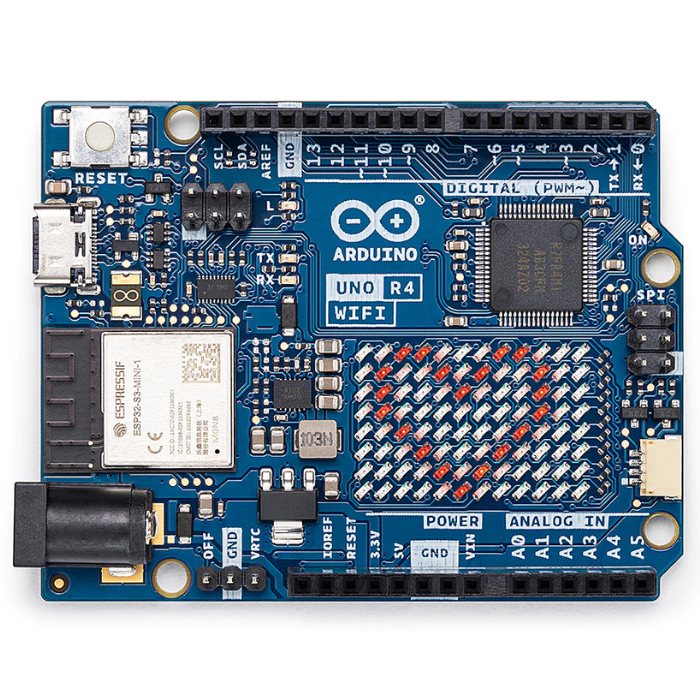
Arduino Boards
Arduino Uno R4 WiFi
Next-gen Uno with 32-bit Renesas RA4M1 Arm Cortex-M4 MCU, ESP32-S3 WiFi/Bluetooth and a built-in 12x8 LED matrix.
₹2,199 + 18% GST
Arduino Boards
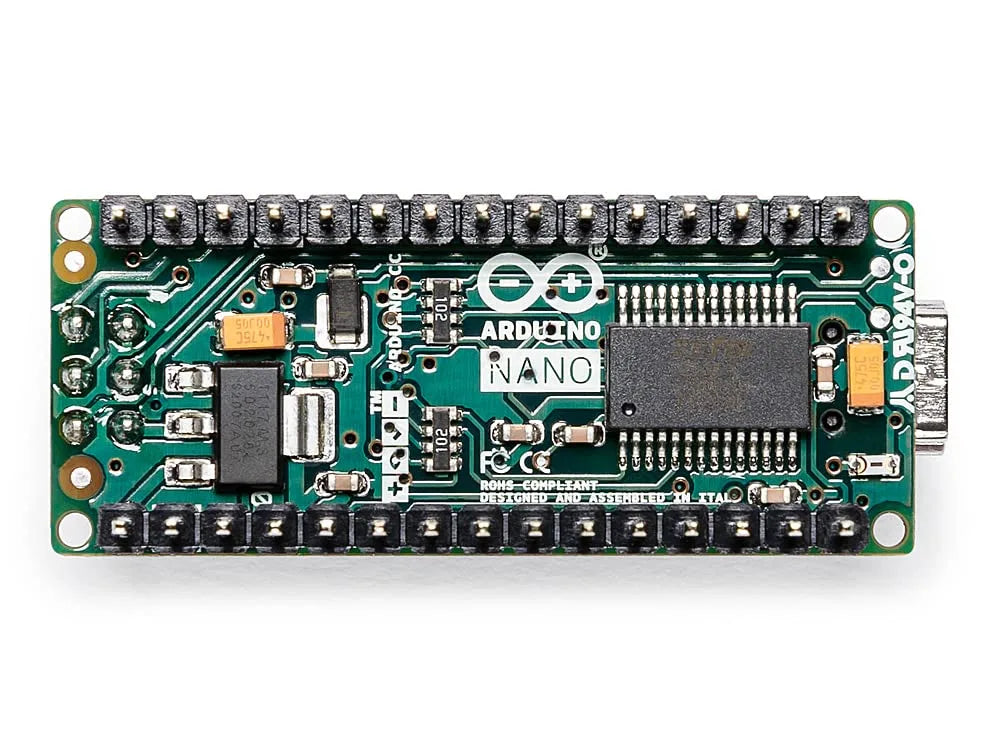
Arduino Nano
Compact breadboard-friendly ATmega328P board with the same core as the Uno in a tiny DIP-mountable form factor.
₹1,499 + 18% GST
Arduino Boards
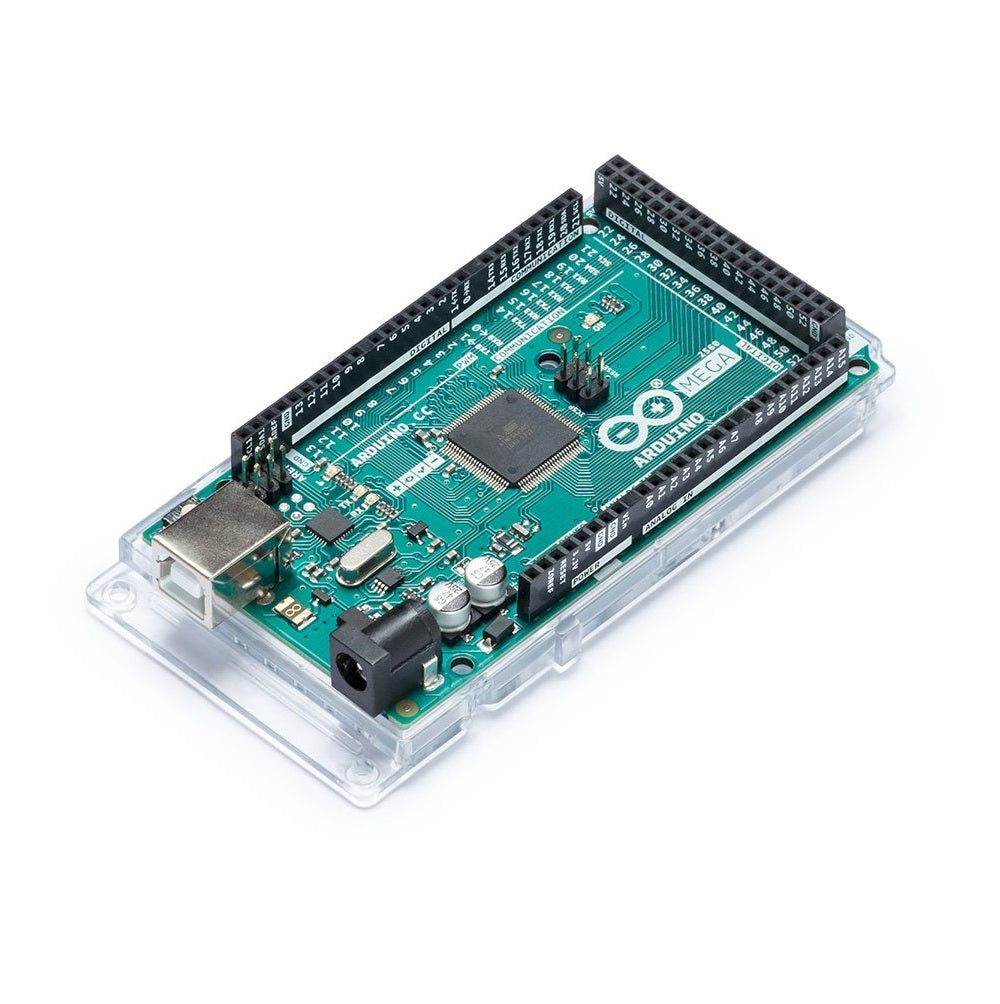
Arduino Mega 2560 R3
High-pin-count ATmega2560 board with 54 digital I/O and 16 analog inputs for larger projects needing many peripherals.
₹2,999 + 18% GST
You may also need
Pairs well with.
Environment
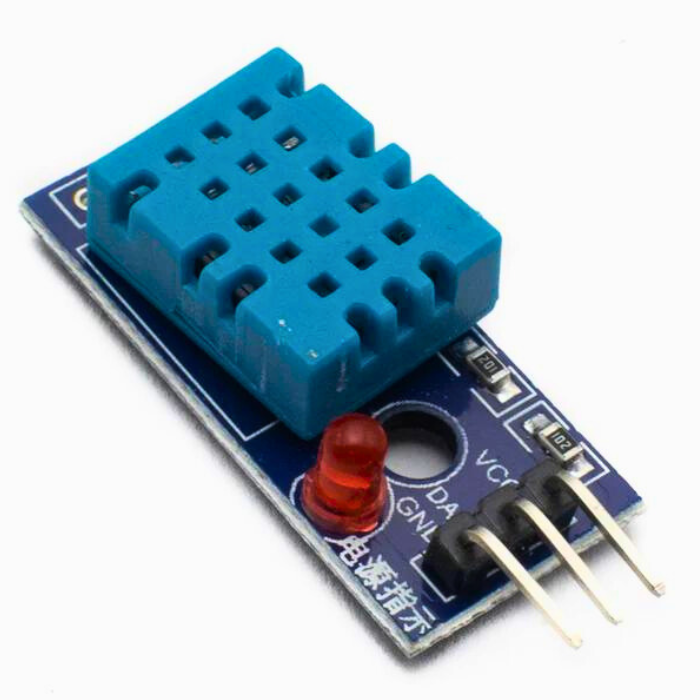
DHT11 Digital Temperature and Humidity Sensor Module
Low-cost single-wire digital temperature (0-50C) and humidity (20-90% RH) sensor, the default beginner Arduino sensor.
₹60 + 18% GST
Breadboards Jumpers
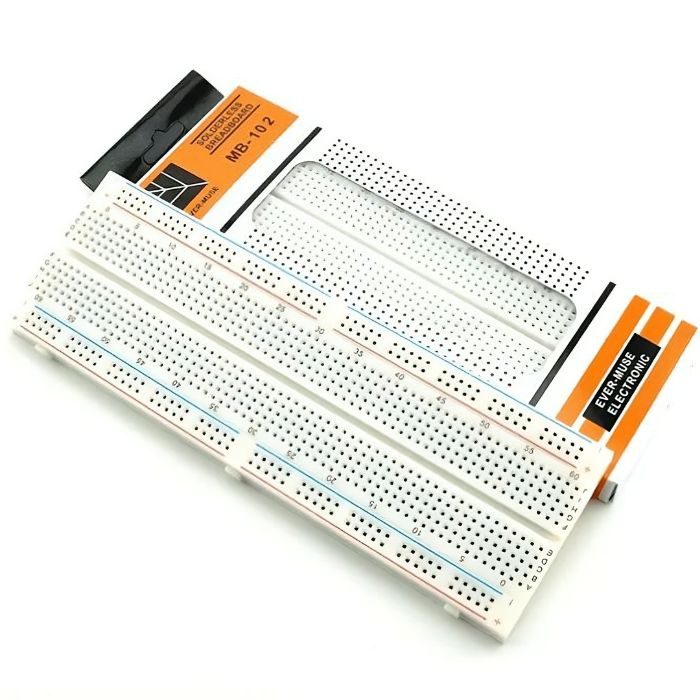
MB102 830 Points Solderless Breadboard
Full-size 830 tie-point solderless prototyping breadboard with power rails, accepts 20-29 AWG wire.
₹90 + 18% GST