2.4 GHz quad-core 64-bit Arm Cortex-A76 CPU, roughly 2-3x faster than the Pi 4
In stock
Raspberry Pi
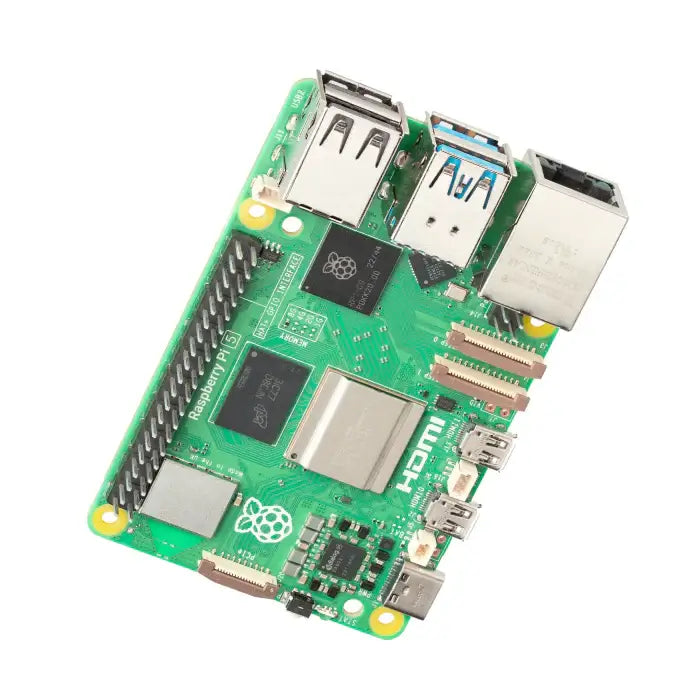
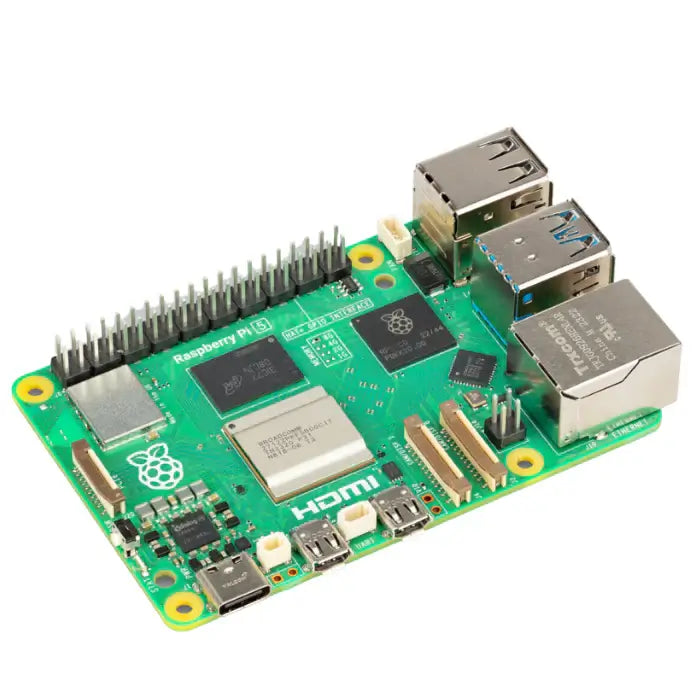
Raspberry Pi 5 (8GB)
Flagship single-board computer with 2.4GHz quad-core Cortex-A76, 8GB RAM, PCIe and dual 4K60 HDMI output.
₹8,499 + 18% GST
SKU: BOTBIT-DEV-05 · Best for: Desktop replacement for browsing, office work, coding and light media at low power
Overview
About Raspberry Pi 5 (8GB).
The Raspberry Pi 5 (8GB) is the flagship single-board computer from Raspberry Pi, delivering a substantial performance leap over previous generations. It runs a 2.4 GHz quad-core Arm Cortex-A76 processor paired with a VideoCore VII GPU and 8GB of LPDDR4X RAM, making it capable enough to serve as a genuine desktop replacement, home server or edge-AI platform.
It is a strong choice in India for developers, tinkerers and small businesses who need real computing power in a tiny, low-power board. New for the Pi 5 are a PCIe 2.0 interface (via a connector) for fast NVMe SSDs and accelerators, dual 4Kp60 HDMI outputs, a dedicated RP1 I/O controller for faster USB and Ethernet throughput, and a real-time clock with battery header. There is also a power button on the board for the first time in the mainstream lineup.
With full 40-pin GPIO compatibility it still runs the huge library of Raspberry Pi HATs and projects, while the extra horsepower opens up computer vision, self-hosted apps, media servers and light AI inference that earlier Pis could not handle smoothly.
Key features
Why it stands out.
8GB LPDDR4X-4267 RAM for demanding desktop, server and multitasking workloads
Dual micro-HDMI outputs supporting two independent 4Kp60 displays
PCIe 2.0 x1 interface (FPC connector) for NVMe SSDs and accelerator HATs
New RP1 I/O controller with 2x USB 3.0, 2x USB 2.0 and true Gigabit Ethernet
On-board power button, real-time clock header and full 40-pin GPIO compatibility
Specifications
Selection facts.
| Processor | Broadcom BCM2712, quad-core Arm Cortex-A76 @ 2.4 GHz |
|---|---|
| GPU | VideoCore VII, supports OpenGL ES 3.1 / Vulkan 1.2 |
| RAM | 8GB LPDDR4X-4267 SDRAM |
| Video Output | 2x micro-HDMI, dual 4Kp60 (HDR support) |
| USB Ports | 2x USB 3.0 + 2x USB 2.0 |
| Networking | Gigabit Ethernet (PoE+ via HAT), dual-band 802.11ac WiFi, Bluetooth 5.0/BLE |
| Expansion | PCIe 2.0 x1 (FPC connector), 40-pin GPIO header |
| Storage | microSD card slot (SDR104), NVMe via PCIe HAT |
| Power Input | 5V/5A (25W) USB-C PD; 5V/3A supported with reduced peripheral current |
| Camera/Display | 2x 4-lane MIPI connectors (camera/display) |
Applications
Where it is used.
- Desktop replacement for browsing, office work, coding and light media at low power
- Home server, NAS or self-hosted apps running on a fast NVMe SSD via PCIe
- Edge AI and computer-vision projects using the camera connectors and extra CPU power
- Media centre and 4K video playback across two displays
- Robotics and automation controllers with GPIO, camera and high-speed peripherals
- Learning Linux, Python, Docker and self-hosting on affordable hardware
Buying guide
How to choose.
Choose the Pi 5 (8GB) when you need the most performance Raspberry Pi offers and want headroom for a desktop, server, multiple containers or AI/vision work. The 8GB model is the pick for memory-hungry tasks; smaller RAM variants exist for lighter workloads.
The Pi 5 draws more power and runs hotter than the Pi 4, so plan for active cooling from the start. If your workload is light IoT or simple GPIO control, the cheaper Pi 4 or Pi Zero 2 W may be more sensible. Buy the Pi 5 when the extra speed and PCIe genuinely help you.
Pair it with the official 27W USB-C PD power supply, an active cooler or case with a fan, and either a fast microSD card (A2-rated) or, better, an NVMe SSD on a PCIe HAT for a big responsiveness boost. Note the Pi 5 uses micro-HDMI, so you need micro-HDMI cables or adapters.
FAQ
Common questions.
What power supply does the Raspberry Pi 5 need?
It is designed for a 5V/5A (25W) USB-C Power Delivery supply, ideally the official Raspberry Pi 27W adapter. It can run on a 5V/3A supply, but then it limits downstream USB current to protect the board, which may not be enough for power-hungry USB devices.
Does the Pi 5 need a cooler or fan?
For sustained heavy loads, yes. The faster CPU produces more heat, and without cooling it will thermally throttle. Raspberry Pi sells an Active Cooler and a case with a fan; either keeps clock speeds high. Light tasks may run fine passively, but cooling is strongly recommended.
Can I add an SSD to the Pi 5?
Yes. The Pi 5 has a PCIe 2.0 connector, and with an M.2 HAT you can attach an NVMe SSD for far faster and more reliable storage than a microSD card. This listing is for the board only; the M.2 HAT and SSD are separate purchases.
Does it still work with older Raspberry Pi accessories and HATs?
The 40-pin GPIO header keeps HAT compatibility, and camera/display connectors work with the standard cameras. However, the Pi 5 uses micro-HDMI (not full-size) and a new power/cooling ecosystem, and some Pi 4 cases and coolers will not fit due to the changed layout.
What operating system does it run and is storage included?
It runs Raspberry Pi OS (a Debian-based Linux) and other supported distributions, flashed with the free Raspberry Pi Imager. Storage is not included; you supply a microSD card or an NVMe SSD. The board typically ships on its own, so plan for power supply, cooling and storage.
Is the Pi 5 much faster than the Pi 4?
Yes. The Cortex-A76 cores at 2.4 GHz plus faster RAM and the new RP1 I/O chip make the Pi 5 roughly 2-3x quicker than the Pi 4 in CPU tasks, with much better USB, Ethernet and storage throughput, which is very noticeable for desktop and server use.
More in Development Boards
Related hardware.
Raspberry Pi
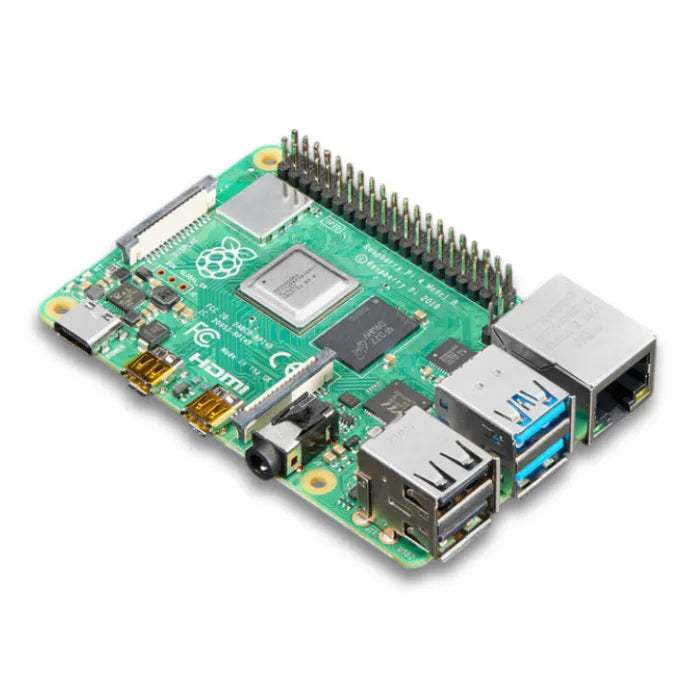
Raspberry Pi 4 Model B (4GB)
Popular quad-core Cortex-A72 SBC with 4GB RAM, dual micro-HDMI, USB 3.0 and Gigabit Ethernet for desktop and IoT use.
₹5,546 + 18% GST
Raspberry Pi
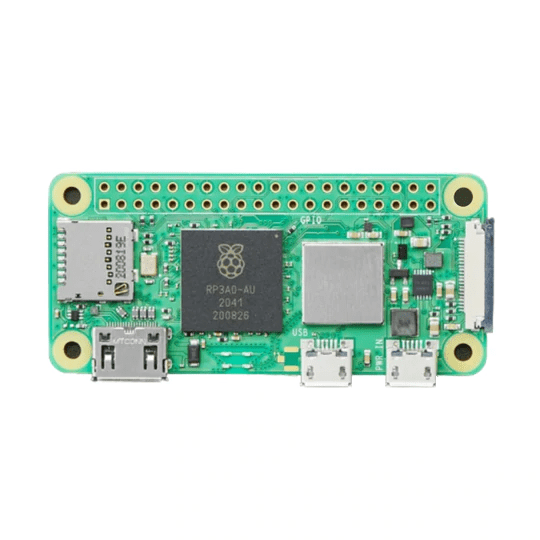
Raspberry Pi Zero 2 W
Ultra-compact SBC with quad-core 64-bit Cortex-A53, 512MB RAM and onboard WiFi/Bluetooth for embedded projects.
₹1,699 + 18% GST
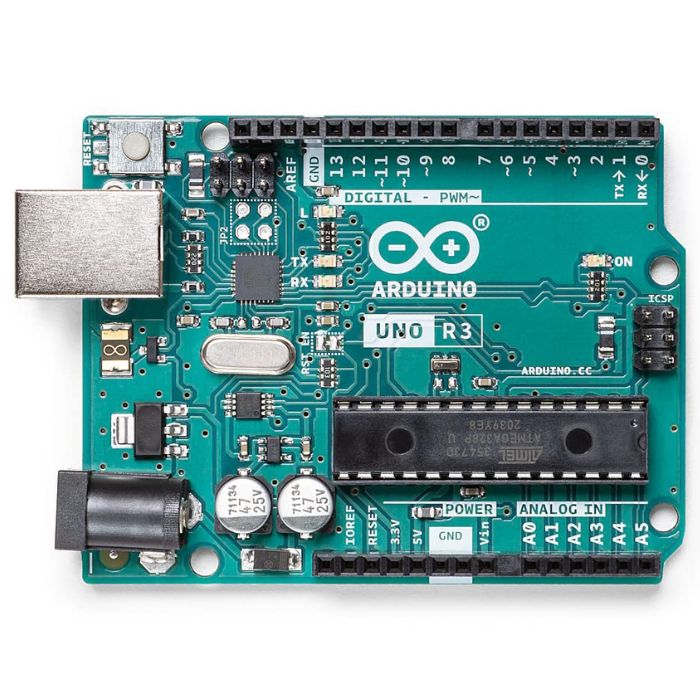
Arduino Boards
Arduino Uno R3
The classic ATmega328P 8-bit microcontroller board, a popular beginner prototyping platform with 14 digital and 6 analog I/O pins.
₹799 + 18% GST
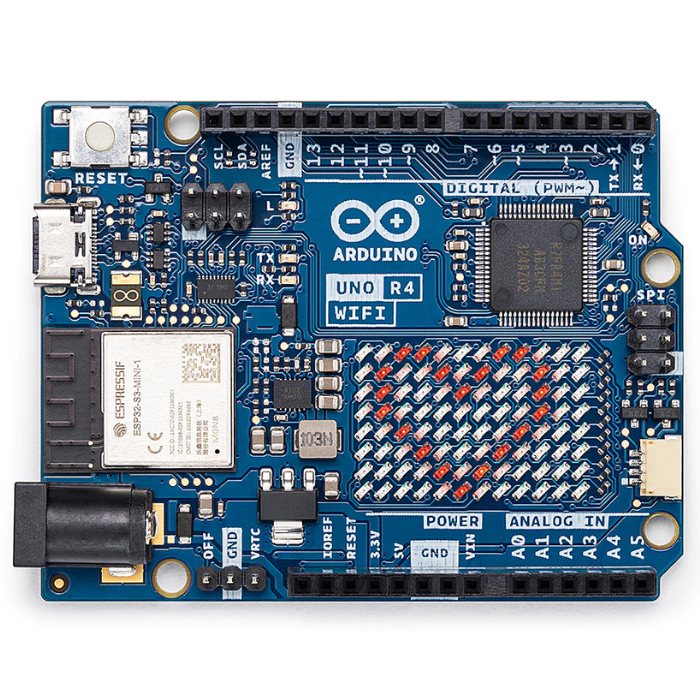
Arduino Boards
Arduino Uno R4 WiFi
Next-gen Uno with 32-bit Renesas RA4M1 Arm Cortex-M4 MCU, ESP32-S3 WiFi/Bluetooth and a built-in 12x8 LED matrix.
₹2,199 + 18% GST
You may also need
Pairs well with.
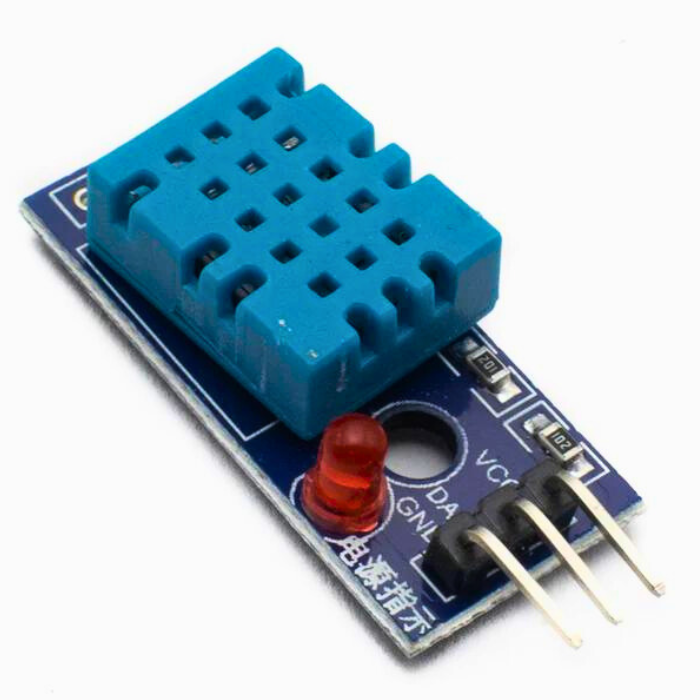
Environment
DHT11 Digital Temperature and Humidity Sensor Module
Low-cost single-wire digital temperature (0-50C) and humidity (20-90% RH) sensor, the default beginner Arduino sensor.
₹60 + 18% GST
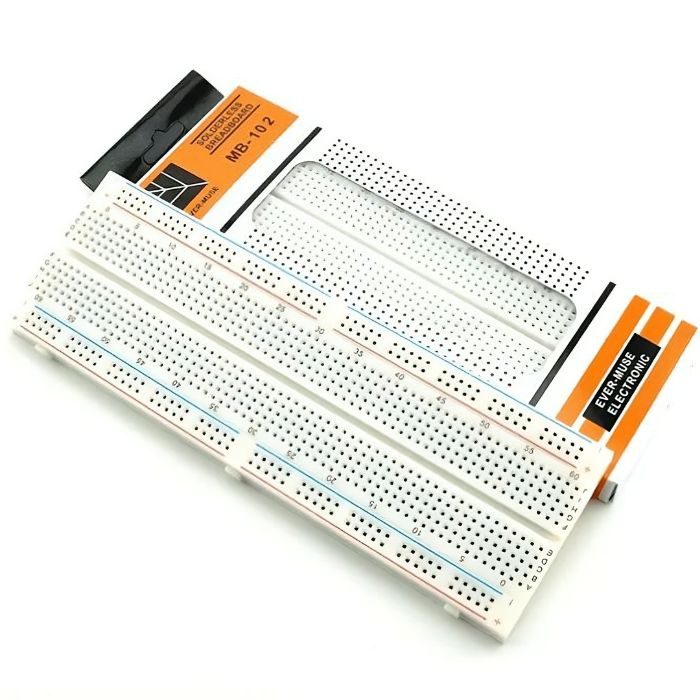
Breadboards Jumpers
MB102 830 Points Solderless Breadboard
Full-size 830 tie-point solderless prototyping breadboard with power rails, accepts 20-29 AWG wire.
₹90 + 18% GST