Detects CO2, ammonia (NH3), NOx, benzene, alcohol and smoke for air-quality sensing
In stock
Gas
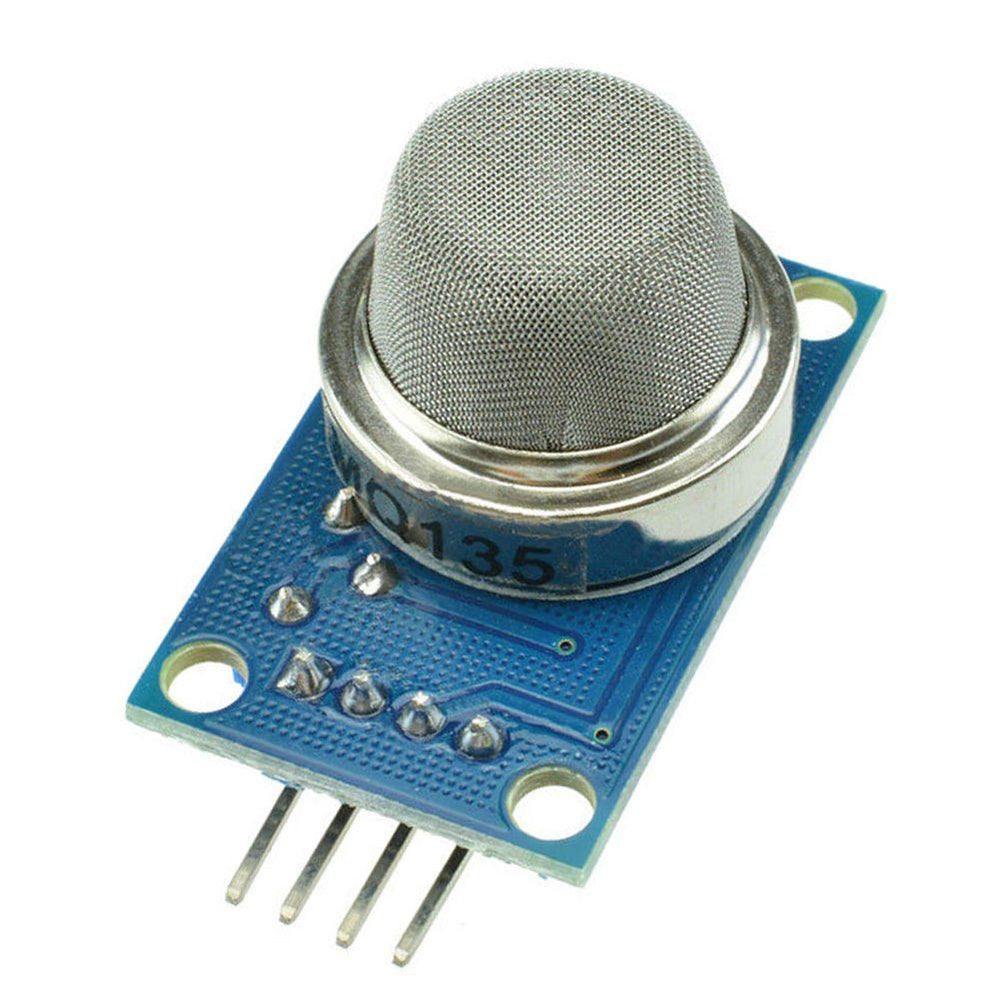
MQ-135 Air Quality Gas Sensor Module
Air quality sensor detecting CO2, ammonia, NOx, benzene and smoke, popular for air-quality and IoT monitors.
₹110 + 18% GST
SKU: BOTBIT-SEN-13 · Best for: DIY indoor air-quality monitors
Overview
About MQ-135 Air Quality Gas Sensor Module.
The MQ-135 is a metal-oxide gas sensor tuned for air-quality monitoring. Its tin-dioxide sensing element responds to a range of pollutant gases including ammonia (NH3), nitrogen oxides (NOx), benzene, alcohol, smoke and carbon dioxide (CO2), giving a combined response that rises as air quality worsens. The module outputs an analog voltage related to overall gas concentration plus a digital threshold-trip output set by an onboard potentiometer.
It is the most popular low-cost sensor for DIY air-quality monitors and IoT environmental dashboards in India, because a single cheap part reacts to many common indoor pollutants. Makers pair it with ESP32 or ESP8266 boards to build WiFi air-quality gadgets that display or log a relative pollution index.
As a MOS sensor, the MQ-135 gives a relative rather than absolute reading and needs warm-up and calibration for meaningful ppm figures, but for trend monitoring and threshold alarms it is easy to use with any microcontroller that has an analog input.
Key features
Why it stands out.
Dual output: analog (pollution-related) and digital (threshold trip)
Onboard LM393 comparator with potentiometer to set the digital alarm level
Broad sensitivity aimed at common indoor air pollutants
Power and digital-output indicator LEDs for easy setup
Simple 4-pin interface (VCC, GND, AO, DO) for Arduino and ESP boards
Specifications
Selection facts.
| Sensor | MQ-135 tin-dioxide (SnO2) MOS gas sensor |
|---|---|
| Target gases | CO2, NH3 (ammonia), NOx, benzene, alcohol, smoke |
| Detection range | Approx. 10 to 300 ppm ammonia / 10 to 1000 ppm benzene (typical) |
| Operating voltage | 5 V DC |
| Outputs | Analog (AO) + Digital (DO) |
| Comparator IC | LM393 |
| Heater / warm-up | Requires preheat; 24-48h burn-in recommended for stable readings |
| Threshold | Adjustable digital threshold via onboard potentiometer |
Applications
Where it is used.
- DIY indoor air-quality monitors
- IoT environmental dashboards with ESP32/ESP8266
- Ventilation and exhaust-fan triggers on poor air quality
- CO2/pollution trend logging in rooms and offices
- Educational air-quality and sensor-calibration projects
- Smoke and stale-air alarms for workshops and labs
Buying guide
How to choose.
Choose the MQ-135 when you want an affordable sensor to track overall indoor air quality and common pollutants like ammonia, benzene and CO2-associated gases. It is ideal for hobby air monitors and IoT dashboards. It is not a calibrated CO2 meter; if you need accurate, true CO2 ppm, an NDIR sensor such as the MH-Z19 or SCD30/SCD41 is the right choice.
Pair it with a microcontroller that has an ADC (Arduino, ESP32, ESP8266) for the analog reading, or use the digital output for a simple threshold alarm. On a Raspberry Pi you need an external ADC for AO but can read DO on a GPIO pin. Set the digital threshold with the onboard potentiometer while watching the output LED.
For any ppm-like output, plan to warm up the sensor and calibrate it in clean air using a library such as MQUnifiedsensor; a longer initial burn-in noticeably improves stability.
FAQ
Common questions.
How do I connect the MQ-135 to an Arduino?
Connect VCC to 5V, GND to GND, AO to an analog pin (like A0) for the reading, and DO to a digital pin if you want the threshold trip. Use a stable 5V supply because the internal heater draws current.
Does it measure true CO2 ppm?
Not accurately. It responds to several gases together and only approximates CO2-related air quality. For precise CO2 measurement use a dedicated NDIR sensor like the MH-Z19 or SCD30.
Do I need a library?
For raw values, no; analogRead() and digitalRead() suffice. To estimate ppm, the MQUnifiedsensor library helps, but it requires calibrating the sensor in clean air first.
Why do readings drift at first?
Like all MQ sensors it needs warm-up time, and a 24-48 hour initial burn-in gives the most stable behaviour. Always let it settle before comparing readings.
Is it available in India?
Yes, the MQ-135 module is widely stocked by Indian electronics retailers and is a standard part for air-quality projects.
What is in the box?
You receive one MQ-135 gas sensor module with the sensing element, LM393 comparator, threshold potentiometer, indicator LEDs and a 4-pin header.
More in Sensors & Modules
Related hardware.
Gas
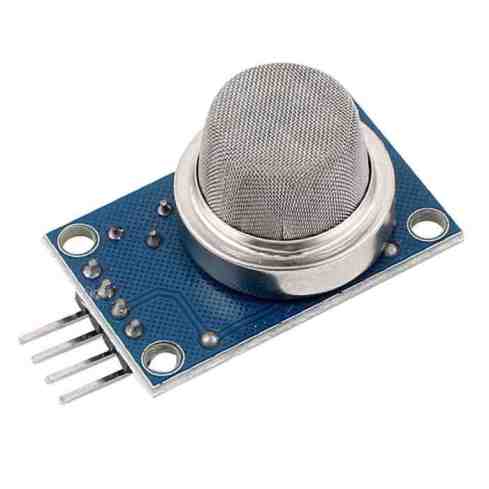
MQ-2 Smoke and Combustible Gas Sensor Module
MQ-2 gas sensor detecting LPG, methane, butane, hydrogen and smoke with analog and digital output.
₹90 + 18% GST
Environment
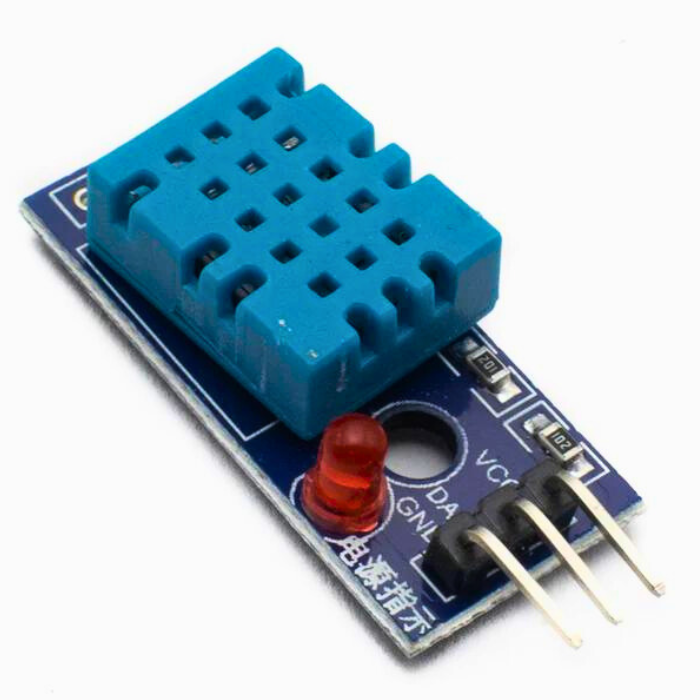
DHT11 Digital Temperature and Humidity Sensor Module
Low-cost single-wire digital temperature (0-50C) and humidity (20-90% RH) sensor, the default beginner Arduino sensor.
₹60 + 18% GST
Environment
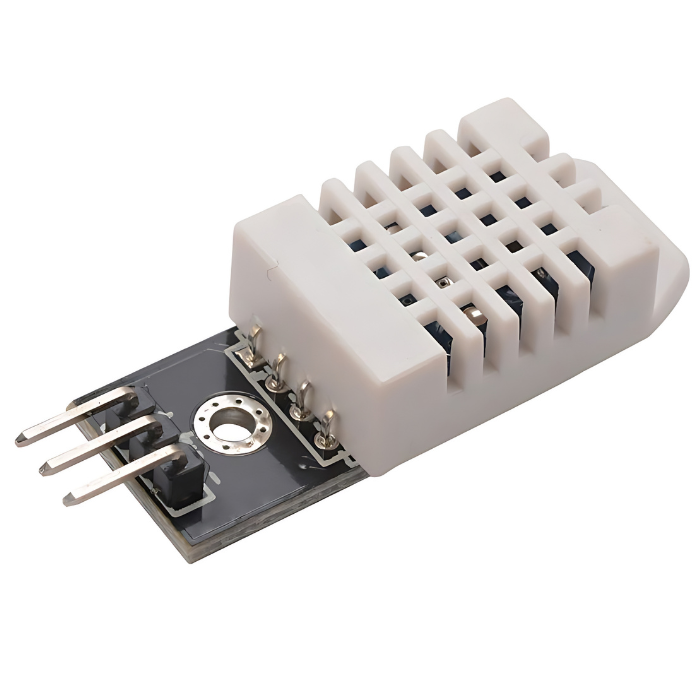
DHT22 / AM2302 Temperature and Humidity Sensor Module
Higher-accuracy digital temperature (-40 to 80C) and humidity (0-100% RH) sensor, upgrade over DHT11.
₹199 + 18% GST
Environment
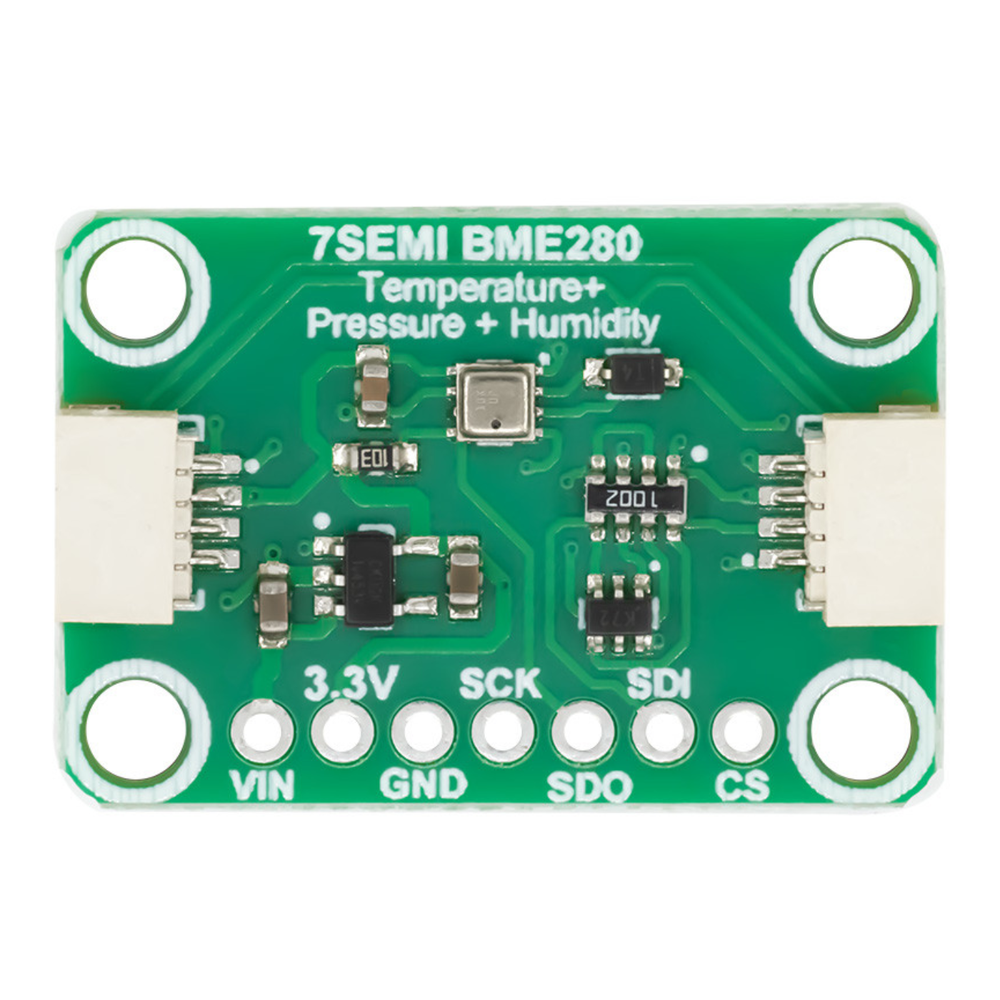
BME280 Temperature Humidity Barometric Pressure Sensor Module (I2C/SPI)
Bosch 3-in-1 sensor measuring temperature, humidity and barometric pressure over I2C/SPI, popular for weather and altitude projects.
₹190 + 18% GST
You may also need
Pairs well with.
Arduino Boards
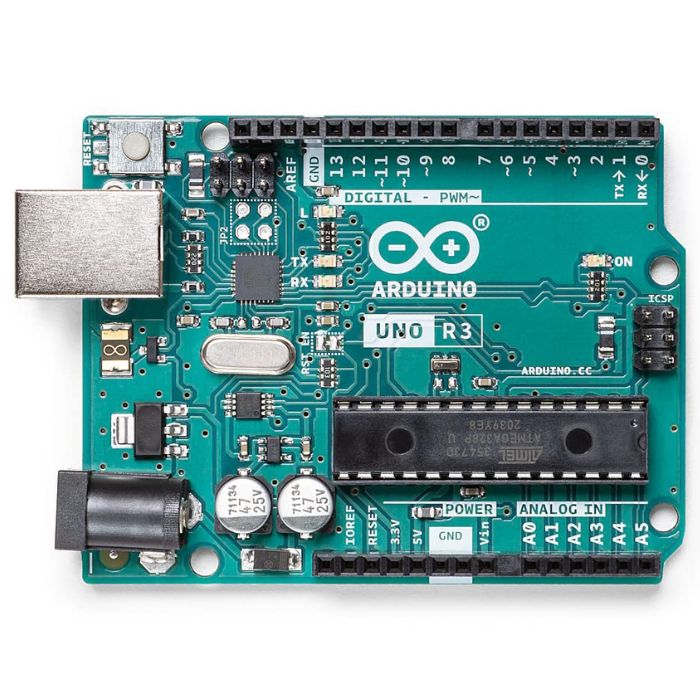
Arduino Uno R3
The classic ATmega328P 8-bit microcontroller board, a popular beginner prototyping platform with 14 digital and 6 analog I/O pins.
₹799 + 18% GST
Breadboards Jumpers
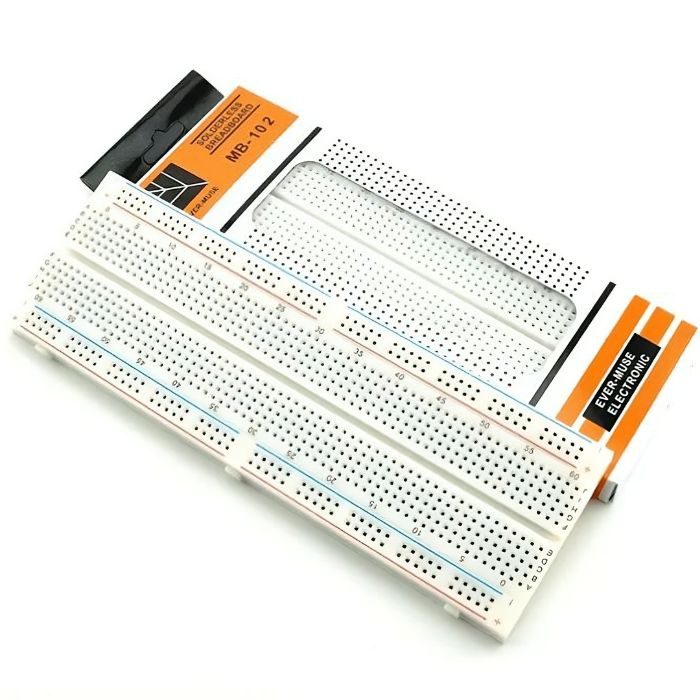
MB102 830 Points Solderless Breadboard
Full-size 830 tie-point solderless prototyping breadboard with power rails, accepts 20-29 AWG wire.
₹90 + 18% GST