RP2350 with dual Arm Cortex-M33 cores at 150MHz (plus dual RISC-V Hazard3 cores)
In stock

Other Mcu Boards
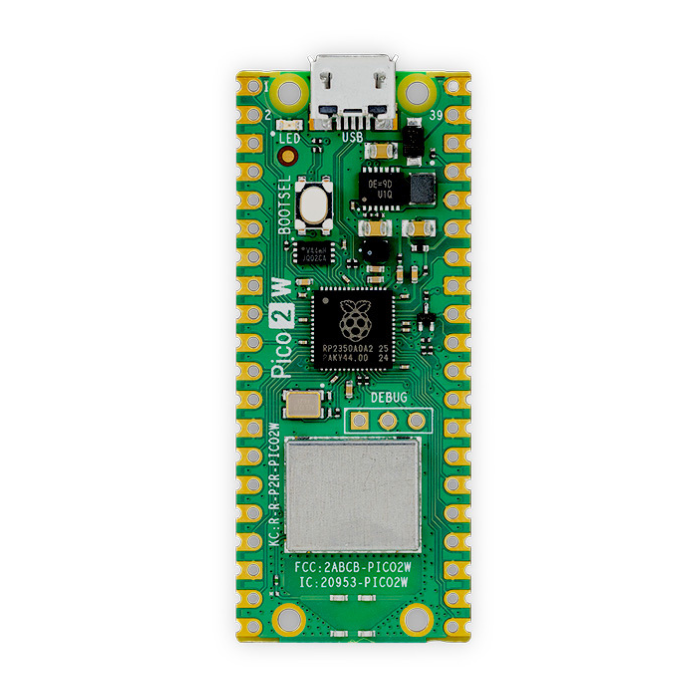
Raspberry Pi Pico 2 W
Upgraded RP2350 board with dual Cortex-M33 cores, more SRAM, 150MHz clock and onboard WiFi/Bluetooth 5.2.
₹749 + 18% GST
SKU: BOTBIT-DEV-09 · Best for: IoT devices needing both WiFi and Bluetooth Low Energy in one board
Overview
About Raspberry Pi Pico 2 W.
The Raspberry Pi Pico 2 W is the wireless flagship of the Pico family, built on the new RP2350 chip. It upgrades the original Pico W with dual Arm Cortex-M33 cores running at 150MHz, a much larger 520KB of SRAM, and onboard 2.4GHz WiFi plus Bluetooth 5.2 through the Infineon CYW43439 module.
A unique feature of the RP2350 is its dual-architecture design: alongside the two Cortex-M33 cores it also contains two open-hardware RISC-V Hazard3 cores, and you can boot into either architecture. It adds hardware security features like Arm TrustZone, signed boot and OTP memory, plus floating-point and DSP extensions on the M33 cores that make it significantly faster for maths-heavy work than the original Pico.
For India buyers, the Pico 2 W is the pick when you want more headroom than the Pico W: more RAM for larger MicroPython programs and buffers, Bluetooth support out of the box, and better performance for audio, sensor fusion or lightweight ML, all while keeping the same 40-pin footprint and low price.
Key features
Why it stands out.
520KB on-chip SRAM, nearly double the original Pico
Onboard 2.4GHz WiFi (802.11n) and Bluetooth 5.2 via Infineon CYW43439
4MB onboard QSPI flash for larger programs and file storage
Hardware security: Arm TrustZone, signed boot, OTP and SHA-256 acceleration
Same 40-pin pinout and 51x21mm footprint as Pico W for easy upgrades
Specifications
Selection facts.
| Microcontroller | Raspberry Pi RP2350 (dual Cortex-M33 / dual RISC-V Hazard3) |
|---|---|
| Clock speed | Up to 150MHz |
| SRAM | 520KB on-chip |
| Flash memory | 4MB onboard QSPI flash |
| Wireless | 2.4GHz 802.11n WiFi + Bluetooth 5.2 (CYW43439) |
| GPIO pins | 26 multi-function GPIO (3.3V logic) |
| Analog inputs | 3x 12-bit ADC channels |
| Interfaces | 2x UART, 2x SPI, 2x I2C, 24x PWM, 12x PIO state machines, USB 1.1 |
| Security | Arm TrustZone, signed boot, OTP, SHA-256 accelerator |
| Input voltage | 1.8V to 5.5V (VSYS); 5V via micro-USB |
Applications
Where it is used.
- IoT devices needing both WiFi and Bluetooth Low Energy in one board
- Larger MicroPython applications that outgrew the original Pico's RAM
- Audio processing, DSP and lightweight TinyML / edge inference projects
- Secure connected products using TrustZone and signed boot
- Bluetooth sensor beacons, BLE peripherals and dual-mode gateways
- Robotics controllers requiring faster floating-point maths
Buying guide
How to choose.
Choose the Pico 2 W over the Pico W when you need Bluetooth 5.2, more SRAM (520KB vs 264KB), the faster 150MHz Cortex-M33 cores, or hardware security features. If your project is simple WiFi-only and cost is critical, the original Pico W is still a great value.
Like the Pico W, it ships without headers. Pair it with a 40-pin header set and a data-capable micro-USB cable, or use it as a castellated surface-mount module. It is pin-compatible with the Pico W so existing carrier boards and HATs generally work.
Note the extra features (RISC-V cores, TrustZone) need the latest SDK/MicroPython builds, so keep your toolchain updated. Pair it with a level shifter for 5V devices, and it works well with I2S audio, BLE sensor modules and sensor breakouts for its extra performance.
FAQ
Common questions.
What is the difference between Pico 2 W and the original Pico W?
The Pico 2 W uses the newer RP2350 with dual Cortex-M33 cores at 150MHz, 520KB SRAM (vs 264KB), 4MB flash (vs 2MB), adds Bluetooth 5.2 and hardware security. It is faster and more capable while keeping the same size and price bracket.
Can it really run RISC-V code?
Yes. The RP2350 contains two RISC-V Hazard3 cores in addition to the two Arm Cortex-M33 cores, and you can choose which architecture to boot. Most users stay on the Arm cores, which have the widest software support.
Does Bluetooth work out of the box?
Yes, the CYW43439 provides Bluetooth 5.2 (BLE and Classic) supported through the official SDK and MicroPython, alongside 2.4GHz WiFi.
Is it 5V tolerant?
No. GPIO run at 3.3V logic and are not 5V tolerant. Use a logic level shifter for 5V sensors or peripherals.
Is it available in India?
Yes, the Pico 2 W is stocked by Indian electronics retailers. As with the Pico W, headers are usually not pre-fitted unless the listing specifies a headers ('WH'-style) variant.
What is in the box?
Just the Pico 2 W board with unpopulated header holes. Headers and USB cable are typically purchased separately.
More in Development Boards
Related hardware.
Other Mcu Boards
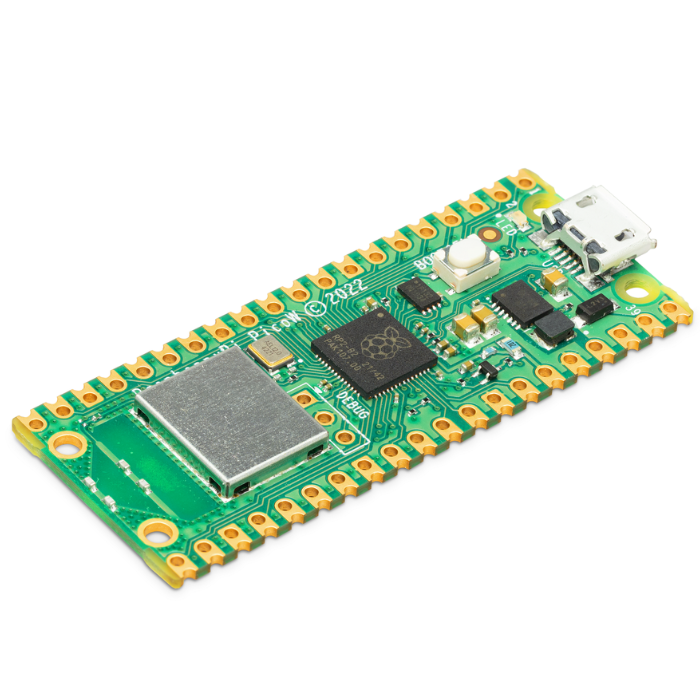
Raspberry Pi Pico W
Low-cost RP2040 dual-core Cortex-M0+ microcontroller board with onboard 2.4GHz WiFi, programmable in C/C++ or MicroPython.
₹599 + 18% GST
Other Mcu Boards
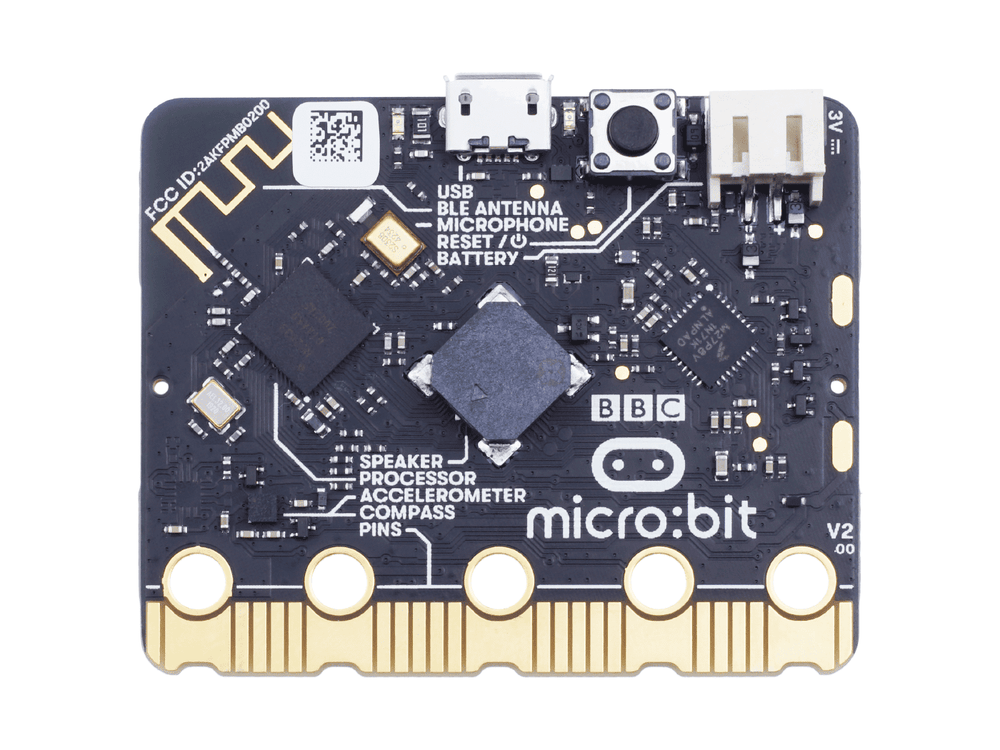
BBC micro:bit V2
Education-focused board with nRF52833 MCU, 5x5 LED display, accelerometer, mic, speaker and Bluetooth for coding lessons.
₹1,999 + 18% GST
Arduino Boards
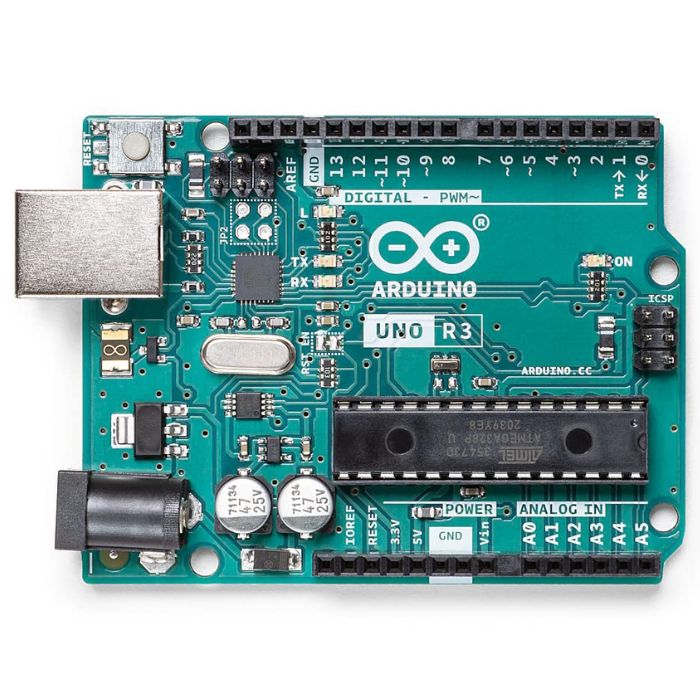
Arduino Uno R3
The classic ATmega328P 8-bit microcontroller board, a popular beginner prototyping platform with 14 digital and 6 analog I/O pins.
₹799 + 18% GST
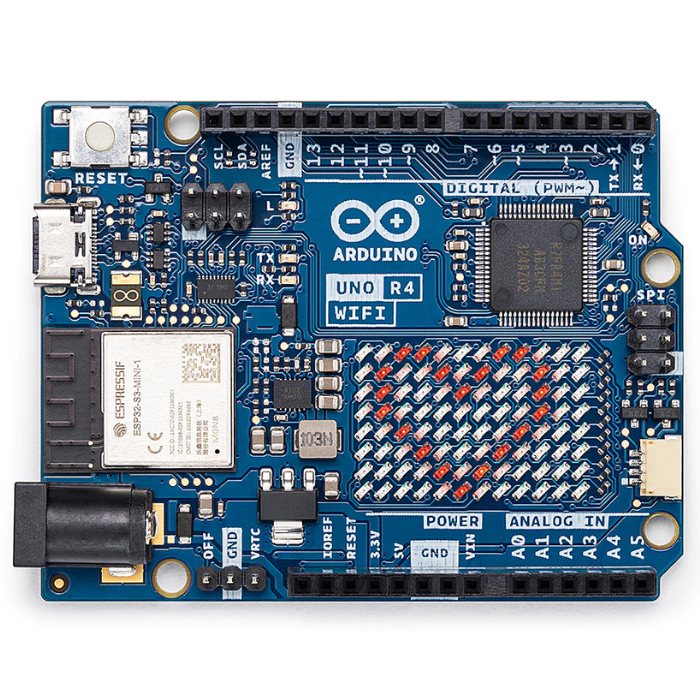
Arduino Boards
Arduino Uno R4 WiFi
Next-gen Uno with 32-bit Renesas RA4M1 Arm Cortex-M4 MCU, ESP32-S3 WiFi/Bluetooth and a built-in 12x8 LED matrix.
₹2,199 + 18% GST
You may also need
Pairs well with.
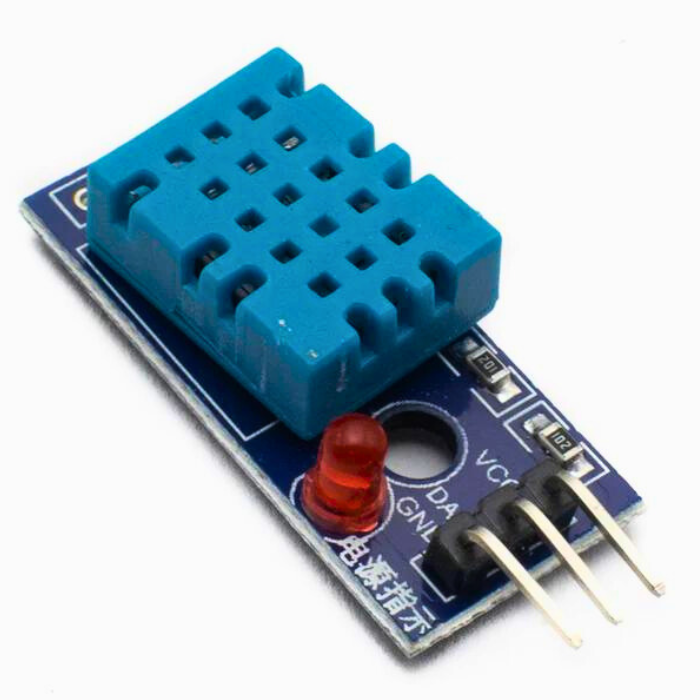
Environment
DHT11 Digital Temperature and Humidity Sensor Module
Low-cost single-wire digital temperature (0-50C) and humidity (20-90% RH) sensor, the default beginner Arduino sensor.
₹60 + 18% GST
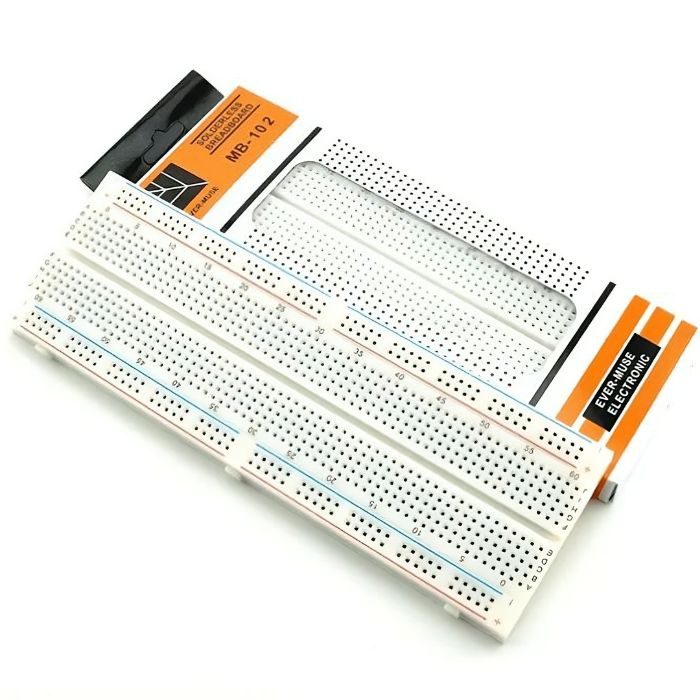
Breadboards Jumpers
MB102 830 Points Solderless Breadboard
Full-size 830 tie-point solderless prototyping breadboard with power rails, accepts 20-29 AWG wire.
₹90 + 18% GST