Sees heat, not light, so faults are found day or night, through smoke or haze, with no external lighting needed
Quote
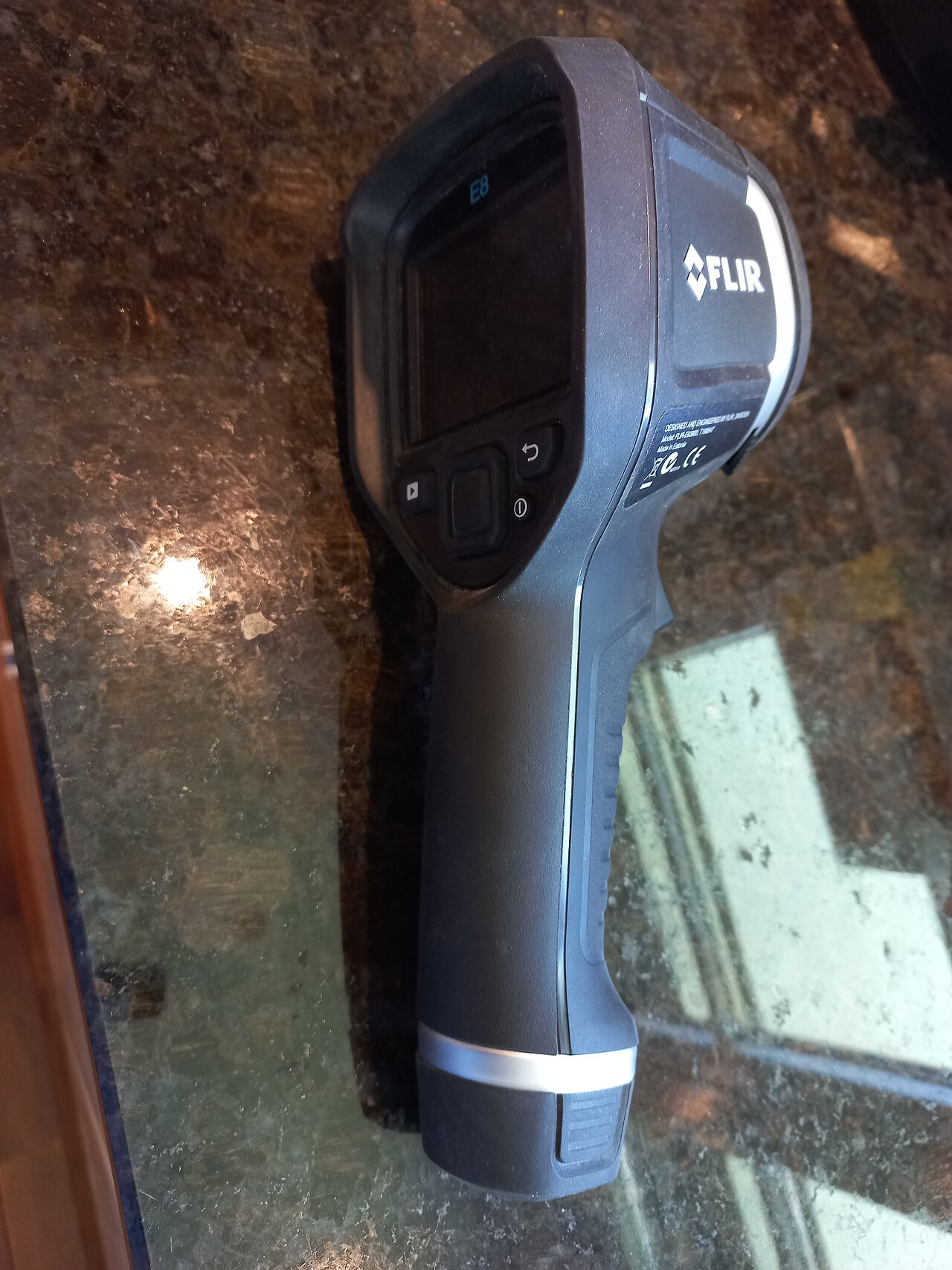
Thermal Cameras
Thermal Inspection Camera (civil)
A civil thermal inspection camera is an infrared imaging tool that lets teams see heat rather than light, turning invisible temperature differences into a colour-mapped image.
Price on request
SKU: BOTBIT-THM-01 · Best for: Solar PV plant surveys to flag hotspots, cell cracks, diode faults and soiling anomalies
Overview
About Thermal Inspection Camera (civil).
A civil thermal inspection camera is an infrared imaging tool that lets teams see heat rather than light, turning invisible temperature differences into a colour-mapped image. Most industrial and drone-mounted units use an uncooled long-wave infrared (LWIR) microbolometer sensor that responds to radiation in roughly the 7.5-14 micron band, so it works day or night and through smoke or light haze without needing an external light source. BotBit configures each system to the survey job, whether it is a handheld unit for switchgear and mechanical rounds or a radiometric payload flown on an inspection drone.
The distinction that matters for buyers is radiometric versus non-radiometric. A radiometric camera records a calibrated temperature value at every pixel, so anomalies can be measured, trended and reported against a baseline; a non-radiometric camera only shows relative hot and cold for visual triage. Sensitivity is described by NETD (the smallest temperature difference the sensor can resolve) and by resolution, and results also depend on correct emissivity settings, reflected temperature and stable ambient conditions during the survey. We help you match sensor grade, lens field of view and radiometric capability to the defects you actually need to catch.
It suits solar EPCs and O&M teams, electrical utilities and substation operators, industrial maintenance and predictive-maintenance groups, building energy auditors and facility managers. Because thermal inspection is used for early fault detection rather than a substitute for electrical or structural testing, we scope it as one layer in a wider condition-monitoring programme and advise on data handling and reporting workflows.
Key features
Why it stands out.
Radiometric options record a temperature at every pixel for measurable, trendable, report-ready inspection data
Uncooled LWIR sensor design keeps the unit compact, low-power and reliable for repeated field rounds and drone flights
Selectable lenses and thermal palettes tune field of view and contrast to solar arrays, switchgear or building envelopes
Configurable as handheld or drone payload so one workflow covers ground rounds and hard-to-reach aerial surveys
Specifications
Selection facts.
| Sensor type | Uncooled LWIR microbolometer (typical) |
|---|---|
| Spectral band | Long-wave infrared, approx. 7.5-14 microns |
| Radiometric options | Radiometric or non-radiometric, per grade selected |
| Sensitivity | Low-NETD grades available for early-fault detection |
| Resolution classes | Entry to high-resolution IR, matched to job |
| Optics | Interchangeable / selectable lens field of view |
| Form factor | Handheld or drone-mounted payload configurations |
| Lawful-use note | Supplied for civil/industrial inspection use only |
Applications
Where it is used.
- Solar PV plant surveys to flag hotspots, cell cracks, diode faults and soiling anomalies
- Electrical inspection of substations, switchgear, busbars and connections for early overheating
- Predictive maintenance of motors, bearings, pumps and rotating machinery
- Building energy audits for heat loss, insulation gaps and thermal bridging
- Moisture and water-intrusion mapping on roofs, facades and flat membranes
- Overhead line and transmission asset inspection from drone-mounted payloads
Buying guide
How to choose.
Start your RFQ with the defects you need to detect and the assets involved. For solar and electrical fault-finding you almost always want a radiometric camera so anomalies can be measured and trended, not just spotted; for quick visual triage a non-radiometric unit may suffice. Tell us the typical stand-off distance and the smallest feature or temperature delta you care about, and whether the unit will be handheld or flown, since that drives sensor grade, resolution class and lens field of view.
Share your operating context: outdoor site conditions, expected ambient range, whether you need a visible camera alongside the IR sensor for picture-in-picture, and your reporting requirements (radiometric image export, emissivity and reflected-temperature control, batch reporting). If the camera is a drone payload, tell us the airframe or gimbal it must integrate with so we can confirm mechanical fit, interface and stabilisation.
All quotes are quote-based (RFQ), reviewed for lawful civil and industrial use, and scoped with lead time by configuration. Send site details, target assets, quantity and any existing inspection standard you follow, and we will propose a matched camera or payload, recommend training or reporting support, and confirm availability for India delivery.
FAQ
Common questions.
What is the difference between a radiometric and non-radiometric thermal camera?
A radiometric camera records a calibrated temperature at every pixel, so you can measure a hotspot, set thresholds and trend it over time. A non-radiometric camera only shows relative hot and cold for visual triage. For solar, electrical and predictive-maintenance work where you need measurable results, choose a radiometric configuration.
Can this camera be used on a drone as well as by hand?
Yes. We configure the same core sensor as a handheld unit or as a drone-mounted radiometric payload. If you intend to fly it, share your airframe or gimbal so we can confirm mechanical fit, electrical interface and stabilisation, and match resolution and lens to your survey altitude and stand-off distance.
How accurate are the temperature readings?
Radiometric accuracy depends on correct emissivity settings, reflected temperature, distance and stable ambient conditions during the survey, not on the camera alone. We supply grades with low NETD for early-fault sensitivity and advise on survey method, but we do not quote fixed accuracy figures because real-world accuracy is site and procedure dependent.
Does thermal inspection replace electrical or structural testing?
No. Thermal imaging is an early-detection and screening layer that flags anomalies before failure, so you can prioritise deeper checks. It complements, and does not replace, electrical testing, non-destructive testing or structural assessment. We scope it as one part of a wider condition-monitoring and maintenance programme.
Is a thermal inspection camera legal to use in India?
Yes for civil and industrial inspection use. These are passive imaging tools used for maintenance, energy audits and asset inspection. If the camera will fly on a drone, normal DGCA drone operating rules apply to the aircraft, and site access and data-handling should follow your organisation's policies. We supply for lawful inspection use only.
How do I request a quote and what should I include?
Send an RFQ describing your assets (for example solar arrays, substations or buildings), the faults you need to catch, handheld or drone use, quantity and any inspection standard you follow. We will propose a matched camera or payload, confirm radiometric capability, lens and reporting options, and provide lead time and India availability.
More in Thermal & Detection
Related hardware.
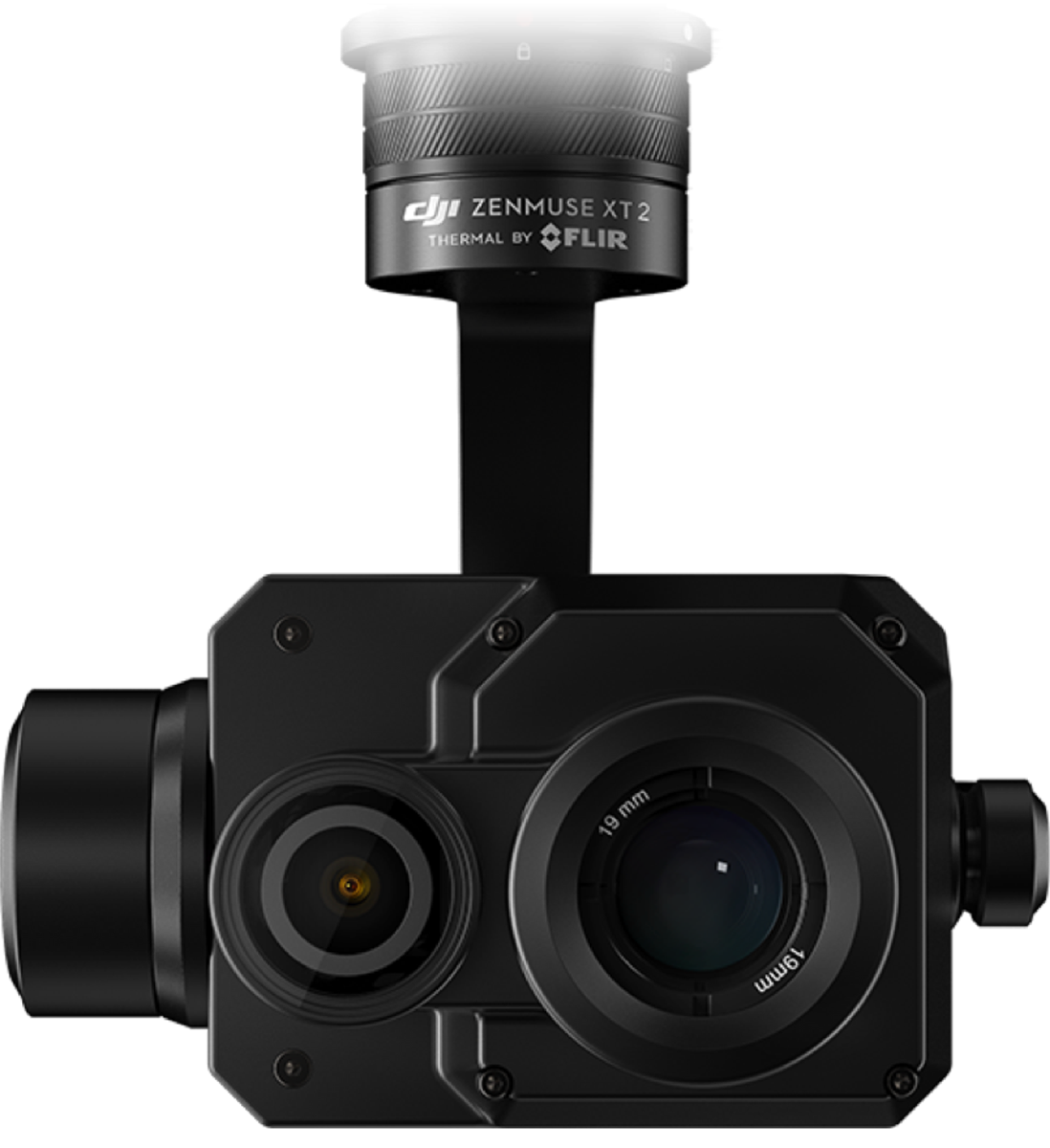
Thermal Cameras
EO/IR Payload
An EO/IR payload is a stabilised, gimballed camera pod that combines an electro-optical (EO) sensor for daylight and zoom imaging with an infrared (IR) thermal sensor for low-light and night imaging.
Price on request
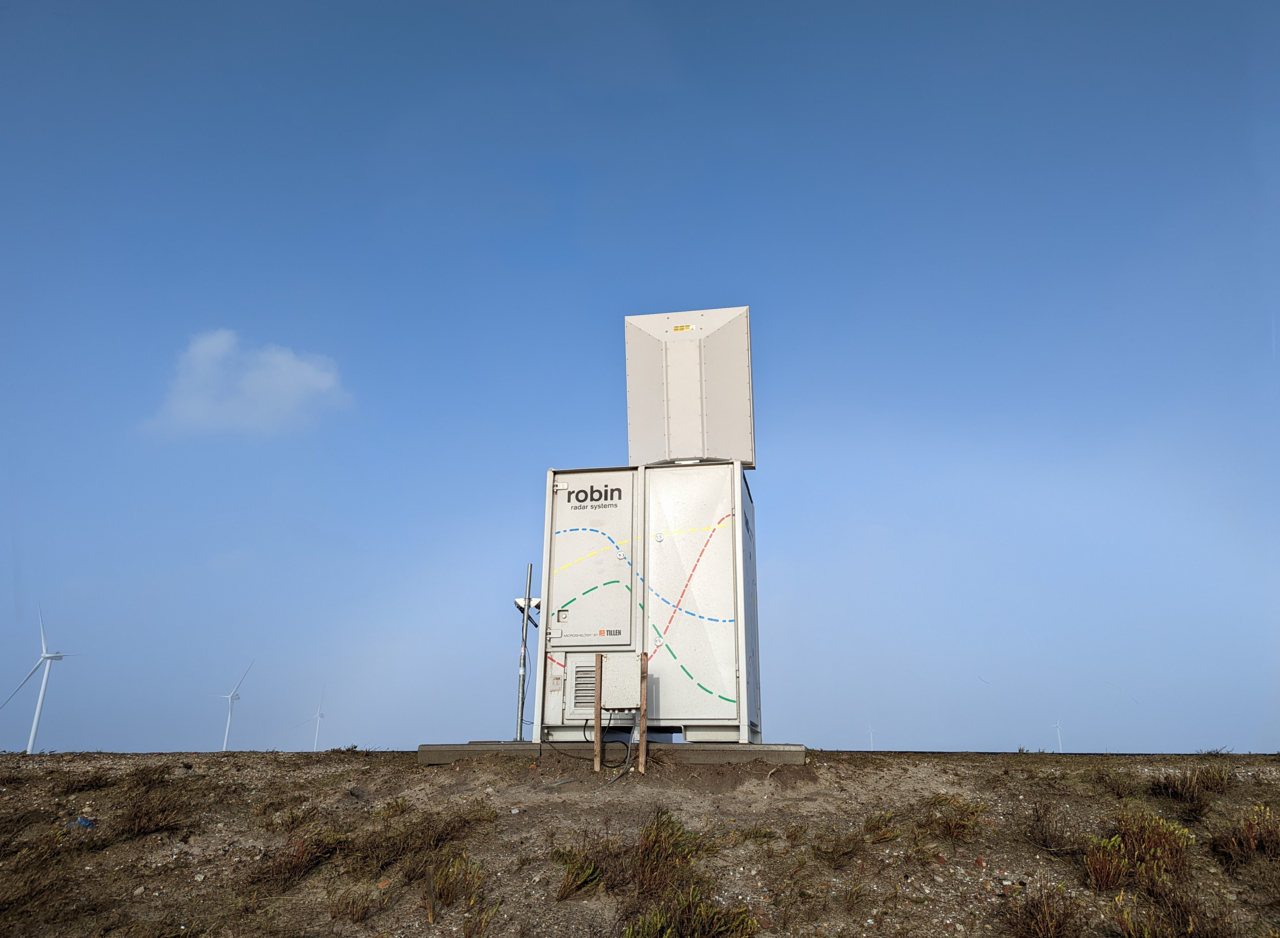
Drone Detection
Drone Detection System
A drone detection system is a sensing solution that provides awareness of unauthorised or unexpected drones in the airspace around a site, so security teams can be alerted and respond according to their own protocols.
Price on request
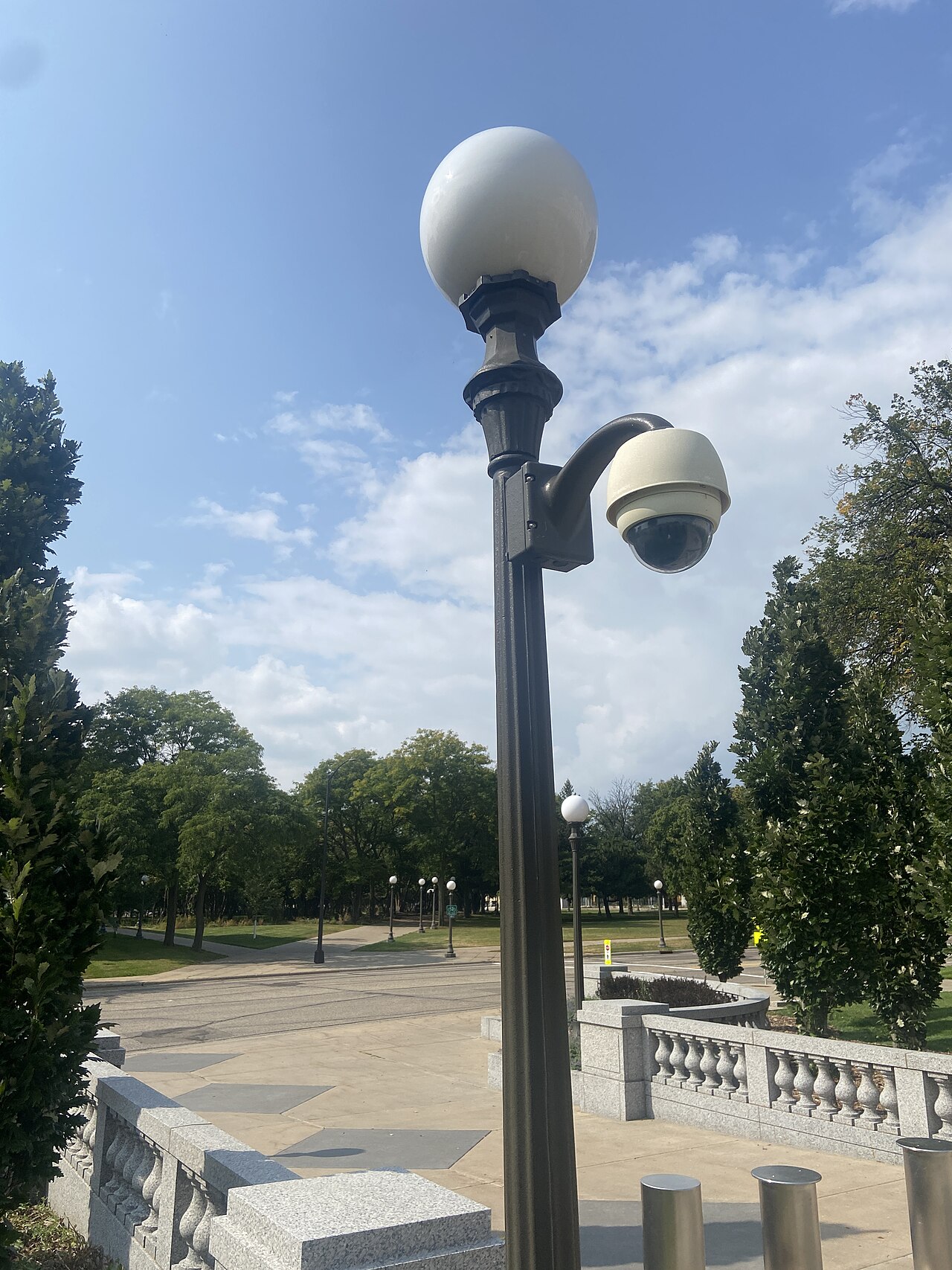
Perimeter Sensing
Perimeter Sensing System
A perimeter sensing system, or perimeter intrusion detection system (PIDS), detects when someone attempts to cross the physical boundary of a site and alerts security before the intruder reaches critical assets.
Price on request
You may also need
Pairs well with.
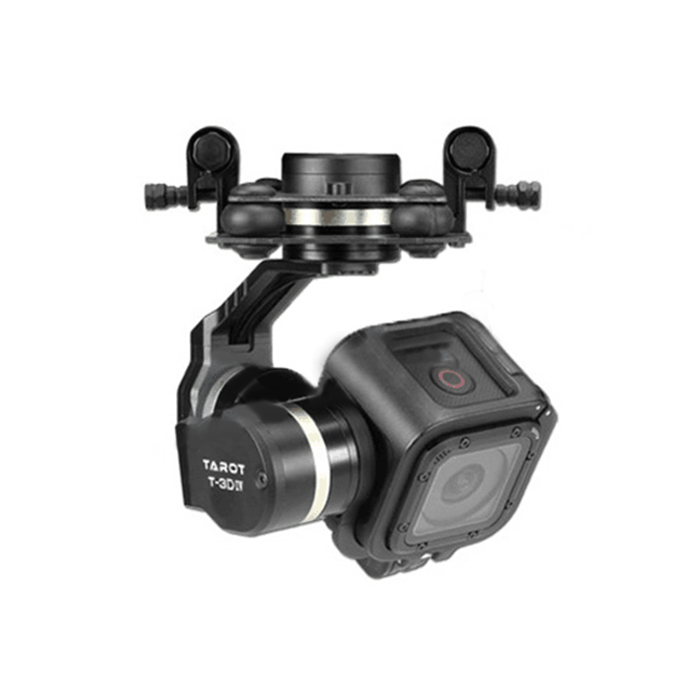
Payload Cameras
Tarot T-3D IV 3-Axis GoPro Gimbal
The Tarot T-3D IV (model TL3T02) is a compact 3-axis brushless gimbal built specifically to carry the GoPro Hero4 Session-class action camera on multirotors, fixed-wing platforms and other RC aircraft.
₹14,999 + 18% GST