Multi-sensor fusion of RF, radar, acoustic and EO/IR inputs for a clearer, more reliable airspace picture
Compliance review
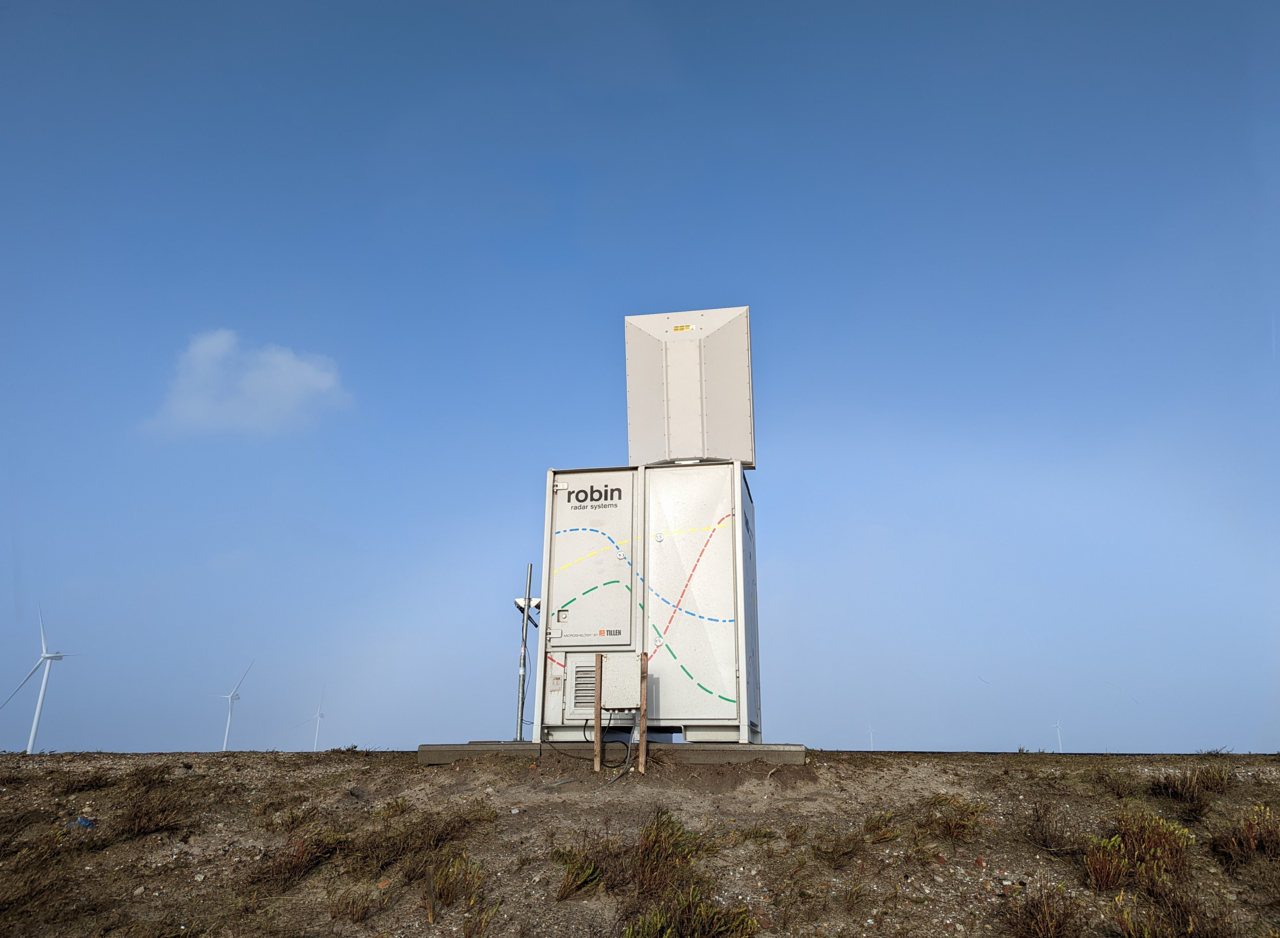
Drone Detection
Drone Detection System
A drone detection system is a sensing solution that provides awareness of unauthorised or unexpected drones in the airspace around a site, so security teams can be alerted and respond according to their own protocols.
Price on request
SKU: BOTBIT-THM-03 · Best for: Airport, helipad and aerodrome airspace awareness
Compliance note: This item is reviewed for lawful, authorized use before fulfilment. Final availability depends on regulation, end-use and applicable export controls.
Overview
About Drone Detection System.
A drone detection system is a sensing solution that provides awareness of unauthorised or unexpected drones in the airspace around a site, so security teams can be alerted and respond according to their own protocols. It works by combining several sensor types rather than relying on any single one: RF sensors that pick up drone control and video links, radar that detects small moving airborne objects, acoustic sensors that recognise rotor sound signatures, and electro-optical/infrared cameras that provide visual confirmation. BotBit scopes detection-focused systems for lawful, defensive situational awareness at civil and critical-infrastructure sites.
The value comes from sensor fusion. Each sensor has strengths and blind spots, so a fused command-and-control layer correlates their inputs to reduce false alarms and build a clearer picture of what is in the airspace, where it is and when it appeared. Acoustic or RF sensors often provide early cueing, radar refines position and track, and EO/IR cameras give visual identification and evidence. The system logs and displays this information so operators have an auditable record and can escalate to the appropriate authority.
It is intended for airports and helipads, critical infrastructure, industrial plants, correctional facilities, stadiums and event venues, and estate or campus security teams who need airspace awareness. Importantly, BotBit supplies detection and awareness capability, described defensively. In India, active countermeasures are out of scope for these products and are reserved for authorised government agencies, subject to WPC, MHA and related lawful-use review; we frame and supply these products for passive detect-and-alert use only.
Key features
Why it stands out.
Early cueing and tracking give security teams time to follow their own response protocols
Correlated detections cut false alarms compared with any single-sensor approach
Visual confirmation via EO/IR cameras provides identification and an auditable evidence record
Scalable coverage from a single building to a large campus or critical-infrastructure perimeter
Specifications
Selection facts.
| System type | Multi-sensor drone detection and awareness |
|---|---|
| Sensor modalities | RF, radar, acoustic, EO/IR (configurable mix) |
| Architecture | Sensor fusion with command-and-control display |
| Primary function | Detect, track, alert, log (awareness only) |
| Coverage | Point, site or wide-area, by configuration |
| Deployment | Fixed-site or relocatable installations |
| Countermeasures | Detection-only; active countermeasures out of scope |
| Lawful-use note | Defensive use; WPC/MHA compliance review applies |
Applications
Where it is used.
- Airport, helipad and aerodrome airspace awareness
- Critical-infrastructure protection at power, water and telecom sites
- Industrial plant and refinery perimeter airspace monitoring
- Stadium, event and VIP-venue situational awareness
- Correctional facility and secure-campus airspace monitoring
- Data-centre and logistics-hub estate security
Buying guide
How to choose.
Start your RFQ by describing the site and the awareness you need. The size of the area, the surrounding RF and physical environment, and how early you need warning all shape the sensor mix. RF sensing is effective against many controlled drones and can classify signals, radar adds range and works on non-emitting targets, acoustic helps at shorter range in cluttered settings, and EO/IR provides visual confirmation. Most robust deployments fuse several of these, so tell us your priorities and constraints.
Share practical details: site plan and boundaries, existing security operations and control room, power and connectivity, and whether the install is fixed or needs to be relocatable. Tell us how you want alerts delivered and logged, and how detection should integrate with your existing VMS or command centre. This lets us right-size coverage and the fusion and reporting layer rather than over-specifying sensors.
These systems are quote-based (RFQ) and supplied for lawful, defensive airspace awareness only. BotBit scopes detection and alerting; in India active countermeasures are reserved for authorised government agencies and are subject to WPC, MHA and related lawful-use review, which we complete before any relevant quotation. Send your site details, coverage goals and quantity, and we will propose a matched detection architecture with lead time and India availability.
FAQ
Common questions.
How does a drone detection system actually detect drones?
It combines multiple sensors: RF sensors read drone control and video links, radar detects small moving airborne objects, acoustic sensors recognise rotor sound, and EO/IR cameras give visual confirmation. A fusion layer correlates these inputs so the system can detect, track and alert with fewer false alarms than any single sensor working alone.
Why use sensor fusion instead of one sensor?
Every sensor has blind spots. RF misses autonomous drones that are not transmitting, acoustic is limited in noisy areas, and optical needs line of sight. Fusing RF, radar, acoustic and EO/IR covers each other's gaps, improves detection reliability and location accuracy, and cuts false alarms, giving operators a clearer and more trustworthy airspace picture.
Does this system take active countermeasures against drones?
No. BotBit supplies detection and awareness only: the system detects, tracks, alerts and logs so your team can follow its response protocols. In India, active countermeasures are out of scope for these products and are reserved for authorised government agencies, subject to WPC, MHA and related lawful-use review. We supply these products for passive detect-and-alert use only.
Is drone detection legal for a private or industrial site in India?
Passive detection and awareness are generally the appropriate, lawful path for civil and industrial sites, and that is what we scope. Because RF and radio-linked equipment can touch WPC and related regulations, and active countermeasures are restricted, we complete a compliance and lawful-use review as part of the quotation to keep your deployment on the right footing.
How large an area can one system cover?
Coverage ranges from a single building or point asset to a large campus or wide-area perimeter, depending on the sensor mix and how many nodes are deployed. Radar and layered sensors extend range, while acoustic and short-range RF suit tighter zones. We size coverage to your site plan and priorities during the RFQ.
What should I include in a drone detection RFQ?
Send your site plan and boundaries, the area you need covered, the surrounding environment, existing security operations and control room, power and connectivity, and how you want alerts delivered and logged. We will propose a matched, fusion-based detection architecture, complete the lawful-use review, and provide lead time and India availability.
More in Thermal & Detection
Related hardware.
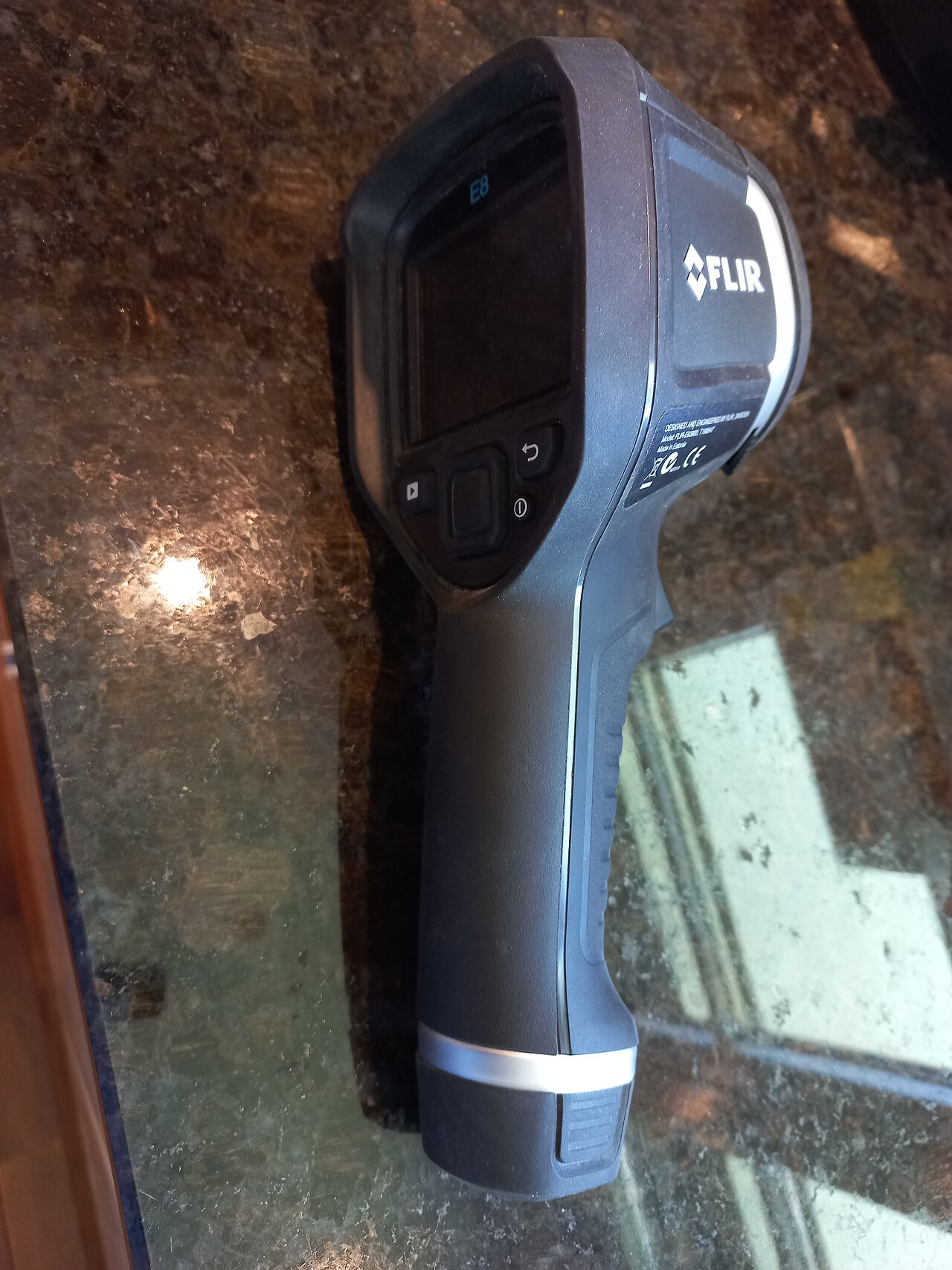
Thermal Cameras
Thermal Inspection Camera (civil)
A civil thermal inspection camera is an infrared imaging tool that lets teams see heat rather than light, turning invisible temperature differences into a colour-mapped image.
Price on request
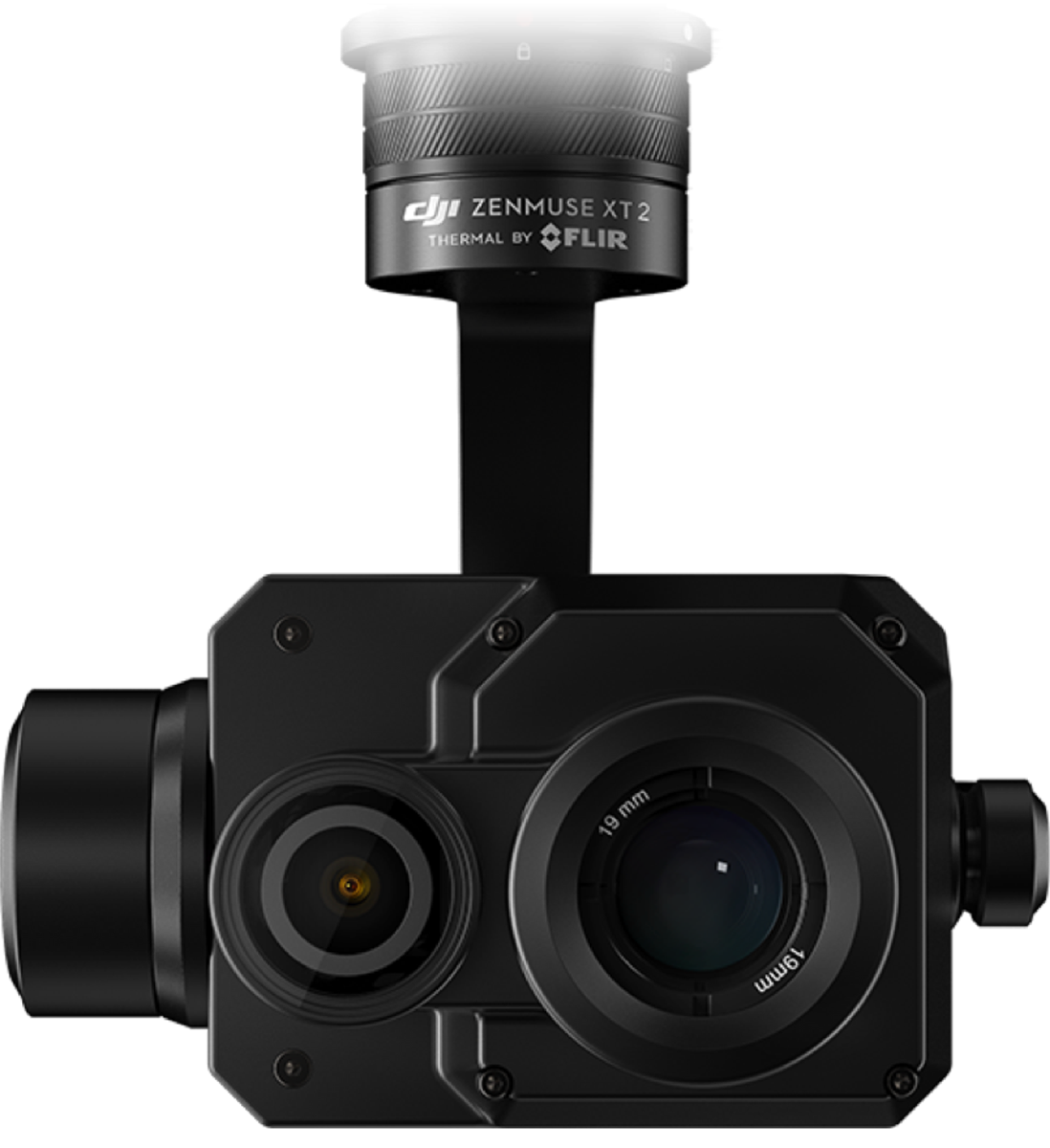
Thermal Cameras
EO/IR Payload
An EO/IR payload is a stabilised, gimballed camera pod that combines an electro-optical (EO) sensor for daylight and zoom imaging with an infrared (IR) thermal sensor for low-light and night imaging.
Price on request
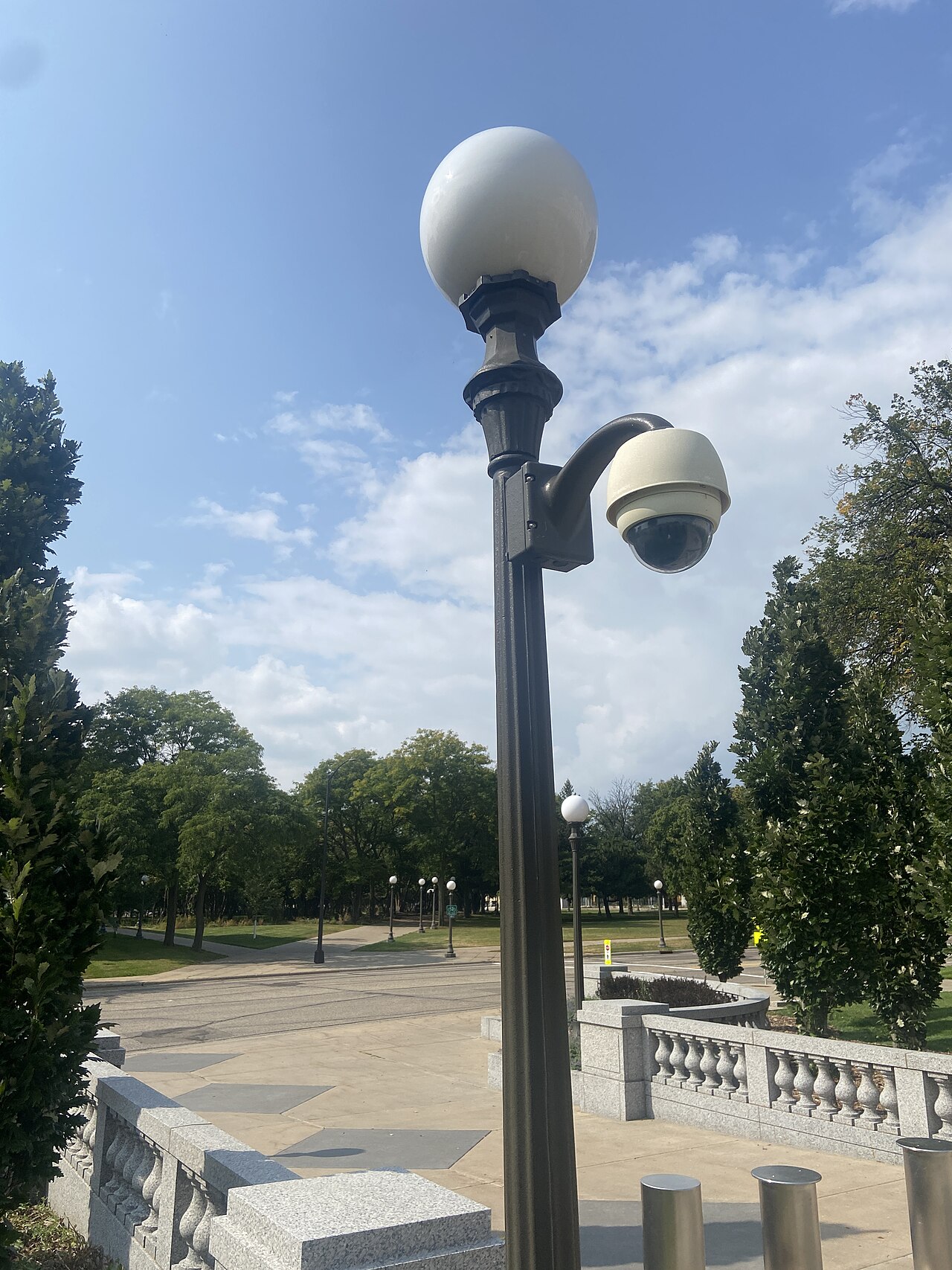
Perimeter Sensing
Perimeter Sensing System
A perimeter sensing system, or perimeter intrusion detection system (PIDS), detects when someone attempts to cross the physical boundary of a site and alerts security before the intruder reaches critical assets.
Price on request