Three brushless motors with built-in IMU deliver smooth, vibration-free aerial footage from a GoPro Session-class camera
In stock
Payload Cameras
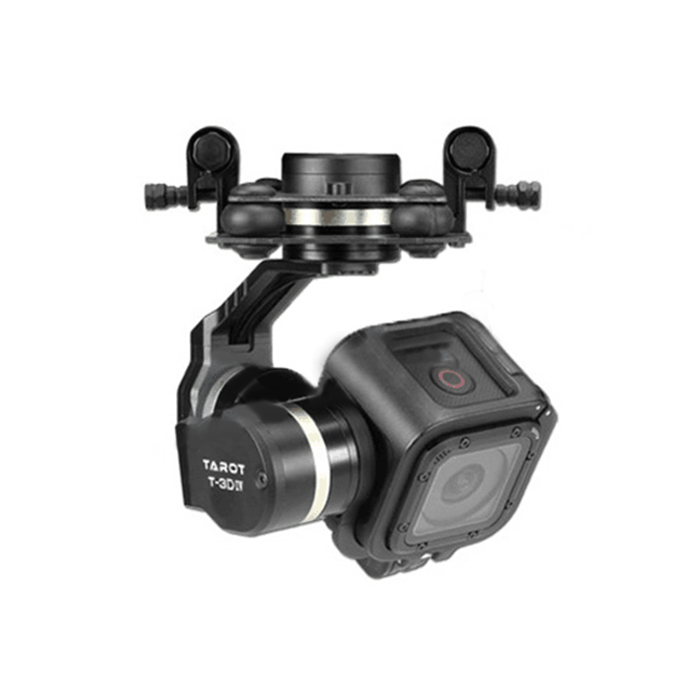
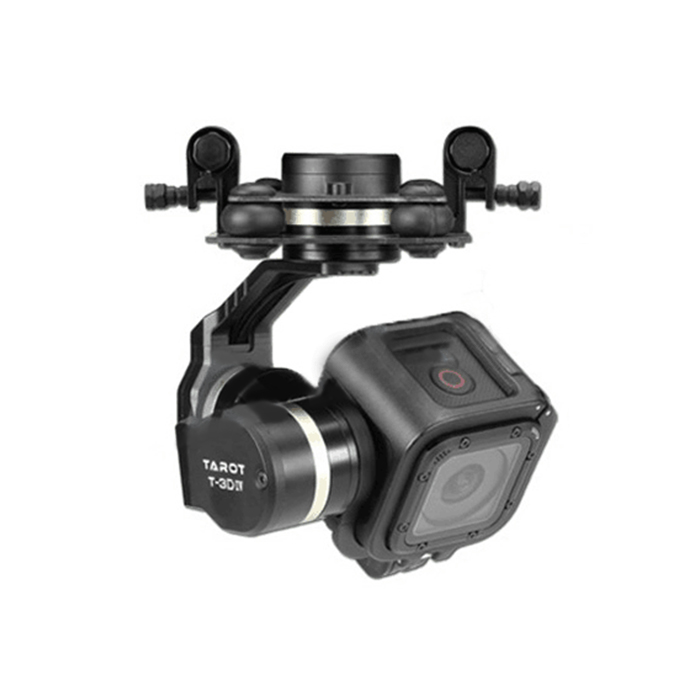
Tarot T-3D IV 3-Axis GoPro Gimbal
The Tarot T-3D IV (model TL3T02) is a compact 3-axis brushless gimbal built specifically to carry the GoPro Hero4 Session-class action camera on multirotors, fixed-wing platforms and other RC aircraft.
₹14,999 + 18% GST
SKU: BOTBIT-PAY-01 · Best for: Stabilized aerial video and FPV cinematography on multirotor drones
Overview
About Tarot T-3D IV 3-Axis GoPro Gimbal.
The Tarot T-3D IV (model TL3T02) is a compact 3-axis brushless gimbal built specifically to carry the GoPro Hero4 Session-class action camera on multirotors, fixed-wing platforms and other RC aircraft. It uses three brushless motors driven by a built-in IMU control module and a dedicated servo-drive board, which together sense and counteract pitch, roll and yaw motion in real time. The result is smooth, jello-free footage even when the airframe is vibrating, banking or fighting wind, with quoted attitude-control accuracy of about plus or minus 0.02 degrees.
Mechanically the unit is a lightweight metal-and-composite frame that mounts the camera between dual roll and pan arms, keeping the lens level while the aircraft maneuvers. It supports two operating modes: Pan Follow (PF), where the camera smoothly tracks the heading of the aircraft, and First Person View (FPV) mode, which locks the camera to follow flight attitude for an immersive pilot's-eye view. The gimbal runs directly from a 3S to 6S LiPo and can be commanded over standard receiver channels or paired with Tarot's ZYX-M flight controller.
It is aimed at FPV and aerial-video builders, mapping and inspection hobbyists, and integrators assembling camera drones around a Session-form-factor camera who want stabilized output without the bulk and weight of a larger handle-style gimbal.
Key features
Why it stands out.
High attitude-control accuracy of about plus or minus 0.02 degrees keeps the horizon level during aggressive flight
Pan Follow and FPV modes let you switch between smooth tracking shots and immersive pilot-view framing
Lightweight ~153 g metal frame minimizes payload penalty so it suits compact multirotors and wings
Wide 3S-6S LiPo input and ZYX-M flight-controller compatibility simplify integration into existing builds
Specifications
Selection facts.
| Type | 3-axis brushless gimbal (TL3T02) |
|---|---|
| Compatible camera | GoPro Hero4 Session (and same-size cameras) |
| Input voltage | 3S-6S LiPo (11V-26V) |
| Working current | 30 mA @ 25V / 50 mA @ 12V |
| Stall current | 350 mA @ 25V / 700 mA @ 12V |
| Attitude control accuracy | +/- 0.02 deg |
| Max controllable speed | +/- 200 deg/s (all axes) |
| Tilt range | -120 deg to +80 deg |
| Pan range | -125 deg to +125 deg |
| Weight | ~153 g |
Applications
Where it is used.
- Stabilized aerial video and FPV cinematography on multirotor drones
- Camera payload for fixed-wing and wing-style RC platforms
- Roof, tower and infrastructure visual inspection flights
- Real-estate and event aerial photography
- Hobby mapping and survey passes with a Session-class camera
- RC ground-vehicle and gimbal-on-rig stabilized capture
Buying guide
How to choose.
Confirm camera fit before buying: the T-3D IV is dimensioned for the GoPro Hero4 Session form factor. If you run a full-size Hero or a newer larger GoPro, choose a different Tarot mount (for example the T4-3D family) instead, because the cradle geometry and balance are specific to the Session shape.
Match it to your power and control system. The gimbal accepts a wide 3S-6S input, so it works on most multirotor packs, but plan for clean power and confirm whether you will command it via spare receiver channels or through a Tarot ZYX-M flight controller. Builders wanting integrated tilt control and mode switching benefit from the flight-controller pairing.
Budget for vibration isolation. Like any brushless gimbal, footage quality depends heavily on a well-damped mounting plate and a balanced airframe. Pair it with quality anti-vibration mounts and balanced props, and treat the quoted ~153 g as airframe payload when sizing your motors and battery.
FAQ
Common questions.
Which camera does the Tarot T-3D IV fit?
It is designed for the GoPro Hero4 Session and other cameras of the same compact cube size. It is not intended for full-size GoPro Hero bodies, which have different dimensions and weight. Always check the physical fit of your camera before purchase, since the cradle and balance are tuned for the Session form factor.
What is the input voltage for this gimbal?
The T-3D IV accepts a 3S to 6S LiPo, roughly 11V to 26V, so it runs from most common multirotor flight packs. Typical working current is about 30 mA at 25V, with much higher stall current, so route it on clean, adequately rated power leads for stable motor performance.
What is the difference between Pan Follow and FPV mode?
In Pan Follow mode the camera smoothly tracks the aircraft heading for natural cinematic panning while keeping the horizon level. In FPV mode the camera follows flight attitude to give an immersive pilot's-eye perspective. You select the mode through your control link or flight controller depending on the shot you want.
How heavy is the T-3D IV and does it affect flight time?
The gimbal weighs about 153 g without the camera. Add the camera weight and treat the total as payload when sizing motors, propellers and battery. Heavier payloads reduce flight time, so confirm your drone has adequate thrust margin before fitting it.
Can I control the tilt and modes during flight?
Yes. The gimbal has a built-in IMU and servo-drive module and can be commanded over receiver channels or via a Tarot ZYX-M flight controller, allowing in-flight tilt adjustment and mode switching. The exact wiring depends on your radio and flight controller configuration.
Does it work for FPV racing or aggressive flying?
It is built for stabilized capture rather than racing telemetry, but its quoted +/- 200 deg/s controllable speed and +/- 0.02 deg accuracy let it hold a level horizon during banking and dynamic maneuvers. For best results pair it with vibration isolation and a balanced airframe.
More in Drone Components
Related hardware.
Payload Cameras
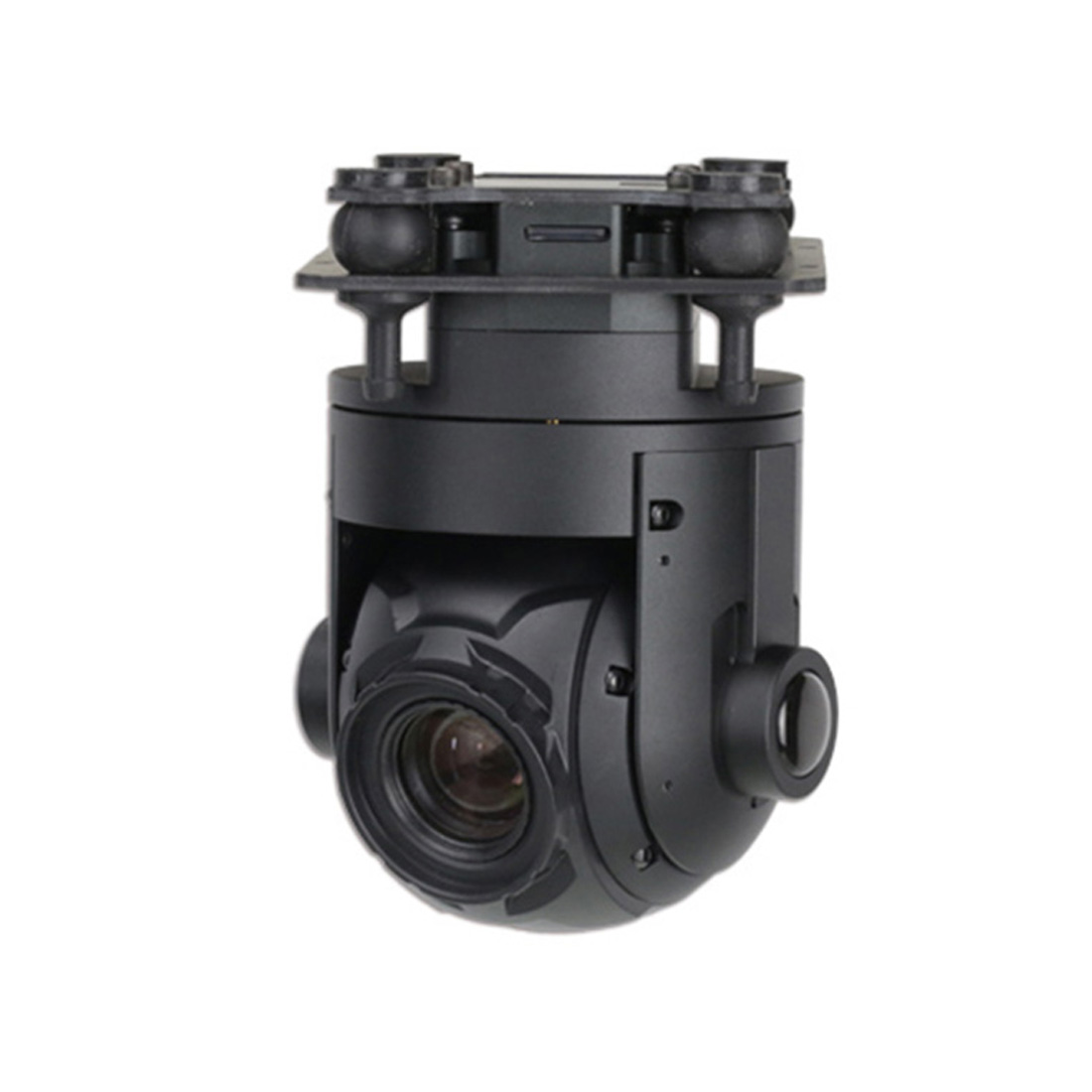
Tarot TL10X-T2D 10x Zoom Gimbal Camera
The Tarot TL10X-T2D is a 2-axis stabilized ball gimbal with an integrated 10x optical-zoom camera, designed as a ready-to-fly observation and inspection payload for UAVs and unmanned ground/marine platforms.
₹72,999 + 18% GST
Payload Cameras
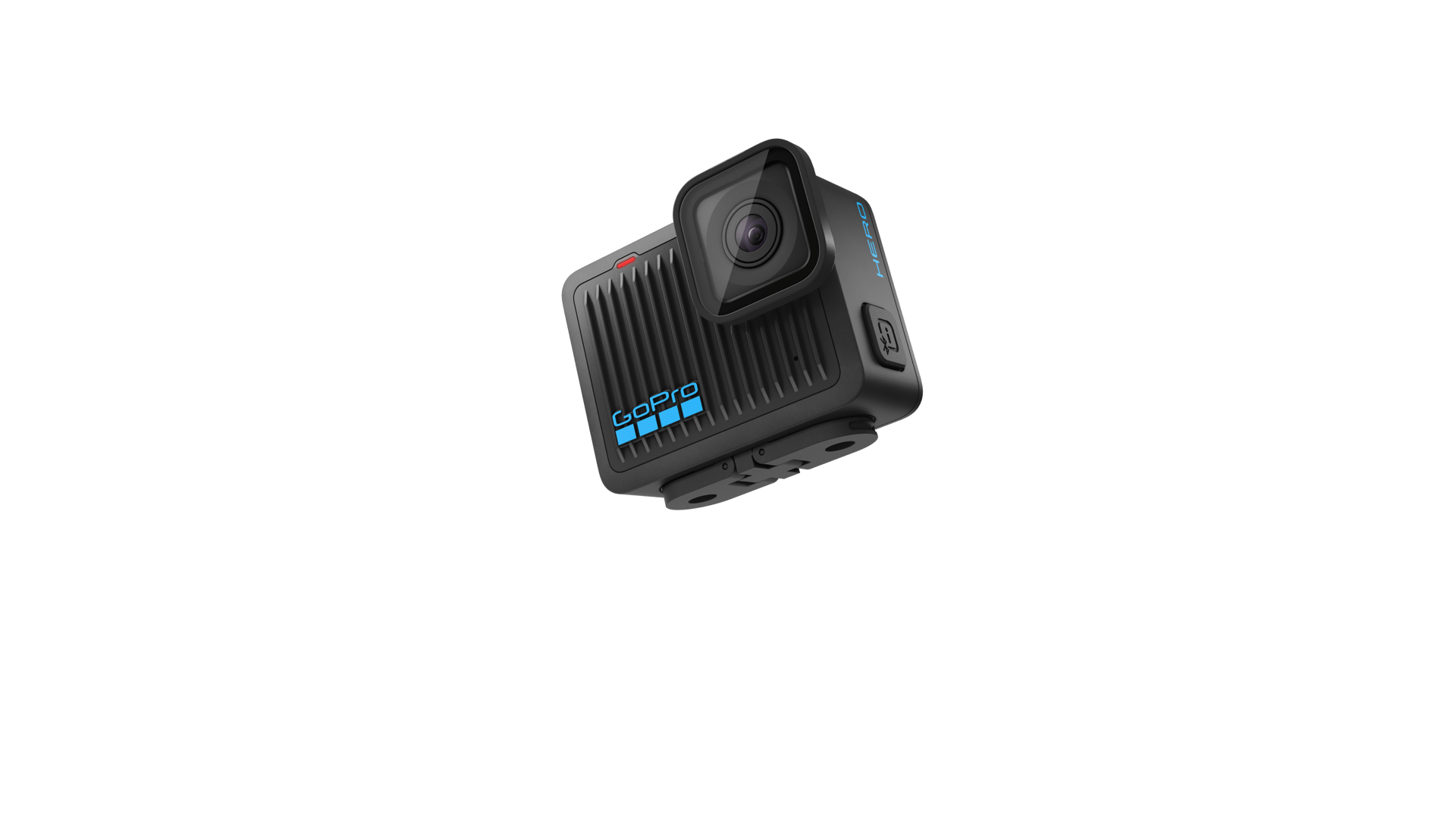
GoPro Hero Action / Mapping Camera
The GoPro Hero (2024) is GoPro's smallest and lightest 4K action camera, positioned as a simple, rugged capture device for action footage, FPV/drone clips and lightweight aerial passes.
₹48,999 + 18% GST
Flight Controllers
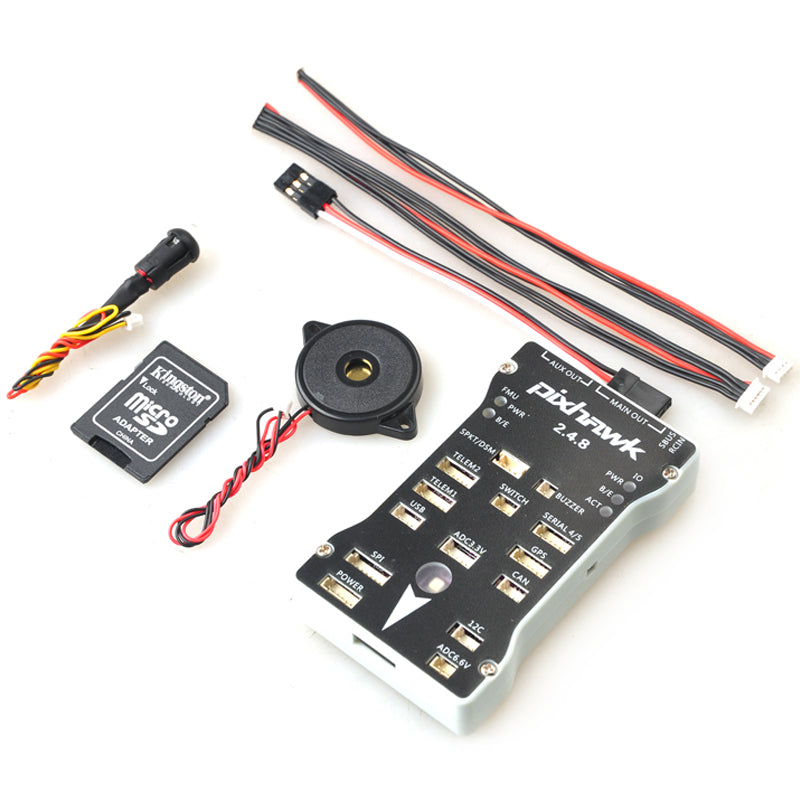
Pixhawk 2.4.8 Flight Controller (PX4/ArduPilot)
The Pixhawk 2.4.8 is a 32-bit open-source autopilot that brings full ArduPilot and PX4 flight-stack capability to hobby and academic drone builds at a very accessible price.
₹8,499 + 18% GST
Flight Controllers
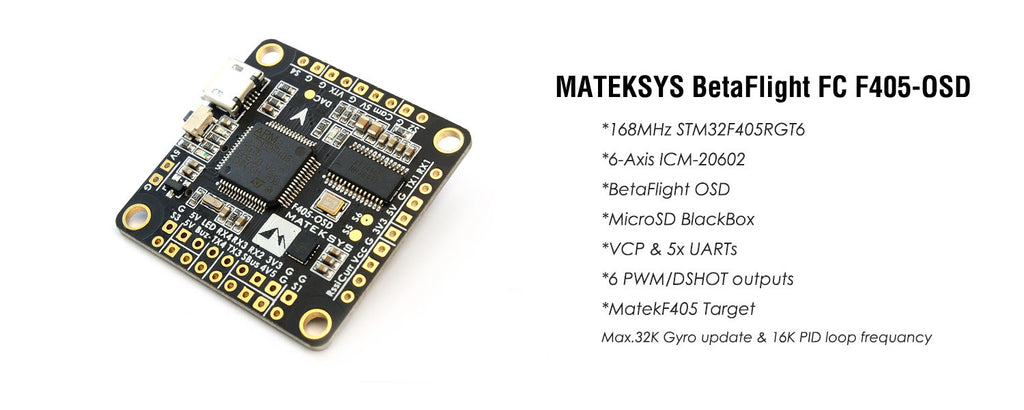
Matek F405-OSD Flight Controller
The Matek F405-OSD is a compact F4-class flight controller built for FPV racing and freestyle quadcopters, pairing a 168 MHz STM32F405 MCU with an ICM20602 gyro/accelerometer for fast, clean control loops.
₹2,999 + 18% GST
You may also need
Pairs well with.
Thermal Cameras
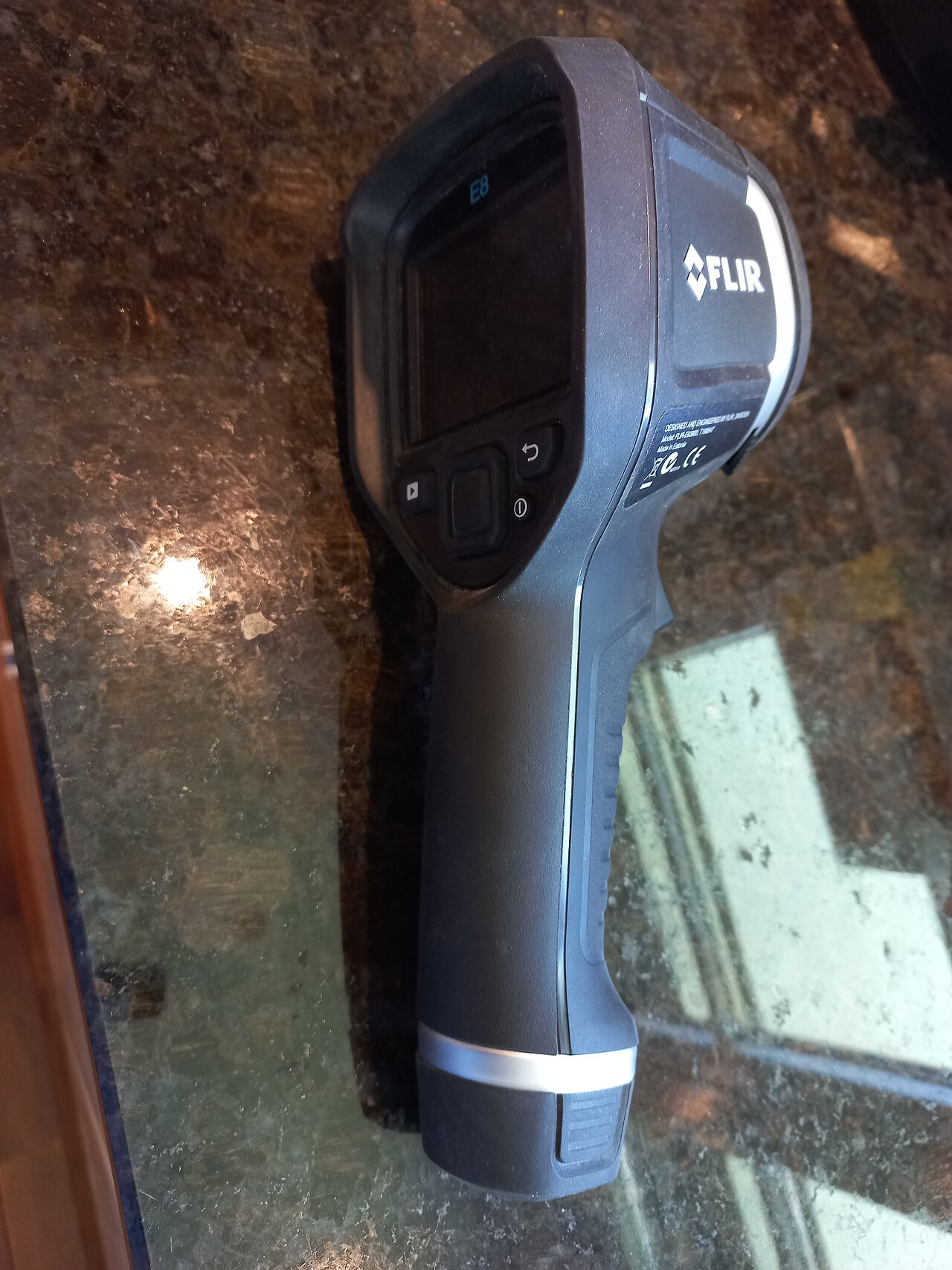
Thermal Inspection Camera (civil)
A civil thermal inspection camera is an infrared imaging tool that lets teams see heat rather than light, turning invisible temperature differences into a colour-mapped image.
Price on request