Detects intrusion at the outer boundary, buying response teams time before assets are reached
Compliance review
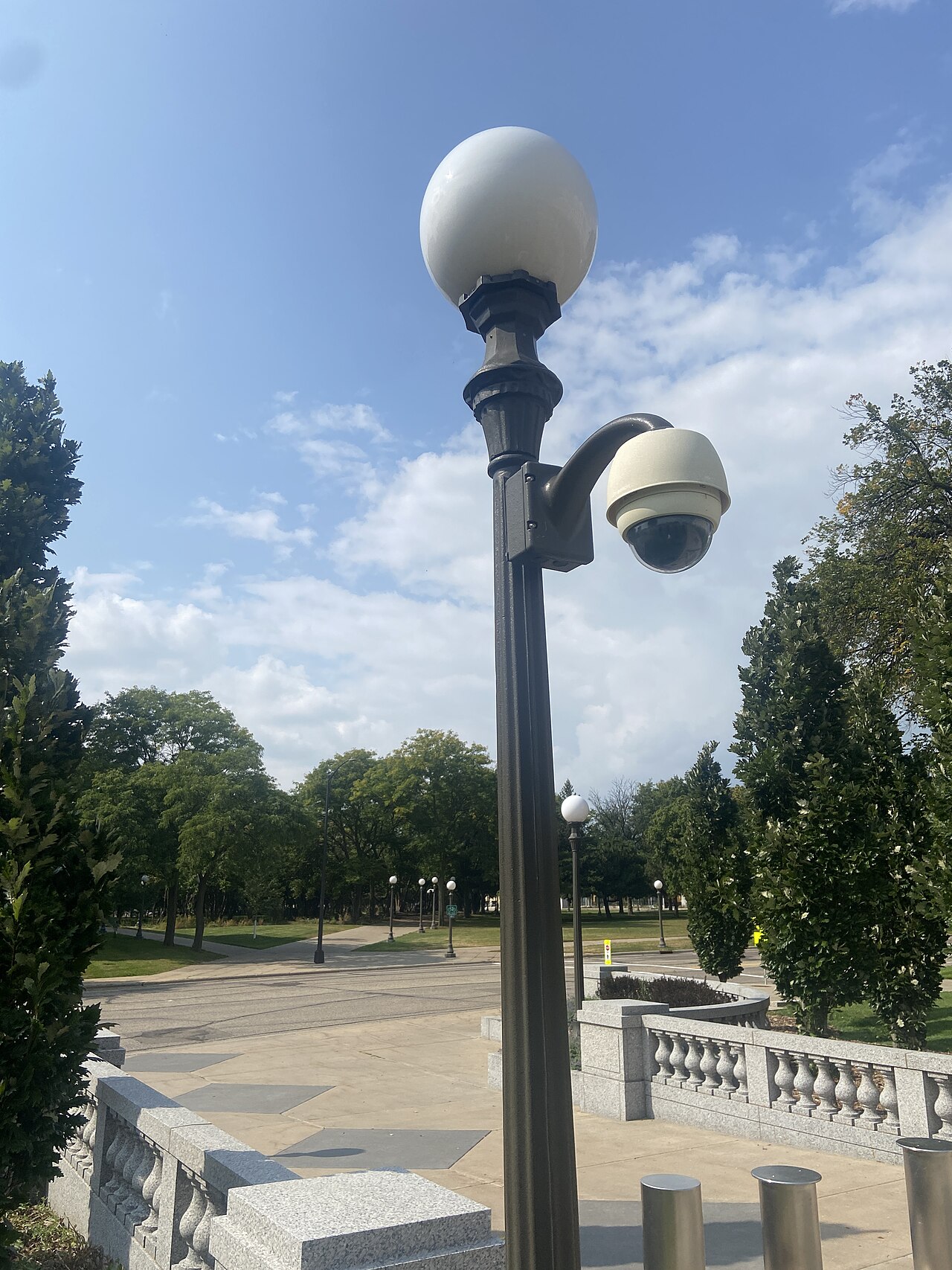
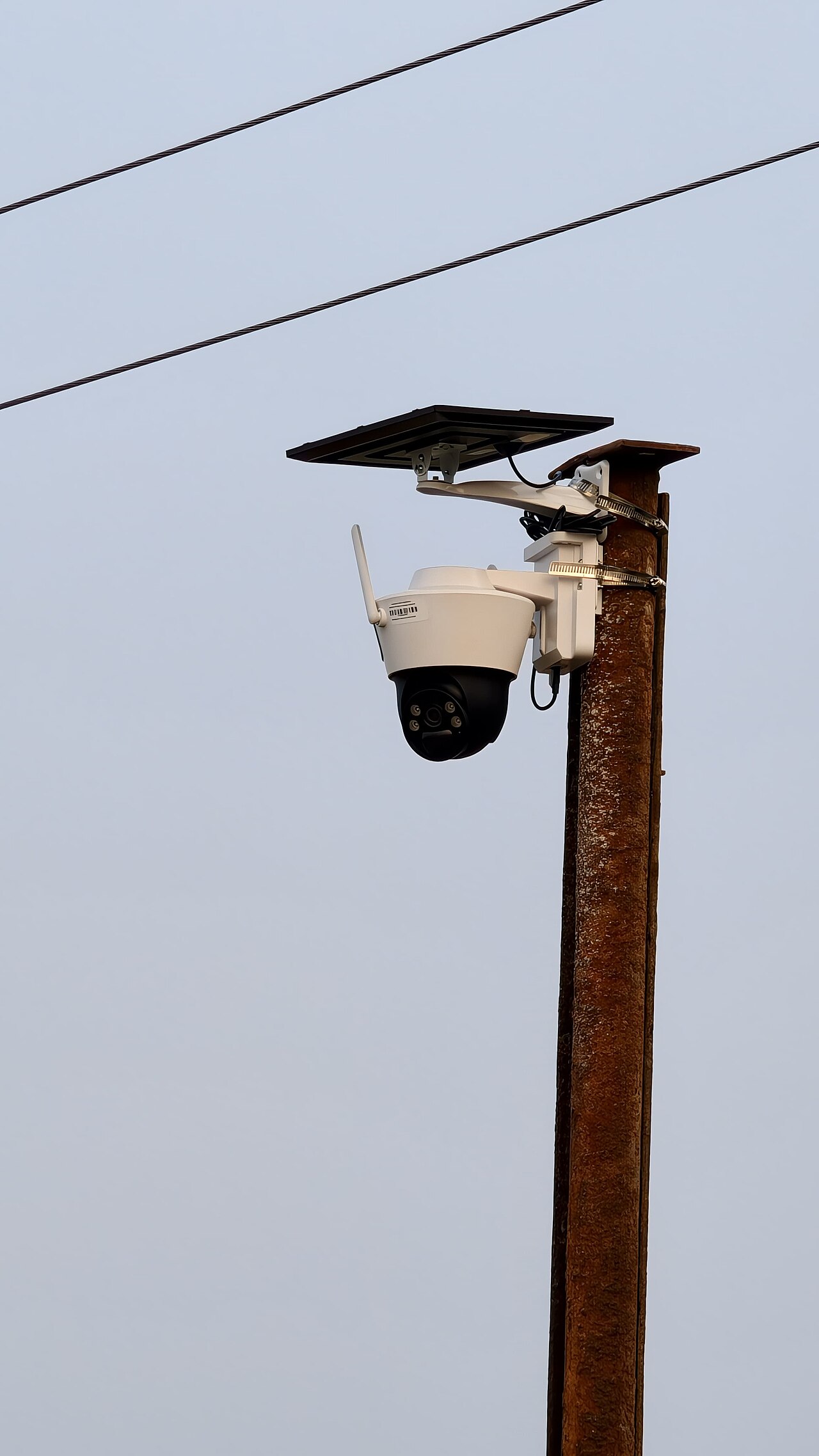
Perimeter Sensing
Perimeter Sensing System
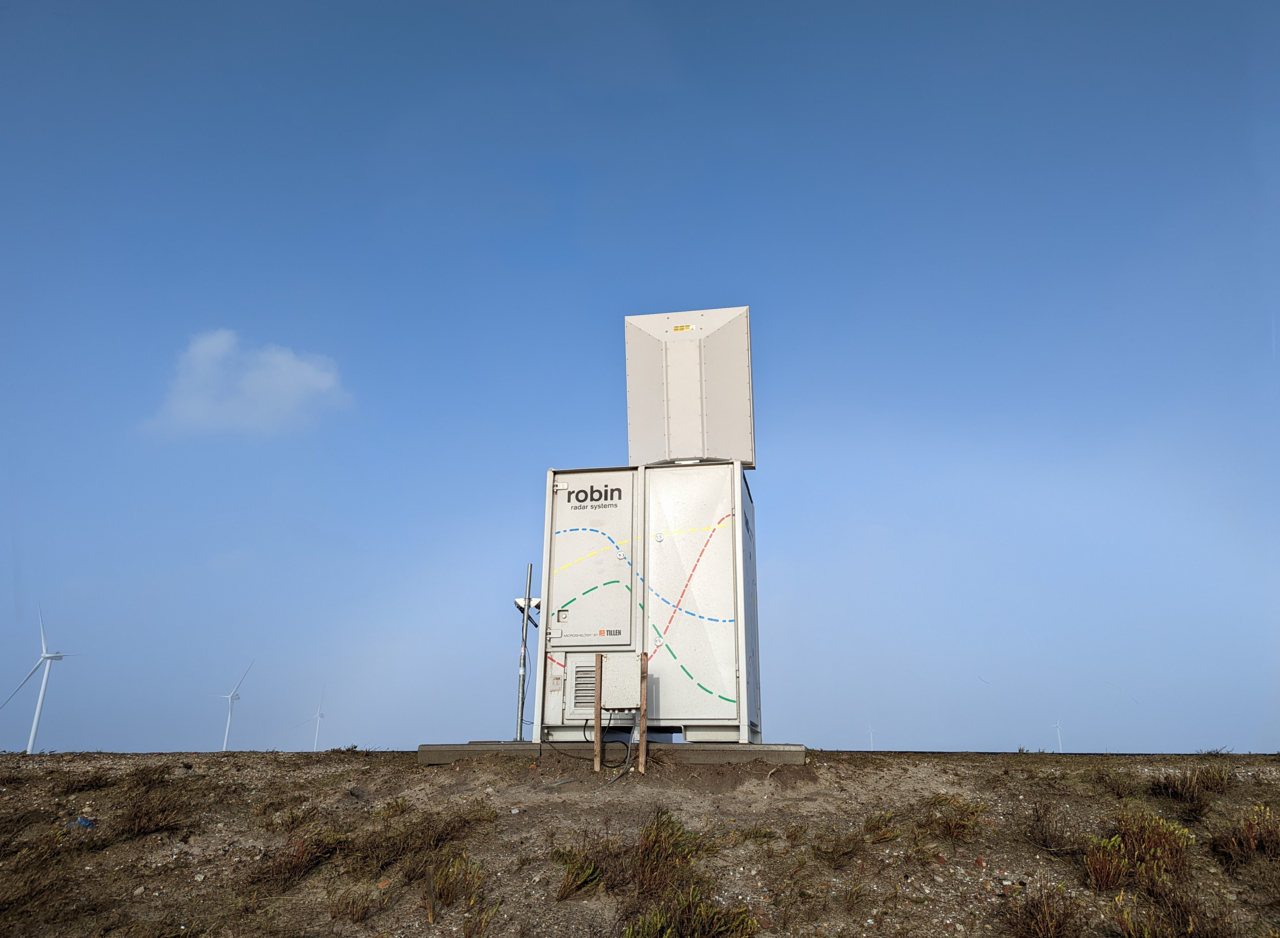
A perimeter sensing system, or perimeter intrusion detection system (PIDS), detects when someone attempts to cross the physical boundary of a site and alerts security before the intruder reaches critical assets.
Price on request
SKU: BOTBIT-THM-04 · Best for: Industrial plant, refinery and hazardous-site boundary protection
Compliance note: This item is reviewed for lawful, authorized use before fulfilment. Final availability depends on regulation, end-use and applicable export controls.
Overview
About Perimeter Sensing System.
A perimeter sensing system, or perimeter intrusion detection system (PIDS), detects when someone attempts to cross the physical boundary of a site and alerts security before the intruder reaches critical assets. Rather than a single device, it is usually a layered mix of sensors matched to the fence line and terrain: fence-mounted vibration or fibre-optic sensors that pick up cutting and climbing, buried cable or fibre sensors for concealed detection, and open-area technologies such as radar and thermal cameras with video analytics for larger, unfenced spaces. BotBit scopes these systems for lawful, defensive protection of civil, industrial and infrastructure sites.
The core idea is early detection at the outer boundary, giving response teams time to act. Fence-mounted and fibre-optic sensors localise a disturbance to a zone or point along the line, buried sensors detect movement without revealing the sensor's position, and thermal cameras extend awareness into darkness and adverse weather where standard cameras struggle. Video analytics and a central management layer classify events and suppress nuisance alarms from wind, animals or traffic, then present verified alerts to operators with the location and, where cameras are present, visual confirmation.
It suits industrial plants and refineries, warehouses and logistics hubs, utilities and substations, data centres, campuses and estates, and any site where boundary security and early warning matter. We design the sensor mix around the real perimeter, integrate it with your existing cameras and control room, and supply it for lawful, awareness-and-response use. Where thermal or radar sensing is included, we confirm the configuration suits civil site-protection needs and complete a lawful-use review as part of the quotation.
Key features
Why it stands out.
Layered sensors, fence-mounted, buried and open-area, match protection to your real perimeter
Thermal and radar options extend awareness into darkness, glare and adverse weather
Video analytics classify events and cut nuisance alarms from wind, animals and traffic
Central management with zone-level location and visual confirmation for fast, verified response
Specifications
Selection facts.
| System type | Perimeter intrusion detection system (PIDS) |
|---|---|
| Fence-line sensing | Vibration and fibre-optic options |
| Concealed sensing | Buried cable / fibre detection |
| Open-area sensing | Radar and thermal camera with analytics |
| Analytics | Event classification and nuisance-alarm reduction |
| Management | Central platform with zone-level localisation |
| Integration | Works with existing VMS and control room |
| Lawful-use note | Defensive site protection; compliance review applies |
Applications
Where it is used.
- Industrial plant, refinery and hazardous-site boundary protection
- Warehouse, logistics hub and yard perimeter security
- Utility, substation and power-plant perimeter monitoring
- Data-centre and critical-infrastructure boundary detection
- Campus, estate and gated-facility perimeter awareness
- Ports, depots and open-storage yards needing wide-area coverage
Buying guide
How to choose.
Begin your RFQ with the perimeter itself. The length and type of boundary, whether it is fenced or open ground, the terrain and the local nuisance sources (wind, animals, nearby traffic or rail) all shape the sensor mix. Fence-mounted vibration or fibre-optic sensing suits defined fence lines, buried sensing gives concealed detection, and radar with thermal cameras and analytics suits large open areas where a fence line alone is not enough. Tell us the zones you most need to protect.
Share the operational picture: existing cameras, VMS and control room, power and network availability along the perimeter, environmental conditions, and how you want alerts delivered and verified. Early detection is only useful if it drives a fast, confident response, so we design the analytics and management layer to give operators located, visually confirmed alerts and to suppress false alarms rather than overwhelm them.
Perimeter sensing systems are quote-based (RFQ) and supplied for lawful, defensive site protection. Where thermal or radar sensing is part of the design, we confirm the configuration fits civil site-protection needs and complete a compliance and lawful-use review as part of quotation. Send your perimeter details, site plan, existing systems and coverage priorities, and we will propose a layered design with lead time and India availability.
FAQ
Common questions.
What is a perimeter intrusion detection system (PIDS)?
A PIDS is a sensor-based system that detects attempts to cross a site's physical boundary and alerts security early, before an intruder reaches critical assets. It typically layers fence-mounted, buried and open-area sensors with a central management platform, so a disturbance is detected, located to a zone and, where cameras exist, visually confirmed.
Which sensor types are used and how do I choose?
Fence-mounted vibration and fibre-optic sensors suit defined fence lines and localise climbing or cutting; buried cable or fibre gives concealed detection; and radar with thermal cameras and video analytics suits large open areas. The right mix depends on your perimeter and environment, which is why we design the layered combination around your actual site.
Why include thermal cameras in a perimeter system?
Thermal cameras detect heat signatures, so they see people and vehicles in complete darkness, glare and many adverse-weather conditions where standard cameras struggle. In a perimeter system they extend detection and visual confirmation into low-visibility periods, which is often when intrusions are attempted, complementing fence and radar sensing.
How does the system avoid false alarms from wind or animals?
Layered sensing plus video analytics classify events and filter nuisance triggers such as wind, small animals, rain or nearby traffic, so operators receive verified, located alerts rather than constant false alarms. Tuning to your specific site conditions during commissioning is part of getting reliable, actionable detection.
Can it integrate with our existing cameras and control room?
Yes. Perimeter sensing systems are designed to feed a central management platform and typically integrate with existing VMS, cameras and control-room workflows, so detections appear alongside your current tools with zone-level location and visual confirmation. Share your existing setup in the RFQ so we can confirm integration.
What should a perimeter sensing RFQ include?
Send your perimeter length and type (fenced or open), a site plan, terrain and nuisance sources, existing cameras and control room, power and network availability, and the zones you most need to protect. We will propose a layered design, complete any lawful-use and compliance review, and provide lead time and India availability.
More in Thermal & Detection
Related hardware.
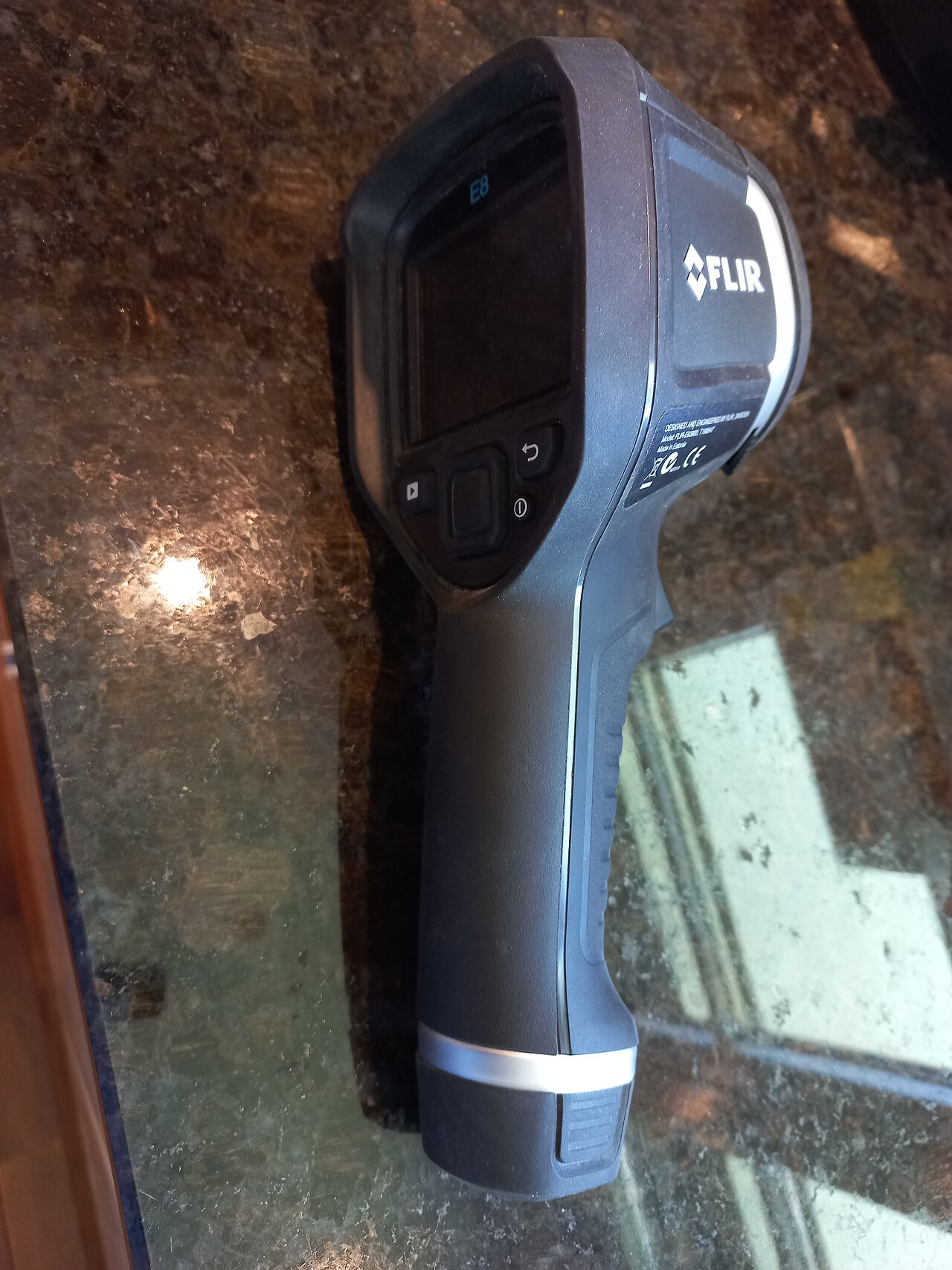
Thermal Cameras
Thermal Inspection Camera (civil)
A civil thermal inspection camera is an infrared imaging tool that lets teams see heat rather than light, turning invisible temperature differences into a colour-mapped image.
Price on request
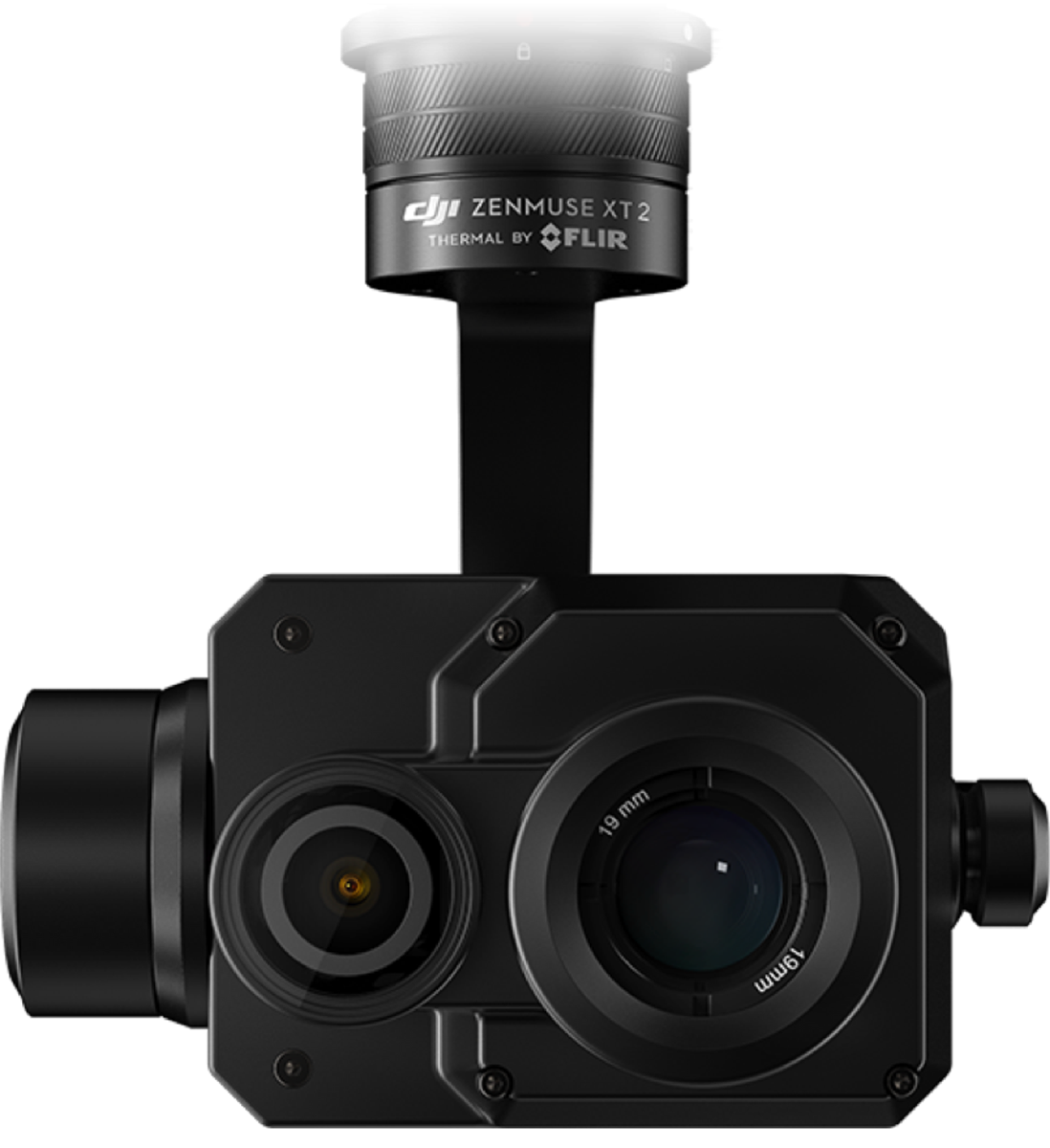
Thermal Cameras
EO/IR Payload
An EO/IR payload is a stabilised, gimballed camera pod that combines an electro-optical (EO) sensor for daylight and zoom imaging with an infrared (IR) thermal sensor for low-light and night imaging.
Price on request
Drone Detection
Drone Detection System
A drone detection system is a sensing solution that provides awareness of unauthorised or unexpected drones in the airspace around a site, so security teams can be alerted and respond according to their own protocols.
Price on request