Dual EO plus IR sensors deliver daylight zoom imaging and night/low-light thermal vision from one pod
Compliance review
Thermal Cameras
EO/IR Payload
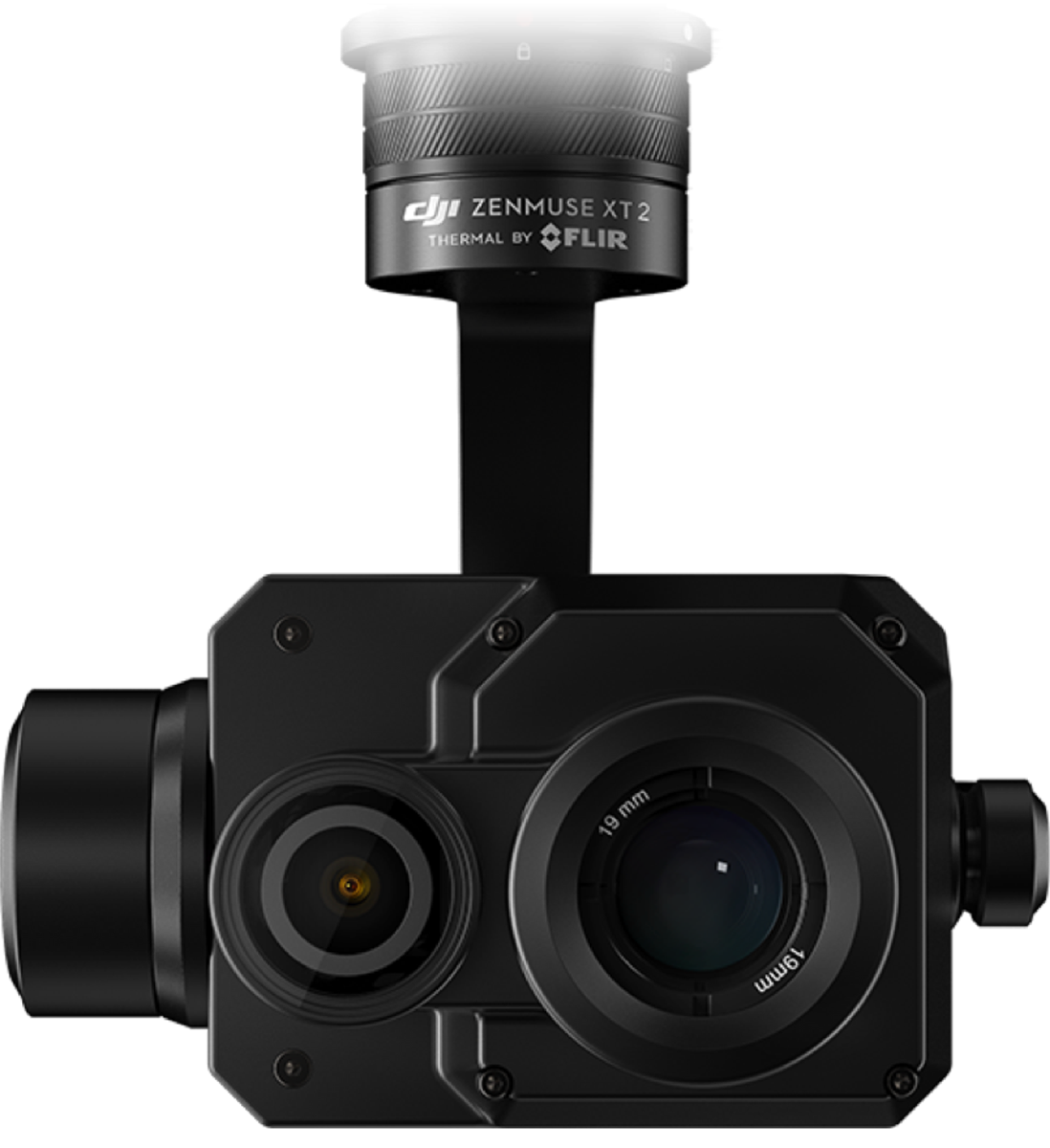
An EO/IR payload is a stabilised, gimballed camera pod that combines an electro-optical (EO) sensor for daylight and zoom imaging with an infrared (IR) thermal sensor for low-light and night imaging.
Price on request
SKU: BOTBIT-THM-02 · Best for: Powerline, pipeline and infrastructure inspection with day and thermal views
Compliance note: This item is reviewed for lawful, authorized use before fulfilment. Final availability depends on regulation, end-use and applicable export controls.
Overview
About EO/IR Payload.
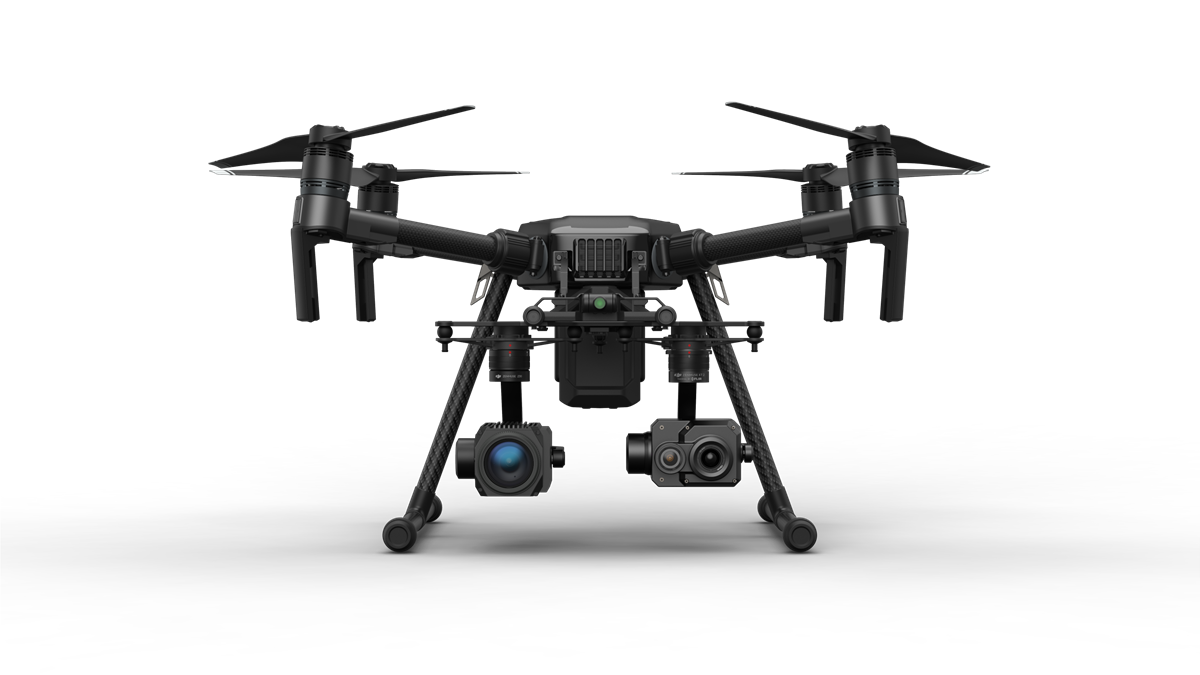
An EO/IR payload is a stabilised, gimballed camera pod that combines an electro-optical (EO) sensor for daylight and zoom imaging with an infrared (IR) thermal sensor for low-light and night imaging. Mounted under a UAV, vehicle or fixed mast, it lets an operator observe, identify and track a scene in both visible and thermal channels from a stand-off distance, with gyro stabilisation keeping the image steady while the platform moves. BotBit supplies EO/IR payloads for lawful civil and commercial situational-awareness roles such as inspection, search and asset monitoring.
Functionally, the gimbal isolates the sensors from airframe vibration and motion, while the EO channel provides wide-to-narrow optical zoom and the IR channel (typically an uncooled LWIR sensor on lighter payloads, or a cooled MWIR sensor on longer-range systems) reveals heat signatures. Many payloads add features such as picture-in-picture fusion of the two channels, on-gimbal tracking, geo-pointing and, on some models, a laser rangefinder for range-to-target. Weight, aperture and detector class scale with the range and detail required, which is why payloads range from a few hundred grams to heavier multi-kilogram pods.
It is intended for civil and commercial operators: infrastructure and pipeline inspection, search and rescue, wildlife and anti-poaching monitoring, coastal and site monitoring, and industrial situational awareness. We frame and supply these systems for lawful, awareness-oriented use, help you match sensor class and stabilisation to your airframe and mission, and note that certain sensor grades and end-uses are subject to compliance and lawful-use review before quotation.
Key features
Why it stands out.
Gyro-stabilised gimbal holds a steady, usable image while the aircraft or vehicle is moving
Optical zoom and thermal channels reveal detail and heat signatures a single sensor would miss
On-gimbal tracking and geo-pointing keep a moving subject centred for reliable situational awareness
Sensor class and weight scaled to mission range, so the payload matches your airframe and endurance
Specifications
Selection facts.
| Payload type | Stabilised EO/IR gimbal pod |
|---|---|
| EO channel | Electro-optical day camera, optical zoom |
| IR channel | Uncooled LWIR or cooled MWIR, by range class |
| Stabilisation | Multi-axis gyro-stabilised gimbal |
| Fusion / tracking | PiP fusion and on-gimbal tracking (model-dependent) |
| Optional rangefinding | Laser rangefinder on selected models |
| Integration | UAV, vehicle-mast or fixed-mount configurations |
| Compliance note | Lawful civil/commercial use; end-use review applies |
Applications
Where it is used.
- Powerline, pipeline and infrastructure inspection with day and thermal views
- Search and rescue, locating people and heat signatures in low light
- Wildlife monitoring and anti-poaching patrols in reserves
- Coastal, port and large-site monitoring for situational awareness
- Industrial and plant monitoring where stand-off observation is safer
- Aerial survey and mapping missions needing stabilised zoom and thermal imagery
Buying guide
How to choose.
Begin your RFQ with the mission and the range at which you need to observe or identify a subject. Detection range drives the IR detector class: lighter uncooled LWIR payloads suit shorter-range civil inspection and search work, while longer-range identification typically calls for a cooled MWIR sensor and larger optics, which adds weight and cost. Tell us your typical stand-off distance, the smallest object you need to resolve, and whether you need EO zoom, thermal, or both fused.
Share your platform constraints: airframe or vehicle, available payload weight and power, the gimbal interface and endurance impact you can accept. If you need on-gimbal tracking, geo-pointing or a laser rangefinder, call those out, since they influence model choice. For mast or fixed installs, describe the mounting and the coverage area so we can recommend a suitable pod and control workflow.
EO/IR payloads are quote-based (RFQ) and supplied for lawful, awareness-oriented civil and commercial use only. Higher-capability sensor grades and certain end-uses are subject to compliance and lawful-use review before we quote. Send your mission profile, platform, range requirement and quantity, and we will propose a matched payload, confirm integration, and provide lead time and India availability.
FAQ
Common questions.
What does EO/IR mean on a camera payload?
EO is the electro-optical (visible-light) channel used for daylight and zoom imaging, and IR is the infrared thermal channel used for low-light and night imaging. An EO/IR payload combines both in one stabilised gimbal, so an operator can switch between or fuse day and thermal views for full situational awareness.
What is the difference between uncooled LWIR and cooled MWIR payloads?
Uncooled LWIR sensors are lighter, lower-power and cost-effective, and suit shorter-range civil inspection and search work. Cooled MWIR sensors, paired with larger optics, give greater range and detail for identification at distance but weigh more and cost more. We recommend the class based on the range and detail your mission actually needs.
Will the payload fit my drone or vehicle?
That depends on payload weight, power and the mechanical and electrical interface. Share your airframe or vehicle, available payload capacity and mounting, and we will confirm fit, endurance impact and control integration, then propose a pod that balances range, resolution and weight for your platform.
Can it track a moving subject automatically?
Many EO/IR payloads support on-gimbal tracking and geo-pointing, which keep a moving subject centred once locked, plus optional laser rangefinding for range-to-target on selected models. These features are model-dependent, so tell us if they are required and we will match a payload that supports them.
Are there legal or compliance restrictions on EO/IR payloads?
Yes. We supply these systems for lawful, awareness-oriented civil and commercial use, and higher-capability sensor grades and certain end-uses are subject to compliance and lawful-use review before quotation. Where the payload flies on a drone, standard DGCA operating rules apply to the aircraft and its operation in India.
How do I request a quote for an EO/IR payload?
Send an RFQ with your mission, required observation or identification range, platform and payload capacity, any tracking or rangefinding needs and quantity. We will scope sensor class, stabilisation and integration, complete a lawful-use review where needed, and return a matched payload proposal with lead time and India availability.
More in Thermal & Detection
Related hardware.
Thermal Cameras
Thermal Inspection Camera (civil)
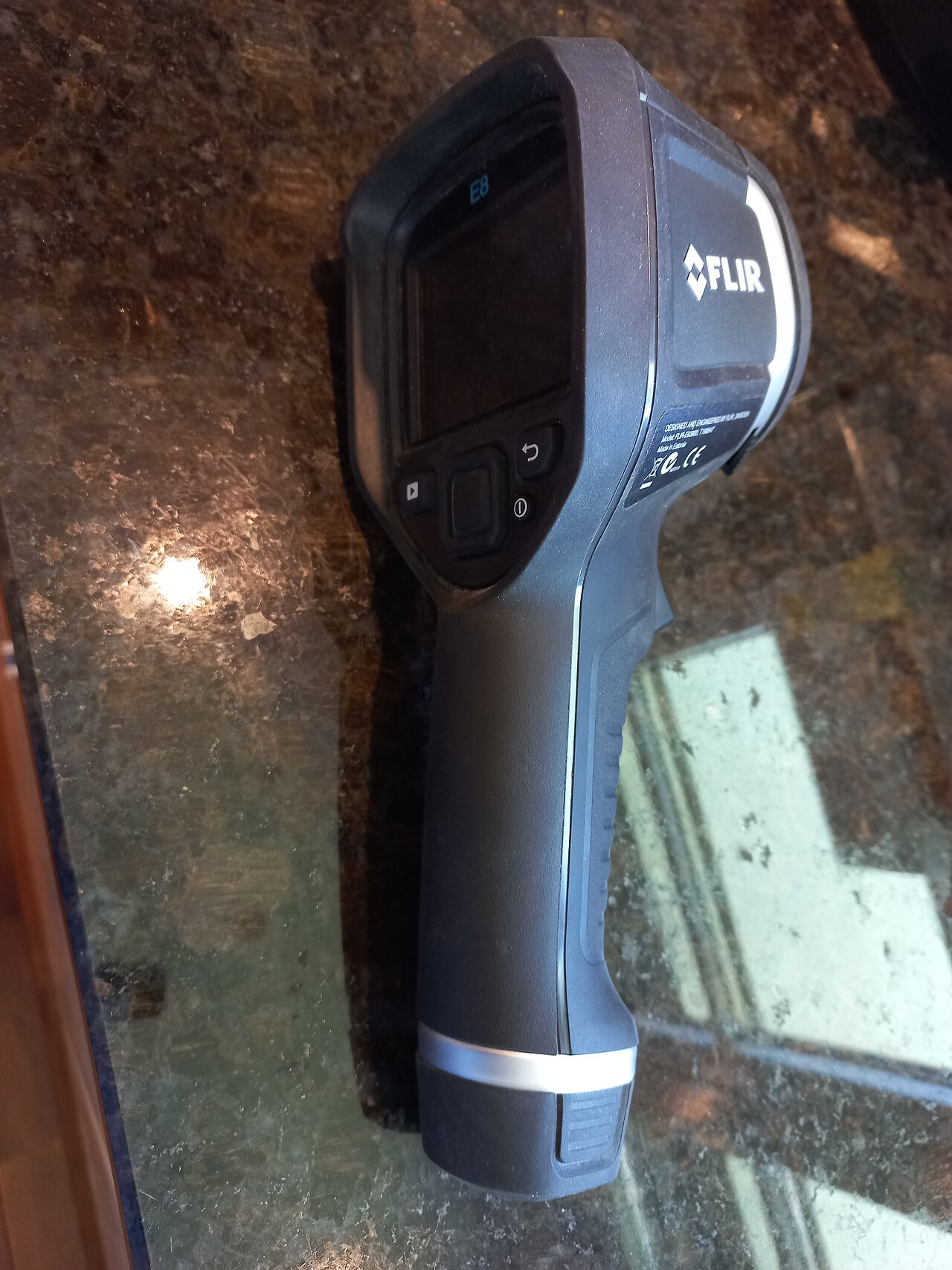
A civil thermal inspection camera is an infrared imaging tool that lets teams see heat rather than light, turning invisible temperature differences into a colour-mapped image.
Price on request
Drone Detection
Drone Detection System
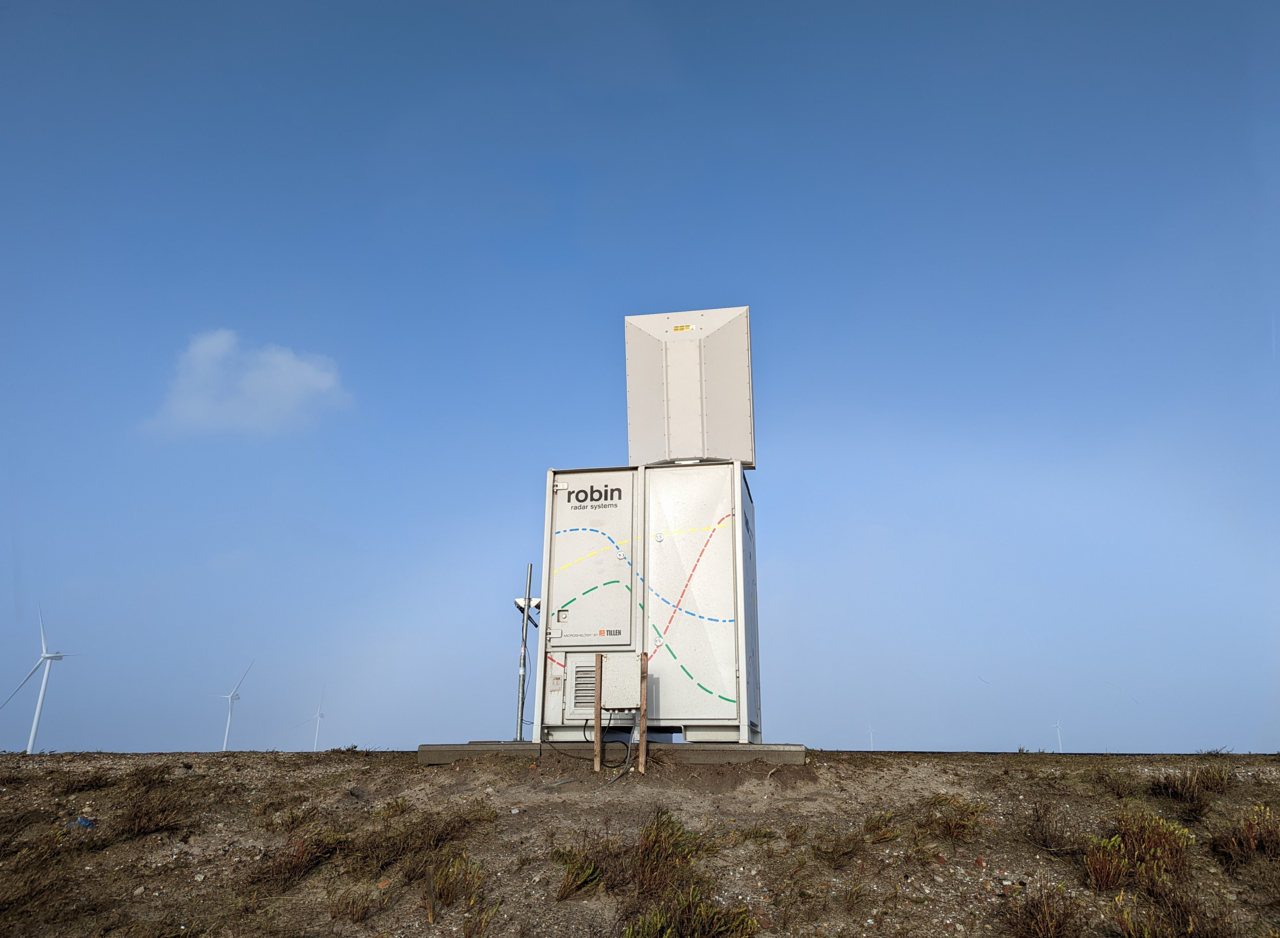
A drone detection system is a sensing solution that provides awareness of unauthorised or unexpected drones in the airspace around a site, so security teams can be alerted and respond according to their own protocols.
Price on request
Perimeter Sensing
Perimeter Sensing System
A perimeter sensing system, or perimeter intrusion detection system (PIDS), detects when someone attempts to cross the physical boundary of a site and alerts security before the intruder reaches critical assets.
Price on request