4 independent relay channels, each rated 250VAC/10A and 30VDC/10A
In stock
Relays
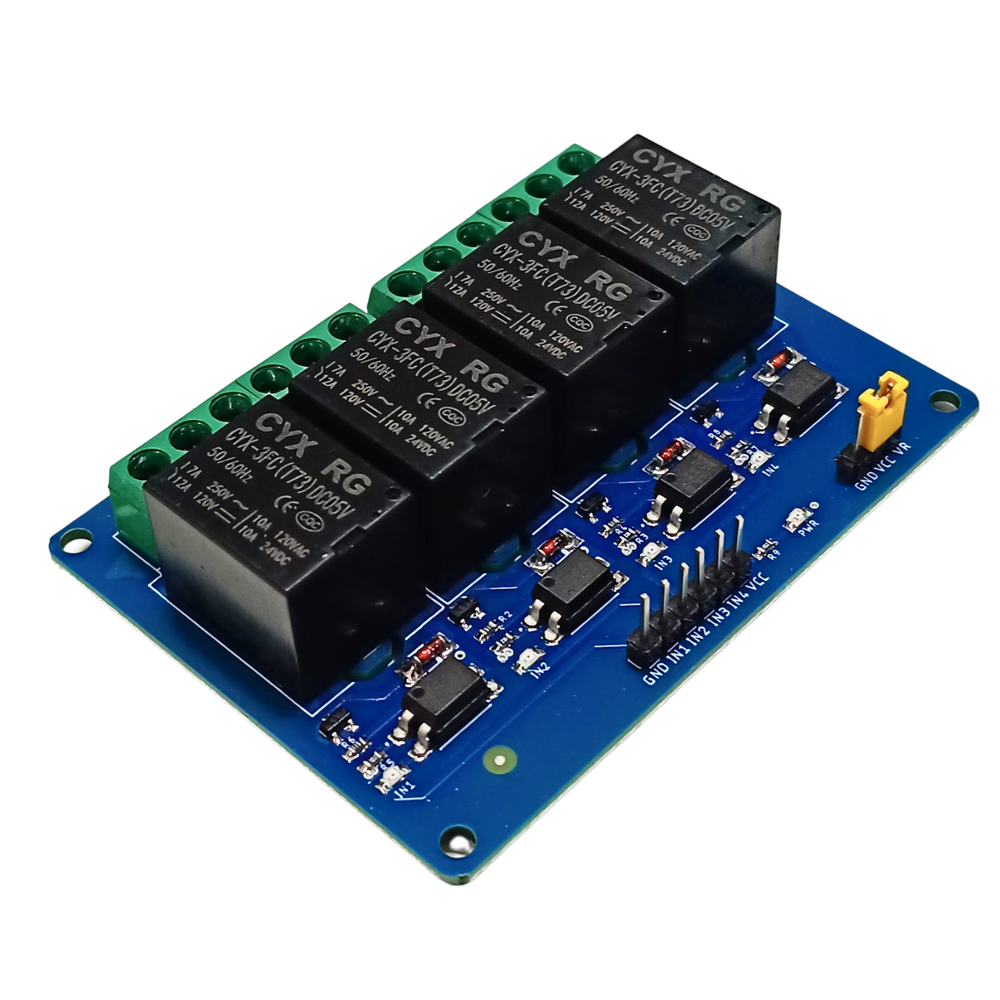
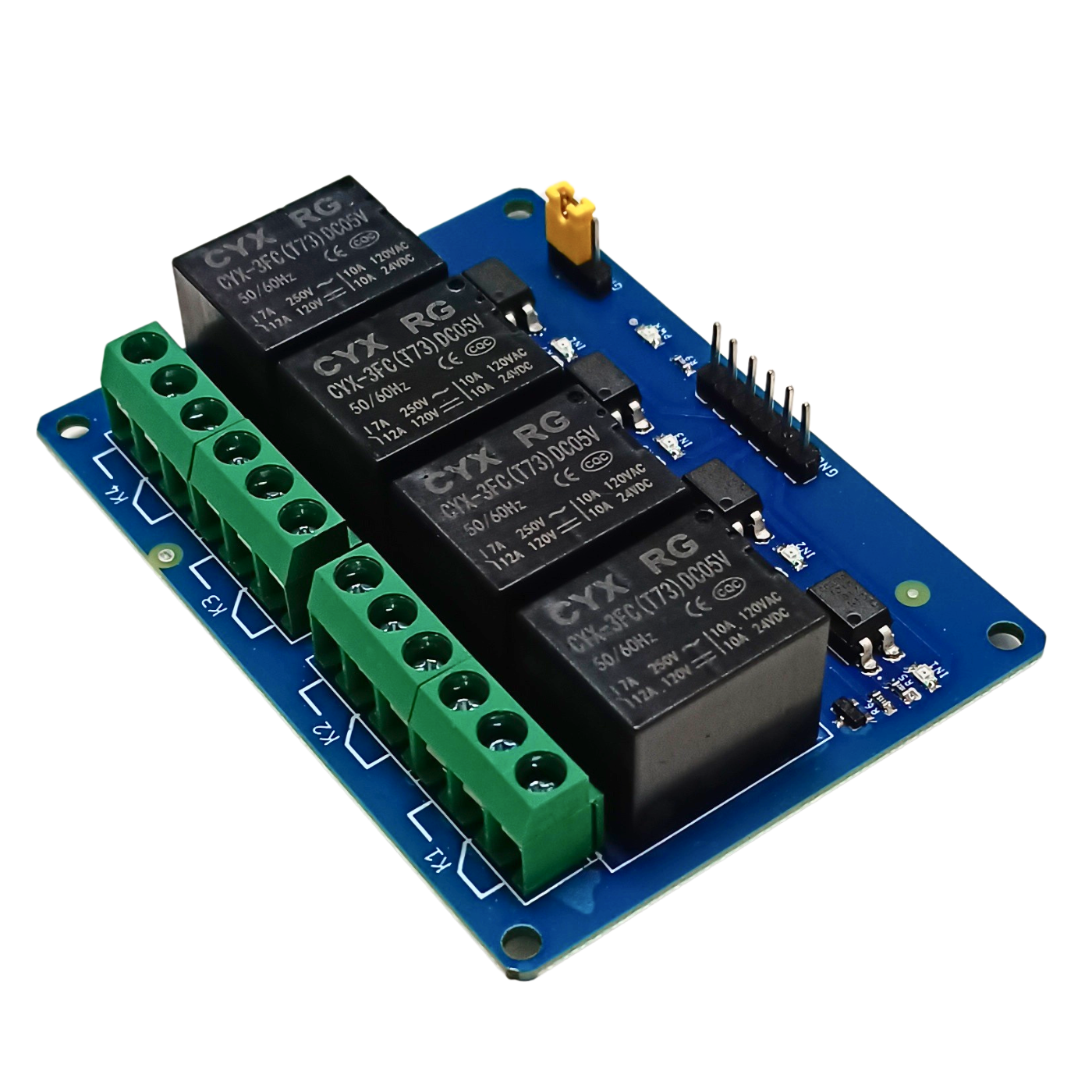
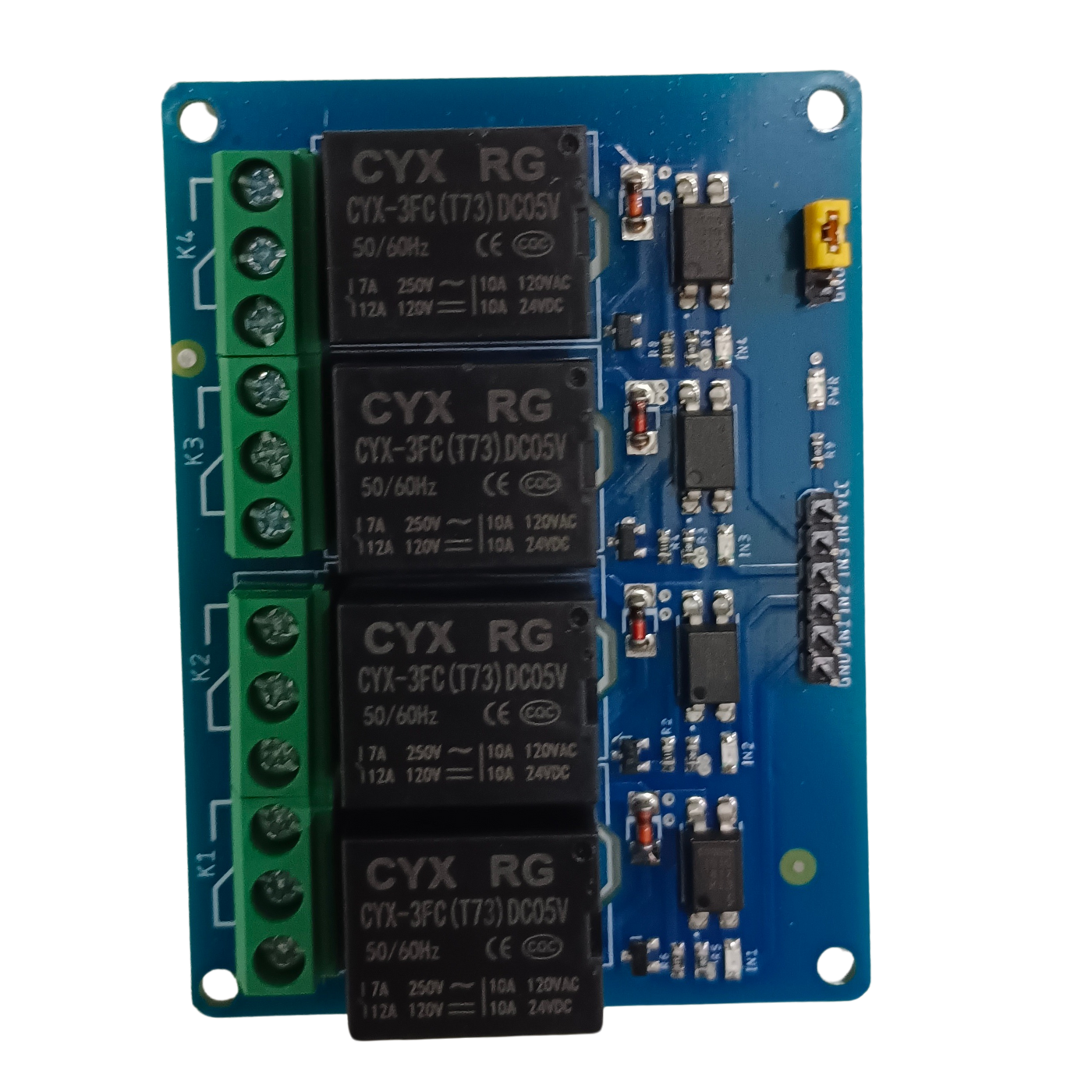
5V 4-Channel Relay Module with Optocoupler
Opto-isolated 4-channel relay board, 250VAC/10A per channel, for Arduino/ESP home-automation switching.
₹240 + 18% GST
SKU: BOTBIT-MOT-13 · Best for: DIY home automation to switch lights, fans and appliances
Overview
About 5V 4-Channel Relay Module with Optocoupler.
The 5V 4-Channel Relay Module is the go-to board for switching mains-voltage appliances from a low-voltage microcontroller. Each of its four channels can switch loads up to 250VAC/10A or 30VDC/10A, letting you control lights, fans, pumps and other AC devices from an Arduino, ESP8266, ESP32 or Raspberry Pi.
The key safety feature is optocoupler isolation. Each input is opto-isolated, which electrically separates your delicate 5V logic from the relay coil and the mains side. This protects your microcontroller from voltage spikes and back-EMF, and it is the reason this board is preferred over cheaper non-isolated modules for home-automation builds.
At around Rs 240, this four-relay board is the most popular choice for DIY home automation, IoT switching and appliance control in India. It arrives ready to wire with screw terminals on the output side and a clean header block on the input side.
Key features
Why it stands out.
Optocoupler isolation on every input protects the microcontroller from the mains side
Screw-terminal outputs with NO, NC and COM contacts per channel
On-board status LEDs show which relays are energised
Active-low logic inputs work directly with 3.3V and 5V logic (Arduino, ESP, Pi)
Standard mounting holes for easy panel or enclosure fixing
Specifications
Selection facts.
| Channels | 4 relays |
|---|---|
| Board supply voltage | 5V DC |
| Relay type | SPDT (NO / NC / COM) |
| AC switching rating | 10A @ 250VAC per channel |
| DC switching rating | 10A @ 30VDC per channel |
| Isolation | Optocoupler on each input |
| Trigger logic | Active LOW |
| Current per active relay | ~60-70 mA |
| Indicators | Per-channel status LED + power LED |
| Jumper | VCC/JD-VCC jumper for common or separate coil supply |
Applications
Where it is used.
- DIY home automation to switch lights, fans and appliances
- IoT relay control with ESP8266/ESP32 and Blynk/Home Assistant
- Switching AC pumps, solenoid valves and motors
- Automation of exhibition and hobby projects
- Smart plug and appliance timer builds
- Industrial-style on/off control from a microcontroller
Buying guide
How to choose.
Buy this 4-channel opto-isolated board if you need to switch multiple mains appliances safely from one microcontroller. The optocoupler isolation is the feature that matters most for mains work; do not substitute a non-isolated board for AC switching. If you only need one or two loads, single- or two-channel versions of the same board exist.
Check the trigger logic before wiring: these boards are usually active-LOW, meaning a channel turns ON when its input pin is pulled to GND. Keep this in mind so your relays do not switch ON at power-up before your firmware initialises the pins.
Pair it with a stable 5V supply capable of the coil current (all four relays on can draw ~250-300mA), an Arduino/ESP board, and proper insulated enclosure and wiring for the mains side. For the JD-VCC jumper, remove it and use a separate coil supply for maximum isolation.
FAQ
Common questions.
Does this board isolate my Arduino from the mains?
Yes. Each input channel is optocoupler-isolated, separating the 5V logic side from the relay coil and mains contacts. For full isolation, remove the VCC/JD-VCC jumper and power the coils from a separate 5V supply.
Is it active-high or active-low?
These modules are active-LOW by default: the relay energises when the input pin is driven LOW (to GND). Set your pins HIGH at startup to keep relays off until your code decides.
Can it work with a 3.3V ESP32 or ESP8266?
The board is powered by 5V, but the opto-isolated inputs trigger reliably from 3.3V logic, so ESP32, ESP8266 and Raspberry Pi GPIO can drive it. Provide 5V to the VCC pin for the relay coils.
What loads can each channel switch?
Each relay is rated up to 10A at 250VAC or 10A at 30VDC. Stay well below the rating for inductive loads like motors and pumps, and use the COM/NO/NC screw terminals for your load wiring.
Is it available in India and what is in the box?
Yes, it is widely available in India. You get the assembled 4-channel relay board itself; jumper wires and a power supply are not included and are bought separately.
More in Motors & Drivers
Related hardware.
Servos
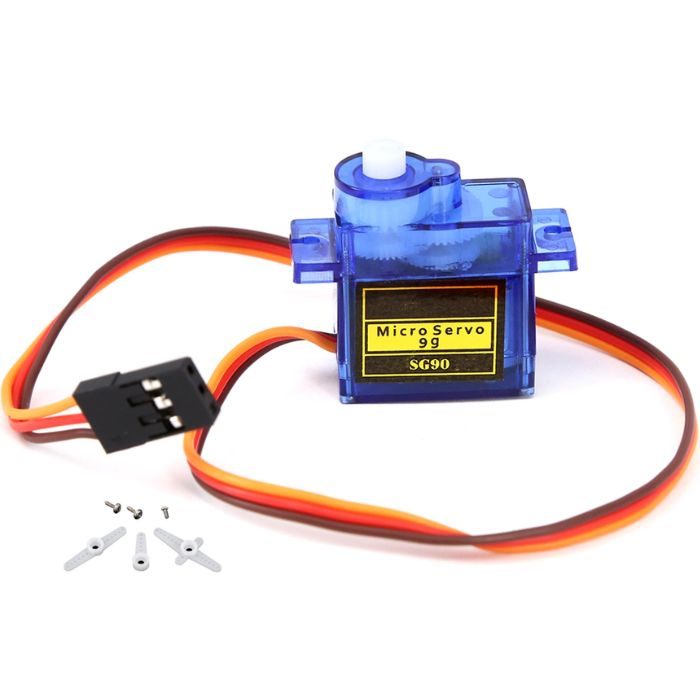
TowerPro SG90 9g Micro Servo Motor
Popular 9g micro servo, 180-degree rotation, ~1.2 kg-cm torque, 4.8-6V, for RC and robotics.
₹80 + 18% GST
Servos
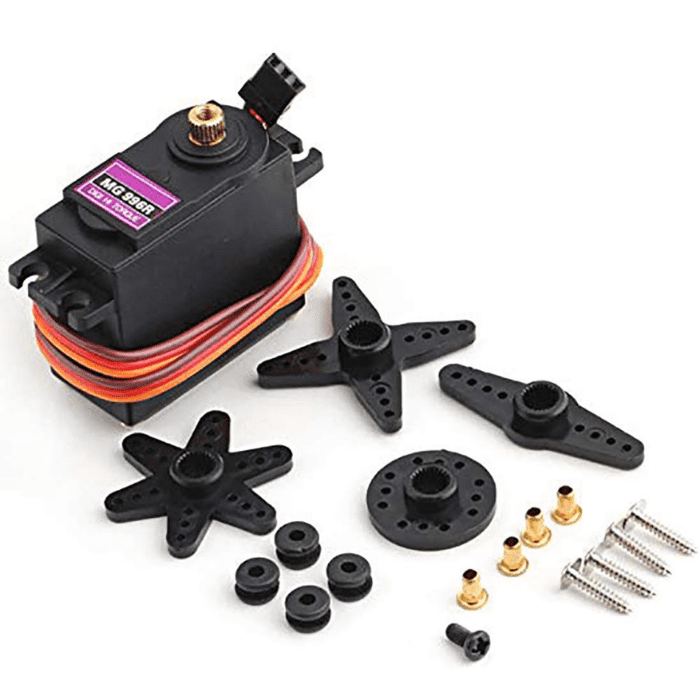
TowerPro MG996R Metal Gear Servo Motor
High-torque metal-gear servo, ~11 kg-cm at 6V, 180-degree, for robotic arms and pan-tilt rigs.
₹649 + 18% GST
Servos
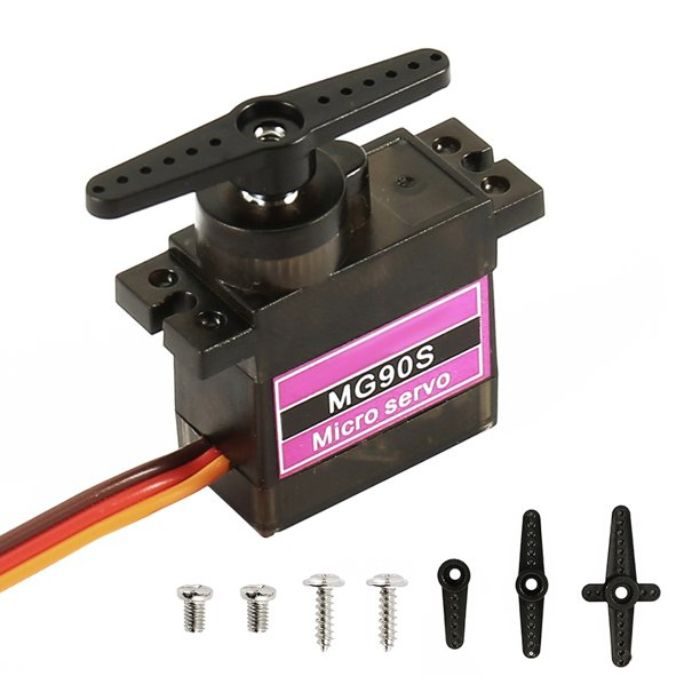
TowerPro MG90S Metal Gear Micro Servo Motor
9g metal-gear digital micro servo, ~2.2 kg-cm torque, 180-degree, popular upgrade over plastic SG90.
₹250 + 18% GST
Stepper Motors
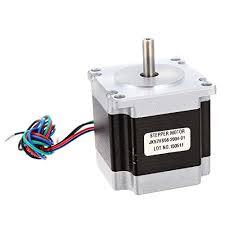
NEMA17 Stepper Motor 4.2 kg-cm (42BYGHW)
Bipolar 1.8-degree NEMA17 stepper, ~4.2 kg-cm holding torque, widely used in 3D printers and CNC.
₹499 + 18% GST
You may also need
Pairs well with.
Arduino Boards
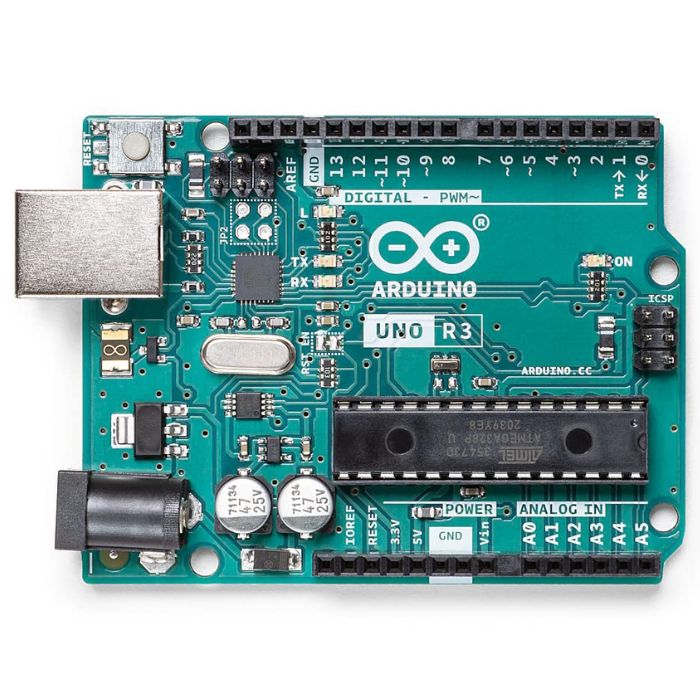
Arduino Uno R3
The classic ATmega328P 8-bit microcontroller board, a popular beginner prototyping platform with 14 digital and 6 analog I/O pins.
₹799 + 18% GST
Breadboards Jumpers
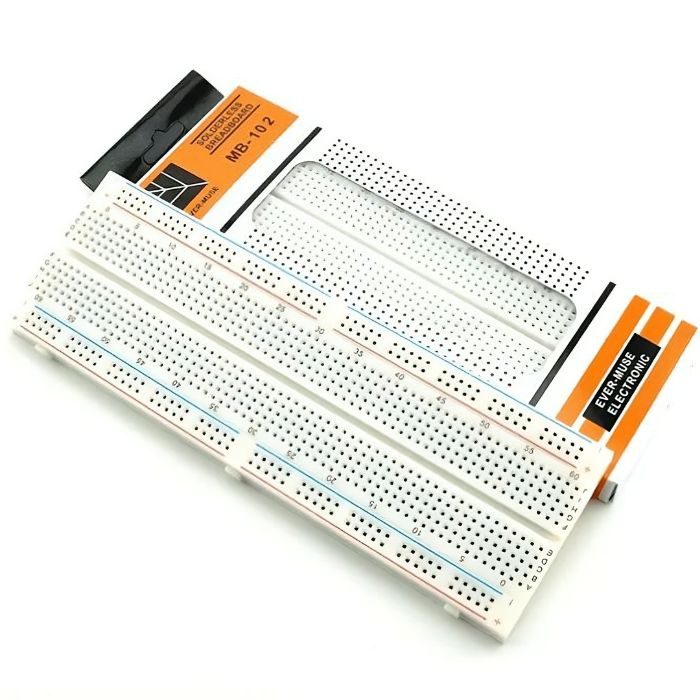
MB102 830 Points Solderless Breadboard
Full-size 830 tie-point solderless prototyping breadboard with power rails, accepts 20-29 AWG wire.
₹90 + 18% GST