128x64 monochrome OLED on a larger 1.3 inch panel for bigger, easier-to-read text
In stock
Oled
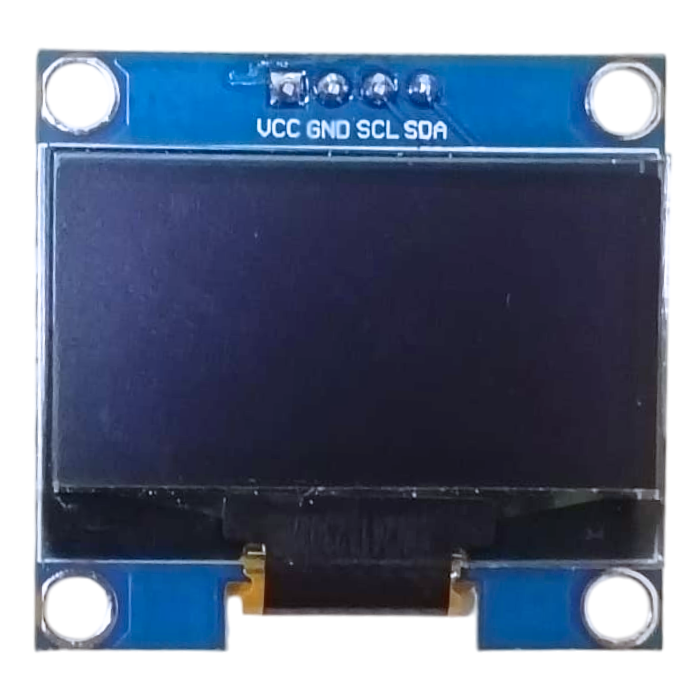
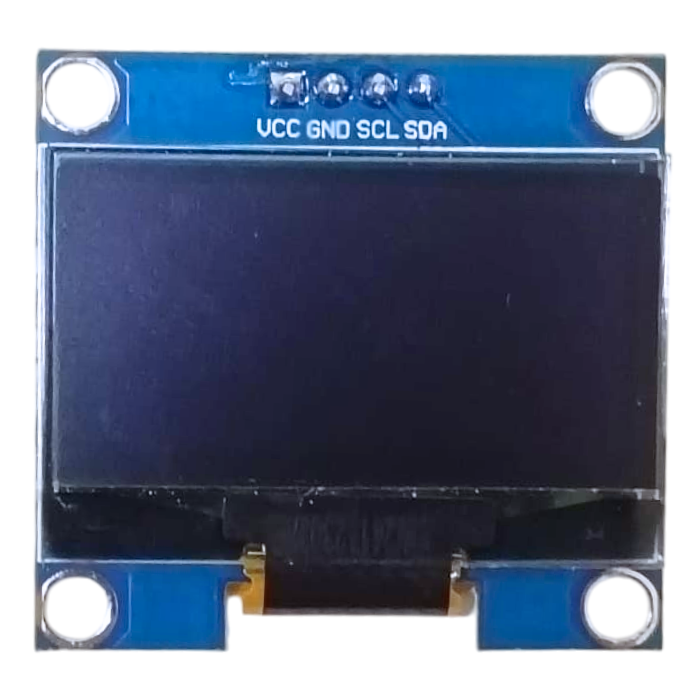
1.3 inch OLED Display Module 128x64 SH1106 (I2C)
Larger 1.3" 128x64 monochrome OLED using the SH1106 controller with I2C interface; brighter, roomier alternative to the 0.96".
₹320 + 18% GST
SKU: BOTBIT-DSP-02 · Best for: Handheld and portable gadgets needing larger, legible text
Overview
About 1.3 inch OLED Display Module 128x64 SH1106 (I2C).
The 1.3 inch OLED Display Module is the roomier, brighter sibling of the classic 0.96 inch panel. It keeps the same 128x64 monochrome resolution but spreads it across a larger 1.3 inch diagonal, so text and icons are noticeably bigger and easier to read from a distance. The key difference is the driver: this board uses the SH1106 controller rather than the SSD1306.
It connects over a simple 4-pin I2C interface (GND, VCC, SCL, SDA) and runs from 3.3V to 5V, so it drops straight into Arduino, ESP32, ESP8266 and Raspberry Pi Pico projects. Like all OLEDs the pixels self-emit, giving deep blacks and strong contrast with no backlight. Makers in India choose the 1.3 inch when the 0.96 inch feels too small for menus, meters or watch-style faces.
At around Rs 320 it costs a little more than the 0.96 inch, which is the trade for the bigger glass. The U8g2 library and Adafruit SH1106 forks support it directly, and the extra size makes it a favourite for handheld gadgets and status panels.
Key features
Why it stands out.
SH1106 driver IC (note: different from the 0.96 inch SSD1306) over 4-pin I2C
Self-emitting pixels give high contrast and true blacks with no backlight
Wide 3.3V-5V supply works with Arduino, ESP32, ESP8266 and Pico with no level shifter
Fully supported by the U8g2 library and Adafruit SH1106 driver forks
Roomier active area (approx 29.4 x 14.7mm) suits menus, clocks and meters
Specifications
Selection facts.
| Panel type | Monochrome OLED (passive matrix) |
|---|---|
| Resolution | 128 x 64 pixels |
| Diagonal size | 1.3 inch |
| Driver IC | SH1106 |
| Interface | I2C (4-pin: VCC, GND, SCL, SDA) |
| Default I2C address | 0x3C |
| Operating voltage | 3.3V - 5V DC |
| Module dimensions | Approx. 35 x 33 mm |
| Viewing angle | >160 degrees |
| Common colour | White or blue |
Applications
Where it is used.
- Handheld and portable gadgets needing larger, legible text
- Multi-line menus and settings screens for ESP32/Arduino devices
- Weather stations and environmental monitors with BME280/DHT sensors
- Digital clocks and countdown timers with RTC modules
- Battery and power monitors where readability at a glance matters
- Status panels for 3D printers, robots and IoT nodes
Buying guide
How to choose.
Choose the 1.3 inch SH1106 over the 0.96 inch SSD1306 when you want the same crisp 128x64 resolution but larger, more readable characters - for menus, watch faces or anything viewed at arm's length. The cost is slightly higher and the module is physically bigger.
The single most important thing to get right is the driver: this panel uses SH1106, not SSD1306. In code you must initialise it as an SH1106 device (for example U8G2_SH1106_128X64_NONAME in U8g2). Using the wrong driver often shows a shifted image or garbage on screen.
It runs at 3.3V or 5V so it works directly with ESP32, ESP8266, Pico and Arduino. Pair it with the U8g2 library for the widest font selection and smooth rendering.
FAQ
Common questions.
How is this different from the 0.96 inch OLED?
Same 128x64 resolution but on a larger 1.3 inch panel, so text is bigger. It also uses the SH1106 driver instead of the SSD1306, which matters when configuring your library.
Which driver do I select in code?
Select SH1106, not SSD1306. In U8g2 use a constructor like U8G2_SH1106_128X64_NONAME. Choosing SSD1306 by mistake usually causes a shifted or scrambled image.
Does it work with ESP32 and Raspberry Pi Pico?
Yes. It supports 3.3V to 5V, so you can wire it directly to an ESP32, ESP8266 or Pico at 3.3V, or an Arduino at 5V, without a level shifter.
What is the I2C address?
Almost all 1.3 inch SH1106 modules use 0x3C. If nothing shows up, run an I2C scanner sketch to confirm.
Can it show graphics and custom fonts?
Yes. With U8g2 or the Adafruit SH1106 fork you get multiple fonts, shapes and monochrome bitmaps across the full 128x64 area.
What is included?
The 1.3 inch OLED module with a 4-pin I2C header. Wires and controller boards are not included.
More in Displays & HMI
Related hardware.
Oled
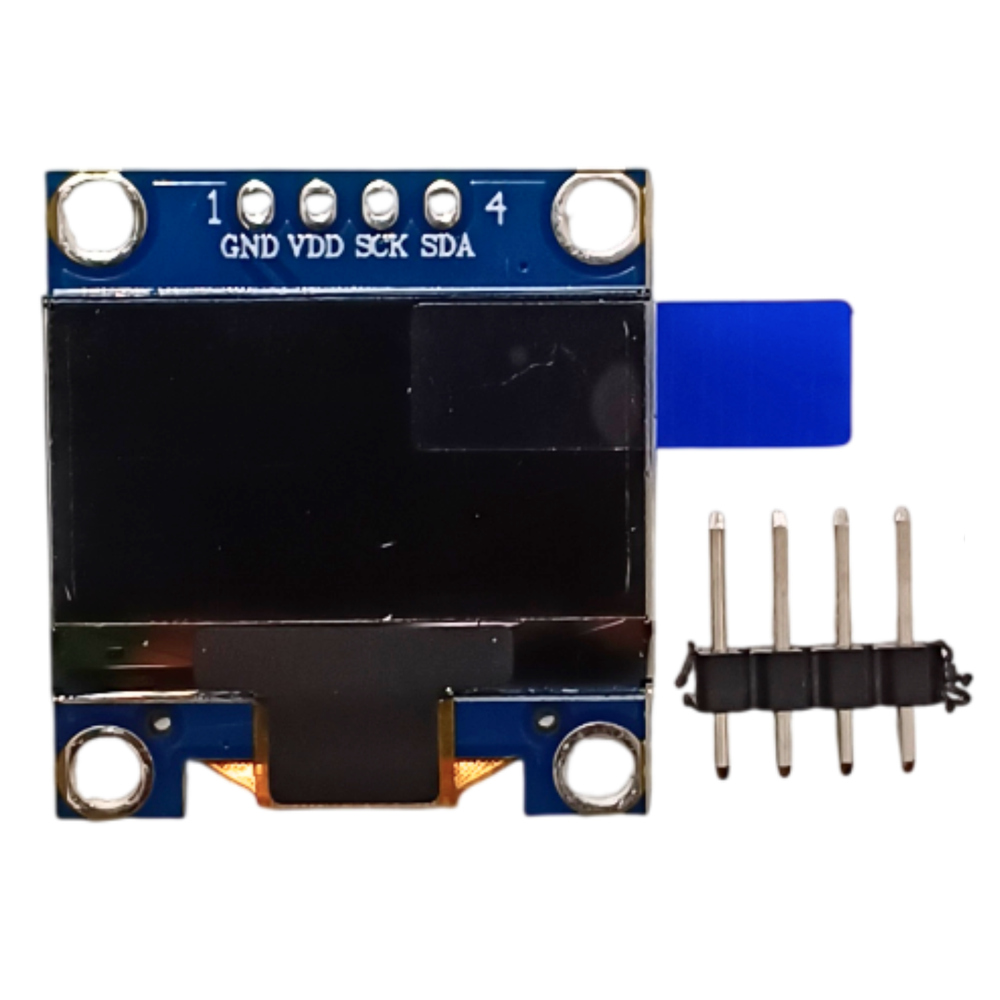
0.96 inch OLED Display Module 128x64 SSD1306 (I2C)
Monochrome 0.96" 128x64 OLED with SSD1306 driver, I2C 4-pin interface; the default display for Arduino/ESP32 projects.
₹175 + 18% GST
Lcd Character
16x2 LCD Display Module with I2C Interface (1602)
Classic 16x2 character LCD (HD44780) with soldered I2C backpack; needs only SDA/SCL, a common maker-store part.
₹160 + 18% GST
Lcd Character
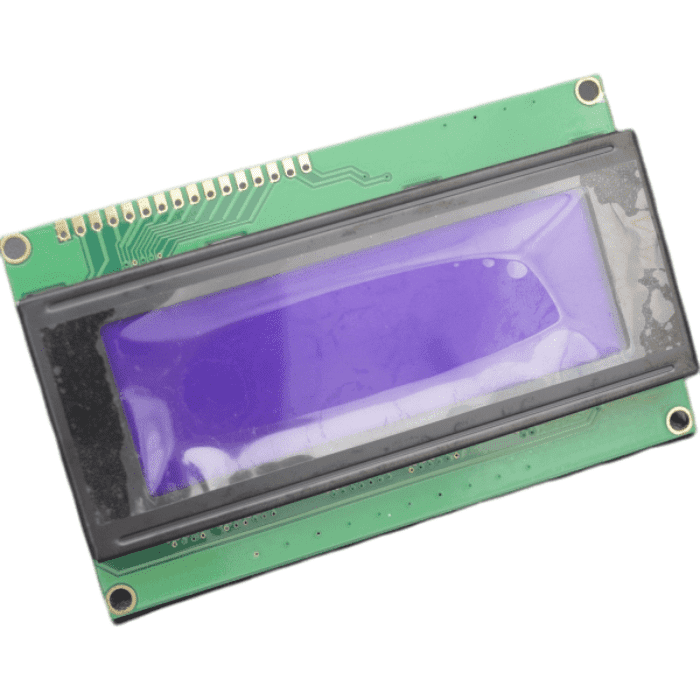
20x4 LCD Display Module 2004 with I2C Interface
20-column, 4-row character LCD with I2C adapter; roomier text display for menus, meters and clocks.
₹270 + 18% GST
Led Matrix
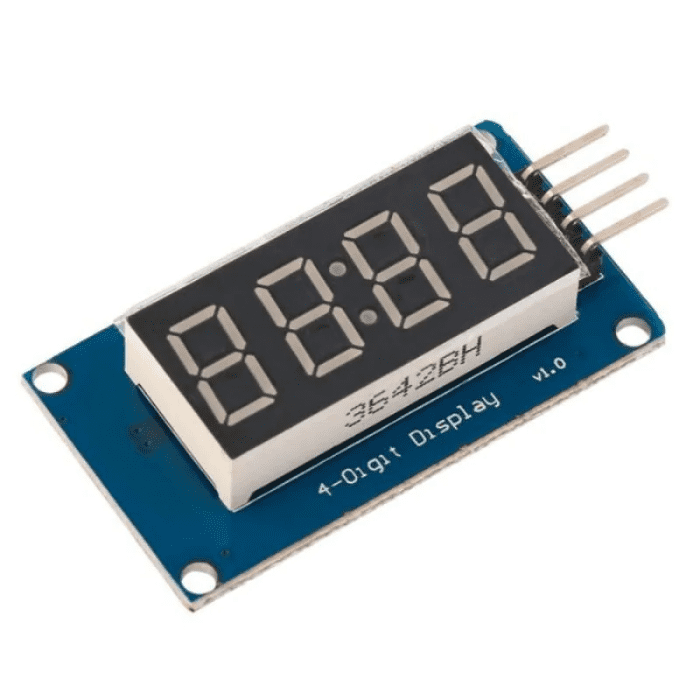
TM1637 4-Digit 7-Segment LED Display Module
Compact 4-digit 7-segment red LED display with clock colon, driven by TM1637 over a simple 2-wire interface.
₹99 + 18% GST
You may also need
Pairs well with.
Arduino Boards
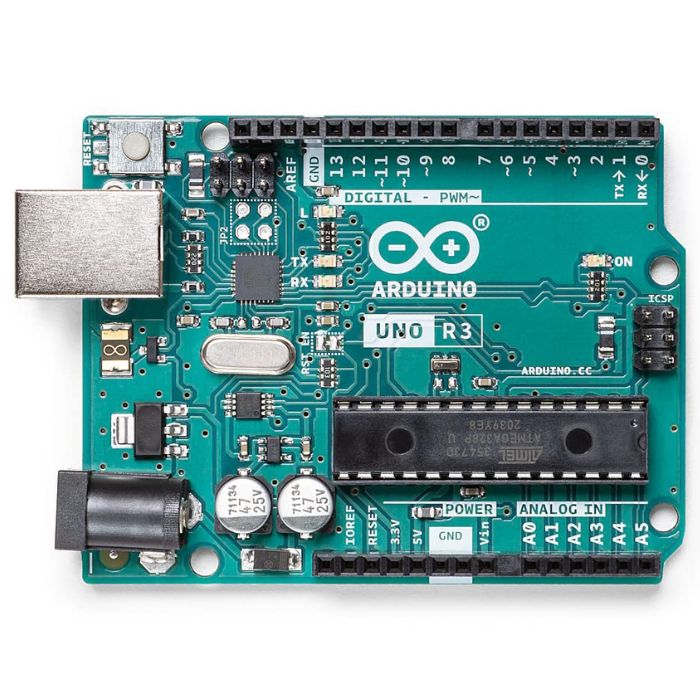
Arduino Uno R3
The classic ATmega328P 8-bit microcontroller board, a popular beginner prototyping platform with 14 digital and 6 analog I/O pins.
₹799 + 18% GST
Breadboards Jumpers
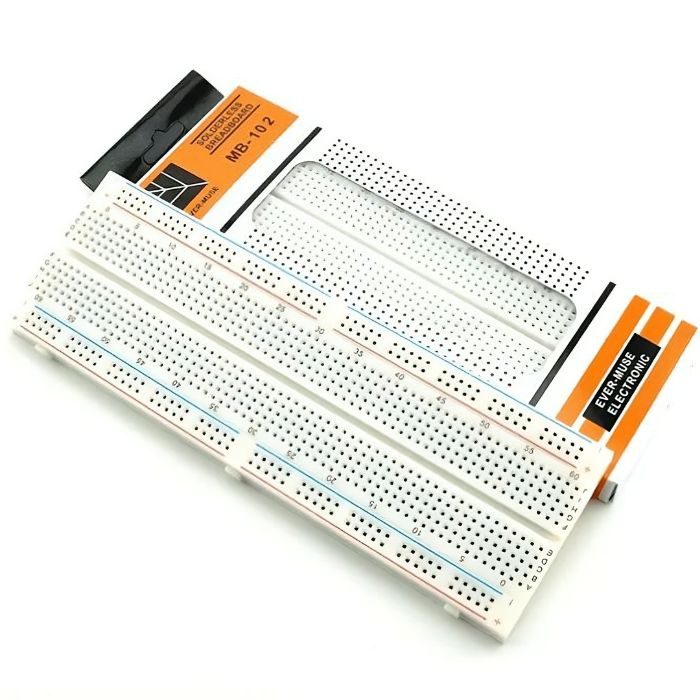
MB102 830 Points Solderless Breadboard
Full-size 830 tie-point solderless prototyping breadboard with power rails, accepts 20-29 AWG wire.
₹90 + 18% GST