Fast turn from CAD to physical part, compressing the development cycle
Quote
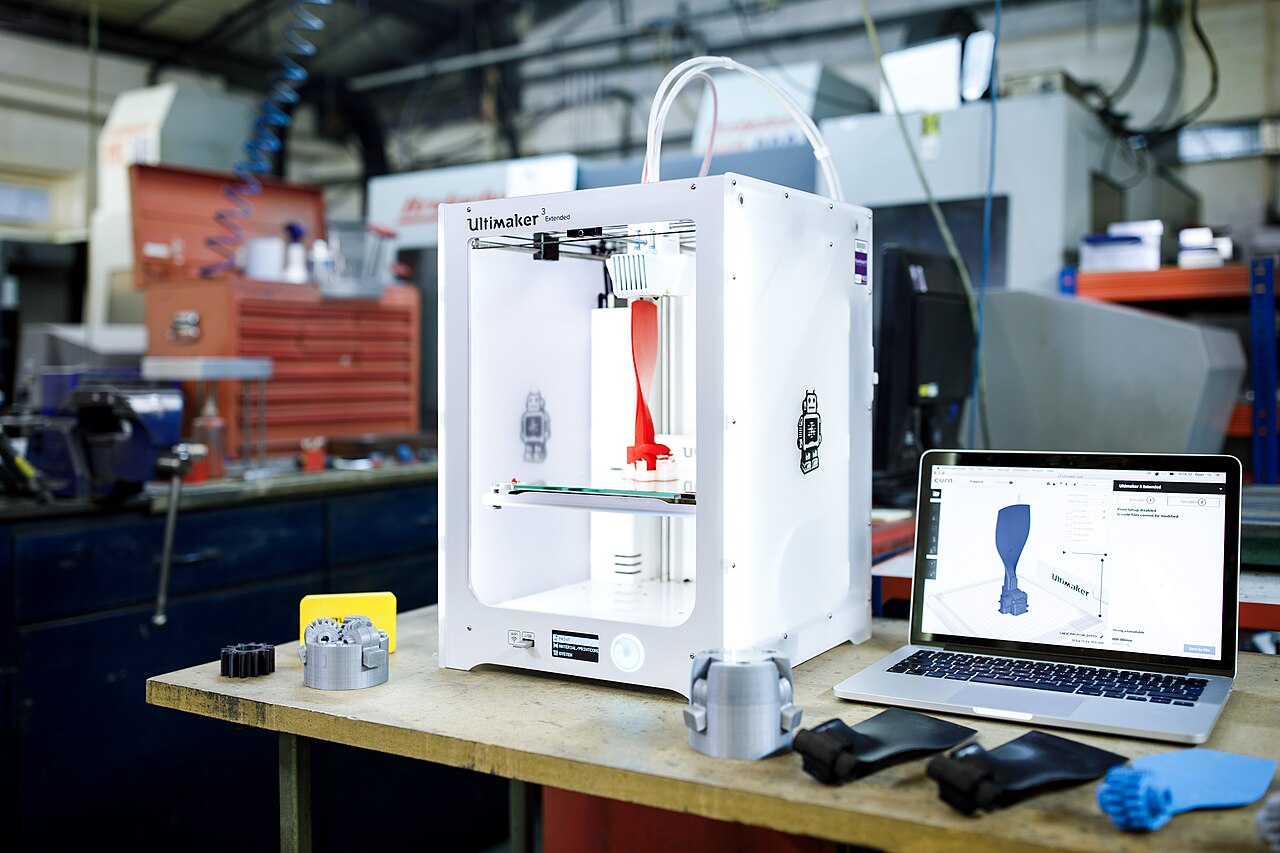
Rapid Prototyping
Rapid Prototyping Service
Rapid prototyping is not a single machine but a family of on-demand manufacturing techniques used to turn a digital design into a physical part quickly, without production tooling.
Price on request
SKU: BOTBIT-MFG-09 · Best for: Early concept and design-validation models
Overview
About Rapid Prototyping Service.
Rapid prototyping is not a single machine but a family of on-demand manufacturing techniques used to turn a digital design into a physical part quickly, without production tooling. It typically draws on 3D printing (FDM, SLA, SLS, MJF and metal), CNC machining and vacuum casting, choosing whichever process best fits the part's purpose. Working directly from your CAD file, rapid prototyping lets engineers and designers test fit, form and function, iterate a design, and validate ideas in days rather than the weeks or months that hard tooling would require, dramatically shortening the product development cycle.
BotBit's rapid prototyping service in India selects the right process for each job. 3D printing usually wins on speed and geometric complexity for early concept and functional prototypes; CNC machining is preferred when you need real engineering materials, tight tolerances and full material properties; and vacuum casting suits small series of high-quality, production-like copies. Process choice is guided by your tolerance, material, surface-finish and quantity requirements, so a visual concept model, a functional test part and a short pilot run may each use a different route. We can also combine processes and post-processing to reach the look, feel and performance you need.
Rapid prototyping is ideal for product teams, startups, R&D engineers, students and manufacturers who need to move fast from idea to physical part, test with users, refine a design, or produce short pre-production batches before investing in tooling. The value is speed, flexibility and low upfront cost, letting you iterate cheaply and de-risk a design before committing to volume manufacturing. Tell us your goal, whether it is a looks-like model, a works-like functional part or a pilot run, and upload your model to request an instant or RFQ quote.
Key features
Why it stands out.
Best-fit process selection across 3D printing, CNC and vacuum casting
No production tooling, so upfront cost and lead time stay low
Freedom to iterate cheaply and de-risk designs before volume commitment
Supports visual concept models, functional test parts and short pilot runs
Specifications
Selection facts.
| Service | Rapid prototyping (process selected per job) |
|---|---|
| Processes used | FDM, SLA, SLS, MJF, metal AM, CNC, vacuum casting |
| Typical materials | Engineering plastics, resins, nylons and metals |
| Selection drivers | Tolerance, material, finish and quantity needs |
| Strengths | Speed, flexibility, low upfront cost, easy iteration |
| Finish options | Process-dependent; finishing and painting available |
| Best for | Concept models, functional prototypes, pilot batches |
| Lead time | Varies by process, complexity and quantity |
Applications
Where it is used.
- Early concept and design-validation models
- Functional prototypes for fit, form and performance testing
- User-testing and marketing appearance samples
- Design iteration and rapid engineering changes
- Short pre-production and pilot batches before tooling
- Drone, UAV and UGV component development and testing
Buying guide
How to choose.
To request a quote, upload your 3D model and tell us the goal of the prototype, whether it is a looks-like appearance model, a works-like functional part, or a short pilot run, plus the quantity, target material and any critical dimensions or finishes. The more you tell us about the end use, loads and environment, the better we can pick the process that gives you the right result at the right cost and speed.
Let the requirements guide the process. For fast, complex early prototypes, 3D printing usually wins; when you need tight tolerances, real engineering materials and full properties, CNC machining is the better route; and for several production-like copies, vacuum casting is often most economical. We can also combine processes, for example machining a printed part or casting from a printed master, and apply finishing to match the intended production look.
Rapid prototyping is the right choice whenever speed, flexibility and low upfront cost matter more than volume economics, letting you iterate and de-risk a design before committing to tooling. If you already know you need mass production, ask us about injection moulding or higher-volume routes instead. Send your files and describe your goal, and we will recommend the best process and provide an instant or RFQ quote with lead time.
FAQ
Common questions.
What is rapid prototyping?
Rapid prototyping is a group of on-demand techniques, including 3D printing, CNC machining and vacuum casting, used to turn a CAD design into a physical part quickly without production tooling. It lets teams test fit, form and function and iterate designs in days rather than weeks or months, greatly speeding up product development and reducing the risk of costly late-stage changes.
Which process will you use for my part?
We choose based on your requirements. 3D printing suits fast, complex early prototypes; CNC machining suits tight tolerances and real engineering materials; and vacuum casting suits small series of production-like copies. Tell us the purpose, material, tolerance, finish and quantity, and we will recommend the best-fit process, or a combination, for your part and budget.
How fast can I get a prototype?
Speed depends on the process, part size, complexity and quantity. 3D printing is typically the fastest route for a single part, while CNC and vacuum casting take longer due to setup or mould making. Because timelines vary by job, upload your model and tell us your deadline, and we will advise the quickest suitable process and provide a lead time.
Can rapid prototypes be functional, not just visual?
Yes. With the right process and material, we can produce works-like functional prototypes for fit, load and performance testing, not only looks-like appearance models. Tell us the loads, environment and what you need to test, and we will select a process and material, such as SLS nylon, CNC metal or a functional resin, that will perform realistically for your evaluation.
Can I make a small batch, not just one part?
Absolutely. Rapid prototyping supports short pre-production and pilot batches. For a handful of parts, 3D printing or CNC may suit; for tens of production-like copies, vacuum casting is often most economical. Share your quantity and finish needs and we will recommend the most cost-effective route, or advise when volume justifies moving to injection moulding.
What do I need to send for a quote?
Upload your 3D model and describe the prototype's purpose, target material, quantity and any critical dimensions or finishes. Noting the end use, loads and environment helps us pick the right process. If appearance matters, mention colours or textures. With that information we can recommend a process and provide an instant or RFQ quote with lead time.
More in Advanced Manufacturing
Related hardware.
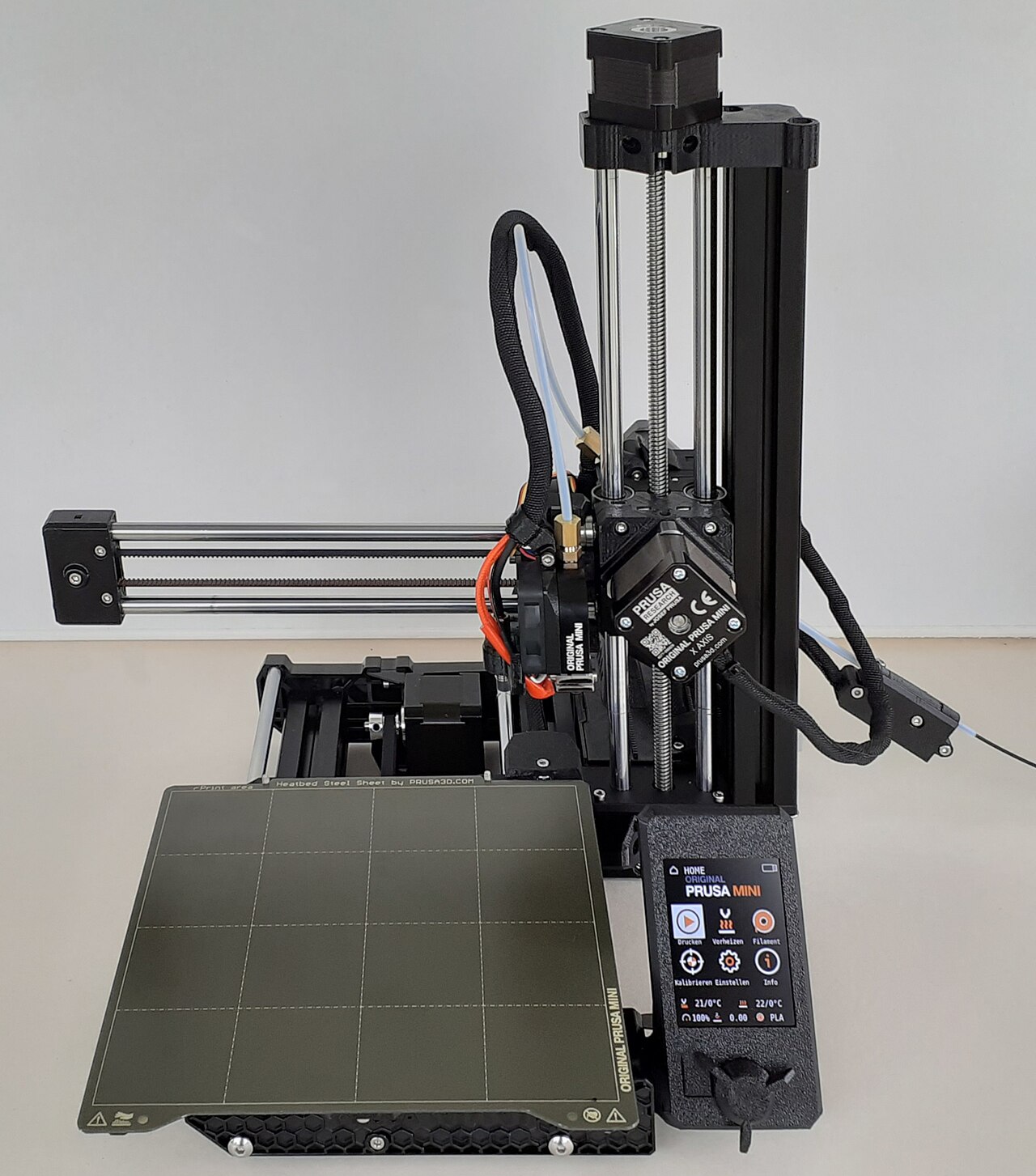
Fdm 3d Printing
FDM 3D Printing Service
FDM (Fused Deposition Modelling) 3D printing is an additive manufacturing process that builds parts layer by layer from a molten thermoplastic filament.
Price on request
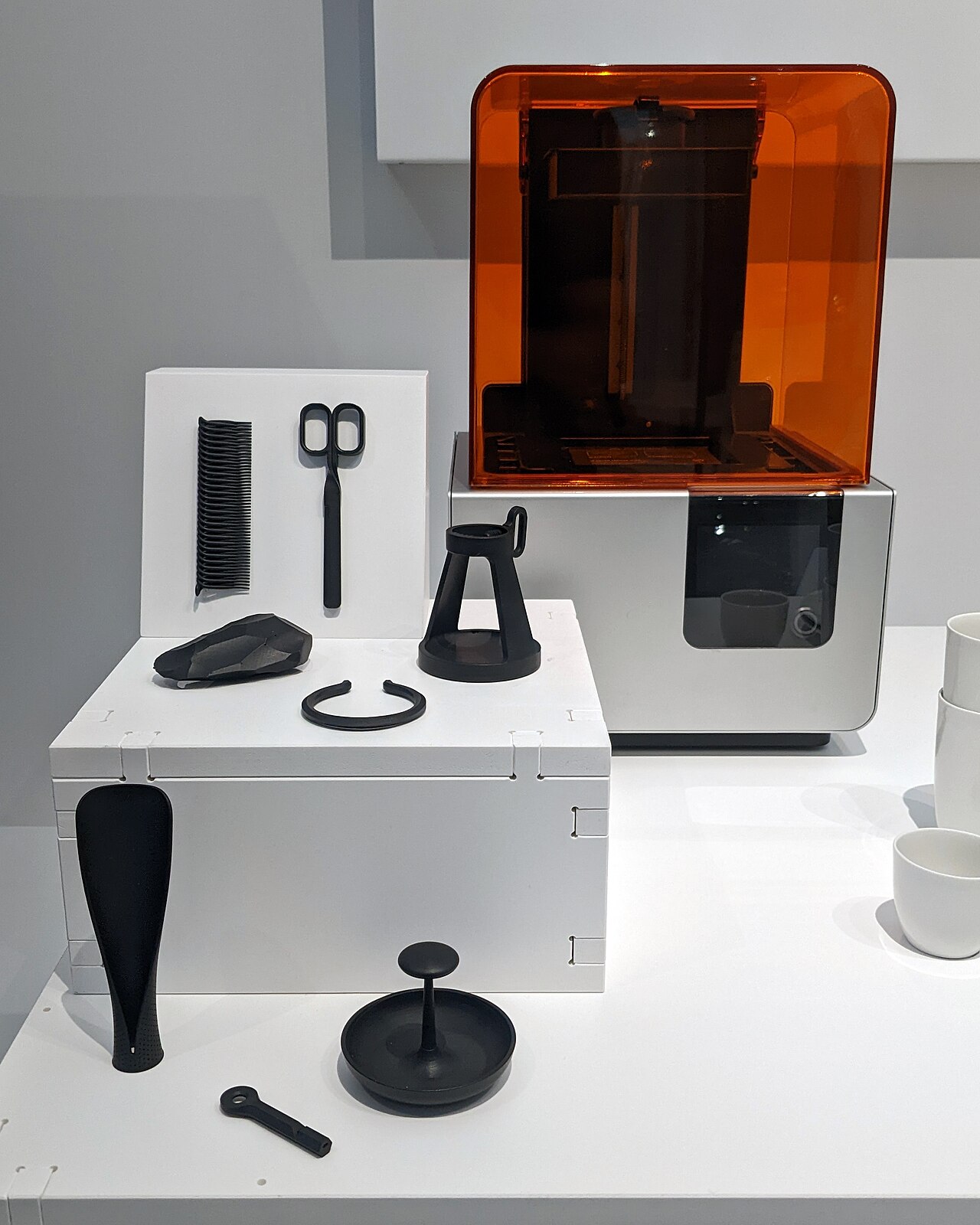
Sla 3d Printing
SLA / Resin 3D Printing Service
SLA (Stereolithography), also called resin 3D printing, is a photopolymerisation process that builds parts by curing liquid photopolymer resin with a UV light source, layer by layer.
Price on request
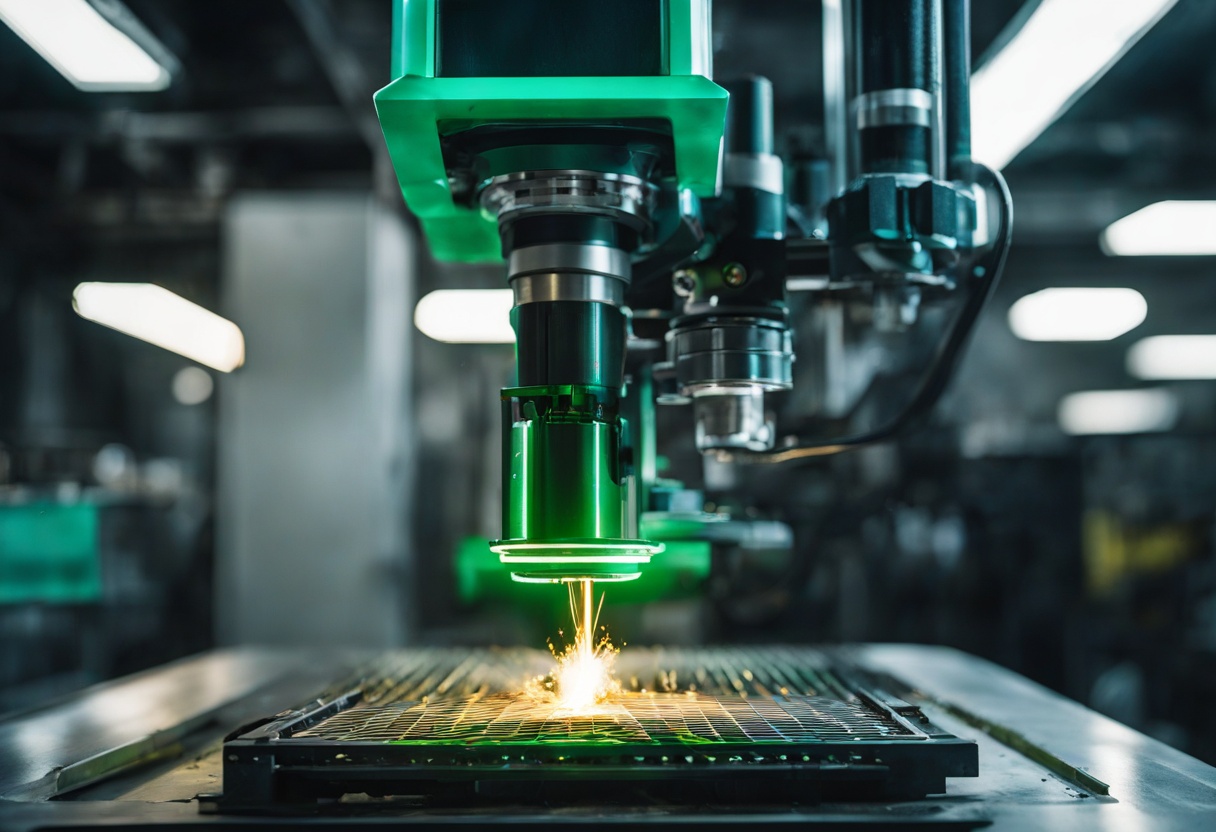
Sls 3d Printing
SLS 3D Printing Service
SLS (Selective Laser Sintering) is a powder-bed fusion process that builds parts by using a laser to selectively sinter fine polymer powder, layer by layer, inside a heated build chamber.
Price on request
Mjf 3d Printing
MJF 3D Printing Service
MJF (Multi Jet Fusion) is a powder-bed fusion process developed by HP that, like SLS, builds nylon parts layer by layer, but instead of a laser it uses inkjet arrays to deposit a fusing agent onto the powder bed and then passes an infrared energy source over it to fuse those areas.
Price on request