Among the smoothest surface finishes and finest feature detail in polymer 3D printing
Quote
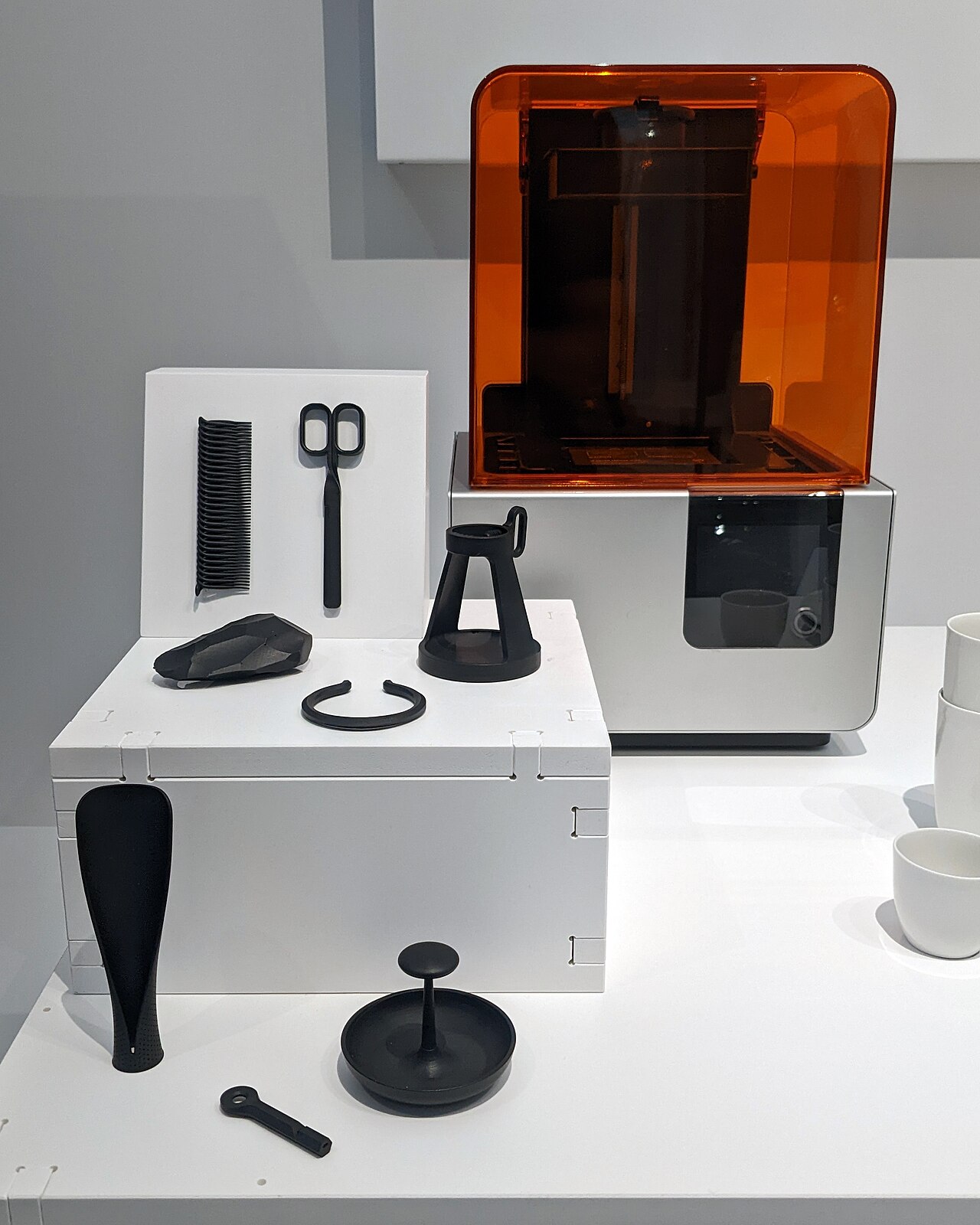
Sla 3d Printing
SLA / Resin 3D Printing Service
SLA (Stereolithography), also called resin 3D printing, is a photopolymerisation process that builds parts by curing liquid photopolymer resin with a UV light source, layer by layer.
Price on request
SKU: BOTBIT-MFG-02 · Best for: High-detail visual and presentation prototypes
Overview
About SLA / Resin 3D Printing Service.
SLA (Stereolithography), also called resin 3D printing, is a photopolymerisation process that builds parts by curing liquid photopolymer resin with a UV light source, layer by layer. A precisely controlled laser or projected UV image selectively hardens each cross-section on the build platform, which then steps up so the next layer can be cured and fused to the previous one. Because the beam or pixel resolution is very fine, SLA delivers among the smoothest surfaces and sharpest fine features of any polymer 3D printing technology, working directly from your CAD or STL file with no tooling.
BotBit's SLA and resin printing service in India offers a range of engineered resins, including standard resins for crisp visual models, tough and durable resins that flex under load rather than shatter, high-temperature resins for heat-exposed parts, clear resins for near-transparent optics and fluidics, flexible resins, and castable resins formulated to burn out cleanly for investment casting. Because resin parts need washing and UV post-curing, and support marks may need light finishing, we plan orientation and supports to protect cosmetic and functional surfaces. The result is high dimensional accuracy and excellent detail resolution.
SLA is ideal for design teams, jewellers, dental and medical model makers, electronics and optics developers, and anyone needing smooth, highly detailed prototypes or patterns. Choose SLA when surface finish, fine features or transparency matter more than the ruggedness of an engineering thermoplastic, or when you need a master pattern for silicone/vacuum casting. For tougher, more heat-stable functional parts, SLS, MJF or CNC may suit better. Upload your model to request an instant or RFQ quote.
Key features
Why it stands out.
High dimensional accuracy for crisp, presentation-ready visual and functional models
Wide resin choice: standard, tough, durable, high-temp, clear, flexible and castable
Clear resins enable near-transparent parts for optics, lighting and fluidic models
Excellent master patterns for silicone vacuum casting and investment casting
Specifications
Selection facts.
| Process | Stereolithography (SLA/DLP resin, photopolymerisation) |
|---|---|
| Typical materials | Standard, tough, durable, high-temp, clear, castable resins |
| Strengths | Smooth finish, fine detail, high accuracy |
| Surface finish | Very smooth as-printed; support marks need light finishing |
| Detail & accuracy | Excellent fine-feature resolution and geometric accuracy |
| Post-processing | Washing and UV post-cure required |
| Best for | Visual models, patterns, optics, dental/jewellery, fine detail |
| Lead time | Varies by job size, resin and quantity |
Applications
Where it is used.
- High-detail visual and presentation prototypes
- Master patterns for silicone vacuum casting
- Castable patterns for jewellery and investment casting
- Clear parts for optics, lighting, microfluidics and flow visualisation
- Dental and medical models and guides
- Small, intricate components with fine features and text
Buying guide
How to choose.
To request a quote, upload your 3D model and tell us the intended use, quantity and which surfaces or features are cosmetically or dimensionally critical. Because SLA parts are washed and UV post-cured and may carry support witness marks, we plan orientation to keep important faces clean. If you need transparency, flexibility, heat resistance or clean burnout for casting, mention it up front so we can pick the correct resin family.
Match the resin to the job. Standard resins give crisp detail for looks-like models; tough and durable resins better tolerate handling, snap fits and functional testing; high-temp resins suit heat-exposed parts; clear resins support optics and fluidics; and castable resins are made to burn out cleanly for lost-wax casting. Resin parts can be brittle or sensitive to prolonged UV and heat compared with sintered thermoplastics, so tell us the service conditions.
SLA is the best choice when surface finish, fine features or transparency drive the design, or when you need an accurate master pattern. If your part must survive rough handling, high heat or sustained load, ask us whether SLS, MJF or CNC machining would serve better. Send your files for an instant or RFQ quote covering resin options, finishing and lead time.
FAQ
Common questions.
What is the difference between SLA and FDM?
SLA cures liquid resin with UV light for very smooth surfaces and fine detail, while FDM melts and extrudes filament with visible layer lines. SLA wins on cosmetics, accuracy and small features, whereas FDM offers tougher engineering thermoplastics at lower cost. We can advise which suits your part once we see the model and intended use.
Which resin should I choose?
Choose by function. Standard resins suit visual models, tough and durable resins handle functional testing and snap fits, high-temp resins tolerate heat, clear resins enable optics and fluidics, and castable resins burn out for investment casting. Tell us the operating conditions, required transparency or flexibility, and whether the part is a display model or working prototype.
Are SLA resin parts strong enough for functional use?
Tough and durable resins allow limited functional testing, snap fits and light loads, but resin parts are generally less rugged than sintered nylon (SLS/MJF) or machined parts and can degrade under sustained heat or UV. Share the loads and environment, and we will recommend either a functional resin or an alternative process.
Can you print clear or transparent parts?
Yes. Clear resins can be finished to near-transparency for optics, lighting, fluidics and flow-visualisation models. Achieving high clarity needs careful orientation, sanding and coating, so let us know which surfaces must be optically clear and we will plan the print and post-processing accordingly for the best result.
Do SLA parts need post-processing?
Yes. Printed parts are washed to remove uncured resin and then UV post-cured to reach full properties. Support contact points may leave small marks that we clean up, and cosmetic surfaces can be sanded, primed or painted on request. We orient parts to keep critical faces free of supports wherever possible.
Can SLA parts be used for casting?
Absolutely. SLA is widely used to make master patterns for silicone vacuum casting and castable patterns for lost-wax investment casting. Castable resins are formulated to burn out cleanly, leaving crisp cavities. Tell us the casting route you plan to use so we select the correct resin and surface finish for that workflow.
More in Advanced Manufacturing
Related hardware.
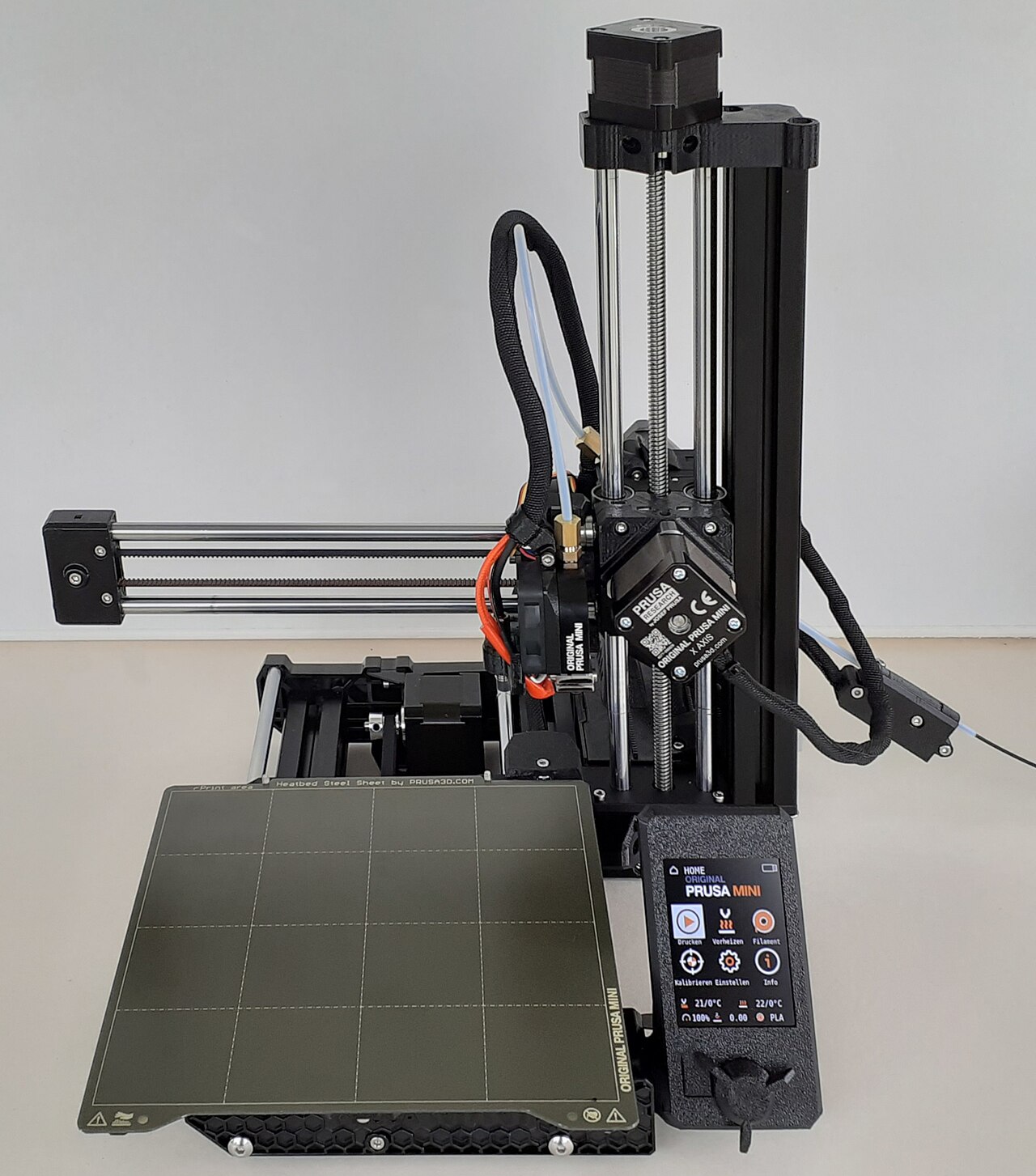
Fdm 3d Printing
FDM 3D Printing Service
FDM (Fused Deposition Modelling) 3D printing is an additive manufacturing process that builds parts layer by layer from a molten thermoplastic filament.
Price on request
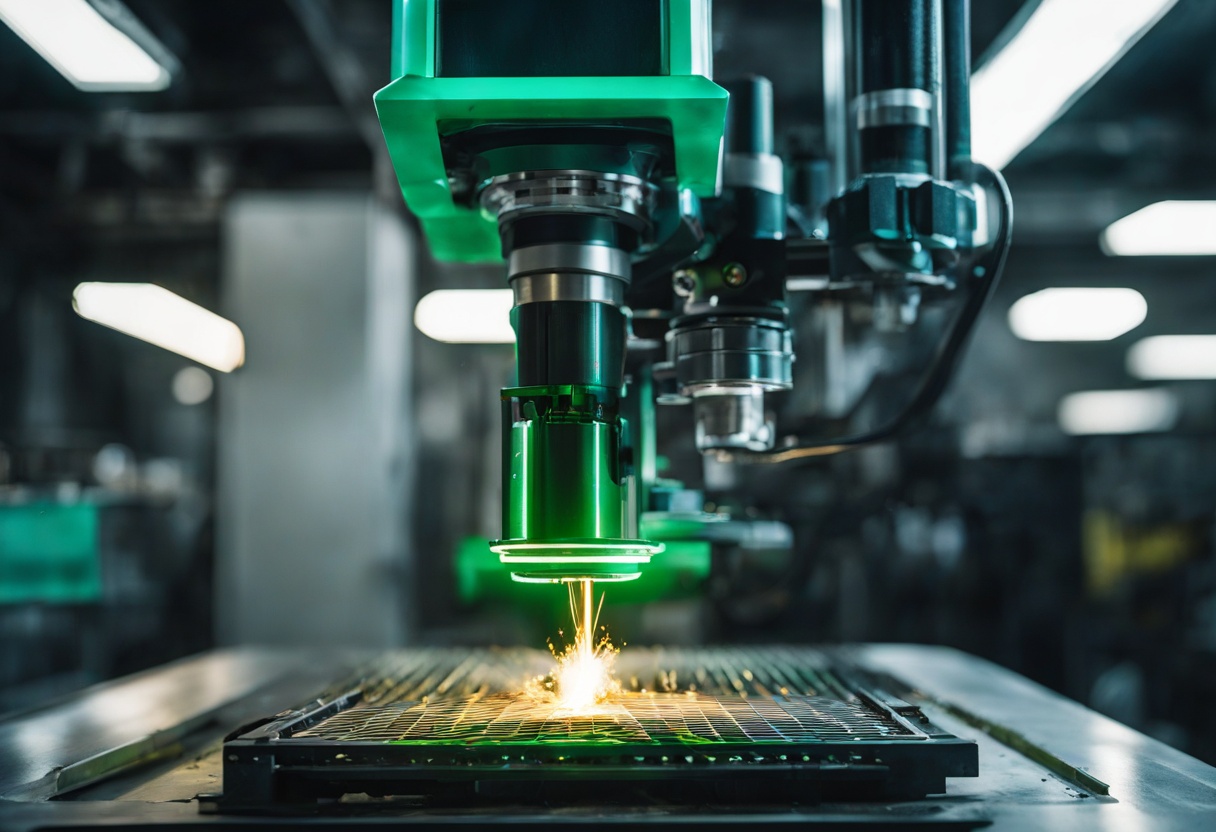
Sls 3d Printing
SLS 3D Printing Service
SLS (Selective Laser Sintering) is a powder-bed fusion process that builds parts by using a laser to selectively sinter fine polymer powder, layer by layer, inside a heated build chamber.
Price on request
Mjf 3d Printing
MJF 3D Printing Service
MJF (Multi Jet Fusion) is a powder-bed fusion process developed by HP that, like SLS, builds nylon parts layer by layer, but instead of a laser it uses inkjet arrays to deposit a fusing agent onto the powder bed and then passes an infrared energy source over it to fuse those areas.
Price on request
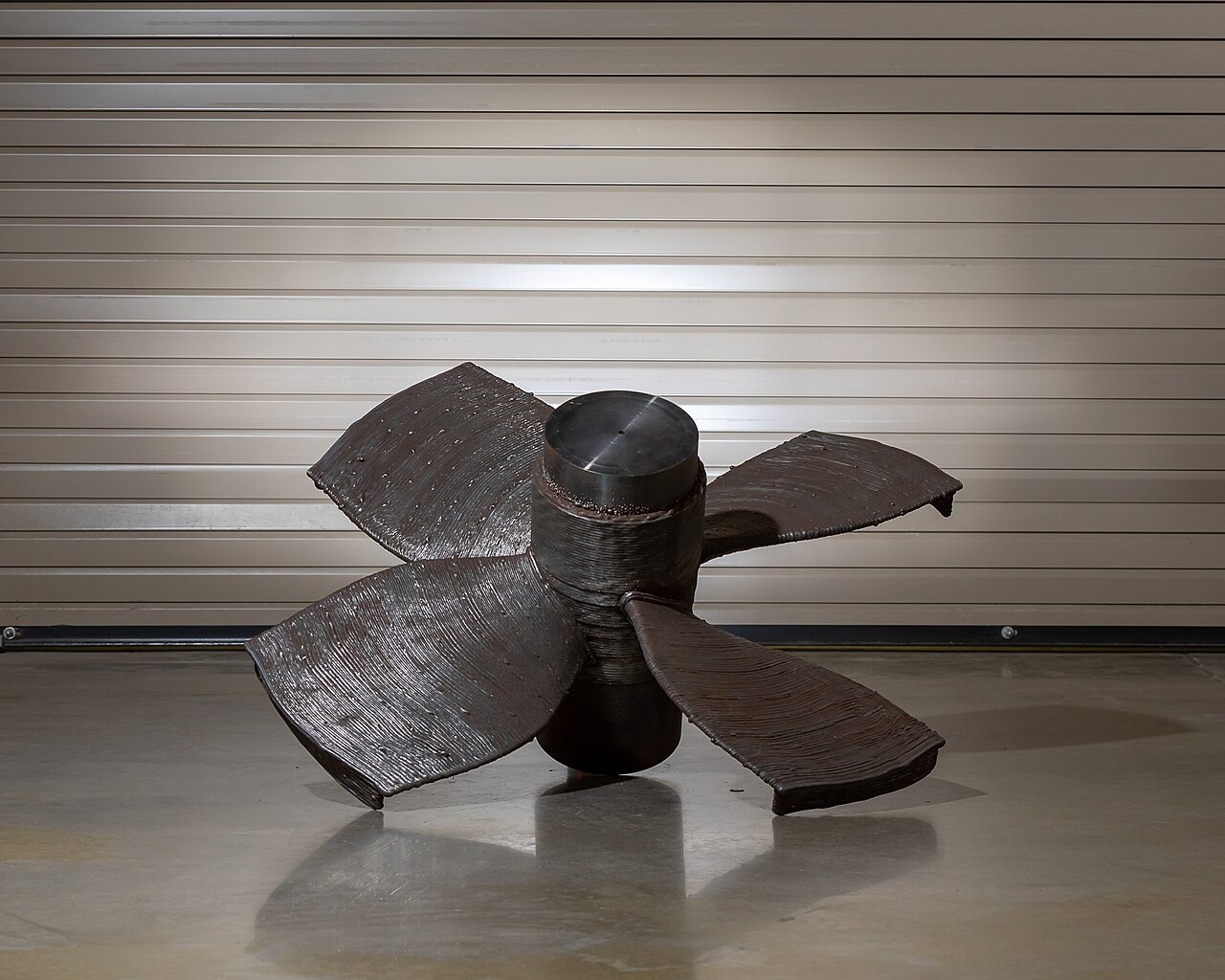
Metal 3d Printing
Metal (DMLS/SLM) 3D Printing Service
Metal 3D printing by DMLS (Direct Metal Laser Sintering) or SLM (Selective Laser Melting), which are essentially the same powder-bed fusion process, builds fully dense metal parts by using a high-power laser to melt fine metal powder layer by layer.
Price on request