Most cost-effective additive process for functional plastic prototypes and low-volume parts
Quote
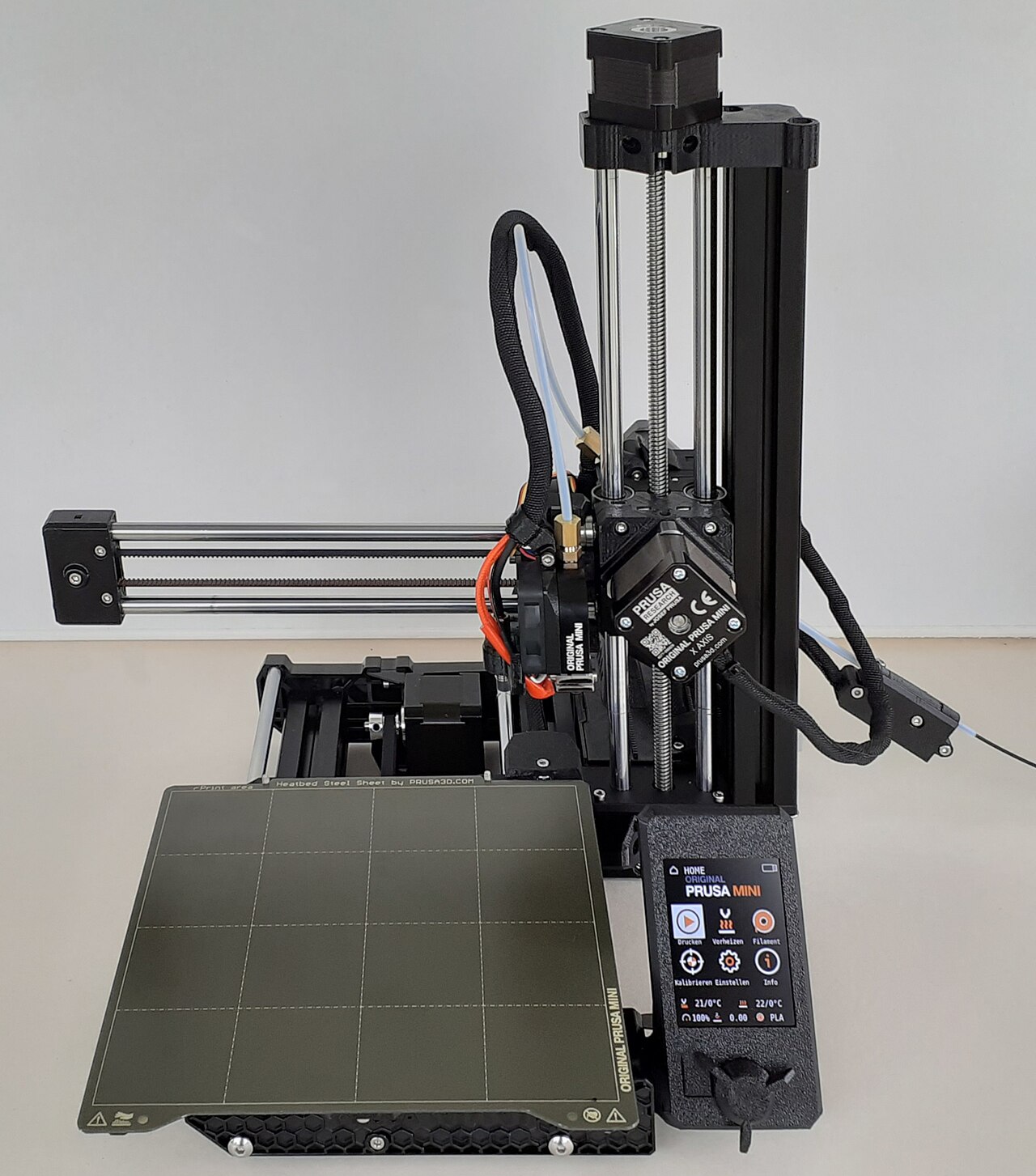
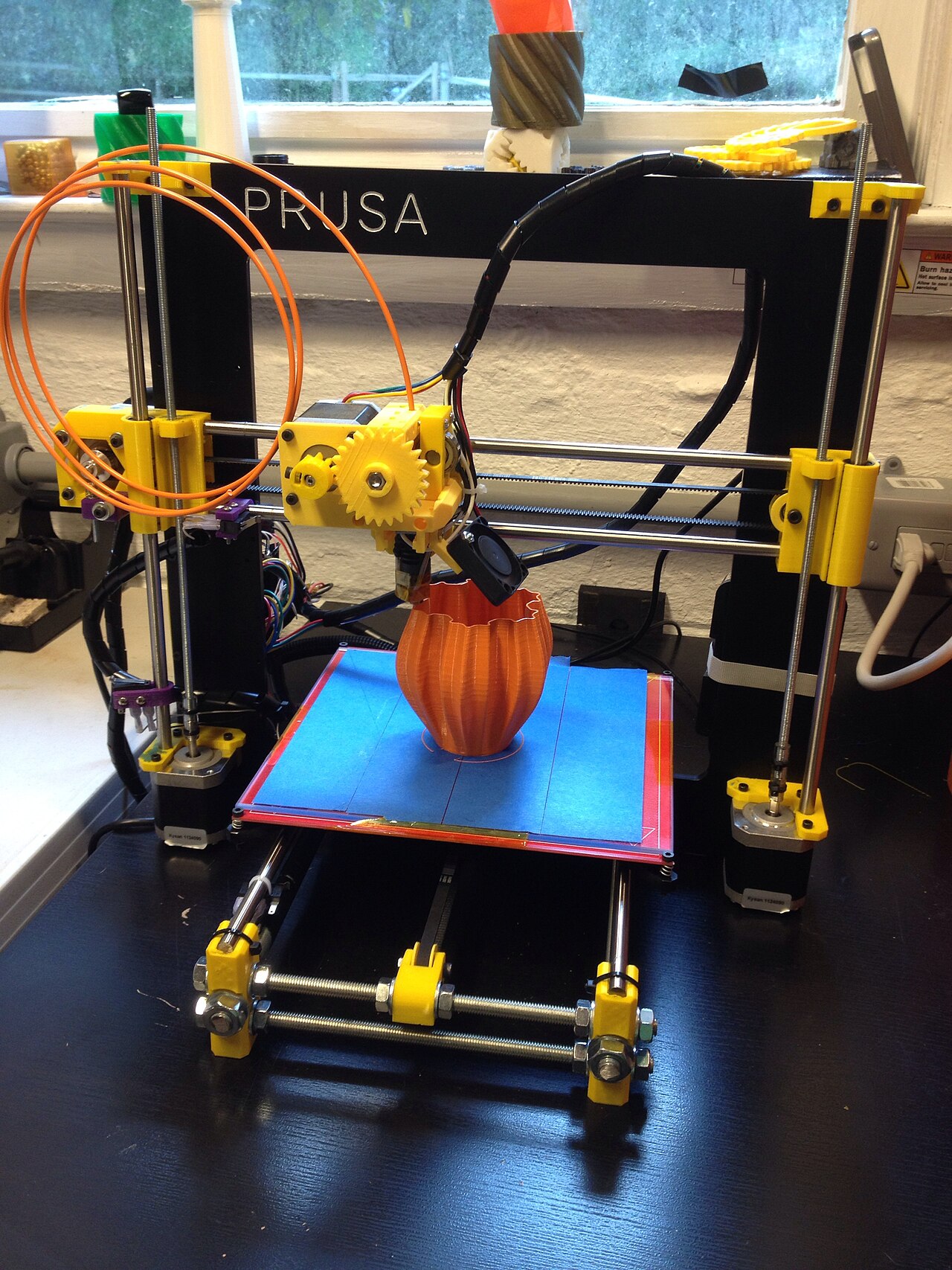
Fdm 3d Printing
FDM 3D Printing Service
FDM (Fused Deposition Modelling) 3D printing is an additive manufacturing process that builds parts layer by layer from a molten thermoplastic filament.
Price on request
SKU: BOTBIT-MFG-01 · Best for: Functional prototypes for fit, form and design validation
Overview
About FDM 3D Printing Service.
FDM (Fused Deposition Modelling) 3D printing is an additive manufacturing process that builds parts layer by layer from a molten thermoplastic filament. A heated nozzle extrudes the softened polymer along a computer-controlled path, depositing each cross-section of the part before moving up to the next layer, which fuses to the one below as it cools. Because it works directly from your CAD or STL file, FDM turns a digital design into a physical, functional part without any tooling, moulds or long setup, which makes it the most accessible and cost-effective additive process for most engineering plastics.
BotBit's FDM service in India prints in common workhorse materials including PLA, ABS, PETG and Nylon, with engineering and composite grades such as PC, ASA and carbon-fibre-reinforced filaments available for higher stiffness, temperature or impact needs. Layer height, wall count and infill are tuned per job to balance strength, surface finish and cost. The process is well suited to jigs and fixtures, housings, brackets, drone and UAV component prototypes, form-and-fit models and low-volume functional parts. Print orientation matters, since layer adhesion is directional and parts are generally stronger in the plane of the layers than across them.
FDM is ideal for engineers, product teams, students and manufacturers who need durable plastic parts quickly and economically. It is the go-to choice when you want to iterate a design, validate fit within an assembly, or produce end-use brackets and enclosures in small quantities. Where you need a smoother surface or finer detail, SLA or SLS may suit better, but for robust, budget-friendly thermoplastic parts, FDM is usually the fastest route from file to part. Upload your model to request an instant or RFQ quote.
Key features
Why it stands out.
Broad material choice from PLA and PETG to Nylon, ABS, ASA, PC and carbon-fibre composites
Tooling-free production straight from your CAD/STL file, so design changes cost nothing to try
Durable, impact-resistant parts suitable for jigs, fixtures, housings and end-use components
Fast turnaround for design iterations, form-and-fit checks and short production runs
Specifications
Selection facts.
| Process | Fused Deposition Modelling (FDM/FFF) |
|---|---|
| Typical materials | PLA, ABS, PETG, Nylon, ASA, PC, CF composites |
| Strengths | Low cost, durable engineering plastics, fast iteration |
| Surface finish | Visible layer lines; smoothable by sanding/vapour |
| Detail & accuracy | Good for functional parts; coarser than SLA/SLS |
| Design notes | Layer-direction strength; supports needed for overhangs |
| Best for | Prototypes, jigs, fixtures, housings, low-volume parts |
| Lead time | Varies by job size, material and quantity |
Applications
Where it is used.
- Functional prototypes for fit, form and design validation
- Jigs, fixtures and manufacturing aids for the shop floor
- Enclosures, housings and brackets for electronics and drones
- Drone, UAV and UGV component mock-ups and mounts
- Low-volume end-use parts in engineering plastics
- Educational, hobby and R&D models
Buying guide
How to choose.
To request a quote, upload your 3D model (STEP, STL or similar) along with the quantity, target material and any critical dimensions or features. If a face needs to be smooth or a hole must fit a fastener, call it out, since print orientation and post-processing affect those areas. Photos, reference drawings or a note on the end use help our team recommend the right material and settings.
Choose the material by function rather than by name alone. PLA is stiff and easy to print for visual models; PETG balances strength, toughness and chemical resistance; ABS and ASA add heat and impact resistance for enclosures; Nylon and carbon-fibre composites suit load-bearing or wear parts. Tell us the operating environment, expected loads and whether the part is a prototype or an end-use component so we can match material and wall/infill strategy.
For appearance-critical or high-detail parts, ask us whether SLA (resin) or SLS (nylon powder) would serve better, as FDM shows layer lines and has directional strength. For robust functional parts on a budget, and for anything you plan to iterate quickly, FDM is usually the most economical choice. Send your files to receive an instant or RFQ quote with material options and lead time.
FAQ
Common questions.
What files do you need for an FDM quote?
A 3D model in STEP, STL, OBJ or a similar format is ideal. Include the quantity, preferred material and any critical dimensions or fits. A drawing or note on the end use helps us set orientation, wall thickness and infill correctly, and lets us flag any features that may need design adjustments for reliable printing.
Which FDM material should I choose?
It depends on the job. PLA suits stiff visual models, PETG balances strength and toughness, ABS/ASA add heat and impact resistance, and Nylon or carbon-fibre composites suit load-bearing and wear parts. Tell us the operating temperature, loads and whether the part is a prototype or end-use, and we will recommend a grade.
How strong are FDM parts?
FDM parts are durable and suitable for many functional uses, but strength is directional, being greater in the plane of the layers than across them. We orient parts and adjust wall count and infill to suit the load path. For maximum isotropic strength, SLS or machined parts may be a better fit for your application.
What surface finish can I expect?
As-printed FDM parts show visible layer lines, with finer layers giving a smoother look at longer print times. Surfaces can be sanded, primed, painted or, for ABS, vapour-smoothed on request. If appearance is critical, tell us which faces matter, or ask whether SLA resin printing would give a better cosmetic result.
Can FDM make end-use parts, not just prototypes?
Yes. With the right engineering material and print settings, FDM produces reliable end-use jigs, fixtures, housings, brackets and low-volume functional components. Share the operating environment and expected loads so we can select an appropriate grade, wall strategy and orientation for durable in-service performance.
How much does an FDM part cost and how long does it take?
Cost and lead time depend on part size, material, layer resolution, quantity and finishing. Because pricing is per job, upload your file for an instant or RFQ quote. Larger, denser or multi-material parts take longer, while small prototypes are typically among the fastest additive options available.
More in Advanced Manufacturing
Related hardware.
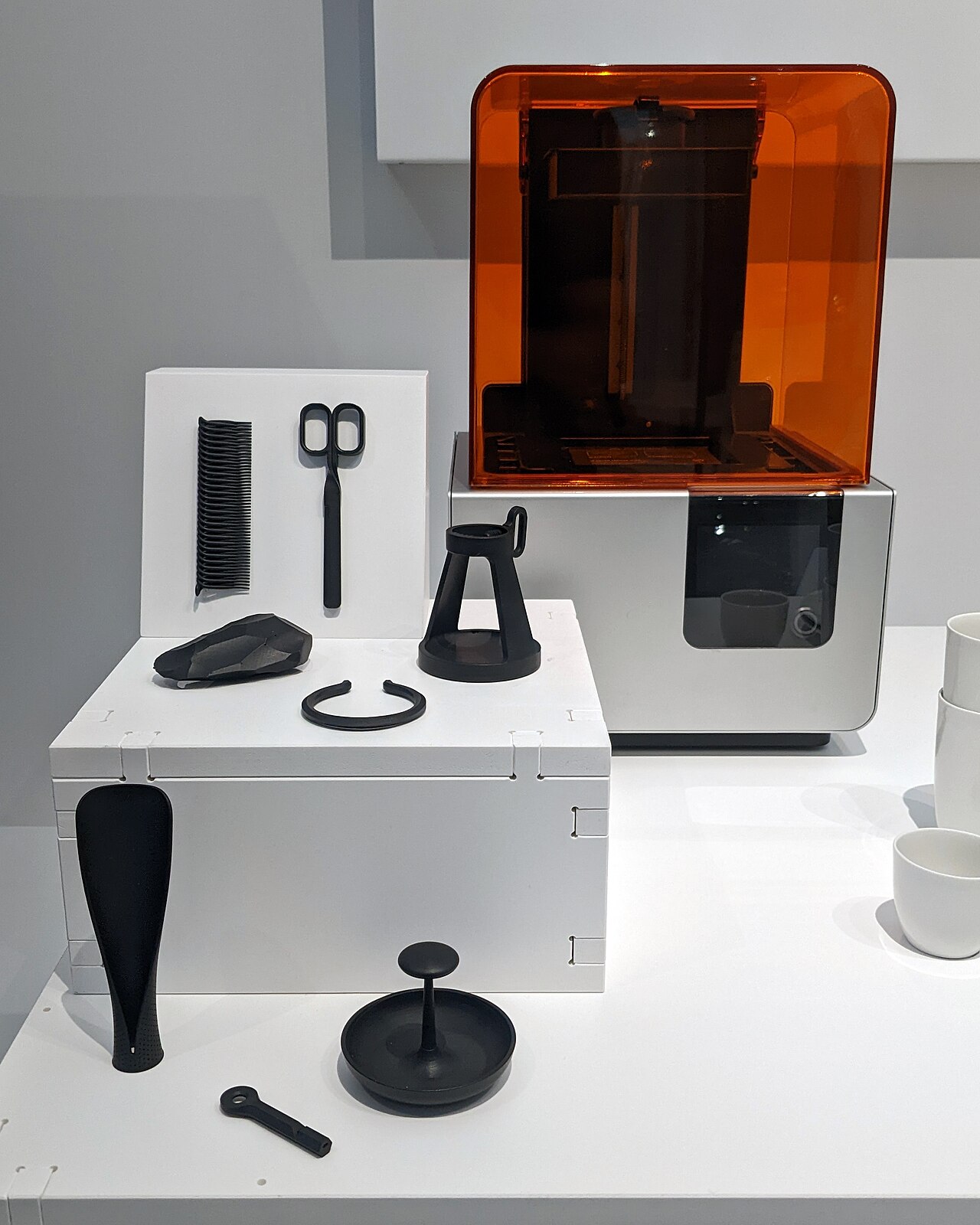
Sla 3d Printing
SLA / Resin 3D Printing Service
SLA (Stereolithography), also called resin 3D printing, is a photopolymerisation process that builds parts by curing liquid photopolymer resin with a UV light source, layer by layer.
Price on request
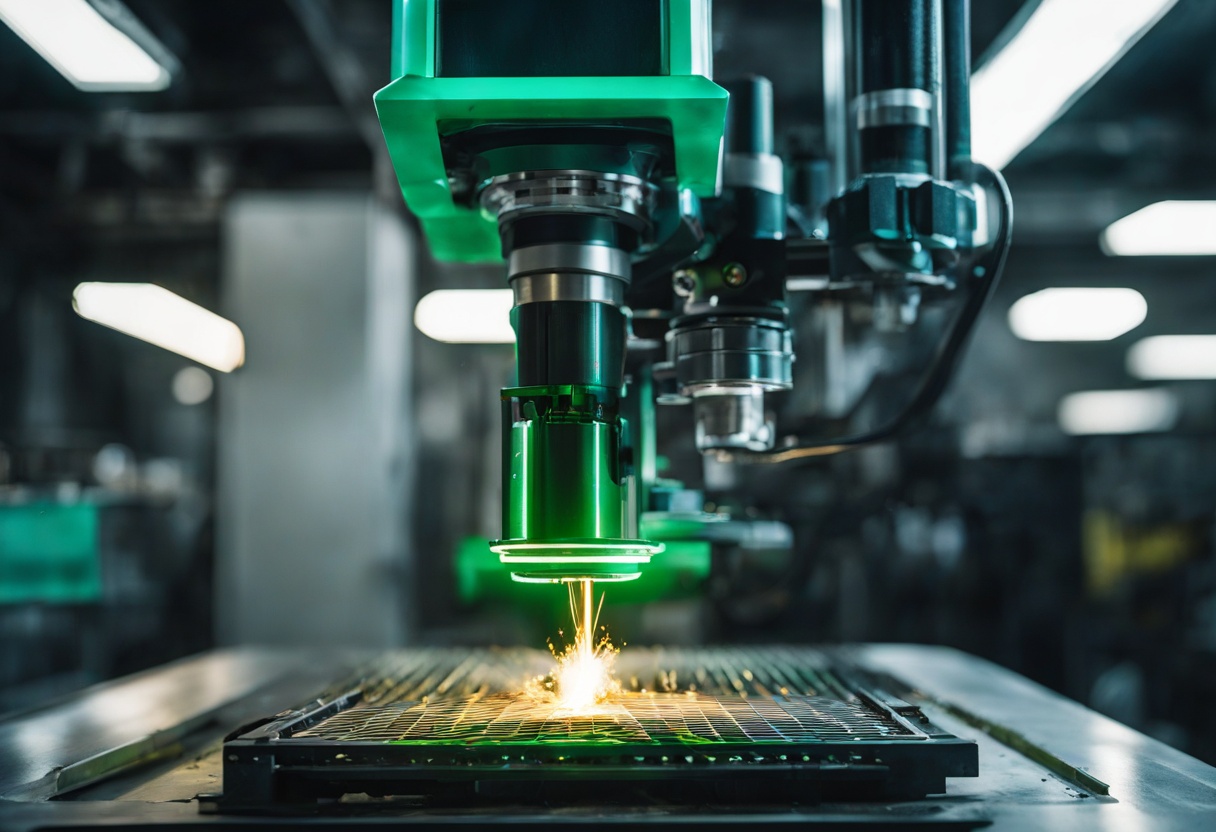
Sls 3d Printing
SLS 3D Printing Service
SLS (Selective Laser Sintering) is a powder-bed fusion process that builds parts by using a laser to selectively sinter fine polymer powder, layer by layer, inside a heated build chamber.
Price on request
Mjf 3d Printing
MJF 3D Printing Service
MJF (Multi Jet Fusion) is a powder-bed fusion process developed by HP that, like SLS, builds nylon parts layer by layer, but instead of a laser it uses inkjet arrays to deposit a fusing agent onto the powder bed and then passes an infrared energy source over it to fuse those areas.
Price on request
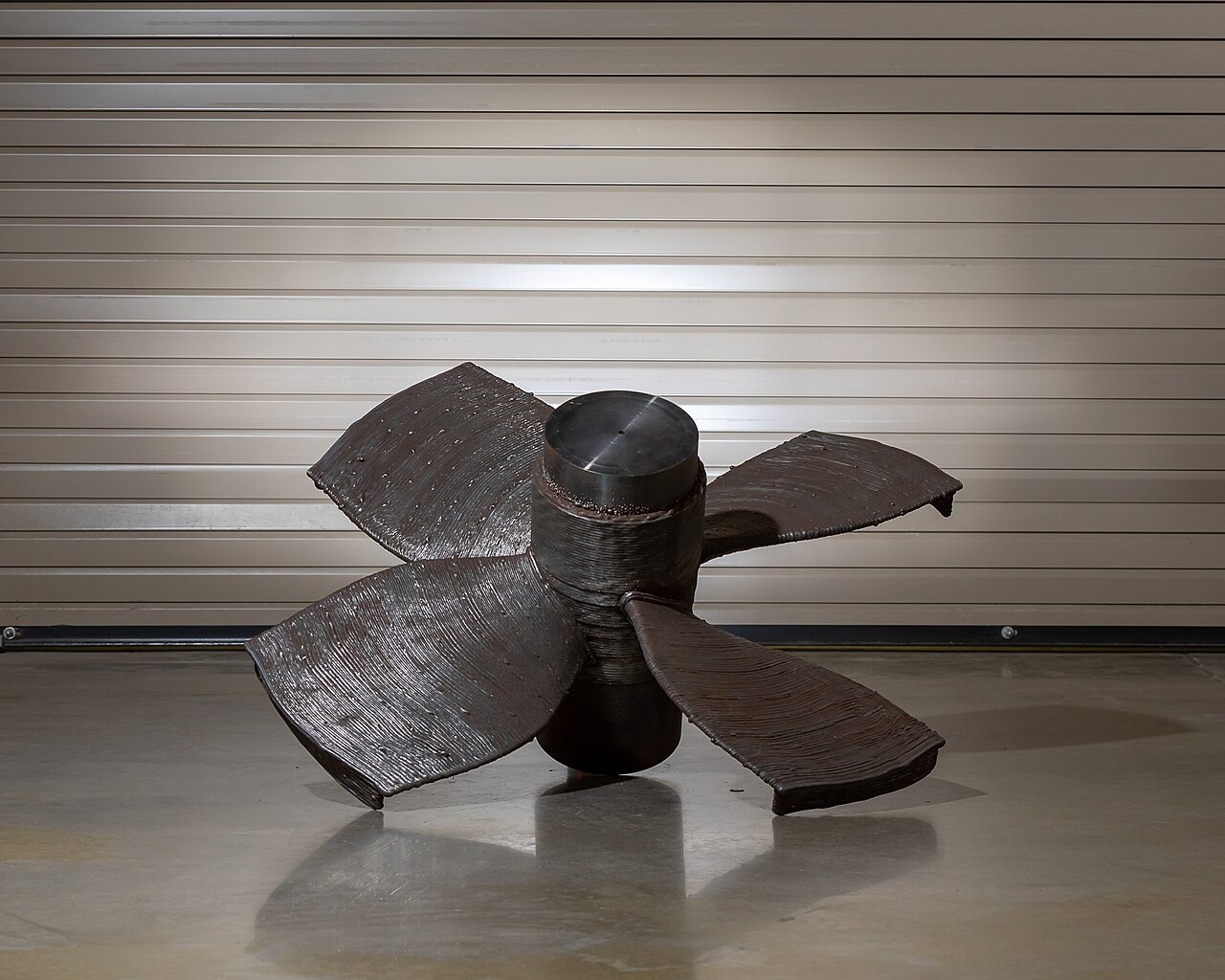
Metal 3d Printing
Metal (DMLS/SLM) 3D Printing Service
Metal 3D printing by DMLS (Direct Metal Laser Sintering) or SLM (Selective Laser Melting), which are essentially the same powder-bed fusion process, builds fully dense metal parts by using a high-power laser to melt fine metal powder layer by layer.
Price on request