No support structures needed, so complex geometries and assemblies print freely
Quote
Sls 3d Printing
SLS 3D Printing Service
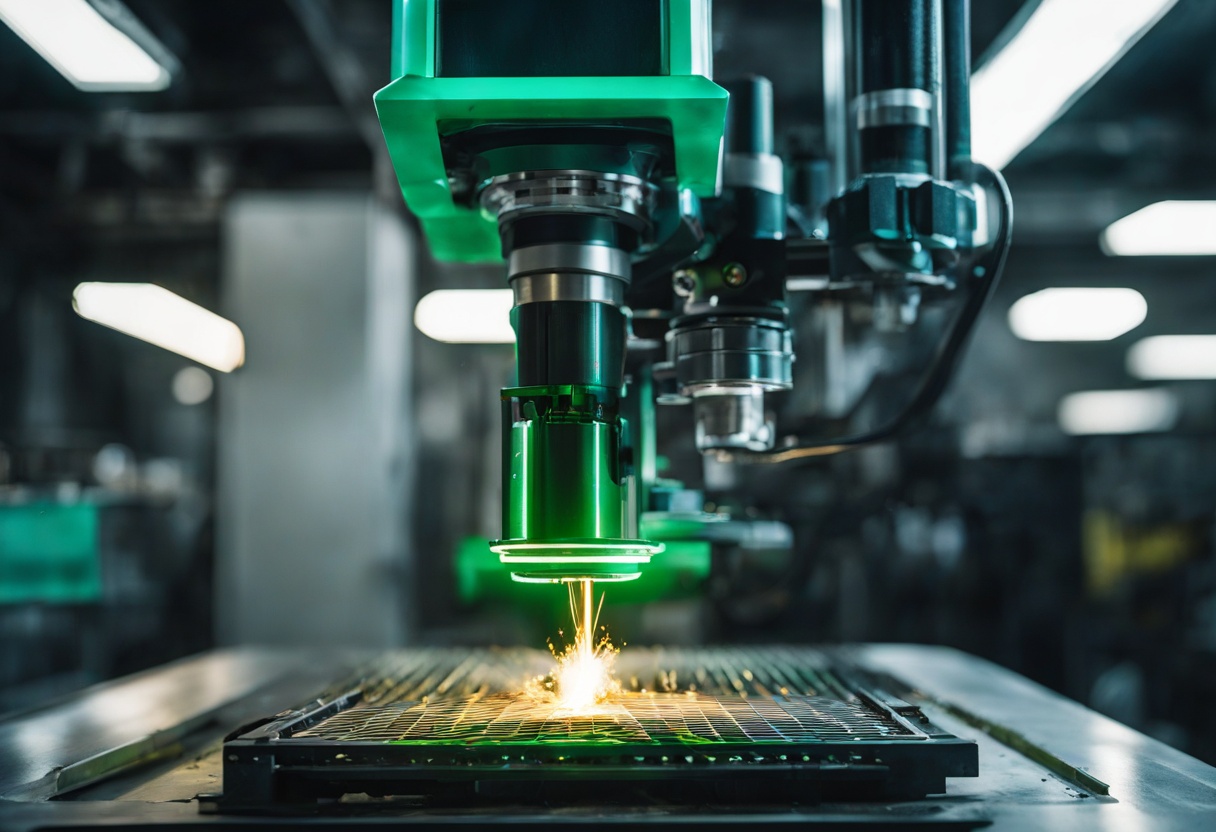
SLS (Selective Laser Sintering) is a powder-bed fusion process that builds parts by using a laser to selectively sinter fine polymer powder, layer by layer, inside a heated build chamber.
Price on request
SKU: BOTBIT-MFG-03 · Best for: Functional prototypes needing all-round strength
Overview
About SLS 3D Printing Service.
SLS (Selective Laser Sintering) is a powder-bed fusion process that builds parts by using a laser to selectively sinter fine polymer powder, layer by layer, inside a heated build chamber. Each cross-section is fused into the powder bed, the platform lowers, a fresh layer of powder is spread, and the process repeats. A key advantage is that the surrounding un-sintered powder supports the part as it grows, so no dedicated support structures are needed. This frees designers to build complex geometries, interlocking assemblies and internal channels directly from a CAD or STL file.
BotBit's SLS service in India prints primarily in nylon powders, including PA12 as the versatile workhorse for strong, chemically resistant functional parts, PA11 for greater ductility, fatigue and impact performance, and glass-filled nylons for added stiffness and dimensional stability. Parts come out with an even, slightly grainy matte finish and good, largely isotropic mechanical strength, which makes SLS a favourite for functional prototypes and small-to-mid volume end-use production. Because nylon powders shrink as they cool, we compensate in the build, and internal cavities should include escape holes so trapped powder can be removed after printing.
SLS suits engineers and manufacturers who need durable, functional plastic parts with good strength in all directions and the freedom of support-free complex design. It is ideal for living hinges, snap fits, ducts, brackets, housings and drone or UAV components, as well as short production runs that would be uneconomic to injection mould. When you need finer surface detail, choose SLA; when you need the tightest polymer accuracy at volume, consider MJF. Upload your model to request an instant or RFQ quote.
Key features
Why it stands out.
Strong, largely isotropic nylon parts suited to real functional use
Ideal for small-to-mid volume production, not just one-off prototypes
Durable PA12, ductile PA11 and stiff glass-filled nylon options
Even matte finish that dyes well and hides layer lines
Specifications
Selection facts.
| Process | Selective Laser Sintering (polymer powder-bed fusion) |
|---|---|
| Typical materials | Nylon PA12, PA11, glass-filled nylon |
| Strengths | Support-free complexity, isotropic strength, batch production |
| Surface finish | Even matte, slightly grainy; dyeable |
| Detail & accuracy | Good functional accuracy; account for nylon shrinkage |
| Design notes | Add escape holes for powder removal from cavities |
| Best for | Functional parts, complex geometry, low-to-mid volume |
| Lead time | Varies by job size, material and quantity |
Applications
Where it is used.
- Functional prototypes needing all-round strength
- Complex geometries, lattices and consolidated assemblies
- Living hinges, snap fits and clips
- Ducts, manifolds and parts with internal channels
- Drone, UAV and UGV housings, brackets and mounts
- Small-to-mid volume end-use production runs
Buying guide
How to choose.
To request a quote, upload your 3D model with quantity, preferred nylon grade and any critical dimensions. SLS handles complex, support-free geometry well, so you can consolidate parts and add internal features, but include escape holes for enclosed cavities so we can remove trapped powder. Tell us the loads, environment and whether the part is a prototype or an end-use production item so we can advise on material and orientation.
Choose the powder by function. PA12 is the versatile default for strong, chemically resistant functional parts; PA11 offers more ductility, fatigue and impact resistance for parts that flex or take knocks; and glass-filled nylon adds stiffness and dimensional stability for structural components. Because nylon shrinks on cooling, we build in compensation, and heavier wall sections in filled grades may need review, so share the key fits and tolerances.
SLS is the right pick when you need durable, functional plastic parts with good strength in every direction and design freedom without supports, especially across small-to-mid production volumes. If surface detail and cosmetics are the priority, ask about SLA; if you want tighter, more repeatable accuracy at volume, ask about MJF. Send your files for an instant or RFQ quote with material and lead-time options.
FAQ
Common questions.
Why does SLS not need support structures?
During SLS, the surrounding un-sintered powder in the heated bed supports each layer as the part builds, so overhangs and complex shapes do not need dedicated supports. This lets you print interlocking assemblies, lattices and internal channels in one build. It also means faster design freedom and cleaner surfaces, since there are no support marks to remove afterwards.
Which SLS nylon should I choose?
PA12 is the versatile workhorse for strong, chemically resistant functional parts; PA11 offers greater ductility, fatigue and impact resistance for parts that flex; and glass-filled nylon adds stiffness and dimensional stability. Tell us the loads, flexibility needs and operating environment, and we will recommend the most suitable grade for your application.
How strong are SLS parts compared with FDM?
SLS nylon parts are strong and largely isotropic, meaning strength is more consistent in all directions than typical FDM parts, whose strength is weaker across layers. This makes SLS well suited to functional and end-use components. FDM can still be more economical for simpler parts, so we will advise based on your load path and budget.
What surface finish do SLS parts have?
SLS parts have an even, slightly grainy matte finish that hides layer lines and takes dye well, commonly in black or other colours. Surfaces can also be tumbled, sealed or coated for a smoother look. If you need a very fine cosmetic finish, tell us, or consider SLA where surface detail is the top priority.
Can SLS be used for production, not just prototypes?
Yes. SLS is widely used for small-to-mid volume end-use production because it needs no tooling and produces durable, functional nylon parts. It bridges the gap between prototyping and injection moulding for quantities that would not justify a mould. Share your target volume and we will advise whether SLS or another route is most economical.
Do I need to design in powder escape holes?
For enclosed or hollow features, yes. Un-sintered powder fills internal cavities during the build and must be removed afterwards, so adding suitably placed escape holes lets us clear it out. We can review your model and suggest hole locations and sizes, or advise minor design changes to ensure clean, fully de-powdered parts.
More in Advanced Manufacturing
Related hardware.
Fdm 3d Printing
FDM 3D Printing Service
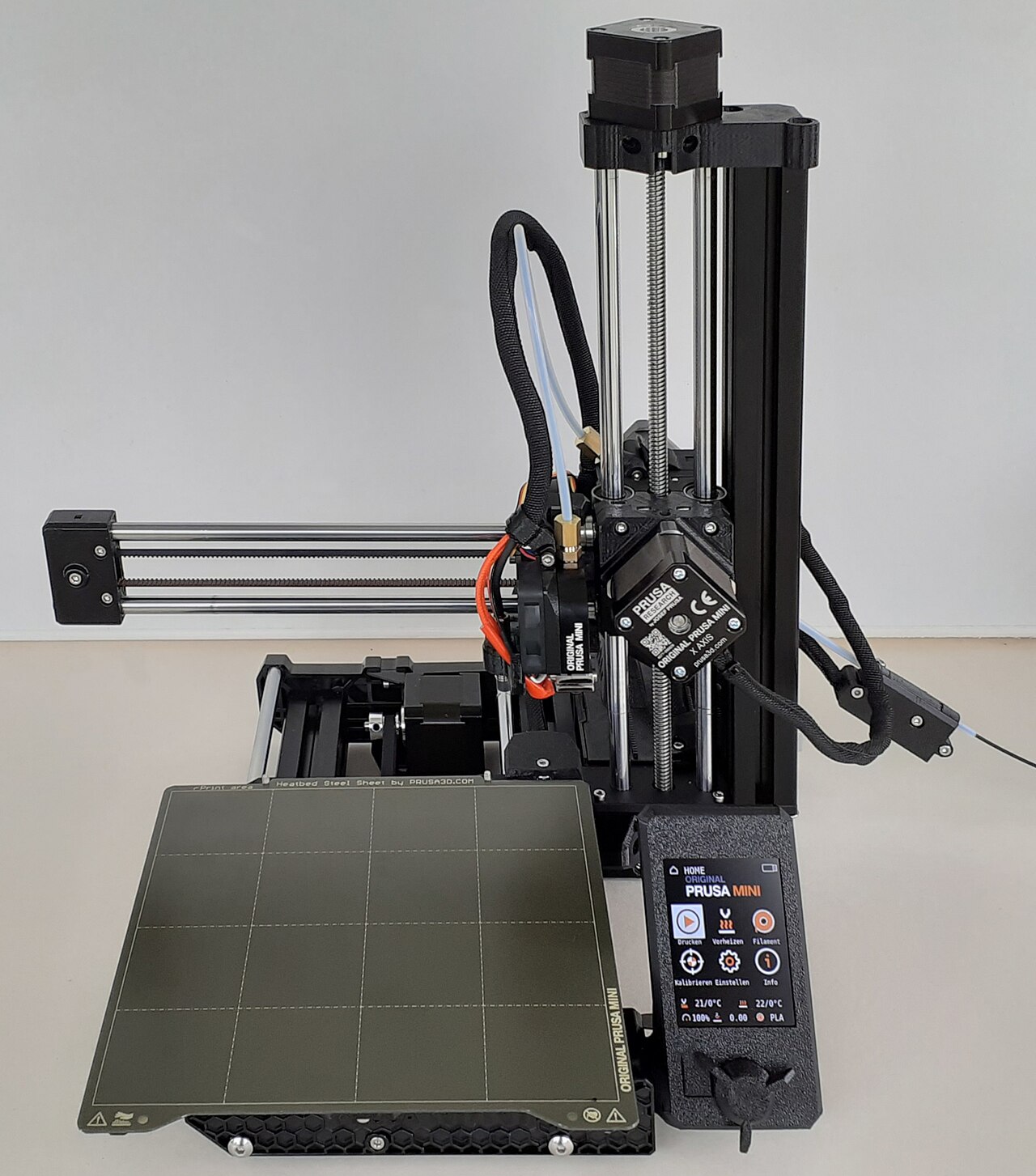
FDM (Fused Deposition Modelling) 3D printing is an additive manufacturing process that builds parts layer by layer from a molten thermoplastic filament.
Price on request
Sla 3d Printing
SLA / Resin 3D Printing Service
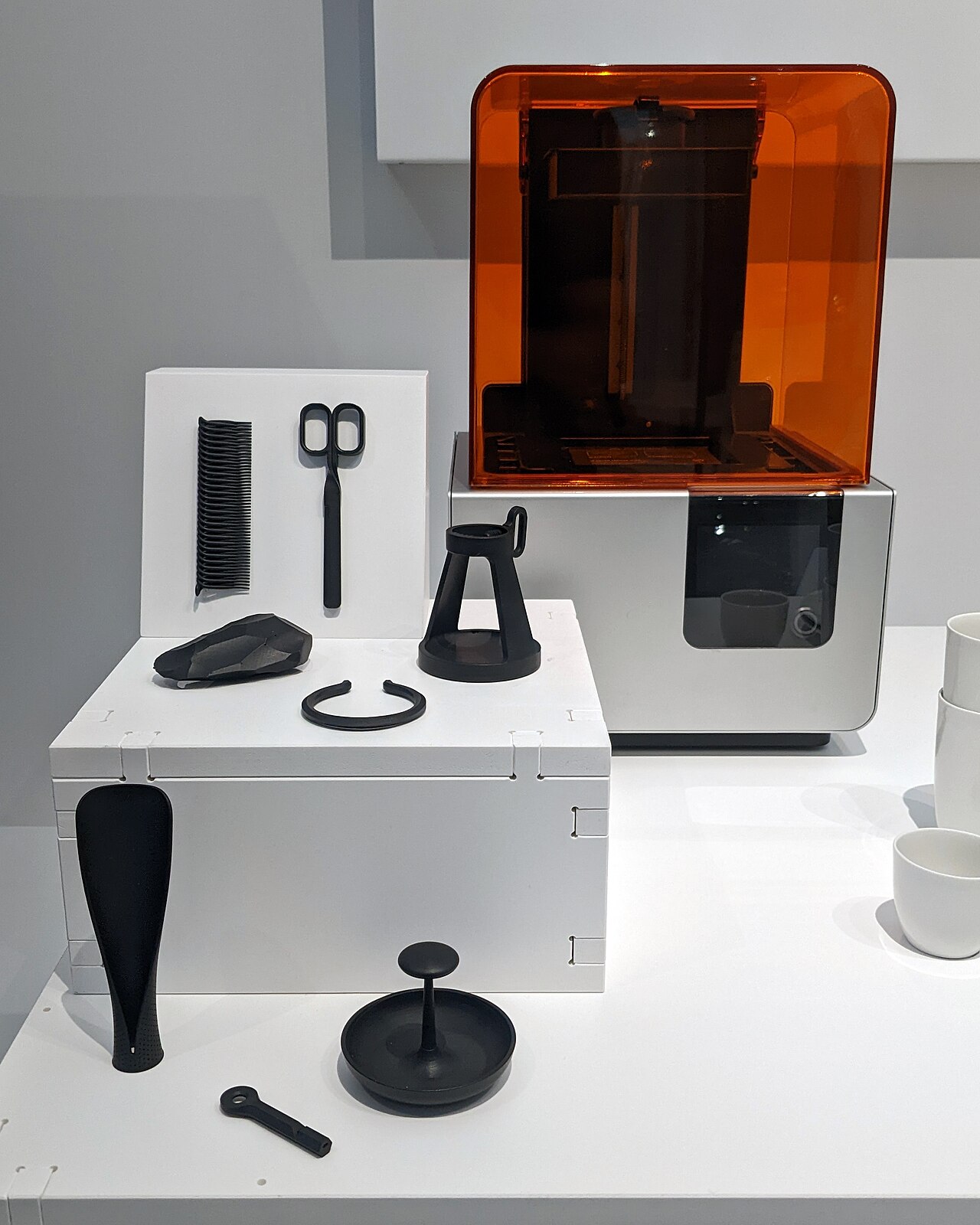
SLA (Stereolithography), also called resin 3D printing, is a photopolymerisation process that builds parts by curing liquid photopolymer resin with a UV light source, layer by layer.
Price on request
Mjf 3d Printing
MJF 3D Printing Service
MJF (Multi Jet Fusion) is a powder-bed fusion process developed by HP that, like SLS, builds nylon parts layer by layer, but instead of a laser it uses inkjet arrays to deposit a fusing agent onto the powder bed and then passes an infrared energy source over it to fuse those areas.
Price on request
Metal 3d Printing
Metal (DMLS/SLM) 3D Printing Service
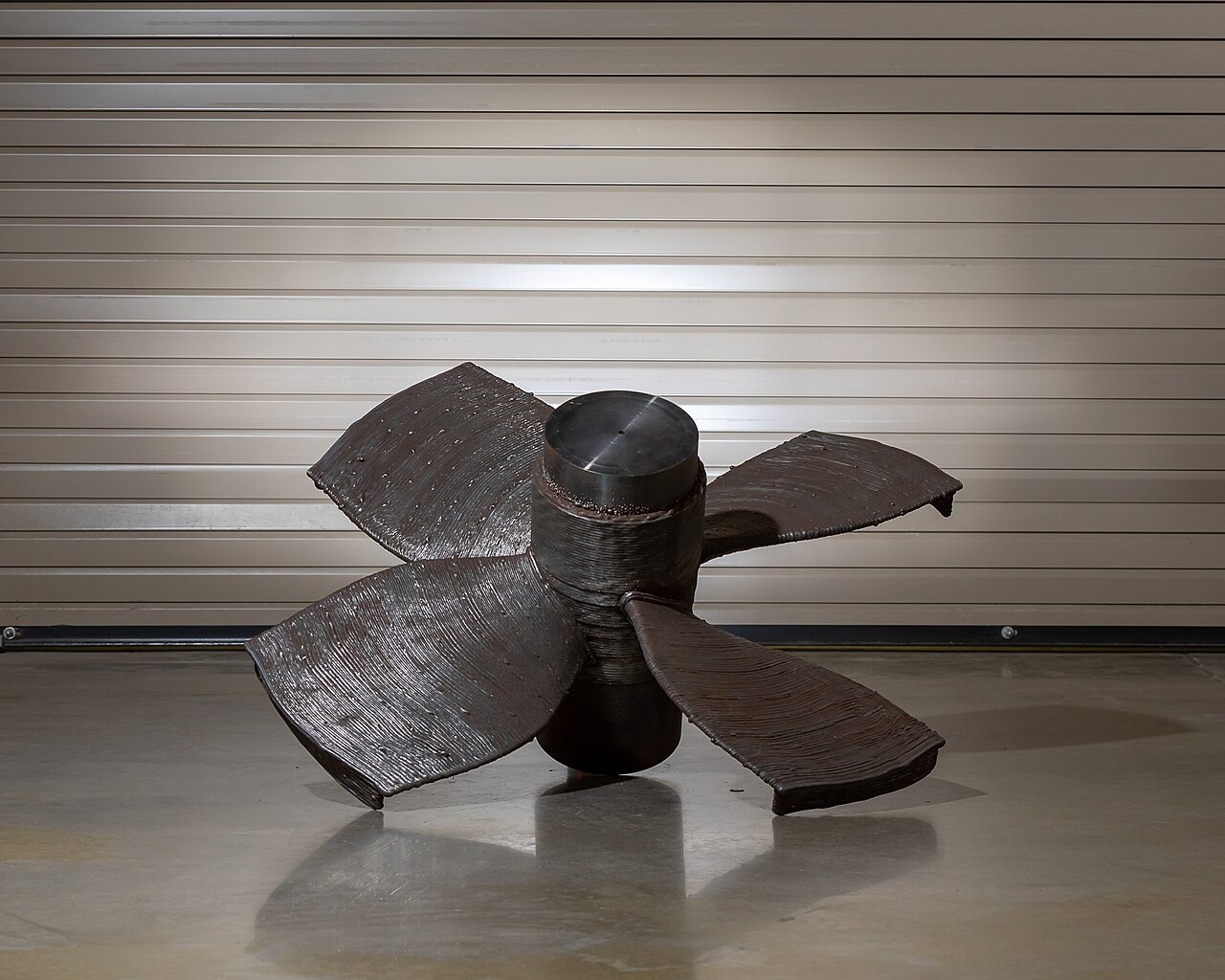
Metal 3D printing by DMLS (Direct Metal Laser Sintering) or SLM (Selective Laser Melting), which are essentially the same powder-bed fusion process, builds fully dense metal parts by using a high-power laser to melt fine metal powder layer by layer.
Price on request