Injection-mould-like surface finish and detail without hard tooling costs
Quote
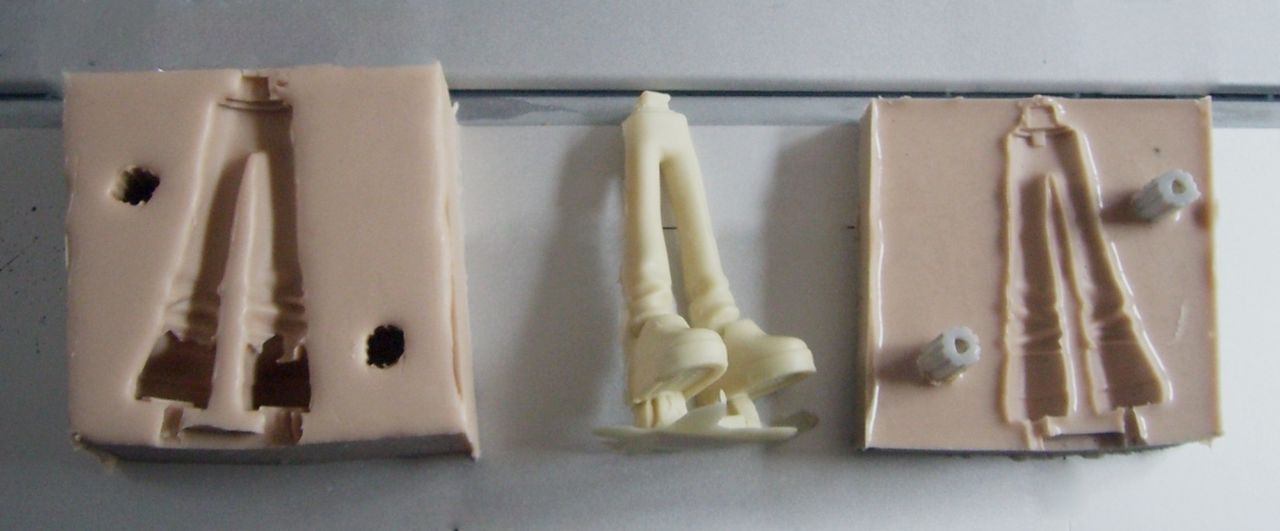
Vacuum Casting
Vacuum Casting Service
Vacuum casting, also called urethane or silicone-mould casting, is a low-volume manufacturing process that reproduces high-quality plastic parts from a two-part silicone mould under vacuum.
Price on request
SKU: BOTBIT-MFG-08 · Best for: Appearance and looks-like/works-like prototypes
Overview
About Vacuum Casting Service.
Vacuum casting, also called urethane or silicone-mould casting, is a low-volume manufacturing process that reproduces high-quality plastic parts from a two-part silicone mould under vacuum. It starts with a master pattern, usually made by SLA/SLS 3D printing or CNC machining, around which liquid silicone is cast and then cured to form a flexible mould. Polyurethane resin is mixed, degassed and poured into the mould inside a vacuum chamber, which pulls the resin into every detail while removing air, producing parts with excellent surface finish, crisp detail and properties that closely mimic injection-moulded plastics.
BotBit's vacuum casting service in India bridges the gap between prototyping and full production, and is typically economical for short runs of roughly tens of parts per mould, since each silicone mould has a limited life before detail degrades. A wide range of polyurethane resins can mimic ABS, PP, rubber and other plastics, in various hardnesses, colours and transparencies, with options for overmoulding and inserts. Because the master pattern's finish carries directly into the parts, we prepare it carefully, and colour, texture and finish can be tuned to closely resemble the intended production material. The process delivers consistent, injection-mould-like appearance without the cost and lead time of hard tooling.
Vacuum casting suits product developers, startups and manufacturers who need multiple high-quality, looks-like/works-like copies for user testing, appearance models, pilot runs, marketing samples or bridge production before committing to injection-mould tooling. Choose vacuum casting when you need several finished parts with production-like surface quality faster and cheaper than steel tooling. For one-off prototypes, direct 3D printing or CNC is quicker; for large volumes, injection moulding is more economical. Upload your model to request an RFQ quote.
Key features
Why it stands out.
Cost-effective for short runs of multiple identical, high-quality copies
Wide resin choice to mimic ABS, PP, rubber and other plastics
Options for colour, transparency, texture, overmoulding and inserts
Faster and cheaper route to looks-like/works-like parts than steel moulds
Specifications
Selection facts.
| Process | Vacuum (urethane) casting from silicone moulds |
|---|---|
| Master pattern | From SLA/SLS 3D printing or CNC machining |
| Typical materials | Polyurethane resins mimicking ABS, PP, rubber, etc. |
| Strengths | Production-like finish, multiple copies, low tooling cost |
| Mould life | Limited copies per silicone mould before detail degrades |
| Finish options | Colour, transparency, texture, inserts, overmoulding |
| Best for | Short runs, appearance models, pilot and bridge production |
| Lead time | Varies; includes master, mould making and casting |
Applications
Where it is used.
- Appearance and looks-like/works-like prototypes
- Short-run and bridge production before injection moulding
- Marketing, exhibition and user-testing samples
- Enclosures and housings in production-like plastics
- Flexible or rubber-like parts, seals and grips
- Multi-material and overmoulded components
Buying guide
How to choose.
To request a quote, upload your 3D model with the quantity needed, the target plastic to mimic (such as ABS, PP or a rubber-like material), and any colour, transparency, texture or hardness requirements. Because vacuum casting starts from a master pattern whose finish carries into every part, tell us which surfaces are cosmetic and whether you need inserts or overmoulding. Share reference samples or Pantone colours where appearance is critical.
Plan around mould life and quantity. Each silicone mould produces a limited number of parts before detail softens, so for larger runs we may make multiple moulds, and for very high volumes injection moulding becomes more economical. The process is best when you need several production-like copies, typically in the tens per mould, faster and cheaper than cutting steel tooling. Let us know your total quantity so we can plan tooling and cost efficiently.
Vacuum casting is the right choice when you need multiple high-quality copies with injection-mould-like finish for appearance models, user testing, pilot runs or bridge production. For a single quick prototype, direct 3D printing or CNC machining is faster; for large-scale production, injection moulding is cheaper per part. Send your files and requirements for an RFQ quote covering the master pattern, mould making, resin and lead time.
FAQ
Common questions.
What is vacuum casting and how does it work?
Vacuum casting reproduces parts from a silicone mould made around a master pattern. Polyurethane resin is degassed and poured into the mould under vacuum, which draws resin into every detail while removing air, giving parts with excellent finish and injection-mould-like properties. It is ideal for producing several high-quality copies without the cost of hard tooling.
How many parts can one mould produce?
Each silicone mould yields a limited number of parts, typically in the tens, before fine detail and surface quality begin to degrade. For larger quantities we can make additional moulds from the master. Tell us your total quantity and we will plan the number of moulds, or advise if injection moulding would be more economical for your volume.
What materials can vacuum-cast parts imitate?
A wide range of polyurethane resins can mimic common plastics such as ABS and PP, as well as rubber-like and flexible materials, in various hardnesses, colours and transparencies. We select a resin to match the look and feel of your intended production material. Tell us the target plastic and properties and we will recommend a suitable casting resin.
Do I need to supply a master pattern?
Not necessarily. We can produce the master pattern for you by SLA/SLS 3D printing or CNC machining from your CAD, then build the silicone mould around it. If you already have a suitable, well-finished master, we can mould from that. Because the master's finish carries into every cast part, we prepare it carefully for the best surface quality.
Can parts be coloured, clear or textured?
Yes. Vacuum casting supports a wide range of colours, including matched shades, as well as transparent and translucent finishes, and textured or painted surfaces. Inserts and overmoulding are also possible. Tell us the colours, transparency, texture and any inserts you need, and share references or samples where appearance is critical, so we can match them closely.
When is vacuum casting better than 3D printing or injection moulding?
Vacuum casting suits several production-like copies with fine finish, faster and cheaper than steel tooling. For a single quick prototype, 3D printing or CNC is faster; for large volumes, injection moulding is cheaper per part. It fills the gap between prototyping and mass production. Share your quantity and finish needs and we will advise the best route.
More in Advanced Manufacturing
Related hardware.
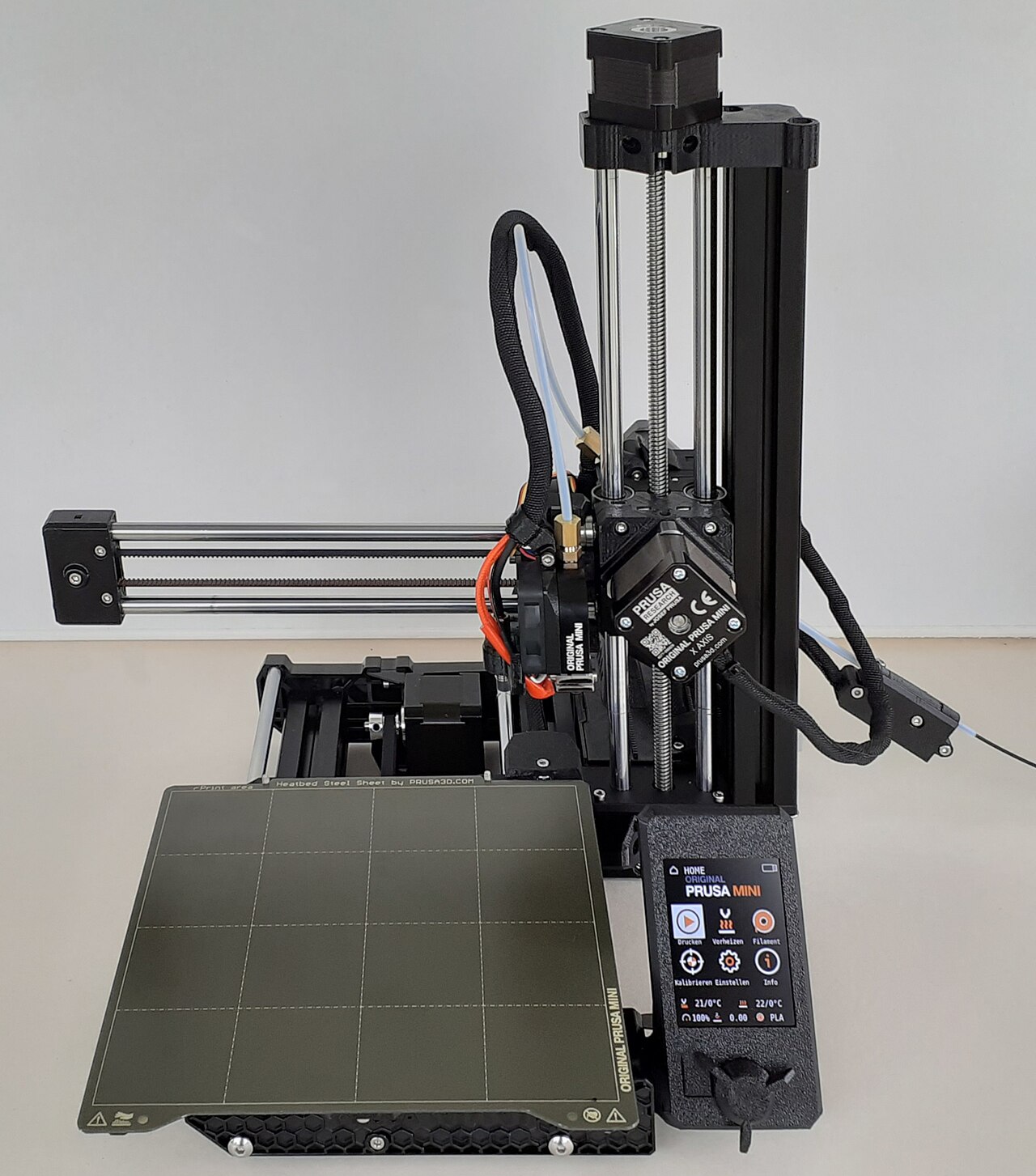
Fdm 3d Printing
FDM 3D Printing Service
FDM (Fused Deposition Modelling) 3D printing is an additive manufacturing process that builds parts layer by layer from a molten thermoplastic filament.
Price on request
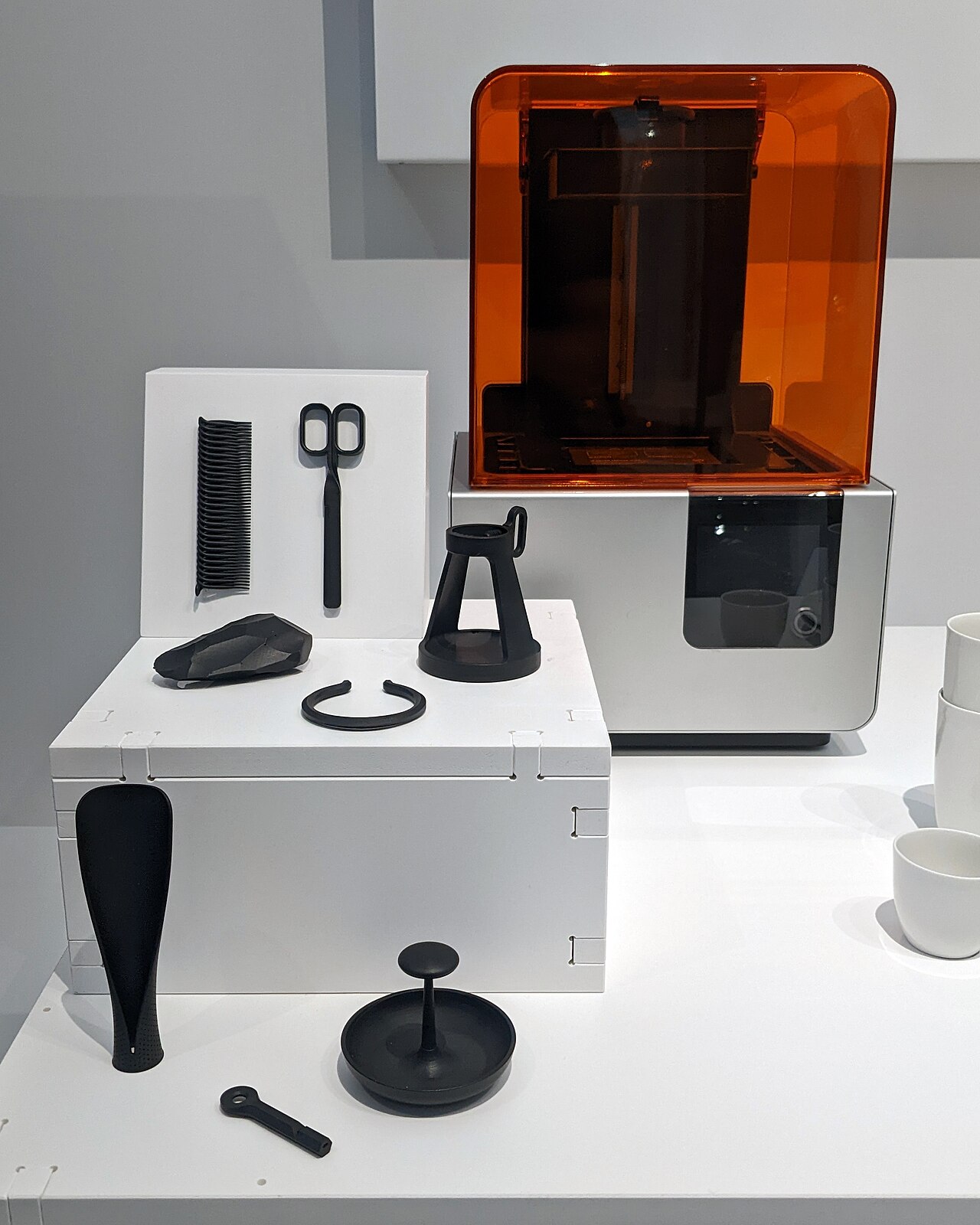
Sla 3d Printing
SLA / Resin 3D Printing Service
SLA (Stereolithography), also called resin 3D printing, is a photopolymerisation process that builds parts by curing liquid photopolymer resin with a UV light source, layer by layer.
Price on request
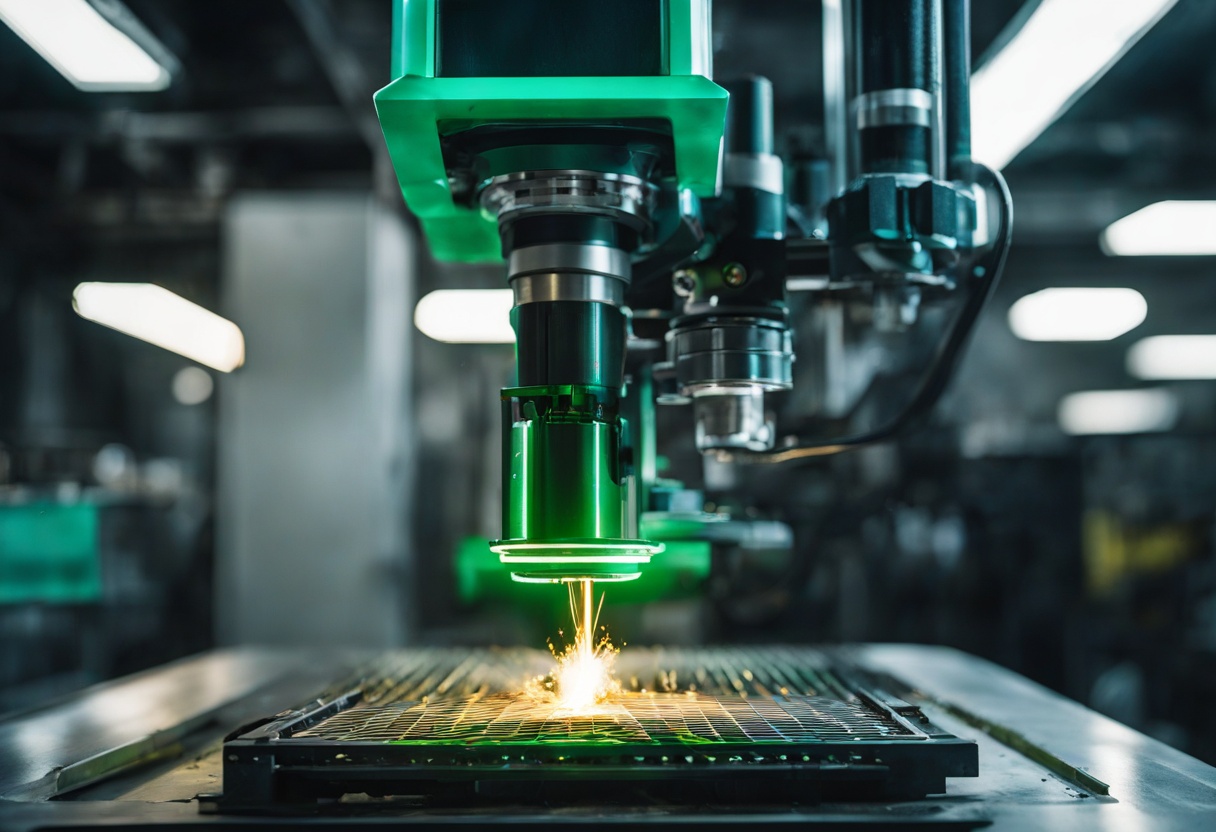
Sls 3d Printing
SLS 3D Printing Service
SLS (Selective Laser Sintering) is a powder-bed fusion process that builds parts by using a laser to selectively sinter fine polymer powder, layer by layer, inside a heated build chamber.
Price on request
Mjf 3d Printing
MJF 3D Printing Service
MJF (Multi Jet Fusion) is a powder-bed fusion process developed by HP that, like SLS, builds nylon parts layer by layer, but instead of a laser it uses inkjet arrays to deposit a fusing agent onto the powder bed and then passes an infrared energy source over it to fuse those areas.
Price on request