Fast, accurate cutting of flat parts and intricate 2D profiles from your vector file
Quote
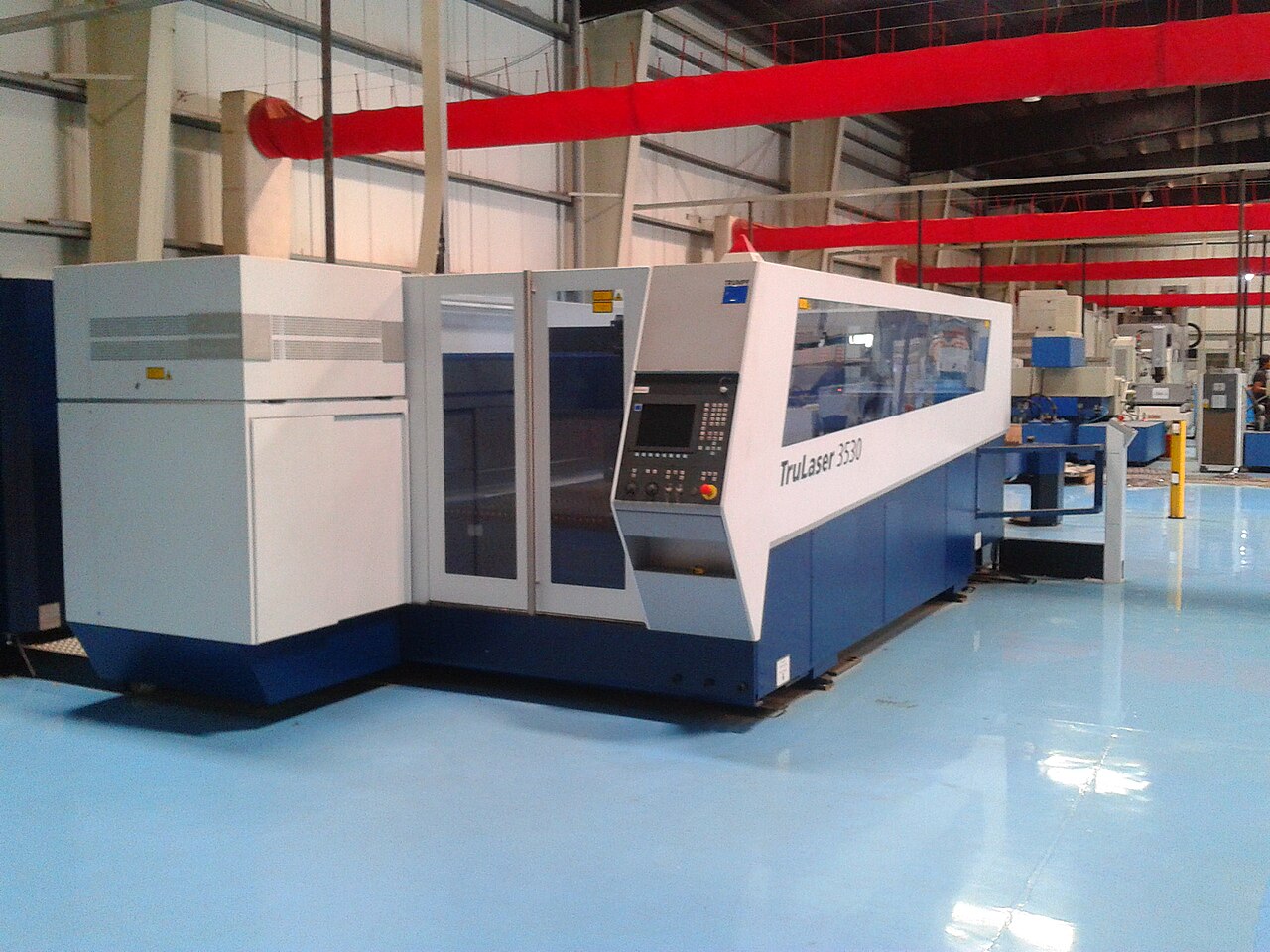
Laser Cutting
Laser Cutting Service
Laser cutting is a thermal cutting process that uses a focused, high-intensity laser beam to melt, burn or vaporise material along a computer-controlled path, producing clean, precise cuts and engravings from flat sheet stock.
Price on request
SKU: BOTBIT-MFG-07 · Best for: Sheet-metal brackets, panels and enclosure parts
Overview
About Laser Cutting Service.
Laser cutting is a thermal cutting process that uses a focused, high-intensity laser beam to melt, burn or vaporise material along a computer-controlled path, producing clean, precise cuts and engravings from flat sheet stock. Fibre lasers efficiently cut reflective metals such as steel, stainless steel and aluminium, while CO2 lasers are well suited to non-metals like acrylic, wood, MDF and many plastics. An assist gas blows molten material clear of the cut, and because the beam is very narrow, laser cutting achieves fine detail, tight internal features and smooth edges directly from your DXF or vector file with no tooling.
BotBit's laser cutting service in India cuts a range of sheet materials to your 2D profiles, including mild steel, stainless steel, aluminium, acrylic, wood and selected plastics, subject to material and thickness. The narrow kerf, the small width of material the beam removes, shifts with laser type, focus, assist gas and material thickness, so we account for it to keep cut parts on-dimension. Design considerations include keeping minimum feature widths and spacing sensible relative to sheet thickness, allowing for a slight edge taper on thicker stock, and planning small radii at internal corners. Cut edges can be deburred or finished as required.
Laser cutting suits engineers, fabricators, product teams and signage or enclosure makers who need fast, accurate flat parts, brackets, panels, gaskets, gussets or decorative and branding pieces. It is ideal for prototypes and production runs alike, and pairs naturally with bending and welding for sheet-metal assemblies. For 3D shapes, thick sections or full solid parts, CNC machining is the better route, and for very fine polymer detail, 3D printing may suit. Upload your DXF or vector file to request an instant or RFQ quote.
Key features
Why it stands out.
Cuts metals and non-metals: steel, stainless, aluminium, acrylic, wood and plastics
Narrow kerf enables fine detail, tight features and smooth, clean edges
No tooling required, so profiles and revisions are cheap to change
Scales easily from one-off prototypes to production sheet-metal runs
Specifications
Selection facts.
| Process | Laser cutting (fibre for metals, CO2 for non-metals) |
|---|---|
| Typical materials | Mild steel, stainless, aluminium, acrylic, wood, plastics |
| Strengths | Fine detail, clean edges, fast, tooling-free flat parts |
| Kerf | Narrow; varies with laser, focus, gas and thickness |
| Edge quality | Smooth; slight taper on thicker stock, deburr on request |
| Design notes | Feature width/spacing relative to thickness; corner radii |
| Best for | Flat parts, panels, brackets, gaskets, signage, sheet metal |
| Lead time | Varies by material, thickness, detail and quantity |
Applications
Where it is used.
- Sheet-metal brackets, panels and enclosure parts
- Gaskets, shims and flat gasket-material parts
- Signage, logos and decorative or branding pieces
- Flat prototypes and 2D profile components
- Gussets and parts for bend-and-weld assemblies
- Drone, UAV and UGV chassis plates and mounting brackets
Buying guide
How to choose.
To request a quote, upload your 2D cut profiles as a DXF or clean vector file, along with the material, sheet thickness and quantity. Make sure cut lines are closed vector paths, and mark any engraving separately from cut-through lines. Tell us if edges must be deburred, if a protective film should stay on cosmetic acrylic or metal, and whether the parts will be bent or welded afterwards, so we can plan accordingly.
Choose the material and thickness for the job, then keep the design laser-friendly. As a rule of thumb, avoid features and gaps that are much smaller than the sheet thickness, since very fine detail can burn away or lose strength, and allow small radii at internal corners rather than perfectly sharp ones. Thicker stock shows a slight edge taper and wider kerf, which we compensate for so parts land on dimension.
Laser cutting is the right choice for flat parts, panels, brackets, gaskets and decorative pieces where speed, fine detail and clean edges matter, in both prototype and production quantities. For 3D shapes, thick solid parts or complex machined features, choose CNC machining; for very fine polymer detail, consider 3D printing. If you need bending or welding too, mention it and we can quote the full sheet-metal workflow. Send your files for an instant or RFQ quote.
FAQ
Common questions.
What file format do you need for laser cutting?
A DXF or clean vector file of your 2D cut profiles is ideal, with all cut lines as closed vector paths. Keep engraving or etching lines on a separate layer from cut-through lines so we can distinguish them. Tell us the material, thickness and quantity, and we will confirm feasibility and flag any features that may be too fine to cut reliably.
Which materials can you laser cut?
Fibre lasers cut metals such as mild steel, stainless steel and aluminium, while CO2 lasers cut non-metals like acrylic, wood, MDF and many plastics, subject to material and thickness. Some materials are unsuitable for laser cutting for safety or quality reasons. Tell us your material and thickness and we will confirm whether laser cutting is the right fit.
What is kerf and does it affect my part?
Kerf is the narrow width of material the laser beam removes as it cuts. It varies with laser type, focus, assist gas and material thickness, and can slightly change the size of very fine features and slots. We account for kerf so that finished parts land on the intended dimensions, and we can advise on tight features where kerf matters most.
How fine can the detail be?
Detail depends on material and thickness. As a guide, avoid features and gaps much narrower than the sheet thickness, since very fine areas can burn away or become fragile, and allow small internal corner radii instead of perfectly sharp corners. Send your design and we will review the fine features and suggest adjustments where needed for reliable cutting.
Can laser-cut parts be bent or welded?
Yes. Laser-cut flat parts are commonly bent, formed and welded into sheet-metal assemblies, and we can quote those additional steps. If you plan to bend a part, allow for bend reliefs and appropriate flat patterns. Tell us the finished 3D shape or share a folded model, and we will plan the flat profile and downstream forming accordingly.
When should I choose CNC instead of laser cutting?
Laser cutting is for flat parts and 2D profiles from sheet stock. Choose CNC machining when you need 3D shapes, thick solid parts, pockets, threads or precise machined features that a flat cut cannot produce. Share your part and we will advise whether laser cutting, CNC or a combination of the two is the most suitable and economical route.
More in Advanced Manufacturing
Related hardware.
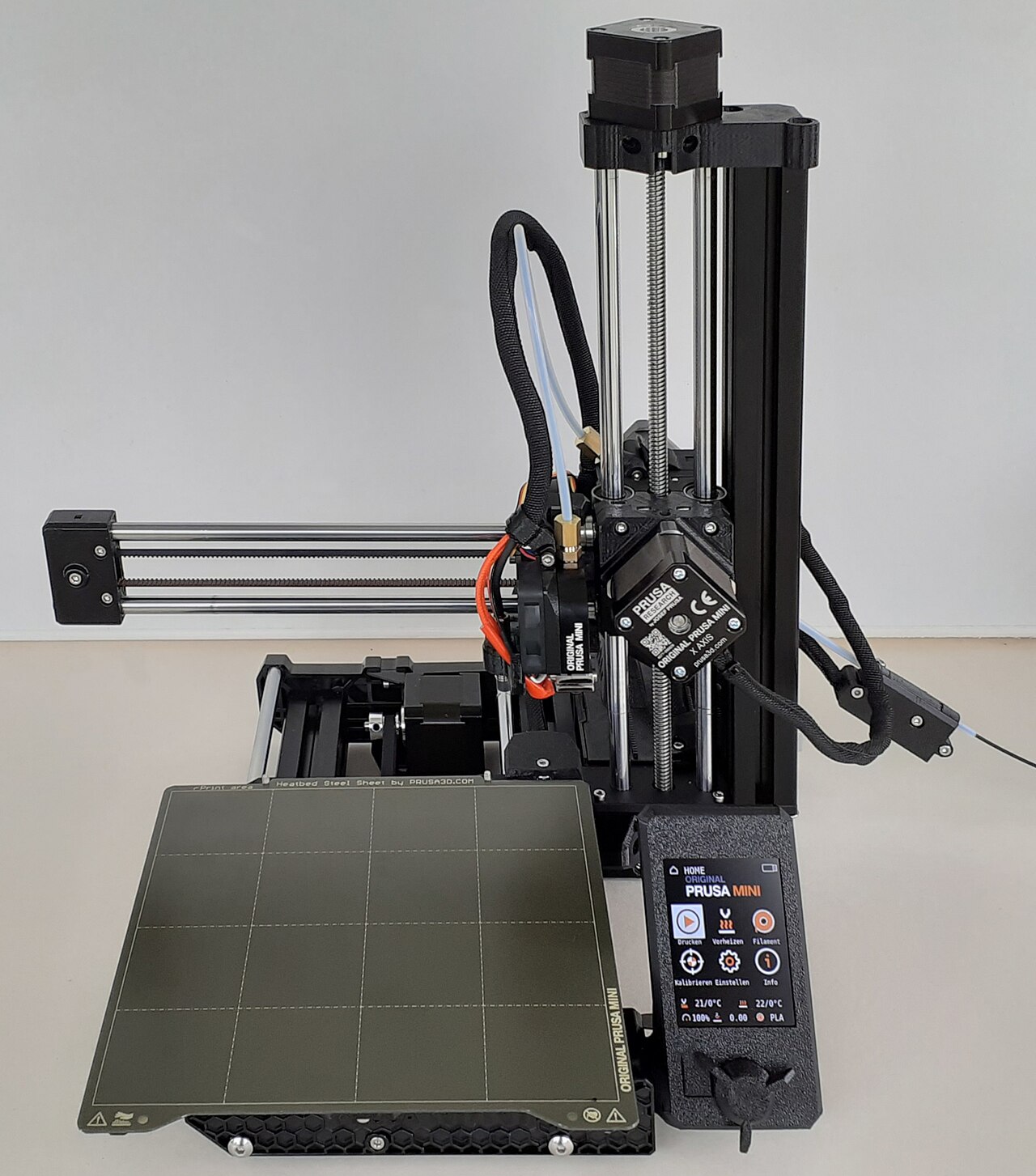
Fdm 3d Printing
FDM 3D Printing Service
FDM (Fused Deposition Modelling) 3D printing is an additive manufacturing process that builds parts layer by layer from a molten thermoplastic filament.
Price on request
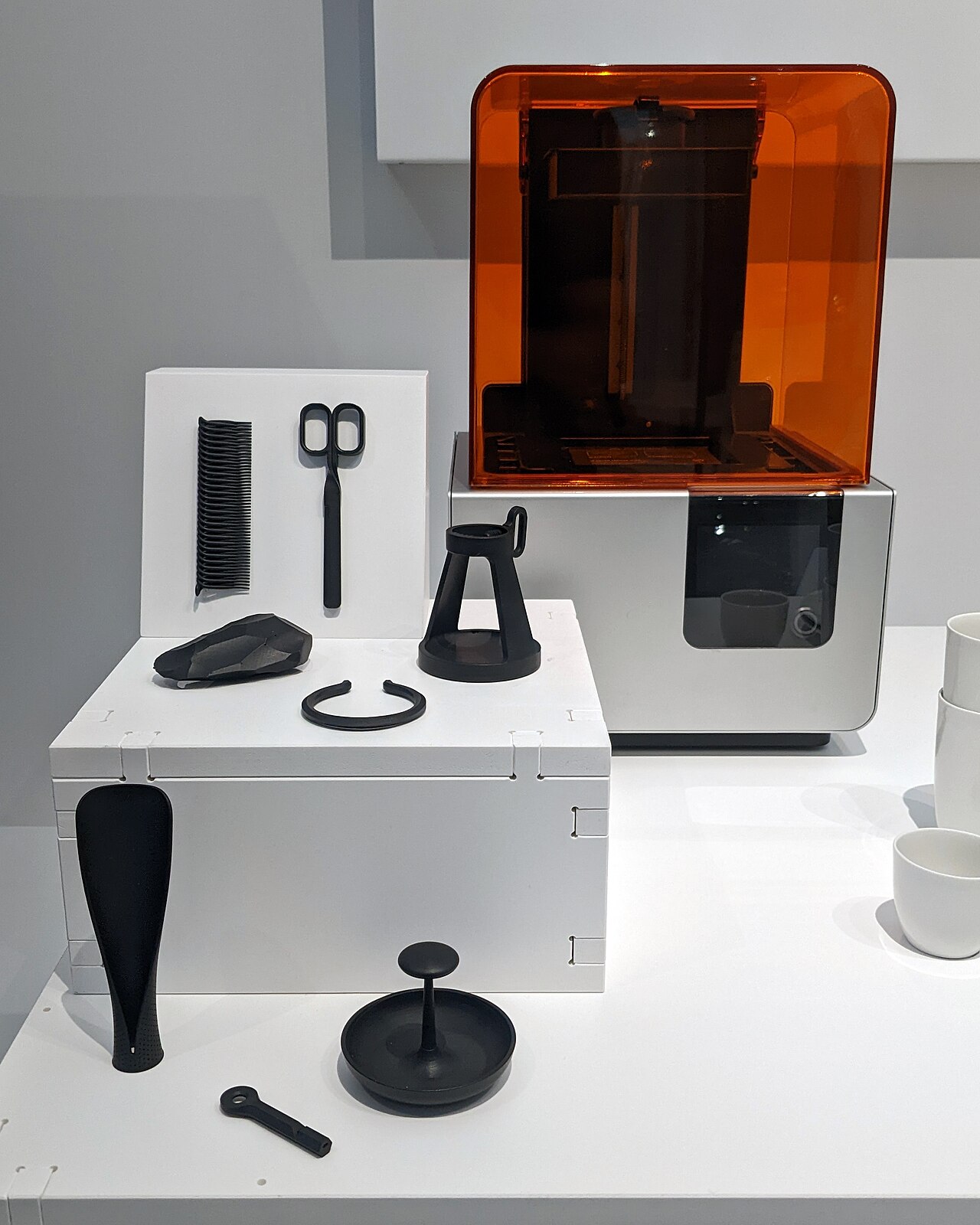
Sla 3d Printing
SLA / Resin 3D Printing Service
SLA (Stereolithography), also called resin 3D printing, is a photopolymerisation process that builds parts by curing liquid photopolymer resin with a UV light source, layer by layer.
Price on request
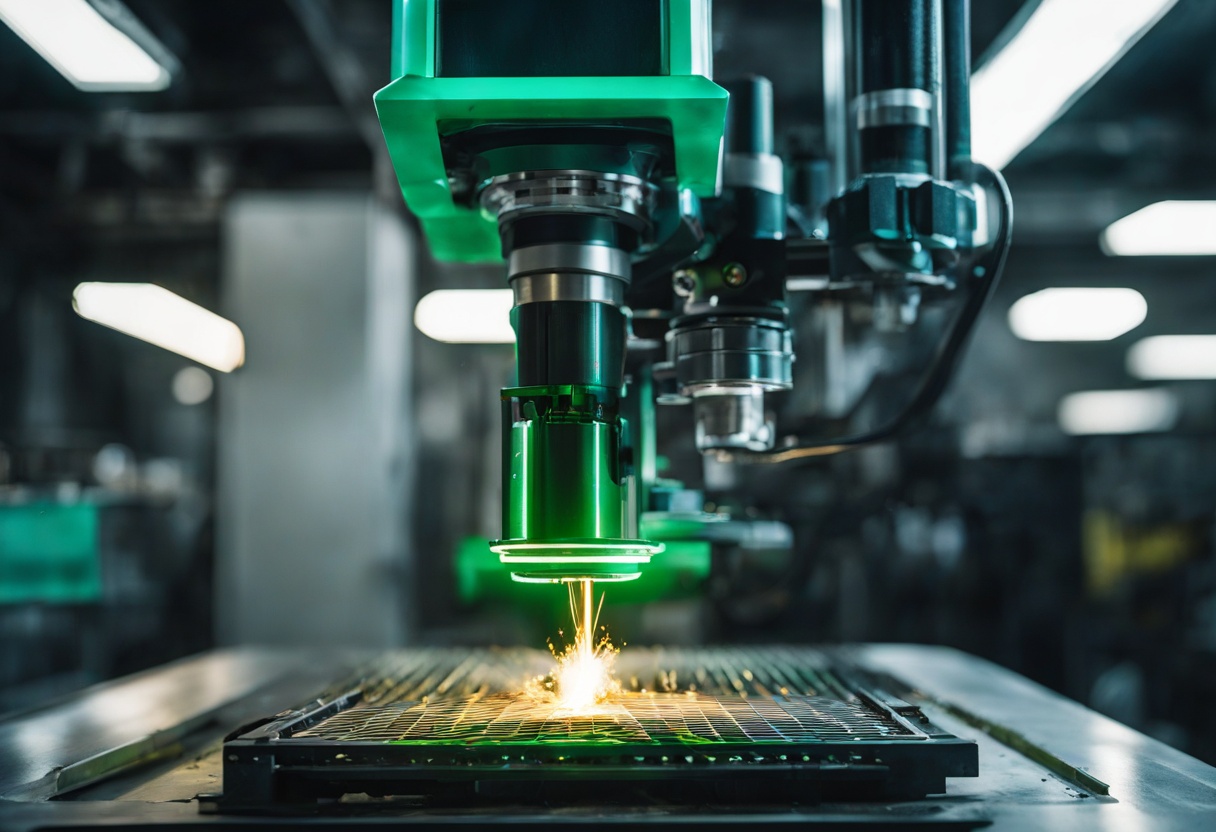
Sls 3d Printing
SLS 3D Printing Service
SLS (Selective Laser Sintering) is a powder-bed fusion process that builds parts by using a laser to selectively sinter fine polymer powder, layer by layer, inside a heated build chamber.
Price on request
Mjf 3d Printing
MJF 3D Printing Service
MJF (Multi Jet Fusion) is a powder-bed fusion process developed by HP that, like SLS, builds nylon parts layer by layer, but instead of a laser it uses inkjet arrays to deposit a fusing agent onto the powder bed and then passes an infrared energy source over it to fuse those areas.
Price on request