Excellent accuracy and tight, controllable tolerances on critical features
Quote
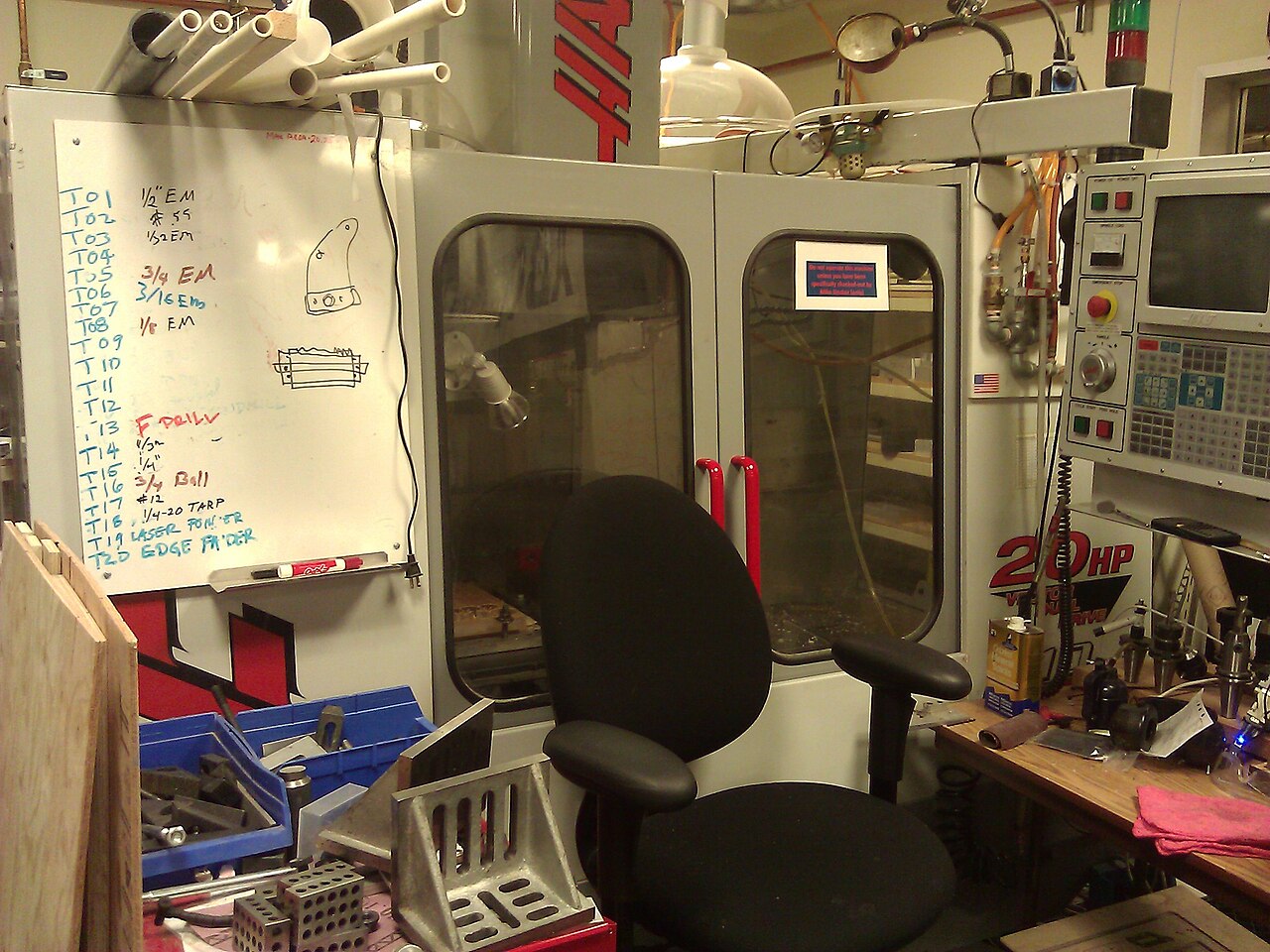
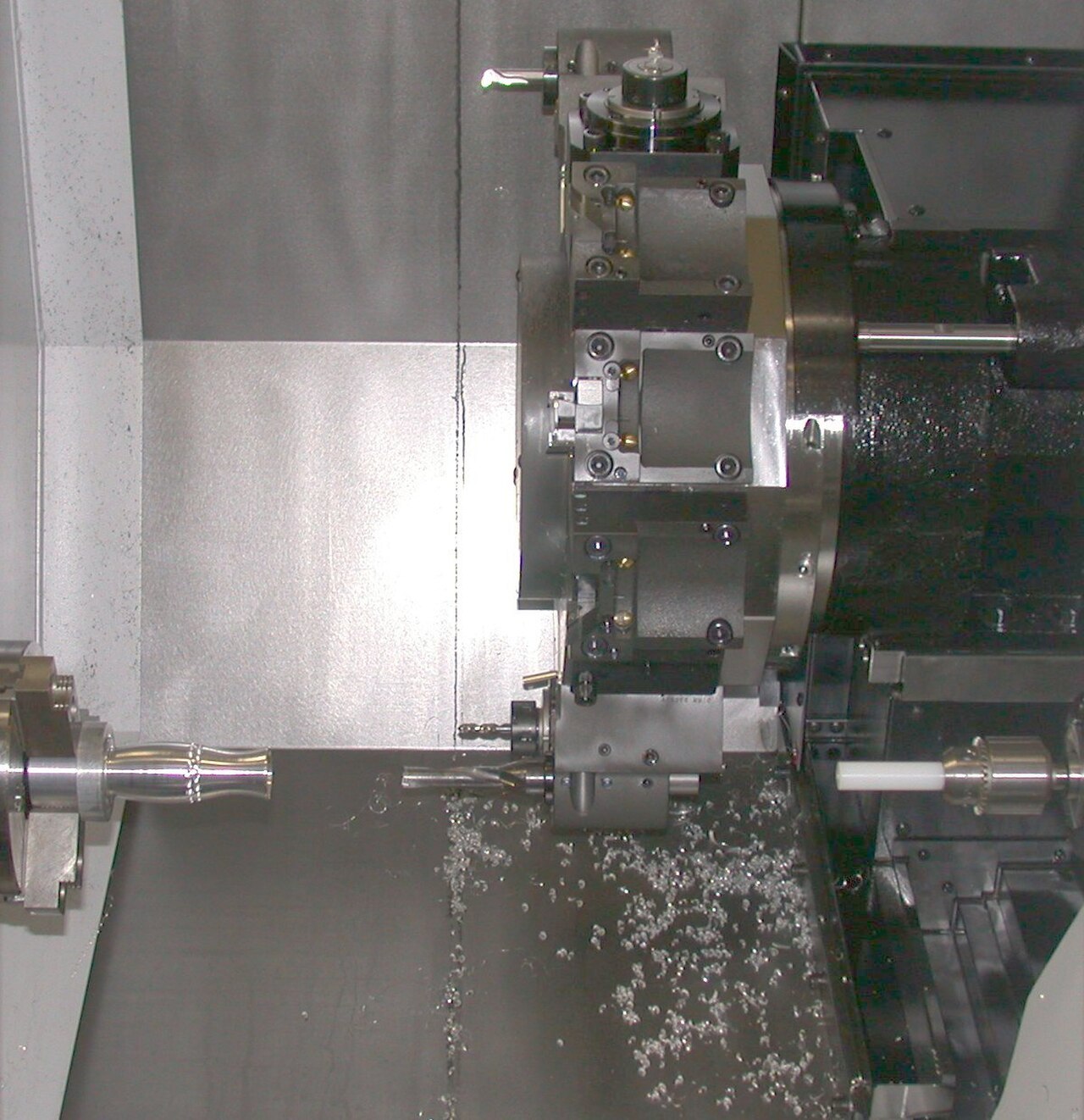
Cnc Machining
CNC Machining Service
CNC machining is a subtractive manufacturing process in which computer-controlled cutting tools remove material from a solid block, bar or plate to produce a finished part.
Price on request
SKU: BOTBIT-MFG-06 · Best for: Precision functional prototypes and test parts
Overview
About CNC Machining Service.
CNC machining is a subtractive manufacturing process in which computer-controlled cutting tools remove material from a solid block, bar or plate to produce a finished part. CNC milling uses rotating tools on 3-axis or multi-axis (including 5-axis) machines to cut prismatic and complex shapes, while CNC turning spins the workpiece on a lathe to machine cylindrical features, often with live tooling for combined mill-turn work. Driven directly by your CAD and drawing data, CNC delivers excellent dimensional accuracy, tight tolerances and smooth surface finishes across a very wide range of metals and engineering plastics.
BotBit's CNC machining service in India works with materials such as aluminium, brass, mild and stainless steel, titanium and copper, alongside engineering plastics like ABS, nylon, polycarbonate, POM and PEEK. A broad choice of finishes is available, from as-machined and bead-blasted to anodising, black oxide, powder coating and polishing, applied per your requirements. Because tolerances are tightly controllable, general features can follow standard ISO tolerance defaults while critical fits, bores and threads are held closer where function demands. Design-for-manufacturing factors such as tool access, internal corner radii, deep pockets and thin walls influence cost and feasibility, and our team can flag these before machining.
CNC machining is ideal for engineers and manufacturers needing strong, accurate, high-quality metal or plastic parts, whether one-off prototypes, functional test parts or low-to-mid volume production. Choose CNC when you need real engineering materials, tight tolerances, fine surface finishes or full material properties that additive processes cannot match. For highly complex internal geometries or lattices, metal 3D printing may suit better; for very high volumes, moulding or casting may be cheaper. Upload your model and drawing to request an instant or RFQ quote.
Key features
Why it stands out.
Very wide material range across metals and engineering plastics
Full bulk material properties and smooth, high-quality surface finishes
Extensive finishing options: anodising, bead-blast, black oxide, powder coat, polish
Suited to prototypes and low-to-mid volume functional and production parts
Specifications
Selection facts.
| Process | CNC milling and turning (subtractive, 3-axis to 5-axis) |
|---|---|
| Typical materials | Aluminium, steel, stainless, titanium, brass, POM, PEEK, nylon |
| Strengths | Tight tolerances, full material properties, fine finish |
| Tolerances | General ISO defaults; tighter on critical features on request |
| Surface finish | As-machined to bead-blast, anodise, polish, powder coat |
| Design notes | Tool access, corner radii, deep pockets and thin walls matter |
| Best for | Accurate metal/plastic parts, prototypes to low-mid volume |
| Lead time | Varies by material, complexity, finish and quantity |
Applications
Where it is used.
- Precision functional prototypes and test parts
- Metal and plastic housings, brackets and structural components
- Shafts, bushings and cylindrical turned parts
- Jigs, fixtures and tooling
- Drone, UAV and UGV structural and mounting hardware
- Low-to-mid volume production of engineering-grade parts
Buying guide
How to choose.
To request a quote, upload your 3D model together with a 2D drawing that shows critical dimensions, tolerances, datums, threads and surface-finish callouts. General features can follow standard ISO tolerance defaults, so identify only the features that truly need tighter control, since over-tolerancing raises cost. Tell us the material, quantity and any finishing requirements, and note whether the part is a prototype or a production run.
Choose the material by function and cost. Aluminium is light, easy to machine and widely used; stainless and mild steel add strength and corrosion resistance; titanium offers high strength-to-weight; brass and copper suit electrical and decorative parts; and engineering plastics like POM, nylon and PEEK suit low-friction, lightweight or chemically resistant needs. Design-for-manufacturing details such as internal corner radii, deep narrow pockets, thin walls and tool access affect feasibility and price.
CNC is the right choice when you need accurate parts in real engineering materials with fine finishes and full material properties, from single prototypes to low-to-mid volume production. For very complex internal channels or lattice weight savings, ask about metal 3D printing; for high volumes, moulding or casting may be more economical. Send your files and drawing to receive an instant or RFQ quote with material, finish and lead-time options.
FAQ
Common questions.
What files do you need for a CNC quote?
A 3D model (STEP is ideal) plus a 2D drawing showing critical dimensions, tolerances, datums, threads and surface-finish requirements. The drawing lets us hold the right tolerances only where they matter and quote finishing accurately. Also tell us the material, quantity and whether the part is a prototype or production run for the most accurate quote.
What tolerances can CNC machining hold?
General features typically follow standard ISO tolerance defaults, while critical fits, bores, threads and mating faces can be held tighter where your drawing specifies. Achievable tolerance depends on the feature, material and setup. Because over-tolerancing raises cost, call out only the features that need close control and we will confirm what is feasible for your part.
Which material should I choose?
Choose by function and budget. Aluminium is light and economical, steel and stainless add strength and corrosion resistance, titanium offers high strength-to-weight, and engineering plastics like POM, nylon and PEEK suit low-friction or lightweight parts. Tell us the loads, environment and any weight or conductivity needs and we will recommend a suitable material.
What surface finishes are available?
Options include as-machined, bead-blasted, anodised (for aluminium), black oxide, powder-coated, polished and more, applied to suit appearance, corrosion resistance or wear. Different finishes suit different materials and functions. Tell us the look and performance you need per surface, and we will recommend and quote an appropriate finish for your parts.
When is CNC better than 3D printing?
CNC is better when you need tight tolerances, fine surface finishes and full bulk material properties in real engineering metals or plastics, which additive processes cannot always match. 3D printing wins for very complex internal geometries, lattices or fast, tooling-free prototypes. Share your part and requirements and we will advise the most suitable and economical process.
Can CNC handle both prototypes and production?
Yes. CNC machining suits everything from one-off prototypes to low-to-mid volume production, with consistent accuracy across the batch and no tooling required. For very high volumes, moulding or casting may become more economical. Tell us your target quantity and we will advise whether CNC or another route best fits your timeline and budget.
More in Advanced Manufacturing
Related hardware.
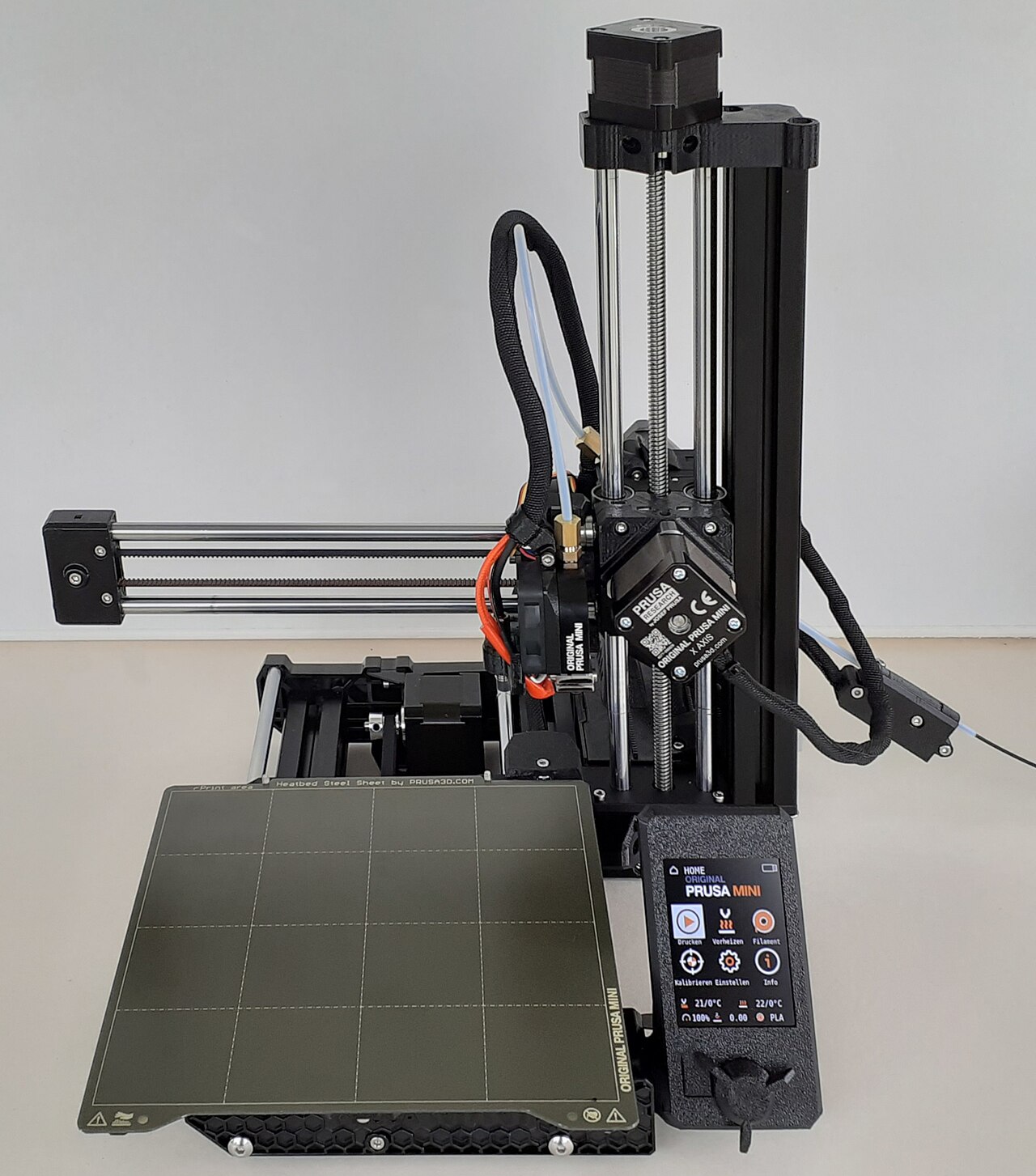
Fdm 3d Printing
FDM 3D Printing Service
FDM (Fused Deposition Modelling) 3D printing is an additive manufacturing process that builds parts layer by layer from a molten thermoplastic filament.
Price on request
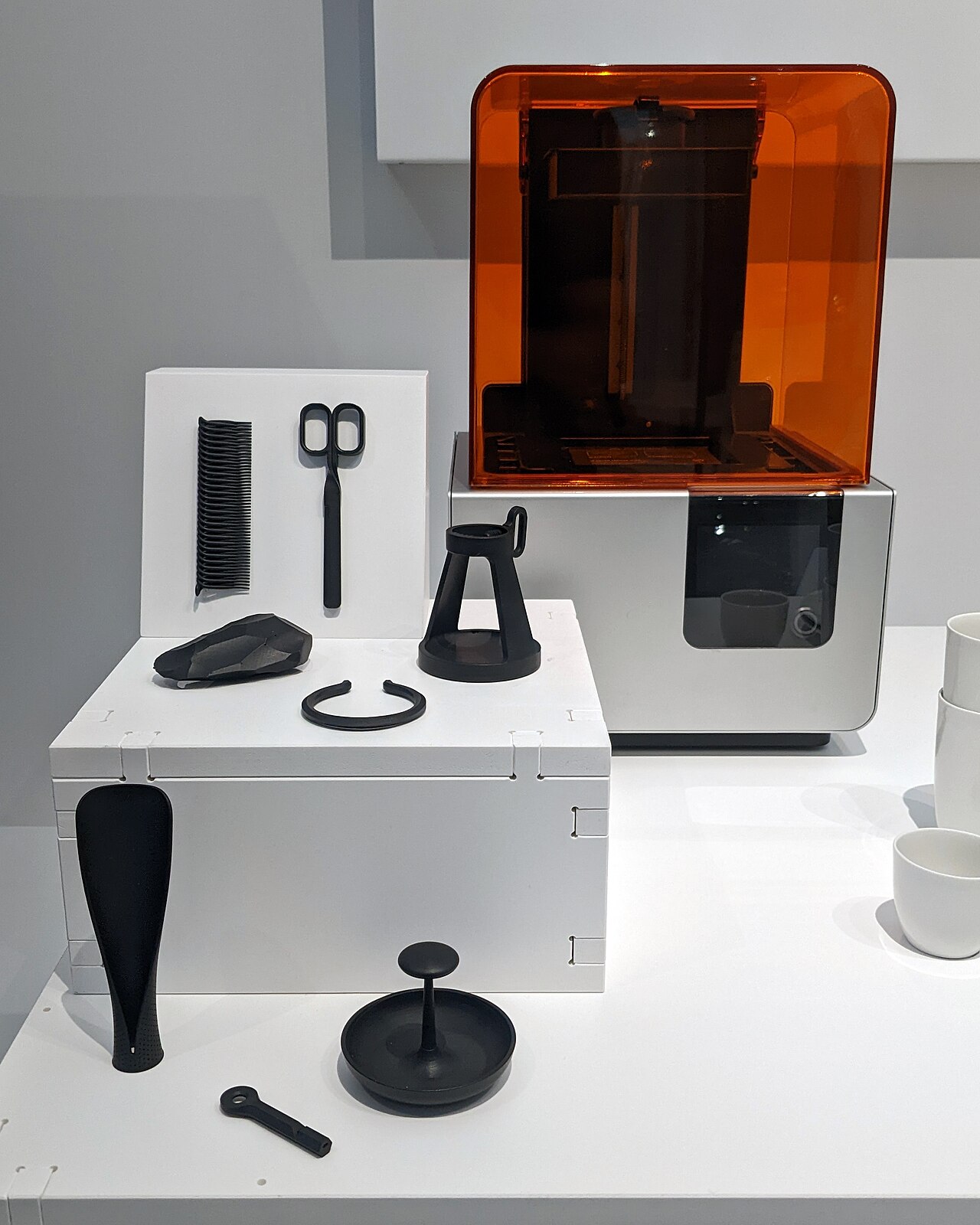
Sla 3d Printing
SLA / Resin 3D Printing Service
SLA (Stereolithography), also called resin 3D printing, is a photopolymerisation process that builds parts by curing liquid photopolymer resin with a UV light source, layer by layer.
Price on request
Sls 3d Printing
SLS 3D Printing Service
SLS (Selective Laser Sintering) is a powder-bed fusion process that builds parts by using a laser to selectively sinter fine polymer powder, layer by layer, inside a heated build chamber.
Price on request
Mjf 3d Printing
MJF 3D Printing Service
MJF (Multi Jet Fusion) is a powder-bed fusion process developed by HP that, like SLS, builds nylon parts layer by layer, but instead of a laser it uses inkjet arrays to deposit a fusing agent onto the powder bed and then passes an infrared energy source over it to fuse those areas.
Price on request