Fully dense metal parts with properties comparable to wrought or cast metal
Quote
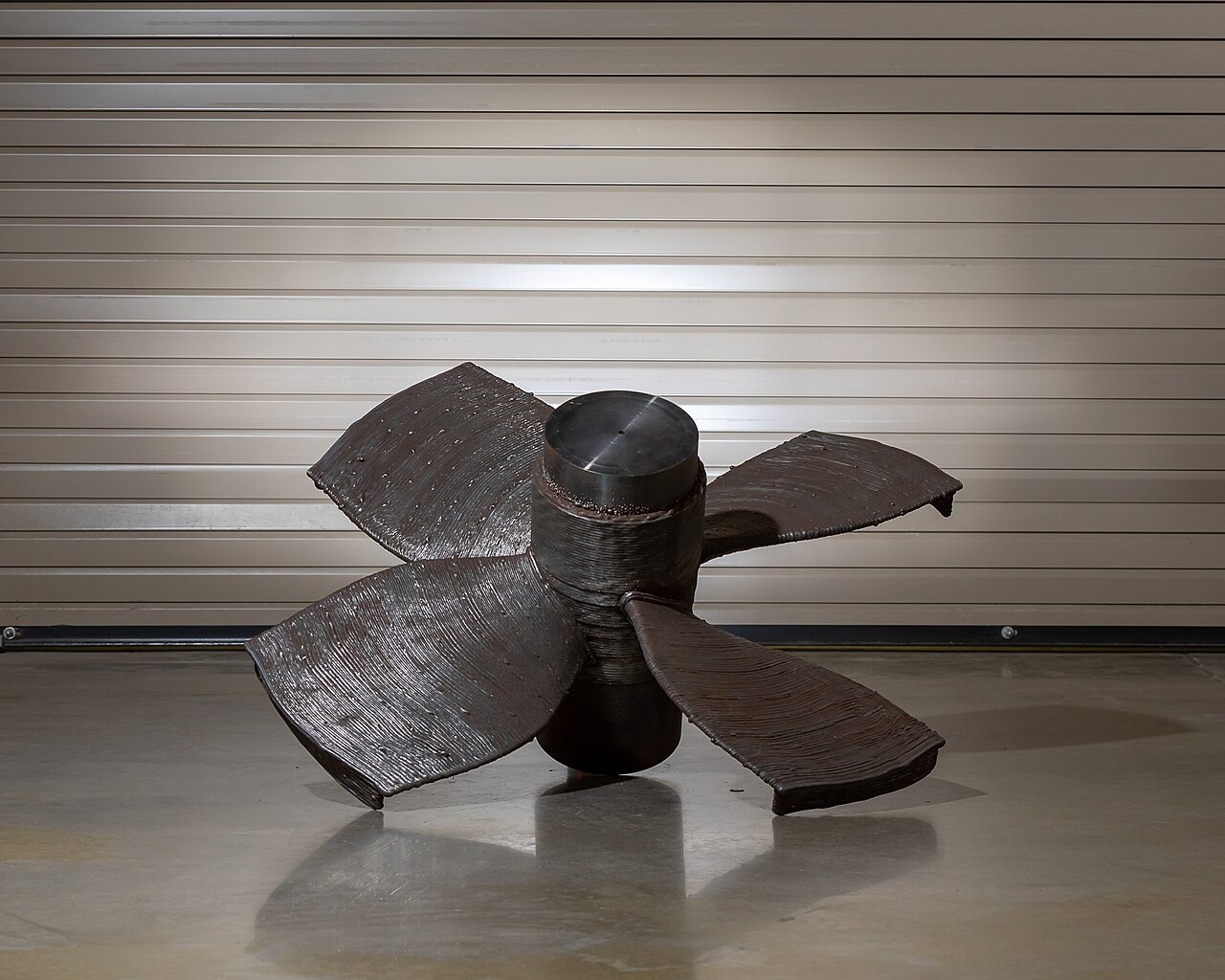
Metal 3d Printing
Metal (DMLS/SLM) 3D Printing Service
Metal 3D printing by DMLS (Direct Metal Laser Sintering) or SLM (Selective Laser Melting), which are essentially the same powder-bed fusion process, builds fully dense metal parts by using a high-power laser to melt fine metal powder layer by layer.
Price on request
SKU: BOTBIT-MFG-05 · Best for: Aerospace and industrial structural and engine components
Overview
About Metal (DMLS/SLM) 3D Printing Service.
Metal 3D printing by DMLS (Direct Metal Laser Sintering) or SLM (Selective Laser Melting), which are essentially the same powder-bed fusion process, builds fully dense metal parts by using a high-power laser to melt fine metal powder layer by layer. A recoater spreads a thin layer of powder, the laser fuses the cross-section of the part to the layer below, the platform lowers, and the cycle repeats, all within an inert argon or nitrogen atmosphere to prevent oxidation of the reactive powders. The result is a solid metal part with mechanical properties comparable to wrought or cast metal, built straight from your CAD file.
BotBit's metal 3D printing service in India works with common additive alloys such as aluminium, stainless steel, titanium, cobalt-chrome and nickel superalloys like Inconel, subject to job requirements. Because parts are grown from powder, DMLS/SLM can create complex internal channels, conformal cooling, lattices and consolidated assemblies that are difficult or impossible to machine or cast. Parts are attached to the build plate by supports, so orientation and support strategy are planned carefully, and finished parts are typically stress-relieved or heat-treated, removed from the plate, and machined or polished on critical surfaces. As-built surfaces are rougher than machined faces and are refined where needed.
Metal additive manufacturing suits engineers in aerospace, automotive, medical, tooling and industrial sectors who need complex, high-performance metal parts, lightweight lattices, or low-volume components without hard tooling. Choose DMLS/SLM when geometry complexity or part consolidation justifies additive; for simpler solid parts or the smoothest surfaces and tightest tolerances, CNC machining is often more economical. Because metal AM involves post-processing and inspection, share your material, tolerance and finish needs. Upload your model to request an RFQ quote.
Key features
Why it stands out.
Complex internal channels, lattices and part consolidation impossible to machine or cast
Wide alloy range including aluminium, stainless, titanium and nickel superalloys
Tooling-free low-volume metal production and lightweight, optimised geometries
Suited to demanding aerospace, industrial, medical and tooling applications
Specifications
Selection facts.
| Process | DMLS / SLM (metal powder-bed fusion, laser melting) |
|---|---|
| Typical materials | Aluminium, stainless steel, titanium, cobalt-chrome, Inconel |
| Strengths | Complex geometry, part consolidation, high-performance alloys |
| Surface finish | Rough as-built; machined/polished on critical faces |
| Post-processing | Stress relief/heat treatment, support removal, machining |
| Design notes | Supports and orientation planned; account for shrinkage/stress |
| Best for | Aerospace, industrial, medical, tooling, low-volume metal parts |
| Lead time | Varies by alloy, size, post-processing and quantity |
Applications
Where it is used.
- Aerospace and industrial structural and engine components
- Lightweight lattice and topology-optimised parts
- Conformal-cooling tooling and mould inserts
- Medical and dental implants and instruments
- Complex manifolds with internal channels
- Low-volume, high-performance metal prototypes and end-use parts
Buying guide
How to choose.
To request a quote, upload your 3D model and specify the target alloy, quantity, critical tolerances and required surface finish. Metal AM is planned around orientation, support strategy and post-processing, so tell us which faces are critical, whether the part will be machined after printing, and any heat-treatment or inspection requirements. Drawings with datums and tolerance callouts help us quote finishing accurately, since as-built surfaces and tolerances differ from machined ones.
Choose the alloy by application. Aluminium suits lightweight parts, stainless steel offers general strength and corrosion resistance, titanium provides high strength-to-weight for aerospace and medical use, cobalt-chrome suits wear and biocompatible parts, and Inconel handles high temperatures. Because metal parts are usually stress-relieved or heat-treated and then machined on critical features, plan for those steps in your timeline and budget.
DMLS/SLM makes most sense when part complexity, internal channels, lattice weight savings or consolidation justify additive manufacturing, or when you need low-volume metal parts without hard tooling. For simpler solid parts, the smoothest surfaces or the tightest tolerances, CNC machining is frequently more economical, and we can advise. Send your files and requirements for an RFQ quote with alloy, finishing and lead-time options.
FAQ
Common questions.
Is DMLS the same as SLM?
In practice, yes. Both are laser powder-bed fusion processes that melt metal powder layer by layer to build fully dense parts, and the terms are often used interchangeably. Any differences are more about machine branding than fundamental process. We will select the appropriate machine and parameters for your chosen alloy and part geometry.
Which metals can you print?
Common additive alloys include aluminium, stainless steel, titanium, cobalt-chrome and nickel superalloys such as Inconel, subject to job requirements. Each suits different needs, from lightweight aluminium to high-temperature Inconel. Tell us the loads, temperature, corrosion and biocompatibility requirements, and we will recommend a suitable alloy for your application.
How strong and dense are metal-printed parts?
DMLS/SLM parts are fully dense with mechanical properties comparable to wrought or cast metal, especially after appropriate stress relief and heat treatment. They are suitable for demanding functional and end-use applications. Share your load, fatigue and inspection requirements so we can plan orientation, heat treatment and any testing needed to meet them.
Do metal-printed parts need machining afterwards?
Often, yes. As-built surfaces are rougher than machined faces, and critical tolerances, threads, sealing faces and bores are usually finished by CNC machining. Parts are also typically stress-relieved or heat-treated and removed from the build plate. Tell us which features are critical and we will quote the required post-processing and finishing steps.
When should I choose metal printing over CNC?
Choose metal AM when your part has complex internal channels, lattices, organic shapes or consolidated assemblies that are hard or impossible to machine, or when you need low-volume metal parts without tooling. For simpler solid parts, the smoothest surfaces or the tightest tolerances, CNC machining is often faster and more economical, and we can help you decide.
What surface finish can I expect?
As-built metal AM surfaces are relatively rough and often show support witness marks where parts attach to the plate. Critical faces are machined, polished or otherwise finished to the required standard, while non-critical surfaces may be bead-blasted or left as-built. Tell us your finish requirements per surface so we can plan and quote the appropriate post-processing.
More in Advanced Manufacturing
Related hardware.
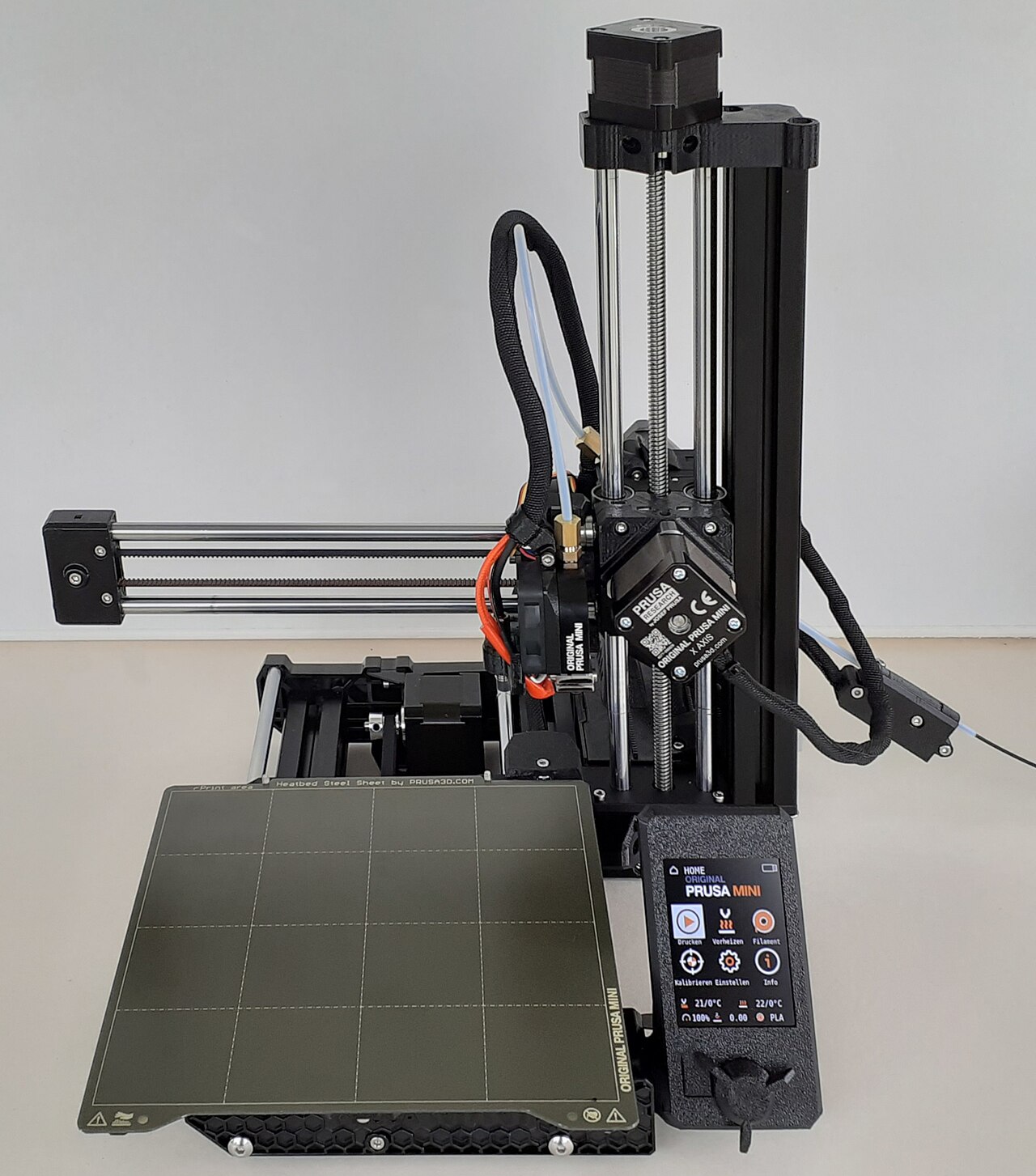
Fdm 3d Printing
FDM 3D Printing Service
FDM (Fused Deposition Modelling) 3D printing is an additive manufacturing process that builds parts layer by layer from a molten thermoplastic filament.
Price on request
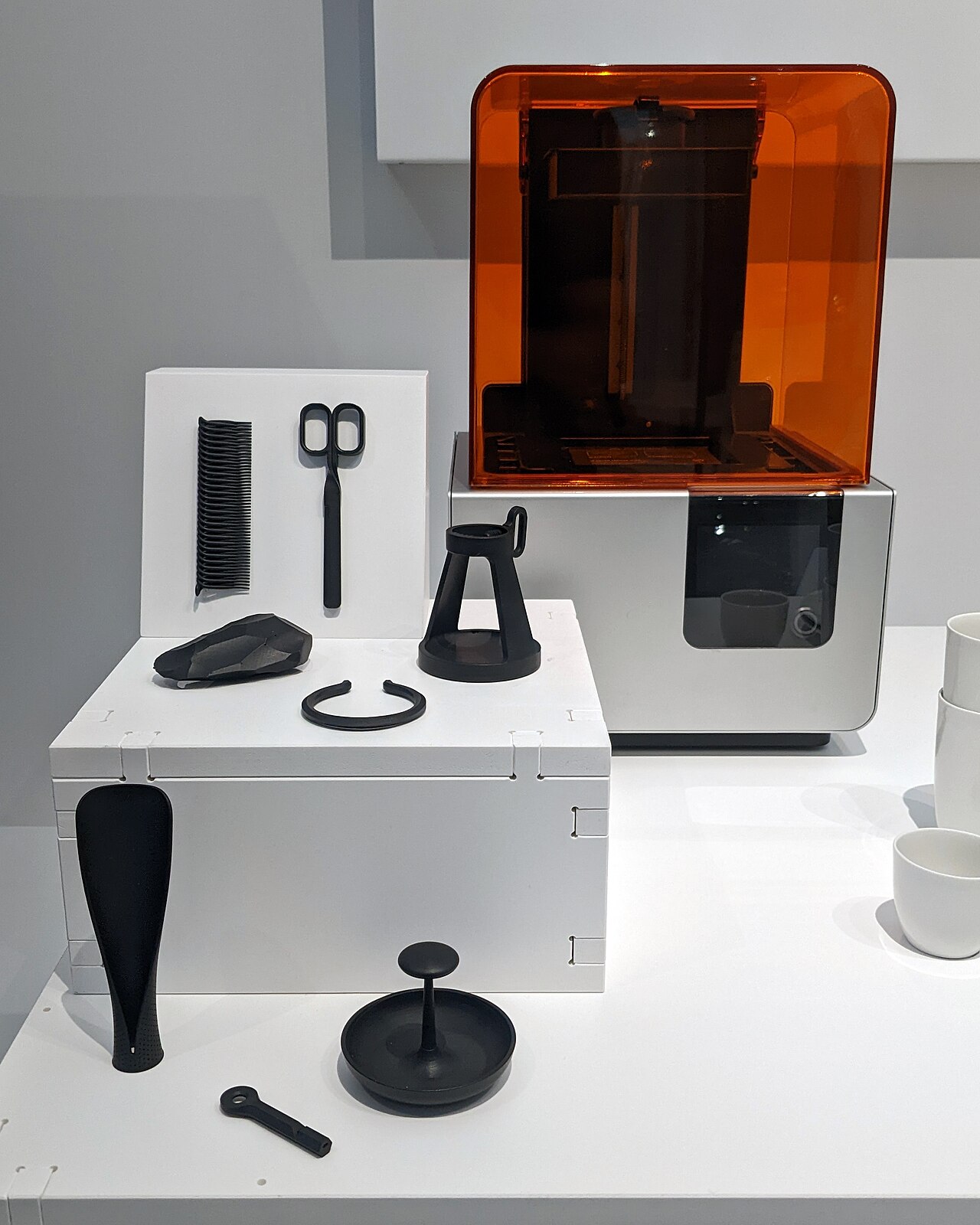
Sla 3d Printing
SLA / Resin 3D Printing Service
SLA (Stereolithography), also called resin 3D printing, is a photopolymerisation process that builds parts by curing liquid photopolymer resin with a UV light source, layer by layer.
Price on request
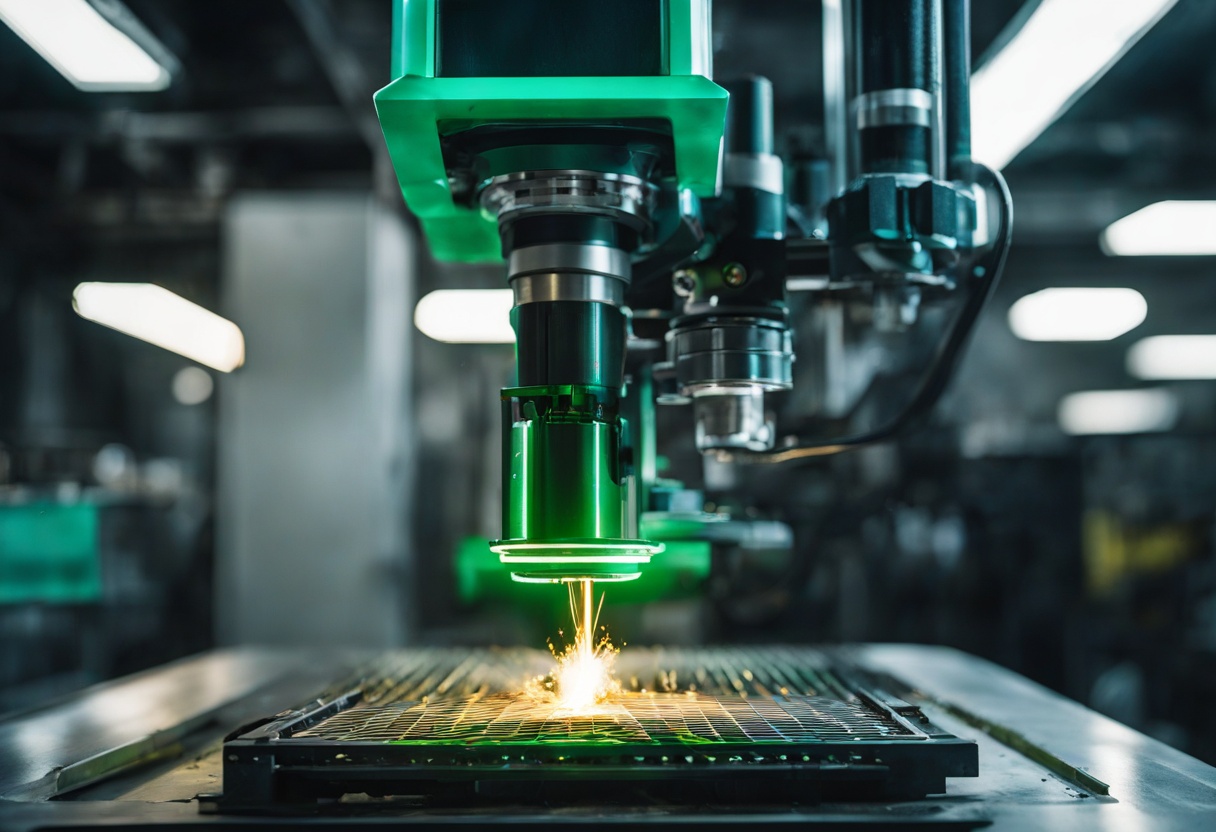
Sls 3d Printing
SLS 3D Printing Service
SLS (Selective Laser Sintering) is a powder-bed fusion process that builds parts by using a laser to selectively sinter fine polymer powder, layer by layer, inside a heated build chamber.
Price on request
Mjf 3d Printing
MJF 3D Printing Service
MJF (Multi Jet Fusion) is a powder-bed fusion process developed by HP that, like SLS, builds nylon parts layer by layer, but instead of a laser it uses inkjet arrays to deposit a fusing agent onto the powder bed and then passes an infrared energy source over it to fuse those areas.
Price on request