Secured thrust/motor stand keeps the motor, propeller and ESC firmly mounted so full-throttle tests run safely instead of freehand and hazardous.
Quote
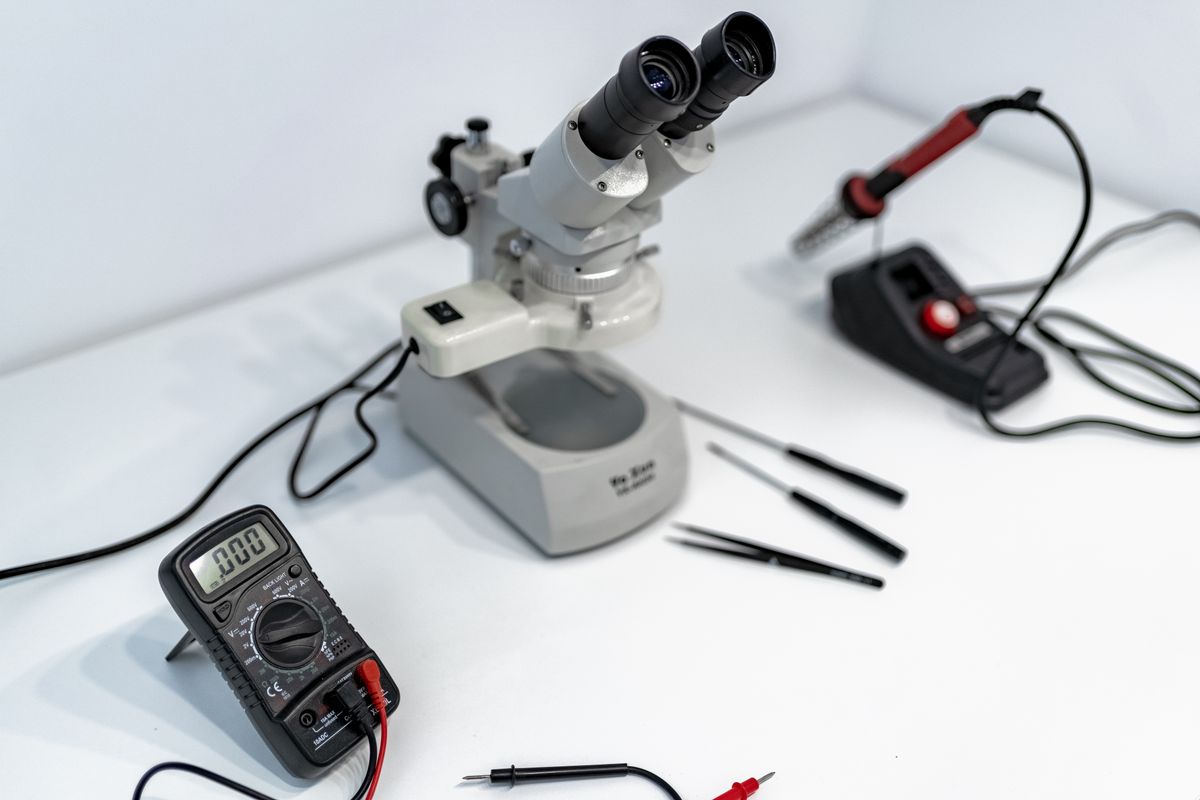
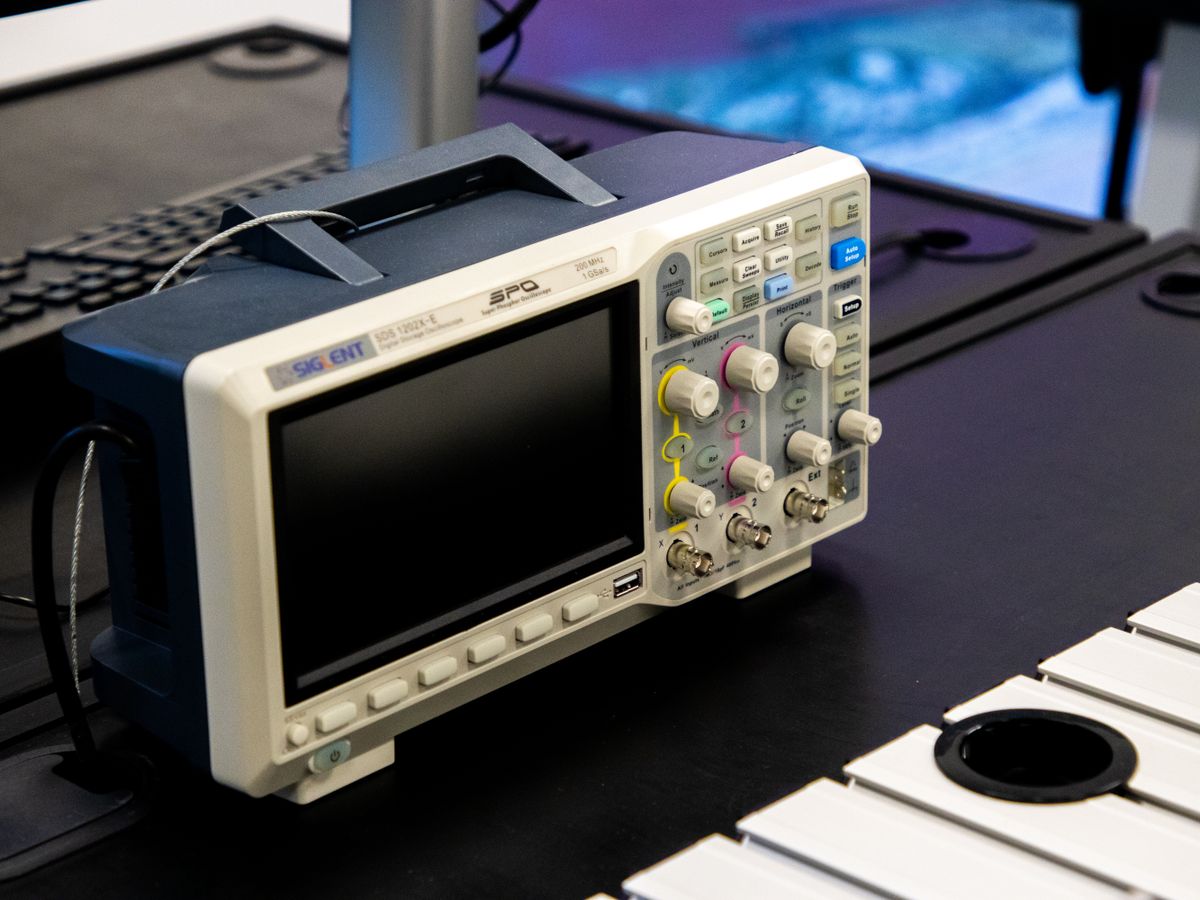
Training Testing Benches
Drone Training & Testing Bench
A Drone Training & Testing Bench is a dedicated, safety-first station for evaluating UAV propulsion and control systems under repeatable, controlled conditions — and for teaching students how those systems behave.
Price on request
SKU: BOTBIT-LAB-03 · Best for: Engineering college or RPTO-style practicals on propulsion and avionics behaviour
Overview
About Drone Training & Testing Bench.
A Drone Training & Testing Bench is a dedicated, safety-first station for evaluating UAV propulsion and control systems under repeatable, controlled conditions — and for teaching students how those systems behave. It brings together a secured thrust/motor test stand where a motor, propeller and ESC are firmly mounted so even full-throttle runs stay safe, instrumentation for capturing thrust, torque, RPM, current and voltage, and a computing setup that logs data and drives automated test profiles. The same bench doubles as a teaching aid, letting learners see cause and effect without flying a full aircraft.
In practice the bench supports two closely related jobs. For testing, it characterises propulsion combinations, verifies motors and ESCs, checks vibration and balance, and helps tune flight-controller parameters — with data logging so results are comparable across runs. For training and development it can pair with hardware-in-the-loop (HIL) and software-in-the-loop simulation and flight simulators, so students and engineers can exercise autopilot logic, mission planning and failure scenarios on the bench before committing to real flight. BotBit scopes the exact stand capacity, sensors and simulation depth to what you actually test and teach.
It is aimed at engineering colleges and RPTO-style training environments that want hands-on propulsion and avionics practicals, UAV startups and R&D teams validating designs, and manufacturers running incoming or outgoing checks on motors, ESCs and propellers. Because it keeps powerful rotating hardware restrained and instrumented, the bench is a safer, more measurable alternative to freehand testing — and in India it fits naturally into how UAV skilling and development are run under the Drone Rules 2021 framework.
Key features
Why it stands out.
Instrumented data logging captures thrust, torque, RPM, current and voltage so propulsion results are measurable and comparable across runs.
Automated and manual test profiles let you sweep throttle, compare props and motors, and repeat tests consistently for real characterisation.
Optional HIL/SIL and flight-simulation pairing lets students and engineers exercise autopilot and mission logic before committing to real flight.
Dual training-and-testing role means one bench serves both classroom demonstration and genuine R&D or QC validation of UAV powertrains.
Specifications
Selection facts.
| Primary function | UAV propulsion testing plus hands-on training/demonstration |
|---|---|
| Test stand type | Secured thrust/motor stand for restrained full-power runs |
| Measured parameters | Thrust, torque, RPM, current, voltage (per configuration) |
| Test modes | Manual throttle control and automated/scripted profiles |
| Data handling | Real-time logging and comparison across test runs |
| Simulation options | HIL/SIL and flight-simulator pairing where scoped |
| Safety design | Restrained rotating hardware, guarding, controlled operation |
| Lead time | Varies by stand capacity and options; quoted on request |
Applications
Where it is used.
- Engineering college or RPTO-style practicals on propulsion and avionics behaviour
- Characterising and comparing motor, ESC and propeller combinations
- Incoming or outgoing QC checks on motors, ESCs and propellers for builders
- Tuning flight-controller and ESC parameters against logged bench data
- HIL/SIL exercises for autopilot, mission and failure-scenario training
- Student projects and R&D validation before committing designs to flight
Buying guide
How to choose.
To scope an accurate quote, tell BotBit what you test and teach: the size of motors and propellers you work with (so the stand's thrust and torque range is right), whether you need single-motor or multi-powertrain testing, and which parameters matter most (thrust, torque, RPM, current, voltage). If you want the bench to double as a training station, mention batch size and whether you want HIL/SIL or flight-simulator integration.
Choose by workload. A teaching-first bench prioritises safety, clear data display and simple repeatable tests for students, while an R&D or QC bench prioritises higher stand capacity, richer instrumentation and scripted automation for characterisation. If you build drones, a bench configured for incoming/outgoing checks pays off quickly by catching weak motors or mismatched props before assembly or dispatch.
Confirm the practical inclusions in the quote: stand capacity and sensors supplied, the logging and control software, any simulation modules, and what installation, calibration, safety guarding and training come with handover. As an RFQ engagement, the stand size, instrumentation and simulation depth are all tailored to your budget and how you plan to use the bench.
FAQ
Common questions.
What does a drone testing bench do?
It safely evaluates UAV propulsion by mounting a motor, propeller and ESC on a secured stand and measuring outputs such as thrust, torque, RPM, current and voltage while logging the data. This lets you characterise and compare powertrains, verify components, and tune parameters — far more safely and measurably than testing a spinning propeller freehand.
Can it be used for training as well as testing?
Yes — that dual role is the point. As a teaching aid it lets students see how throttle, props and motors affect thrust and current in real time, and it can pair with HIL/SIL and flight simulators to exercise autopilot and mission logic. As a test tool it supports genuine R&D characterisation and QC checks on the same bench.
Why is the bench quote-based?
Because the right stand capacity, sensor set and simulation depth depend on the motors and props you test and how you use the bench. A student demonstration bench and a high-capacity R&D characterisation bench differ significantly. Tell us your motor/prop sizes and use case and we will scope the bench and send an itemised RFQ.
What is HIL/SIL and do I need it?
Hardware-in-the-loop and software-in-the-loop let you run a flight controller against a simulated aircraft and environment, so you can test autopilot logic, missions and failure cases without flying. It is valuable for training and autonomy development but optional — if you only need propulsion testing, we can scope the bench without it and add it later.
How does the bench improve safety?
A full-throttle propeller is dangerous to test by hand. The bench restrains the motor and propeller, adds guarding, and lets you run controlled, instrumented tests at a safe distance. This is why test stands are standard practice in UAV labs, manufacturers and research institutions for evaluating powerful propulsion systems.
Does it suit manufacturing quality checks?
Yes. Configured for incoming or outgoing checks, the bench lets builders verify motors, ESCs and propellers against expected thrust and current before assembly or dispatch, catching weak or mismatched components early. We scope the instrumentation and any automated test profiles to match the throughput and parameters your QC needs.
More in Drone Labs
Related hardware.
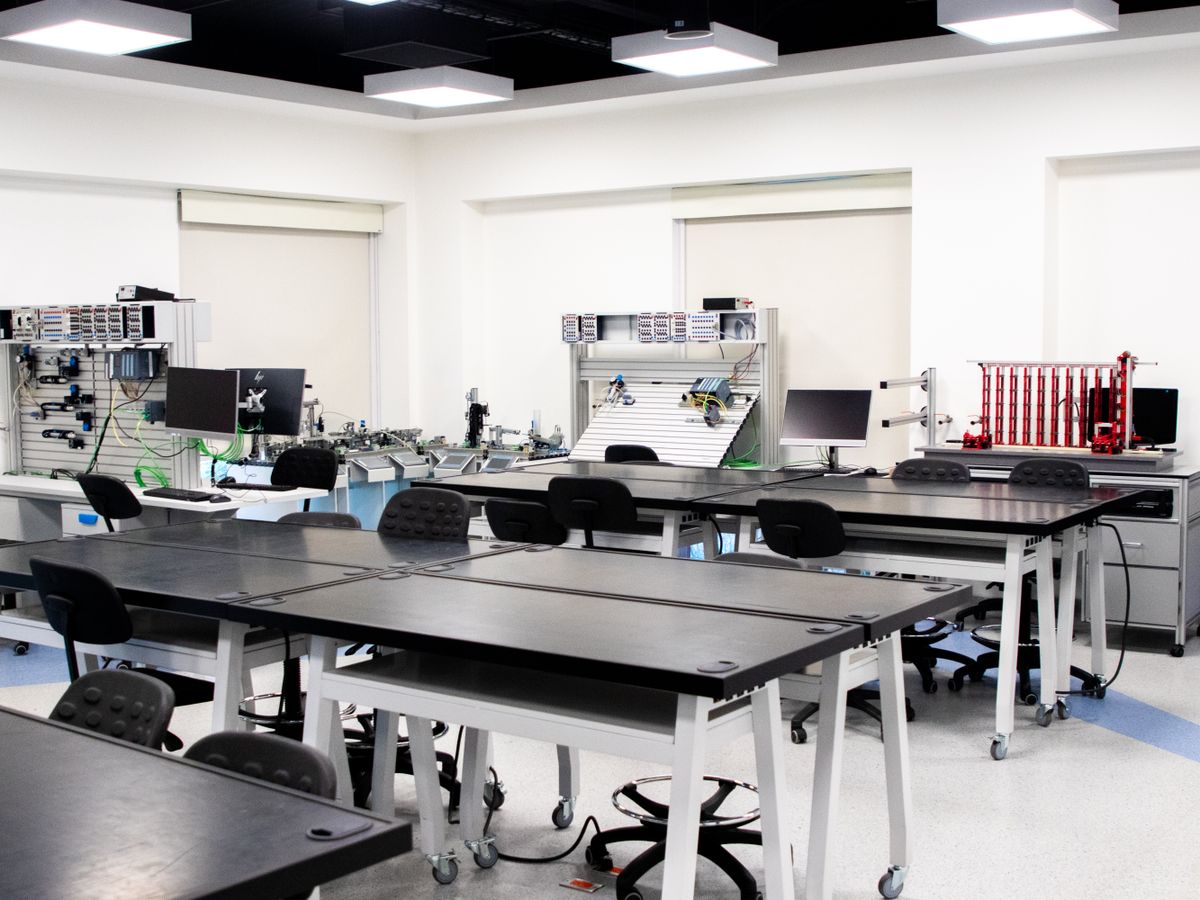
Turnkey Drone Lab Setup
Turnkey Drone Lab Setup
A Turnkey Drone Lab Setup is a complete, ready-to-operate UAV facility that BotBit scopes, supplies, installs and commissions as a single package so an institute or R&D team can start building, flying and studying drones without assembling equipment piecemeal from a dozen vendors.
Price on request
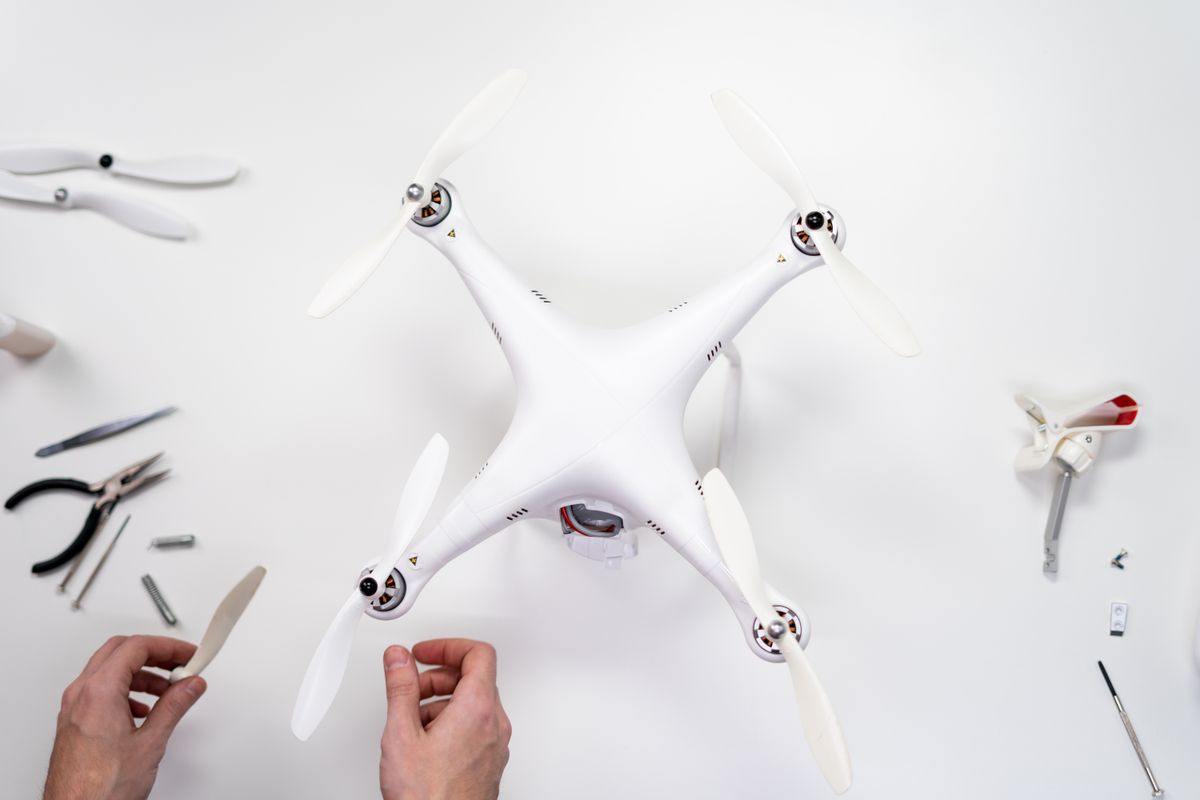
Uav Production Cell
UAV Production Cell Setup
A UAV Production Cell Setup is a scoped, assembly-and-test workspace for building drones in repeatable batches rather than one-off prototypes.
Price on request
You may also need
Pairs well with.
Flight Controllers
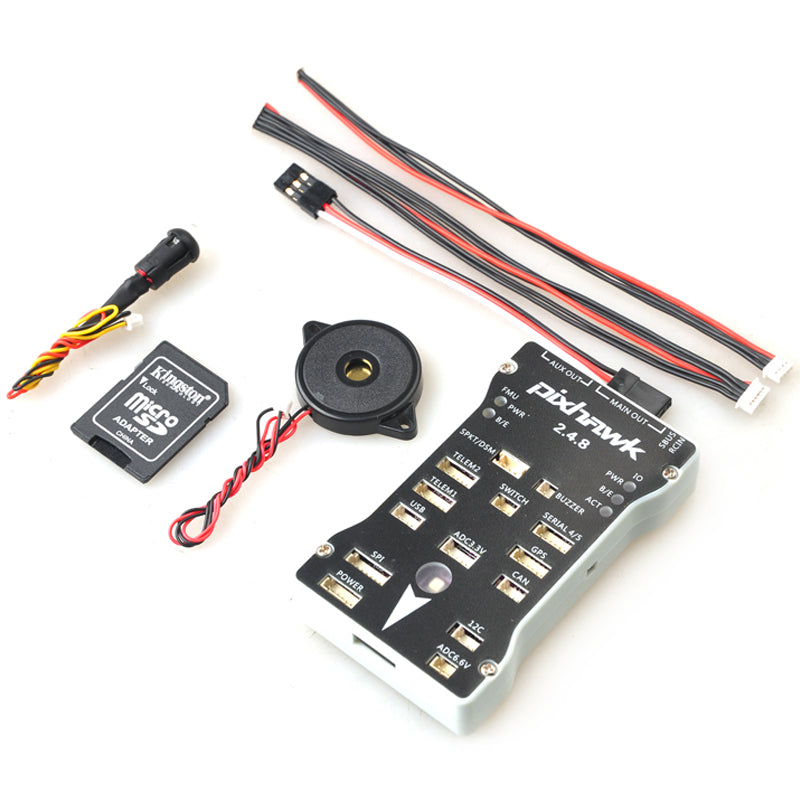
Pixhawk 2.4.8 Flight Controller (PX4/ArduPilot)
The Pixhawk 2.4.8 is a 32-bit open-source autopilot that brings full ArduPilot and PX4 flight-stack capability to hobby and academic drone builds at a very accessible price.
₹8,499 + 18% GST