Station-based flow from kitting to functional test brings repeatability and traceability to UAV builds, moving your team beyond one-off prototype assembly.
Quote
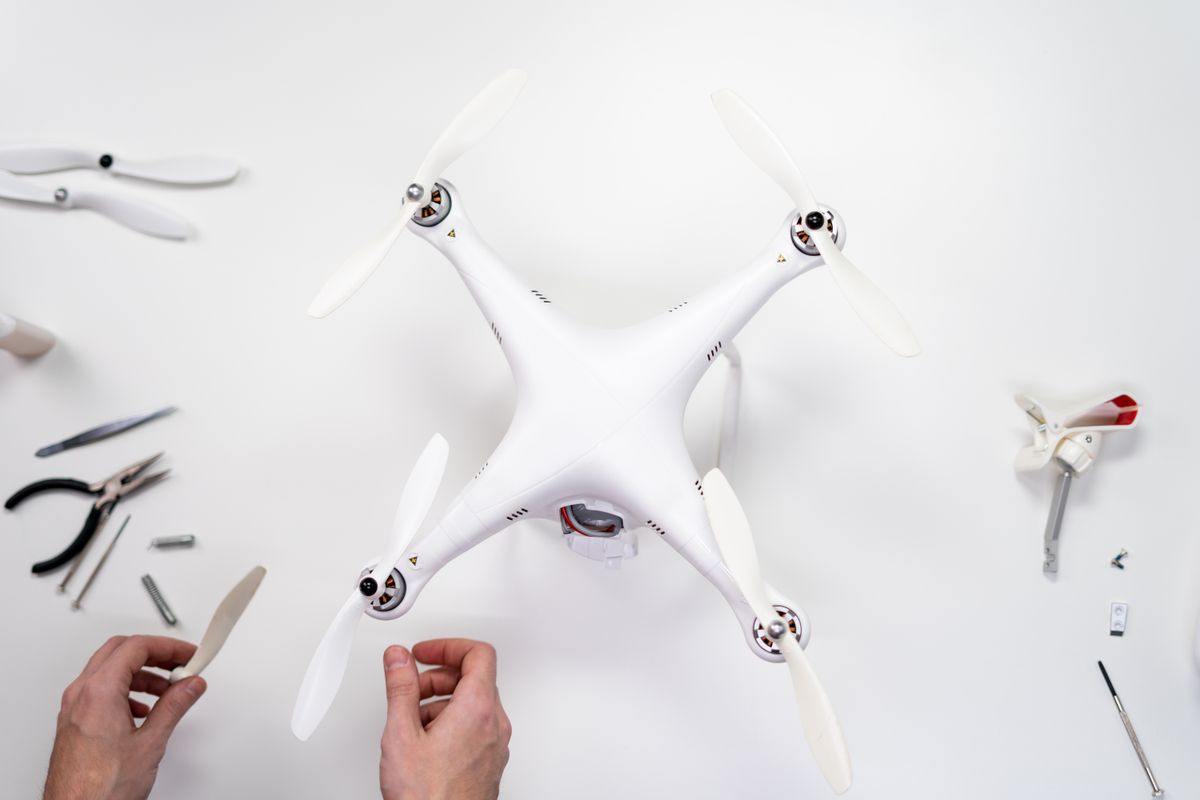
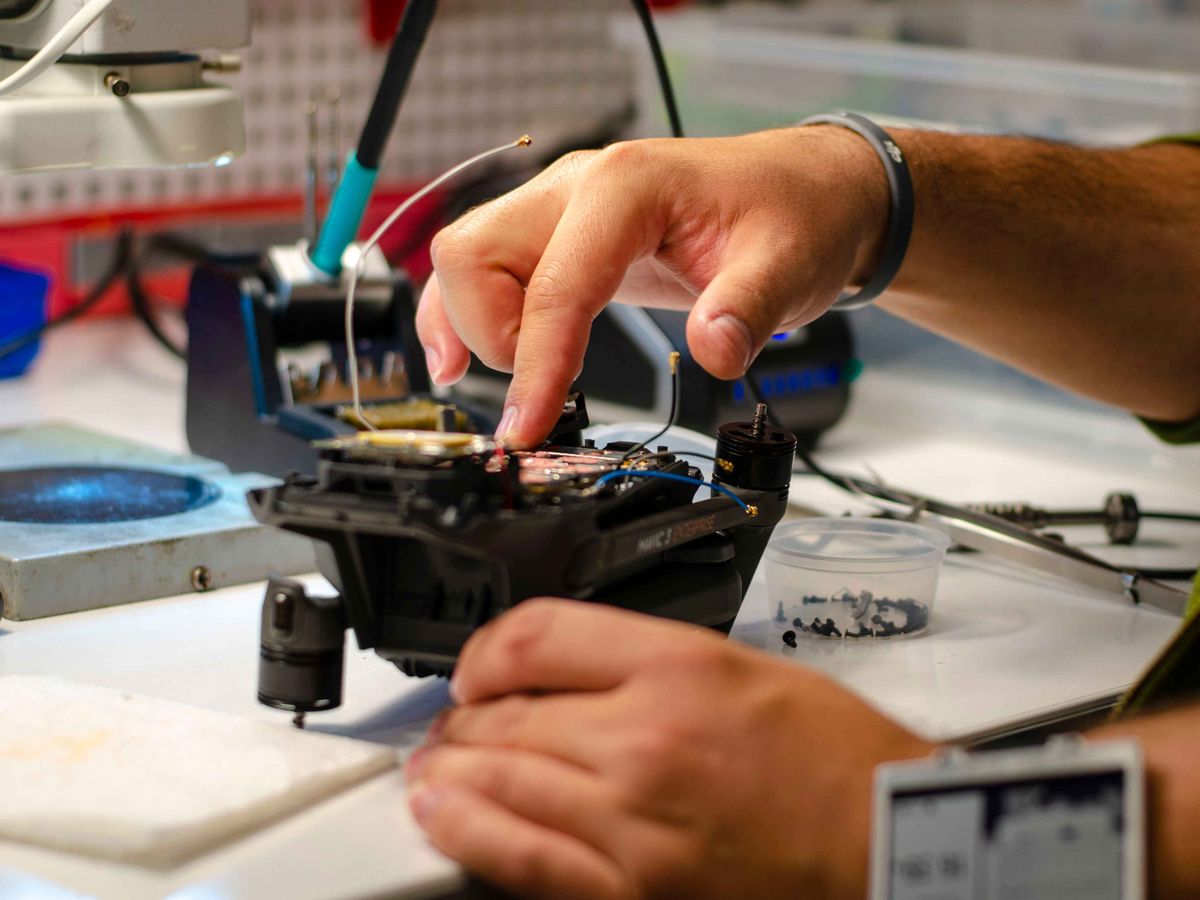
Uav Production Cell
UAV Production Cell Setup
A UAV Production Cell Setup is a scoped, assembly-and-test workspace for building drones in repeatable batches rather than one-off prototypes.
Price on request
SKU: BOTBIT-LAB-02 · Best for: UAV startup moving from validated prototype to small-series production
Overview
About UAV Production Cell Setup.
A UAV Production Cell Setup is a scoped, assembly-and-test workspace for building drones in repeatable batches rather than one-off prototypes. BotBit plans and equips the cell as a connected sequence of stations — incoming parts and kitting, sub-assembly (frames, arms, power distribution), electronics and wiring, avionics and firmware flashing, final assembly, calibration, and functional test — so a small manufacturing or R&D team can move a UAV from parts to a flight-checked unit with traceability and consistent quality. It is a production capability, not a training classroom.
The cell combines ESD-safe workbenches, soldering and crimping stations, torque and fastening tools, jigs and fixtures for repeatable builds, calibration setups for compasses, ESCs and sensors, and functional test rigs for propulsion and avionics. Supporting elements typically include a LiPo-safe charging and storage area, part bins and kitting trolleys, and a documentation or work-instruction station so each unit follows the same steps. BotBit scopes the number of stations and the degree of automation to your target volume, whether that is a handful of units a month or a steady low-to-mid batch run.
It suits UAV startups moving from prototype to small-series production, manufacturers adding a drone line, enterprise and industrial suppliers building to internal specifications, and institutes that want a realistic production-engineering environment. In India, the cell is planned with awareness of the Drone Rules 2021 and the DGCA/QCI type-certification pathway, so your build, calibration and test process can support the documentation and repeatability that formal certification and quality processes expect — while the certification itself remains with the accredited bodies.
Key features
Why it stands out.
ESD-safe benches, jigs and fixtures reduce build variation so each unit is assembled, wired and fastened the same way every time.
Integrated calibration and functional-test stations catch compass, ESC, sensor and propulsion issues before a unit leaves the cell.
Volume-matched scope means BotBit sizes stations, tooling and any automation to your real target batch — no over-buying, room to scale.
Documentation and work-instruction setup supports the process discipline that quality systems and India's type-certification pathway expect.
Specifications
Selection facts.
| Purpose | Repeatable batch assembly and functional test of UAVs |
|---|---|
| Station flow | Kitting, sub-assembly, wiring, avionics, final assembly, calibration, test |
| Platforms supported | Multirotor, fixed-wing and hybrid/VTOL builds |
| Benches | ESD-safe workstations with soldering, crimping, fastening tools |
| Fixtures | Jigs and fixtures for repeatable, low-variation builds |
| Calibration/test | Compass, ESC, sensor calibration and propulsion/avionics functional test |
| Throughput | Scoped to your target volume, from low to mid batch runs |
| Lead time | Varies by cell size and tooling; quoted after requirements review |
Applications
Where it is used.
- UAV startup moving from validated prototype to small-series production
- Established manufacturer adding a dedicated drone assembly and test line
- Enterprise or industrial supplier building UAVs to internal specifications
- Contract builder assembling drones to a customer's design and BOM
- Institute or COE running a realistic production-engineering and QC environment
- Pilot line to prove out a build process before scaling to higher volume
Buying guide
How to choose.
For an accurate quote, tell BotBit which UAV platform(s) you build (multirotor, fixed-wing, hybrid/VTOL), your target output (units per week or month), and whether you are producing to your own design or a customer's. Share your bill of materials or a build overview if you can, plus the floor space, power and ESD/ventilation conditions available. This lets us size the number of stations, fixtures and test rigs correctly.
Choose based on volume and process maturity. A first production cell for a startup typically prioritises solid benches, calibration and functional test with modest fixturing, while a higher-volume or certification-oriented cell adds more jigs, tighter work instructions and dedicated test stations. If you plan to pursue DGCA type certification, tell us early so the cell is scoped to support the documentation and repeatability those assessments require.
Confirm the quote's inclusions: which stations and tooling are supplied, what calibration and test setups are provided, what installation and process documentation you receive, and what support, spares or expansion options exist. Because this is an RFQ engagement, the station count, automation level and tooling depth are all tailored to your volume and budget.
FAQ
Common questions.
What is a UAV production cell?
It is a scoped assembly-and-test workspace organised as a sequence of stations — kitting, sub-assembly, wiring, avionics, final assembly, calibration and functional test — that lets a team build UAVs in repeatable batches with traceability. Unlike a prototyping bench, it is designed for consistent, low-variation output rather than one-off experimentation.
How is this different from a drone lab?
A drone lab is a teaching and prototyping environment; a production cell is a manufacturing capability. The lab emphasises learning, experimentation and multiple platform kits, while the cell emphasises repeatable builds, fixtures, calibration and functional test to turn out consistent units. Some organisations run both, using the lab for R&D and the cell for production.
Why is there no fixed price?
Because a production cell is scoped to your platform, target volume and process maturity. A small startup cell and a higher-volume, certification-oriented cell differ greatly in stations, fixtures and test rigs. Send us your platform, output target and floor conditions and we will scope the cell and share an itemised RFQ.
Can the cell support DGCA type certification?
The cell can be planned to support the process discipline, calibration records and repeatability that India's Drone Rules 2021 and the DGCA/QCI type-certification pathway expect. Certification itself is issued by DGCA via QCI-authorised test bodies, not by us — we scope the cell and its documentation to help you be ready for that pathway.
What throughput can you support?
We size the cell to your target — from a handful of units a month up to steady low-to-mid batch runs — by adjusting station count, fixturing and any automation. Share your desired output and we will propose a layout that meets it with room to scale. We can also design a pilot line first to prove the process.
Do you provide installation and process documentation?
Yes. A typical engagement includes supplying and installing the stations and tooling, setting up calibration and test rigs, and providing work instructions or process documentation so builds are repeatable. The exact inclusions, training and any ongoing support are defined in your quote.
More in Drone Labs
Related hardware.
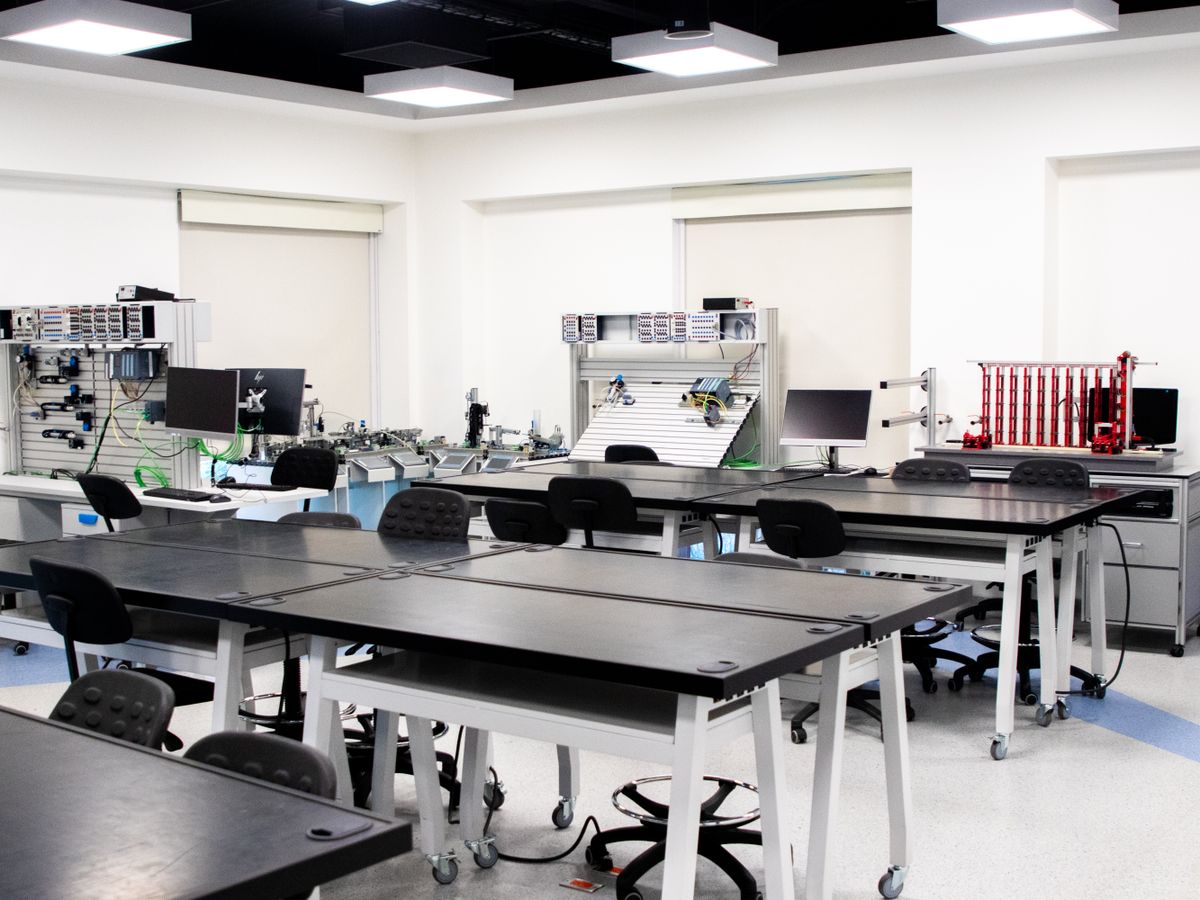
Turnkey Drone Lab Setup
Turnkey Drone Lab Setup
A Turnkey Drone Lab Setup is a complete, ready-to-operate UAV facility that BotBit scopes, supplies, installs and commissions as a single package so an institute or R&D team can start building, flying and studying drones without assembling equipment piecemeal from a dozen vendors.
Price on request
Training Testing Benches
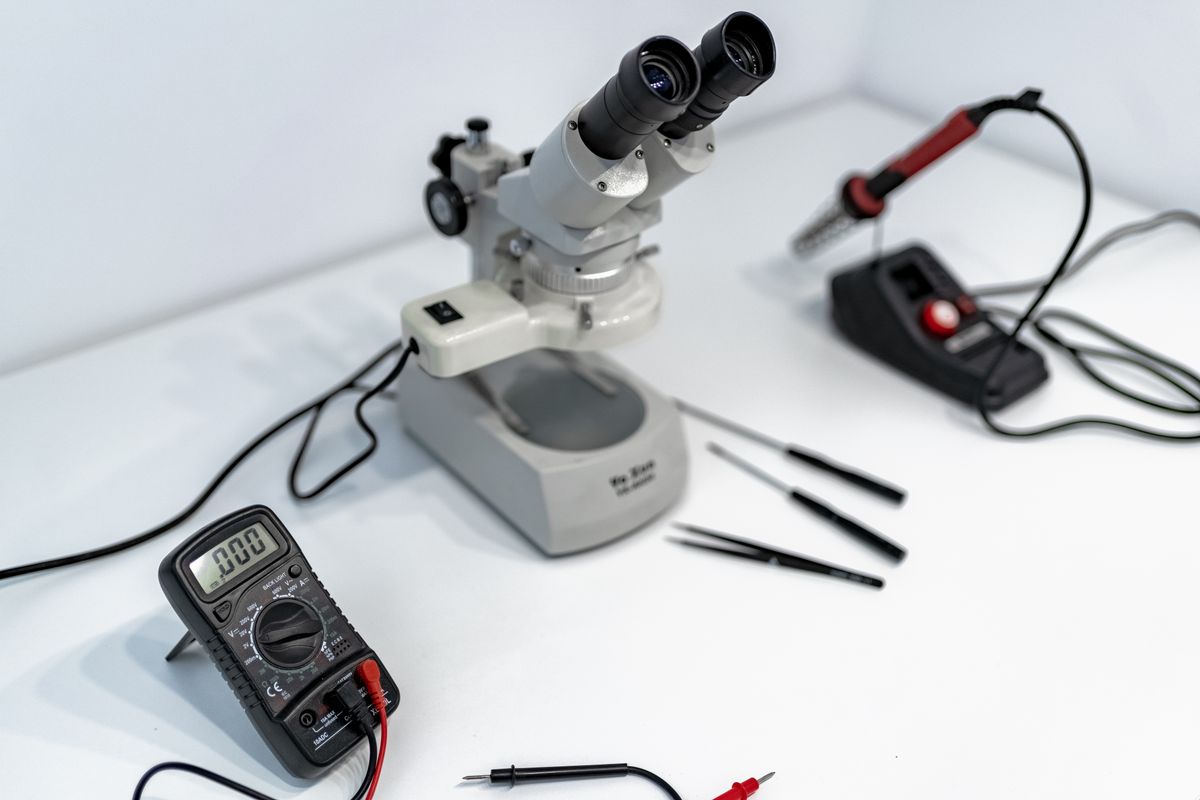
Drone Training & Testing Bench
A Drone Training & Testing Bench is a dedicated, safety-first station for evaluating UAV propulsion and control systems under repeatable, controlled conditions — and for teaching students how those systems behave.
Price on request
You may also need
Pairs well with.
Flight Controllers
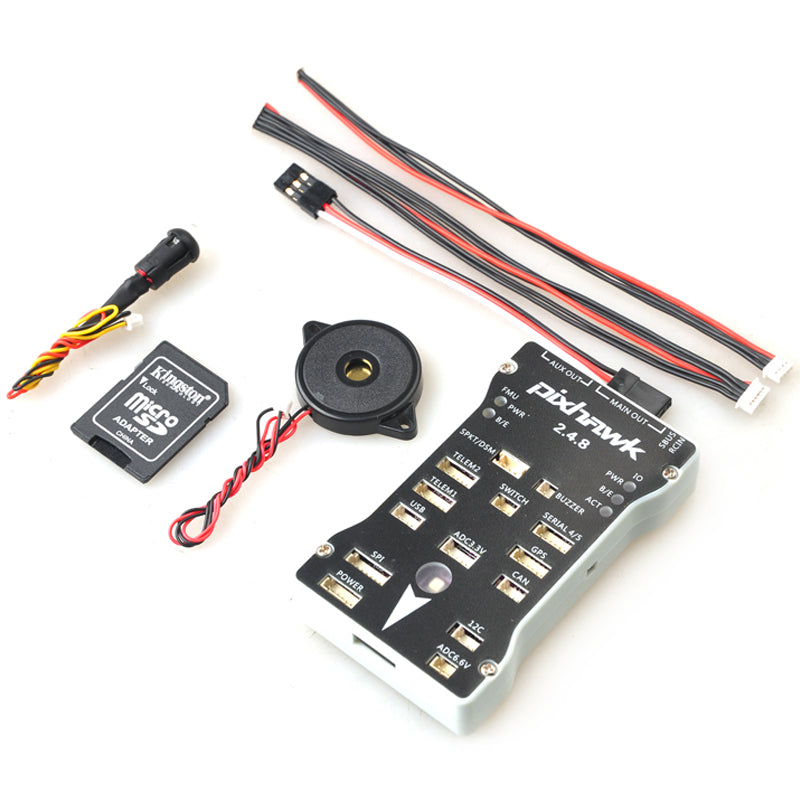
Pixhawk 2.4.8 Flight Controller (PX4/ArduPilot)
The Pixhawk 2.4.8 is a 32-bit open-source autopilot that brings full ArduPilot and PX4 flight-stack capability to hobby and academic drone builds at a very accessible price.
₹8,499 + 18% GST