Whole-of-operation coverage that links handhelds, vehicles, base stations and sites into one coordinated network
Compliance review
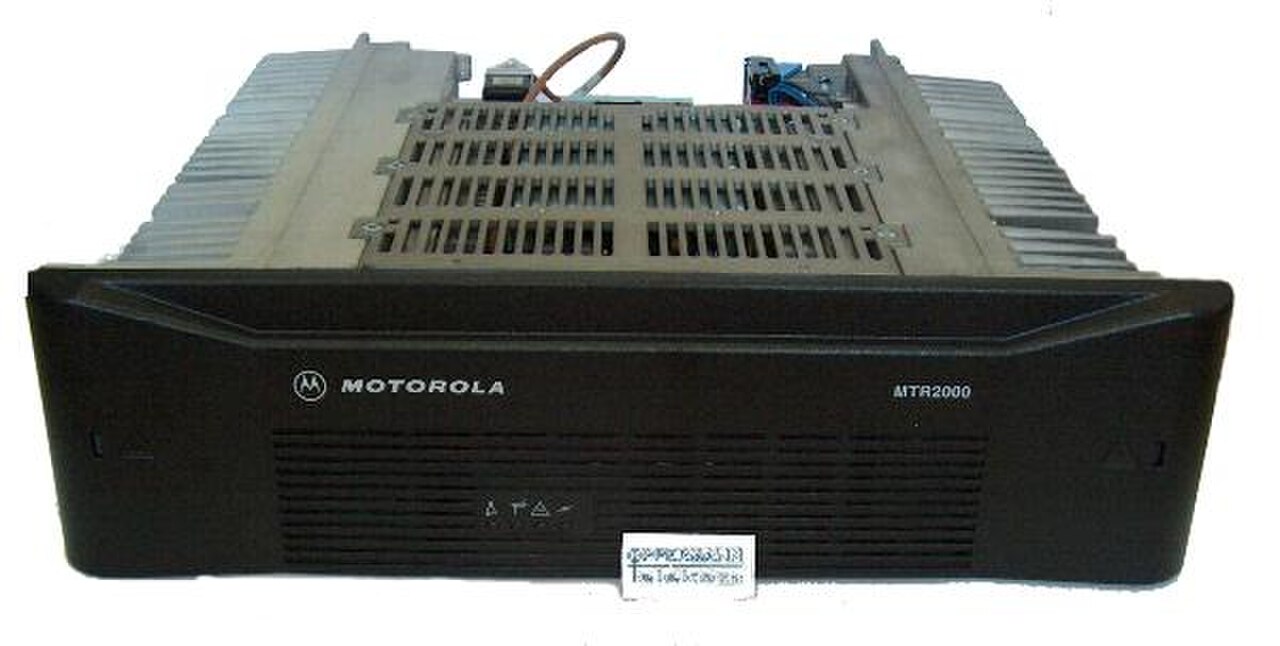
Field Radio Networks
Field Radio Network (system)
The BotBit Field Radio Network is a system-level solution that links many radios, sites and vehicles into a single coordinated communications network for operations that outgrow a handful of handsets.
Price on request
SKU: BOTBIT-RAD-02 · Best for: Wide-area security and law-enforcement operations coordinating many teams across a region
Compliance note: This item is reviewed for lawful, authorized use before fulfilment. Final availability depends on regulation, end-use and applicable export controls.
Overview
About Field Radio Network (system).
The BotBit Field Radio Network is a system-level solution that links many radios, sites and vehicles into a single coordinated communications network for operations that outgrow a handful of handsets. Rather than a single device, it is an engineered combination of handheld and mobile radios, base stations, relays or repeaters, antennas and control-room equipment, designed so a distributed team can talk and share data across a large area, difficult terrain or multiple sites. It suits security forces, large industrial and mining operations, utilities, disaster-management agencies and infrastructure programmes that need resilient communications independent of public cellular networks.
The network can combine HF, VHF and UHF layers to balance range, capacity and terrain. HF supports long-haul links over hundreds of kilometres without fixed infrastructure; VHF and UHF cover local voice and data with repeaters extending line-of-sight reach across hills and urban blocks. Modern configurations can use mesh or ad-hoc waveforms so that each radio acts as both an endpoint and a relay, keeping the network alive even if individual nodes drop. Base stations at command posts provide higher-power command-and-control links, position tracking and integration with control-room software, while digital modes add talk-group management, data messaging and encryption for organised, private traffic.
In India, deploying a radio network is subject to WPC Wing regulation. Equipment requires ETA, the supplying dealer requires a Dealer Possession Licence, and operating on licensed frequencies requires a WPC operating licence together with an assigned frequency plan; spectrum coordination is essential when many sites and repeaters are involved. BotBit designs and supplies networks strictly for lawful, licensed use and can support the compliance and frequency-planning conversation. Because every network is scoped to a specific coverage map, site list and traffic profile, the Field Radio Network is delivered on a request-for-quote basis.
Key features
Why it stands out.
Layered HF/VHF/UHF design that balances long-haul reach, local capacity and difficult terrain
Resilient mesh or repeater-relay architecture that keeps communications up when individual nodes drop
Command-and-control integration with talk-group management, data messaging and position tracking from a control room
Engineered frequency planning and India WPC compliance support for lawful, coordinated multi-site deployment
Specifications
Selection facts.
| System type | Multi-node field radio network (handhelds, mobiles, base stations, relays) |
|---|---|
| Frequency layers | HF, VHF and/or UHF, matched to coverage and terrain |
| Network topology | Repeater/relay and mesh or ad-hoc options for resilience |
| Traffic | Voice and data, with talk groups and messaging in digital modes |
| Command elements | Base stations and control-room integration for C2 and tracking |
| Security | Encryption and talk-group separation where lawfully licensed |
| Deployment | Fixed, semi-mobile and vehicle-mounted nodes |
| India compliance | WPC ETA, dealer licence, operating licence and frequency plan as applicable |
Applications
Where it is used.
- Wide-area security and law-enforcement operations coordinating many teams across a region
- Disaster management and relief agencies restoring communications after network outages
- Large mines, plants, ports and industrial estates connecting control rooms with field crews
- Utility, pipeline and grid operators maintaining assets spread over long distances
- Infrastructure, construction and survey programmes running across multiple remote sites
- Border, forest and terrain-intelligence operations needing resilient, infrastructure-independent links
Buying guide
How to choose.
For a meaningful network quote, share the operational picture: the coverage map or area to be served, the list of sites and command posts, the number and type of radios (handheld, vehicle, base), and the terrain between them. Tell us whether you need voice only or voice plus data, whether talk groups, position tracking and encryption are required, and whether the network must interoperate with existing radios or control-room software. The more precisely you describe coverage and traffic, the more accurate the design and pricing.
Compliance and spectrum are central to any Indian deployment. Radio networks fall under the WPC Wing: equipment needs ETA, the dealer needs a Dealer Possession Licence, and operating on licensed frequencies requires a WPC operating licence and a coordinated frequency plan, which matters especially when multiple repeaters and sites are involved. Let us know whether you hold WPC licences or frequency assignments already, or need help scoping them. We design and supply only for lawful, licensed and coordinated use.
When choosing an architecture, weigh long-haul HF against local VHF/UHF capacity, and repeater-based coverage against mesh resilience, based on how your teams actually move and where failures would hurt most. Consider a phased rollout, spares, power and antenna infrastructure per site, and control-room integration. Send your requirement as an RFQ and our team will return a network design with coverage rationale, compliance notes, lead time and support options.
FAQ
Common questions.
How is this different from just buying handheld radios?
Handhelds cover a local group; a field radio network ties many radios, vehicles, base stations and sites into one coordinated system with repeaters or mesh links, command-and-control integration and wider, more resilient coverage. It is engineered around your coverage map and traffic rather than sold as identical units, which is why it is scoped per deployment.
What licences do I need to run a network in India?
Networks fall under the WPC Wing. Equipment needs ETA, the dealer needs a Dealer Possession Licence, and operating on licensed frequencies requires a WPC operating licence plus a coordinated frequency plan, especially with multiple repeaters and sites. We supply only for lawful, licensed use and can help you scope the compliance and spectrum pathway.
Can the network keep working if part of it fails?
Yes, that is a core design goal. Mesh or ad-hoc topologies let each radio relay traffic so the network survives lost nodes, and repeater-relay layouts add redundant paths. We architect resilience to your risk profile, so describe which links are mission-critical in your RFQ and we will design accordingly.
Which frequency bands should we use?
It depends on coverage and terrain. HF supports long-haul links without fixed infrastructure, while VHF and UHF handle local voice and data with repeaters extending reach across hills and urban areas. Many networks blend layers. Share your coverage map and terrain and we will recommend a suitable, licensable band plan.
Can it carry data and integrate with a control room?
Digital configurations support data messaging, position tracking and talk-group management, and base stations can integrate with control-room software for command-and-control. Integration scope depends on your systems and licensing. Tell us your control-room and data requirements and we will scope a compatible, lawful configuration.
How do we get a network design and price?
Because each network is built around a specific coverage map, site list, traffic profile and compliance position, it is delivered on a quote basis. Send an RFQ with your area, sites, radio counts, terrain, feature needs and licensing status, and we will return a network design with coverage rationale, lead time and support options.
More in Field & Long-Range Radios
Related hardware.
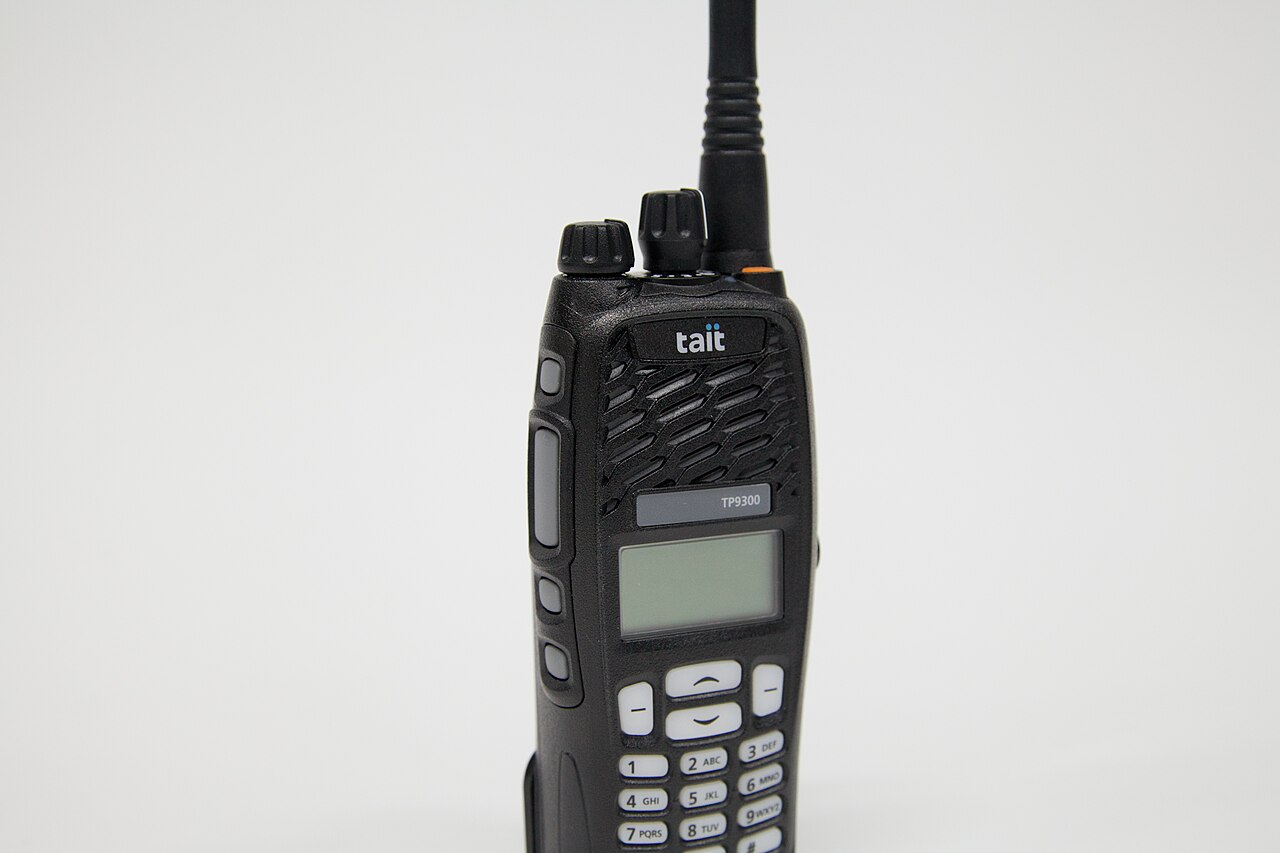
Rugged Handheld Radios
Rugged Handheld Radio
The BotBit Rugged Handheld Radio is a portable, field-grade two-way transceiver built for teams that need dependable voice and data links where phone networks are weak, congested or absent.
Price on request
You may also need
Pairs well with.
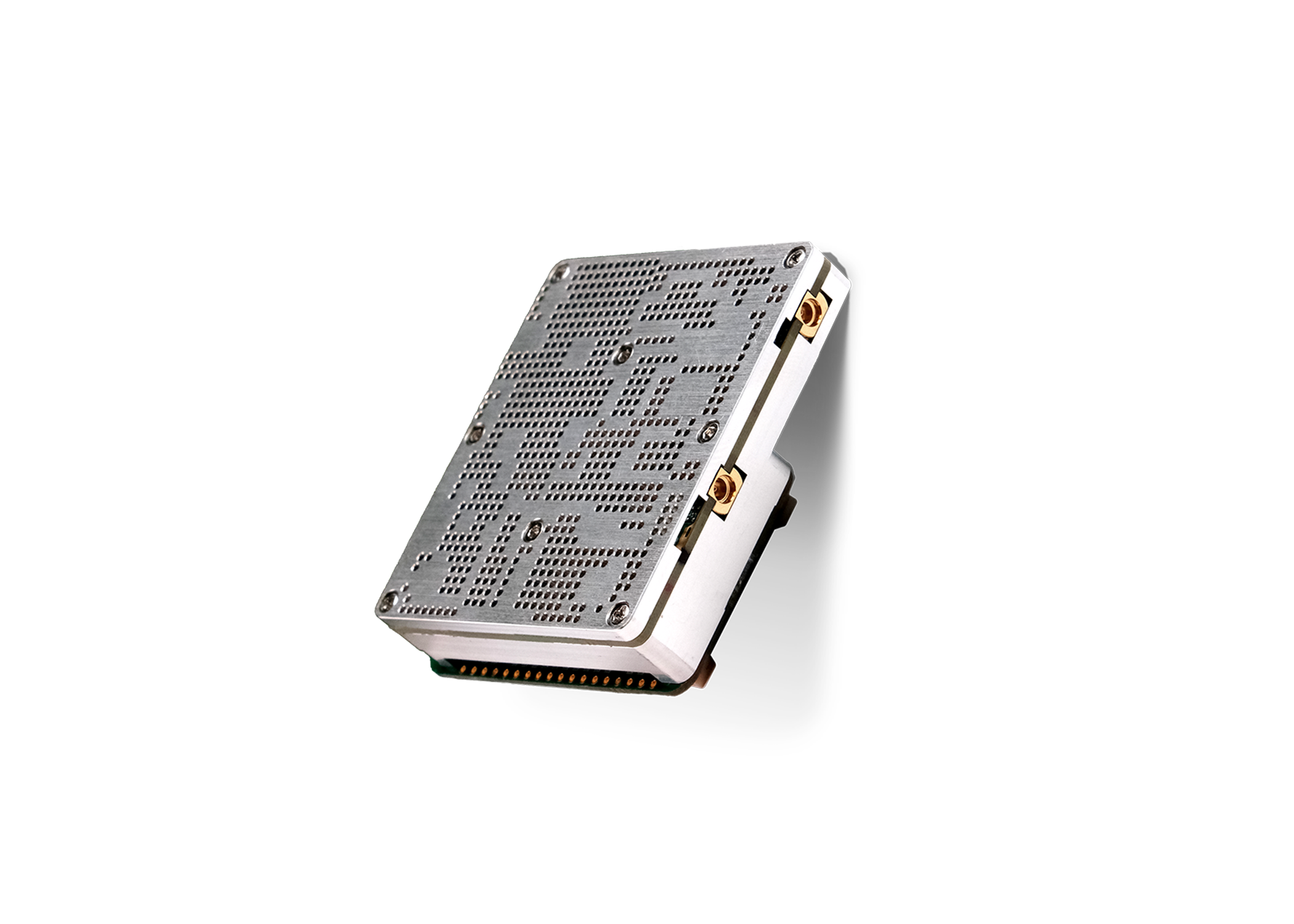
Mesh Data Links
Mesh Data-Link Network (system)
The BotBit Mesh Data-Link Network is a self-organising radio communications system that lets a fleet of drones, ground vehicles and control stations share command, telemetry and video traffic without depending on a single central tower.
Price on request